
Reviewed · HISTORICAL TOURS
Albany: Historic Whaling Station Entry Ticket
Albany’s Historic Whaling Station puts you inside a real whale-processing factory, not a recreated set. You can walk through the machinery, enter converted oil tanks for short films, and climb aboard Cheynes IV, the world’s only preserved whale chaser ship.
I like the way the attraction shows both the working life and the human cost of whaling. I also like the freedom to spend a full day here, with gardens, wildlife, a picnic area, and a café overlooking the bay. The main consideration is emotional: seeing how whales were hunted and processed can be confronting, especially for young children.
In This Review
- Key points to know before you go
- Why Albany’s former whaling station matters
- Inside the restored processing factory
- The Cheynes IV whale chaser
- The blue whale skeleton and marine displays
- Films inside the old whale oil tanks
- Scrimshaw, artifacts, and the human story
- Gardens, wildlife, and a full day outdoors
- Food, picnics, and practical comfort
- How much time should you allow?
- Is the $25 entry good value?
- Who will enjoy this Albany attraction?
- Should you book Albany’s Historic Whaling Station?
- FAQ
- Where is Albany’s Historic Whaling Station?
- How much does entry cost?
- How long is the ticket valid?
- What does the entry ticket include?
- What are the opening hours?
- Is the attraction open every day?
- Is the Historic Whaling Station wheelchair accessible?
- What should I bring?
Key points to know before you go
- Walk through a complete whaling station: The restored factory gives you a close look at the sights and sounds of Australia’s former whaling industry.
- Board Cheynes IV: This preserved whale chaser is the centrepiece for anyone interested in ships, maritime work, or Albany’s port story.
- See a giant blue whale skeleton: The marine display makes the sheer size of these animals easier to grasp than any photograph can.
- Plan for more than the factory: Your ticket also covers the Regional Wildflower Garden and Australian Wildlife Park.
- Allow most of the day: The station opens from 9:00 AM, while the gardens and wildlife park open at 10:00 AM.
- Bring comfortable shoes: You will be walking through exhibitions, ship areas, trails, gardens, and outdoor displays.
Why Albany’s former whaling station matters
Albany’s Historic Whaling Station was the last operating whaling station in Australia. Today, it is a heritage-listed tourism attraction that explains a difficult part of the region’s past through original buildings, equipment, ships, films, and collected objects.
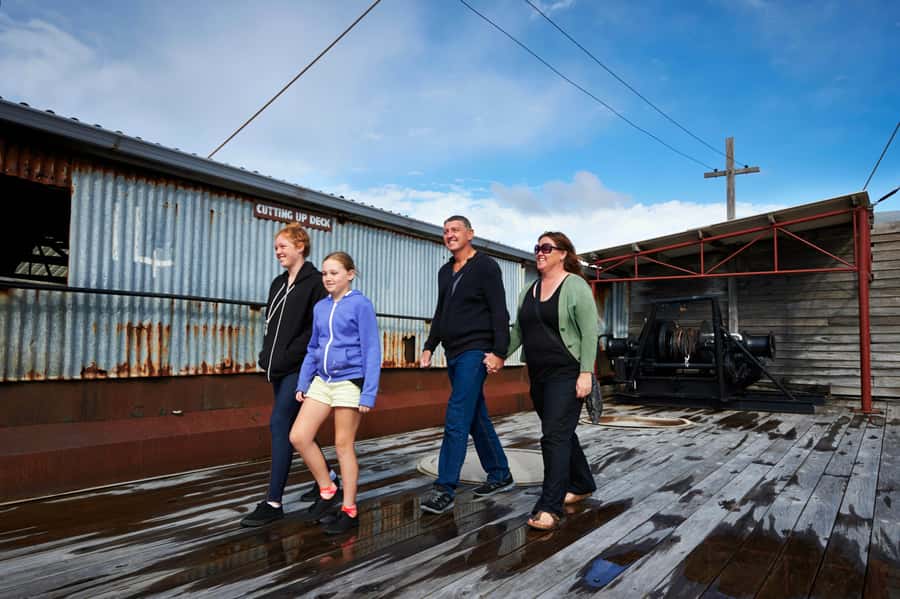
That setting gives the visit weight. You are not simply looking at a museum display about an industry that happened somewhere else. You are walking through the place where the work was done, seeing the factory layout and the equipment used in whale processing.
I find this kind of historical site useful because it avoids a polished version of the past. Whaling supported local employment and formed part of Albany’s economic story, but it also involved killing large marine animals. The attraction lets you face both facts at once.
The presentation is educational, but it is not light entertainment from start to finish. Some displays may be hard for children or anyone sensitive to animal suffering. The giant skeletons and machinery can create wonder, while the films and historical material also make clear what the industry involved.
A few more Australia trips to weigh up
- Ultimate Melbourne Walking Tour: History, Laneways & Culture
★ 5.0 · 1,451 reviews - Puffing Billy Railway: Heritage Steam Train Journey
★ 4.6 · 1,195 reviews - Morning World Heritage Cruise on the Gordon River from Strahan
★ 5.0 · 1,193 reviews
Inside the restored processing factory
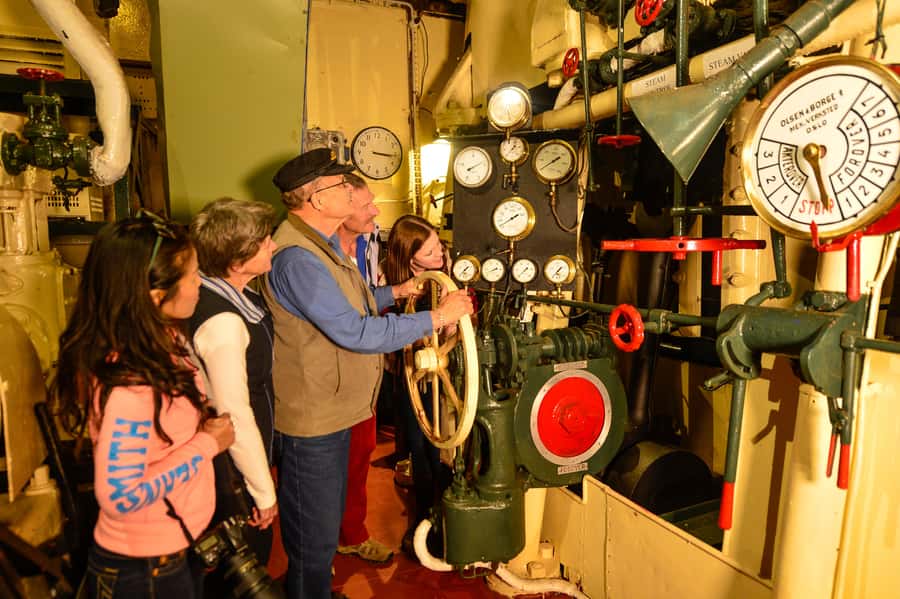
Start with the whale-processing factory, the heart of the attraction. The restored buildings and machinery help you picture the noise, scale, and physical demands of the work far better than a written panel alone.
You can follow informative trails through the site and stop at museum displays filled with authentic whaling artifacts and memorabilia. These objects give the story texture. Instead of hearing only dates and broad facts, you see the tools, equipment, and personal items connected to the industry.
The station is large enough to reward a steady pace. You will want time to read, look closely at the machinery, and connect the factory areas with the wider story of Albany. If you rush in an hour, you will see the main sights but miss much of the context.
The attraction uses sights and sounds to recreate the working atmosphere. That approach may appeal to you if you learn best by seeing real equipment in place. It can also make the history more immediate than a conventional room of framed photographs.
The Cheynes IV whale chaser
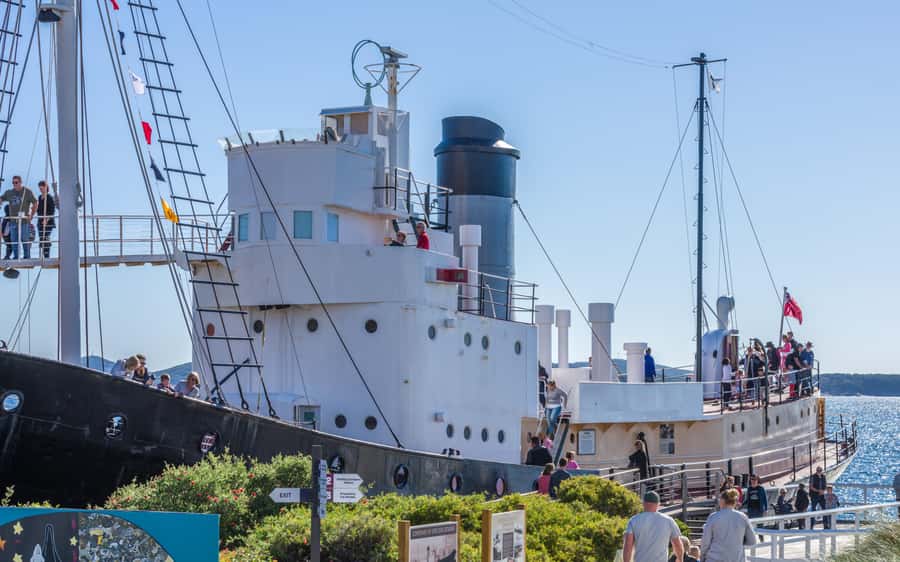
Climbing aboard Cheynes IV is one of the most memorable parts of the visit. It is described as the world’s only preserved whale chaser ship, making it a rare surviving link to the working side of commercial whaling.
The ship gives you a different view of the industry. The factory shows what happened on shore, while Cheynes IV helps explain how whales were pursued at sea. Even if you are not especially interested in ships, the vessel adds scale and movement to the story.
Allow time to look around rather than treating the ship as a quick photo stop. Its value comes from connecting the vessel with the factory and the historical displays. You can begin to understand that whaling depended on a complete chain of work, from the chase offshore to processing on land.
The ship may be especially appealing to families with older children, maritime enthusiasts, and anyone who likes machinery and working vessels. Bare feet are not allowed, so wear proper shoes. Comfortable footwear is a sensible choice for the entire site.
The blue whale skeleton and marine displays
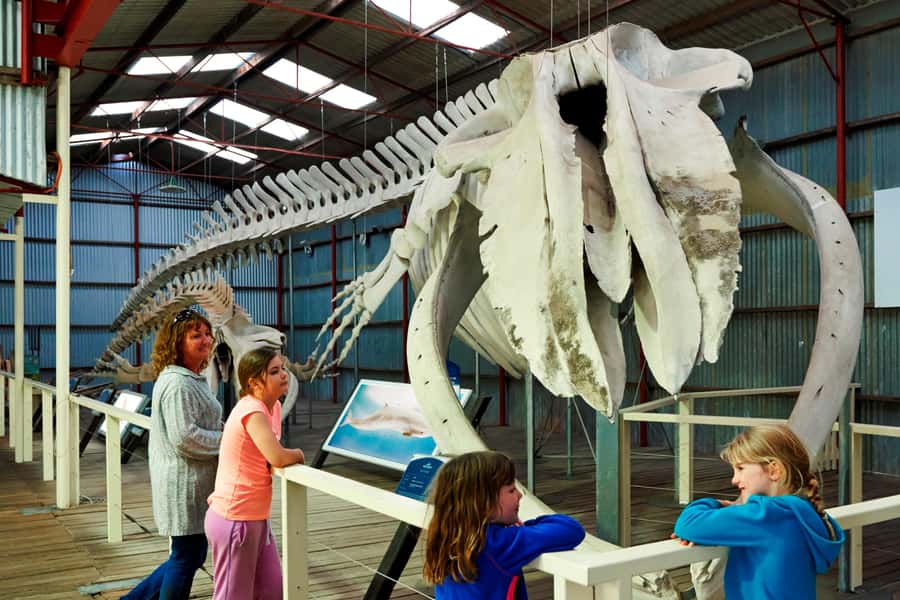
The marine skeleton display supplies the visit’s biggest visual shock. A giant blue whale skeleton shows the true size of the animal in a way that a screen or standard museum photograph cannot.
You can also see the skeleton of a pygmy whale. The sheer size of this display is striking, and it gives children a clear, physical reference point for understanding marine mammals. You may find yourself looking at the bones first with curiosity, then thinking about the animals behind them.
The collection includes marine animal art as well as natural history displays. This broadens the visit beyond whaling machinery and gives you more time with the marine world itself.
The skeletons also change the mood of the attraction. They are scientifically interesting, but they are not neutral decorations. In the setting of a former whaling station, they remind you that these animals were once hunted and killed. I appreciate that the attraction does not remove that uncomfortable link.
Same coast, a completely different day out:
- Sydney: Opera House Guided Tour with Entrance Ticket
★ 4.8 · 8,312 reviews - All Inclusive Blue Mountain,Scenic World,Lunch,Koalas,ferry
★ 5.0 · 7,832 reviews - Great Ocean Road Small-Group Eco Tour from Melbourne
★ 5.0 · 6,607 reviews - From Melbourne: Great Ocean Road, 12 Apostles, Wildlife Tour
★ 4.7 · 6,020 reviews
Films inside the old whale oil tanks
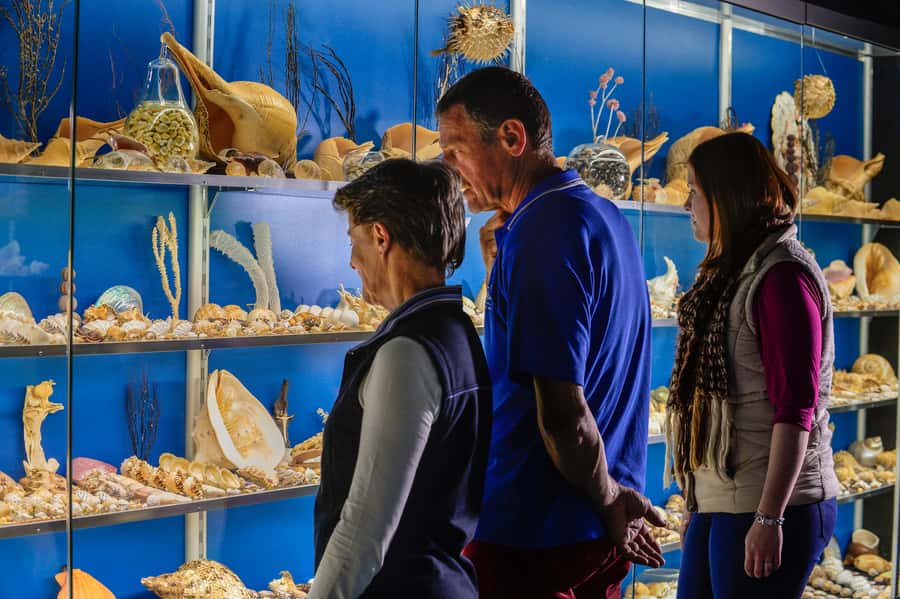
Short films are shown inside converted whale oil tanks, an unusual use of the original site. The setting makes the screening more memorable than watching a film in an ordinary theatre.
One film uses a 3D presentation that can make whales appear to move very close to you. The effect is designed to create a sense of scale and proximity, so you may find it exciting, though younger children or anyone sensitive to strong visual effects might prefer to sit out.
The films help break up the walking route and give you a chance to sit for a while. They also add sound and movement to a site where much of the story is told through objects and machinery.
Do not expect a modern cinema complex. The appeal comes from the combination of short films and historic tanks. You are watching a presentation in a place once tied directly to whale oil production, which gives the stop its unusual character.
Scrimshaw, artifacts, and the human story
The museum areas contain whaling artifacts, memorabilia, and scrimshaw art. Scrimshaw refers to carved artwork traditionally made by sailors from materials such as bone or teeth, and the examples here add a personal, handmade side to the maritime story.
These displays are worth taking slowly. Machinery explains the industry at a practical level, while scrimshaw and personal objects show how people lived with the sea, ships, and whaling culture.
I like this contrast. It keeps the attraction from becoming only a display of industrial equipment. You see the work, the vessels, the animals, and the objects people made or kept.
The English-language presentation is accessible, and the site is designed for a broad age range. A host or greeter is available in English, but the information supplied for the experience does not describe a fixed guided-tour schedule. Plan to explore the exhibitions at your own pace rather than expecting a continuous guide-led walk.
Gardens, wildlife, and a full day outdoors
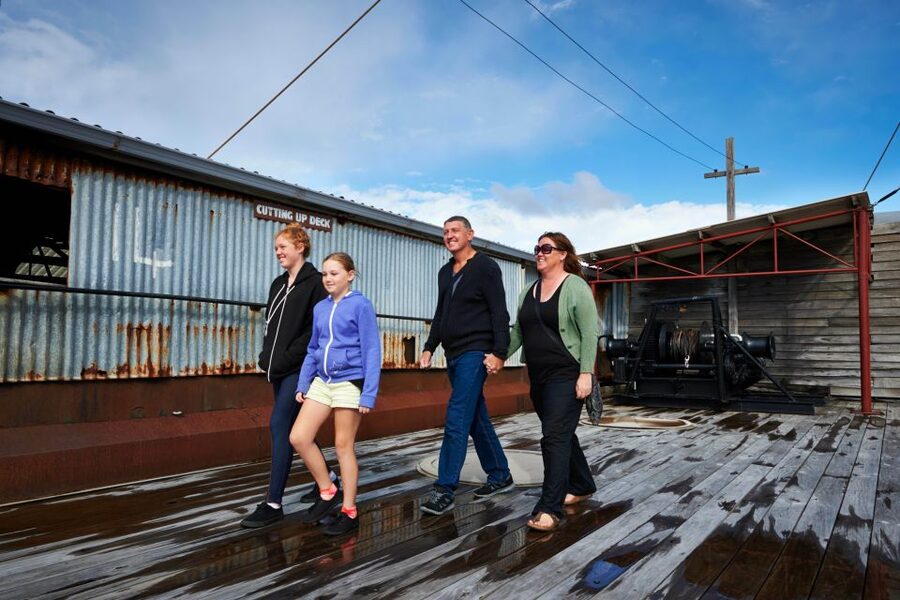
Your entry covers more than the historic station. The Regional Wildflower Garden and Australian Wildlife Park make it possible to turn the visit into a full day rather than a short museum stop.
The garden displays native plants from a region said to contain more than 100,000 native plant species. That number gives you a sense of the botanical variety associated with the area, though the garden itself is best treated as a separate outdoor part of your visit rather than an extension of the factory exhibits.
The gardens can provide a useful change of pace after the darker industrial displays. You can walk outdoors, look at native plants, and give children room to move between indoor exhibitions.
The Australian Wildlife Park adds a family-friendly element, with a collection of native animals. The supplied information does not list the individual species, so I would not plan the visit around seeing a particular animal. Instead, use it as an extra part of the day after the main station.
The gardens and wildlife park open at 10:00 AM, one hour after the Historic Whaling Station. If you arrive right at 9:00 AM, begin with the factory and museum, then move outdoors when the other sections open.
Food, picnics, and practical comfort
A café overlooks one of Albany’s picturesque bays, giving you a place to pause without leaving the attraction. A coffee and scone can be a welcome break during a long morning, and one visit was particularly pleased with that combination.
Free on-site barbecues and a picnic area are included. This matters if you are visiting as a family or want to keep the day’s costs under control. You can make the attraction a longer, slower outing rather than paying for a restaurant meal between exhibits.
The barbecue and picnic facilities also give you more control over timing. You can eat before visiting the gardens, stop after the ship, or take a break when the historical displays begin to feel heavy.
Comfortable shoes are the main item to bring. The experience includes factory spaces, a ship, trails, gardens, and outdoor areas, so flat, secure footwear will serve you better than sandals that leave your feet exposed. Smoking, vaping, and bare feet are not allowed.
The site is wheelchair accessible. The information provided does not specify which individual ship areas, trails, or displays have particular access arrangements, so you may want to confirm details directly if you need access information for a specific section.
How much time should you allow?
Your ticket is valid for one day from first activation, and I would use that flexibility. You can see the main factory and ship in a few hours, but the gardens, wildlife park, films, marine displays, café, and picnic area make a longer visit worthwhile.
A morning arrival gives you the best chance of seeing the historic station before moving outdoors. Since the station opens at 9:00 AM and the garden and wildlife park open at 10:00 AM, an early start fits the site’s opening pattern well.
The pace is up to you. A quick visit can focus on the factory, Cheynes IV, whale skeletons, and oil-tank films. A full day allows time for the museum displays, scrimshaw, gardens, wildlife, food, and pauses between the more serious sections.
The attraction is open seven days a week, except December 25. That makes it a flexible stop during an Albany stay, although you should still check the current opening details before setting out.
Is the $25 entry good value?
At $25 per person, the ticket offers more than access to one museum room. It covers the historic station exhibitions, Cheynes IV, marine displays, Regional Wildflower Garden, Australian Wildlife Park, picnic area, and free barbecues.
That is strong value if you plan to stay for several hours. Families can make particular use of the outdoor sections and picnic facilities, while history fans may spend most of their time in the factory and museum.
The value is weaker if you only want a quick look at a ship or a single whale display. The ticket works best when you treat the site as a day attraction and give yourself time to follow the trails, watch the films, and visit the gardens.
The price also includes the chance to see a rare preserved working vessel and a complete historic whaling station. Those are difficult experiences to duplicate elsewhere, especially when combined with original machinery and a major skeleton display.
Who will enjoy this Albany attraction?
I would recommend the Historic Whaling Station to you if you enjoy:
- Maritime history and preserved ships
- Industrial sites with original machinery
- Natural history and marine mammals
- Family attractions with both indoor and outdoor areas
- Thoughtful museums that address uncomfortable parts of the past
- Flexible visits where you can set your own pace
It suits families because the ship, skeletons, films, wildlife park, and garden offer variety. Older children may connect especially well with the scale of the blue whale skeleton and the physical setting of the factory.
It also suits adults who want more than a scenic stop. The attraction gives Albany’s past a clear local setting and shows how an industry shaped the area.
I would think twice if you dislike confronting historical material involving animal death. The station does not present whaling as a harmless adventure, and some parts may feel sad or disturbing. That is part of the site’s honesty, but it will not suit every mood or every young child.
Should you book Albany’s Historic Whaling Station?
Book it if you want a substantial Albany experience with history, marine life, a preserved ship, films, gardens, and native animals in one place. The $25 price makes sense when you allow most of the day and use the outdoor facilities.
Go early, wear comfortable shoes, and begin with the factory before the gardens and wildlife park open. Save time for Cheynes IV and the blue whale skeleton, then use the café or picnic area to slow down.
I would not choose it only as a quick photo stop. I would choose it for the chance to see a real whaling site while also learning why the industry mattered and why its end mattered too.
FAQ
Where is Albany’s Historic Whaling Station?
The attraction is at 81 Whaling Station Road, Torndirrup, Western Australia 6330.
How much does entry cost?
The listed price is $25 per person.
How long is the ticket valid?
The ticket is valid for one day from first activation.
What does the entry ticket include?
Entry includes all exhibitions at the Historic Whaling Station, the Regional Wildflower Garden, and the Australian Wildlife Park. Free on-site barbecues and a picnic area are also included.
What are the opening hours?
The Historic Whaling Station is open daily from 9:00 AM to 5:00 PM. The Regional Wildflower Garden and Australian Wildlife Park are open daily from 10:00 AM to 5:00 PM.
Is the attraction open every day?
It is open seven days a week, with December 25 listed as the only day of closure.
Is the Historic Whaling Station wheelchair accessible?
Yes, the experience is wheelchair accessible. The available information does not specify access arrangements for each individual exhibit or area.
What should I bring?
Bring comfortable shoes. Smoking, vaping, and bare feet are not allowed.
Just added around Australia
- Morning Cruise on the Murchison River in Kalbarri (April to Nov)★ 5.0 · 91 reviews
- Kalbarri Rock Lobster Tours★ 5.0 · 54 reviews
- Kalbarri Sunset & Coastal Cliff Cruise★ 5.0 · 59 reviews
- Kalbarri Whale Watching Tour Guided★ 5.0 · 35 reviews
- Kakadu National Park Wildlife & Ubirr Rock Art Tour from Darwin★ 4.5 · 101 reviews
- Jervis Bay Whale Watching Tour★ 4.5 · 353 reviews
- Arnhem Land Yingana Injalak Hill Full Day Tour from Jabiru★ 5.0 · 132 reviews
- Jabiru 30 minute Scenic Flight★ 5.0 · 68 reviews
Historical Tours, compared.

Ultimate Melbourne Walking Tour: History, Laneways & Culture
Read our review →
Puffing Billy Railway: Heritage Steam Train Journey
Read our review →
Morning World Heritage Cruise on the Gordon River from Strahan
Read our review →
Strahan: World Heritage Cruise on Gordon River with Lunch
Read our review →

Experience History onboard The Mary Valley Rattler
Read our review →
Snorkel & Dive the Reef: Sustainable, Scientific & Cultural Tour
Read our review →
Derwent River Historic Harbour Cruise From Hobart
Read our review →Browse the lists this tour appears in