Reviewed · TICKETS
Albany: National Anzac Centre Entry Ticket
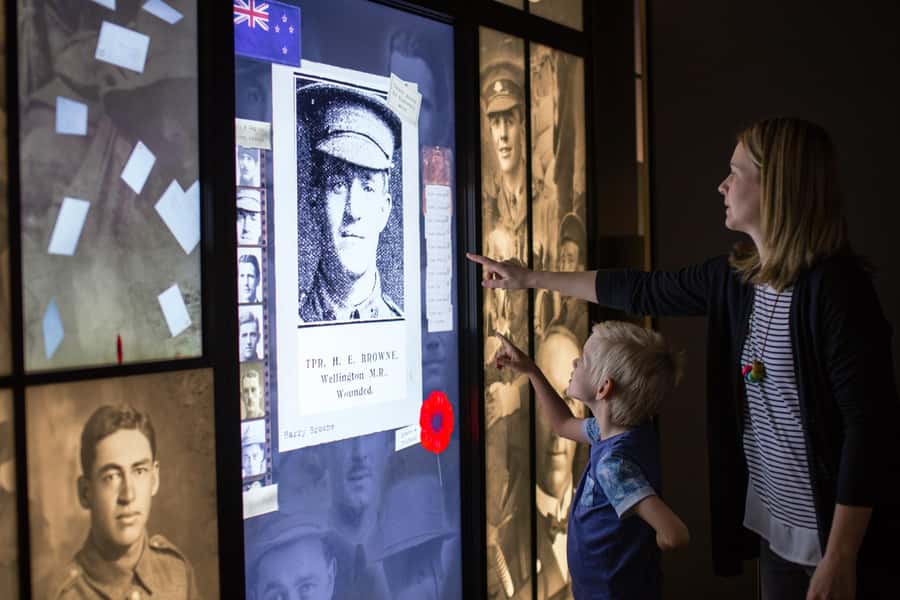
The most powerful part of the National Anzac Centre is its personal approach. Instead of hearing only dates and battle names, you take on the identity of one of 32 actual service men and women and follow that person through recruitment, training, convoy travel, war, and life afterward. I like the way the story grows with you, rather than arriving as a wall of facts.
I also like the interactive audio and film displays, which let you move at your own pace, and the chance to trace a family service record through Australia’s National Archives. The main consideration is the strong war content. This is a serious museum, not a light family attraction, and children aged seven or younger may find it difficult.
In This Review
- Key points to know before you go
- Why Albany is the right place for this story
- Taking on one of 32 real wartime lives
- Interactive displays that do more than decorate the museum
- From recruitment to the convoy departure
- Gallipoli, the Middle East, and the Western Front
- The Pool of Reflections and the final names
- Leave a message at the Tribute Wall
- Adding family research through Australia’s National Archives
- The Princess Royal Fortress history talk
- How long to allow and how to plan the day
- Is the $17 ticket good value?
- Who will get the most from this visit?
- Should you book the National Anzac Centre?
- FAQ
- How much does entry to the National Anzac Centre cost?
- How long should I allow for the experience?
- Where do I meet for the visit?
- What are the opening hours?
- Can I leave and return on the same day?
- Is the National Anzac Centre suitable for young children?
- Is the experience wheelchair accessible?
- Can I cancel my booking?
Key points to know before you go
- Follow one real life through World War I: Choose a service man or woman and discover that person’s fate at the end.
- See Albany’s place in the Anzac story: The first convoy left King George Sound on 1 November 1914.
- Use the museum at your own pace: Audio, film, rare images, artifacts, and interactive stations let you spend more time on the subjects that matter to you.
- Visit the Pool of Reflections: The names of 41,265 service men and women who left Albany in the first and second convoys appear beneath the water.
- Add your own tribute: The final Tribute Wall gives you a place to record a message or reflection.
- Allow at least two hours: Your ticket also includes a history talk about the Princess Royal Fortress complex.
Why Albany is the right place for this story
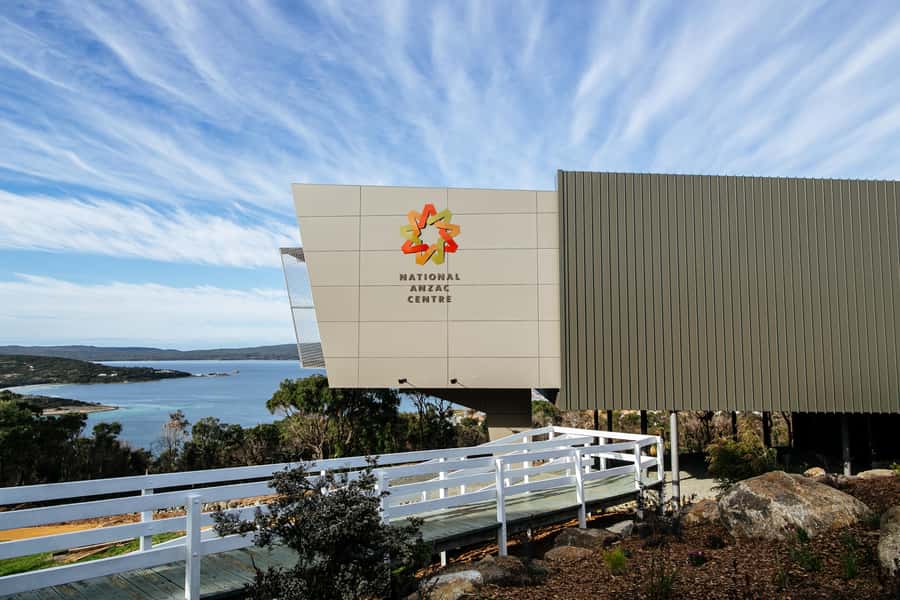
The National Anzac Centre sits inside the Princess Royal Fortress, above King George Sound. That setting matters. On 1 November 1914, the first convoy of Australian and New Zealand troops left from this waterway for the First World War.
For many of those men and women, Albany was the last Australian soil they saw. You are not simply visiting a war museum in an unrelated town. You are standing at the departure point for a major part of Australia and New Zealand’s wartime story.
The museum is also connected with the first documented Anzac Day Dawn Service in Australia. That gives the site a second layer of meaning. The story begins with departure, but it also reaches into the later ceremonies and memories that shaped the Anzac tradition.
Before entering, park in the main carpark and walk to the National Anzac Centre entrance. You do not need hotel transfers, and the experience is designed as a self-guided museum visit with a history talk about the wider fortress complex.
A few more Australia trips to weigh up
- Sydney: Opera House Guided Tour with Entrance Ticket
★ 4.8 · 8,312 reviews - Sydney: Taronga Zoo Tickets
★ 4.6 · 1,551 reviews - From Brisbane: Australia Zoo Transfer and Entry Ticket
★ 4.9 · 1,539 reviews
Taking on one of 32 real wartime lives
At the start, you assume the identity of one of 32 actual service men or women. The museum then uses that person as your thread through the exhibition.
This is a smart way to handle a large subject. World War I involved huge armies, many countries, and several fronts. A long list of battles can blur together. Following one individual gives the events a human scale. You see recruitment and training first, then embarkation, life aboard the convoy, combat, and the post-war outcome for those who returned.
The stories cover Gallipoli, the Middle East, and the Western Front. That broad coverage helps you understand that the Anzac story was not limited to one landing or one battlefield. The experience follows the people across different stages of service and shows that the war continued to affect lives after the fighting ended.
You do not need to rush from one station to the next. The audio commentary allows you to listen at your own speed, which is useful if you want to spend extra time with a particular story. One of the best features is that you can pause and consider the material instead of being pushed through a fixed tour script.
The outcome of your chosen character is held until the end. That creates a quiet sense of anticipation. When the museum reveals each person’s fate, the earlier details become more personal. If you prefer a quick, chronological overview, this format may feel slower than expected. If you want to connect with an individual story, it works very well.
Interactive displays that do more than decorate the museum

The National Anzac Centre uses multimedia for a clear reason: to bring personal voices and wartime choices closer to you.
You can expect audio commentary, film, rare photographs, artifacts, and interactive displays. The material is presented around the experiences of the people who served, rather than as a simple display of military objects.
I especially like the self-paced structure. You can listen carefully to a story, move on when you are ready, or return to a subject that catches your attention. This suits people who enjoy museums but dislike being tied to a large group’s schedule.
The technology is not the whole point. It gives shape to the human stories. A photograph or artifact can feel distant when viewed on its own. When connected to a person’s recruitment, convoy journey, or family life, it carries more weight.
The tone is solemn. The museum deals with death, separation, battle, and the difficult return to ordinary life. There is no need to force young children through it simply because the site is a popular attraction. Children under five are allowed in free, but the museum is not generally recommended for children seven or younger because of its strong war themes.
From recruitment to the convoy departure
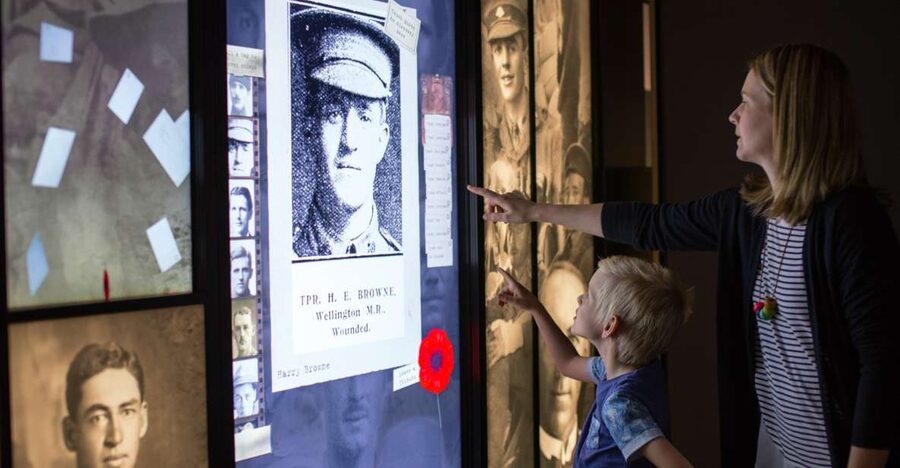
The early part of the experience follows recruitment and training. These sections help set up the choices faced by the people whose identities you have taken on.
The story then moves to embarkation and shipboard life. This is an important stage because Albany’s role was not only symbolic. The convoys physically gathered and departed from King George Sound, carrying Australian and New Zealand troops toward the war.
The museum lets you connect the personal story with the wider movement of the convoy. A person who had recently been living in Australia was suddenly part of a huge overseas military effort. Albany was the final familiar point for many of them.
This is where the visit benefits from taking your time. Do not treat the first sections as background to skip before the battle material. Recruitment, training, and the convoy journey explain how ordinary lives were changed before the first fighting began.
Same coast, a completely different day out:
- All Inclusive Blue Mountain,Scenic World,Lunch,Koalas,ferry
★ 5.0 · 7,832 reviews - Great Ocean Road Small-Group Eco Tour from Melbourne
★ 5.0 · 6,607 reviews - From Melbourne: Great Ocean Road, 12 Apostles, Wildlife Tour
★ 4.7 · 6,020 reviews - Ocean Rafting: Whitehaven Beach, Snorkelling & Hill Inlet Lookout
★ 5.0 · 4,777 reviews
Gallipoli, the Middle East, and the Western Front
The central war sections cover the major settings linked with the Anzac experience: Gallipoli, the Middle East, and the Western Front.
The value here is the connection between place and personal fate. You are not only learning that these campaigns happened. You are following what they meant for the individual you selected at the beginning.
The museum’s use of film, photographs, audio, and artifacts gives each section several ways into the story. You might respond most strongly to a spoken account, a rare image, or a physical object. Since you control the pace, you can give each part the attention it deserves.
The subject matter can be emotionally heavy. That is not a flaw, but it is something to plan for. This is a museum for reflection, and you should not expect a cheerful or fast-moving attraction. I would avoid scheduling it between several rushed activities. Give yourself room afterward to process what you have seen.
The Pool of Reflections and the final names
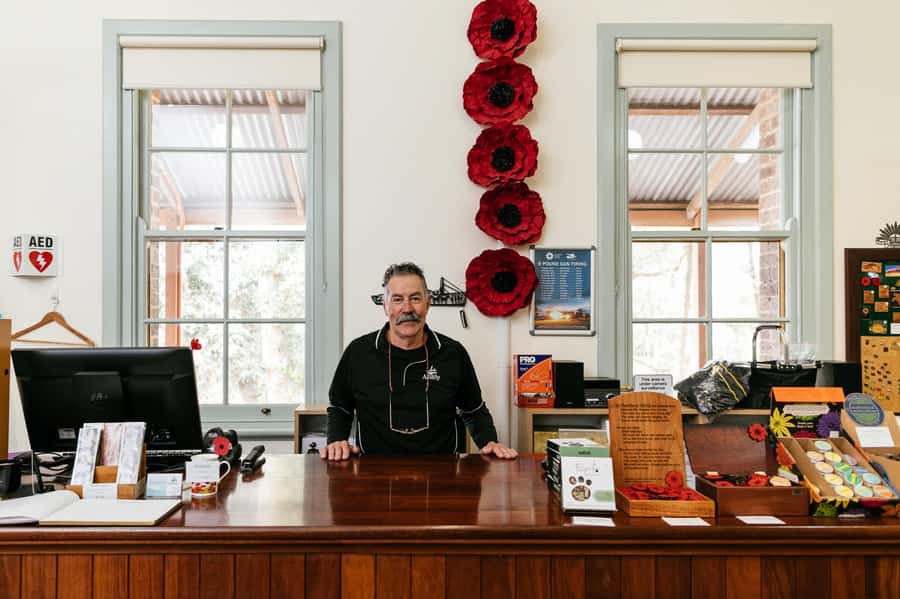
Near the close of the museum experience, the names of 41,265 service men and women who left Albany in the first and second convoys appear beneath a Pool of Reflections.
This is one of the most memorable parts of the visit because the scale changes. You have spent much of the exhibition following one person. Suddenly, you are reminded of the many thousands who shared the departure from Albany.
The water and names create a quieter ending than a conventional final display. Take a moment here rather than walking straight through. The museum has moved from one life to a large group, without losing the personal focus established at the start.
The chosen character’s fate is also revealed as the story closes. That final discovery gives your visit a clear emotional shape. You start with a name and identity, follow the person through the war, then learn what happened afterward.
Leave a message at the Tribute Wall
The experience finishes at an interactive Tribute Wall. You can document your feelings and leave a message for the Anzacs.
This is optional, but it gives you a useful pause after the historical material. You are not required to write anything, and you can simply read the space and move on. For many people, though, putting a thought into words helps mark the end of the visit.
The Tribute Wall also keeps the museum from ending only with statistics. It asks you to consider how the stories connect with the present. That is a fitting final step after seeing the names of the men and women who departed Albany.
Adding family research through Australia’s National Archives
If you have a family connection to Australian military service, set aside time to trace a service record through Australia’s National Archives.
This can change the visit from a general history lesson into family research. Even if you do not know exactly what you are looking for, the archive connection gives you a practical way to explore a name, unit, or relative linked to service.
You should bring any family details you already have, such as a full name or other identifying information, if you plan to research. The available information confirms that the museum supports this kind of service-record search, but it does not promise a result for every family.
For anyone with an Australian or New Zealand military connection, this is one of the most useful parts of the visit. You can learn about the wider Anzac story, then see if your own family fits somewhere within it.
The Princess Royal Fortress history talk
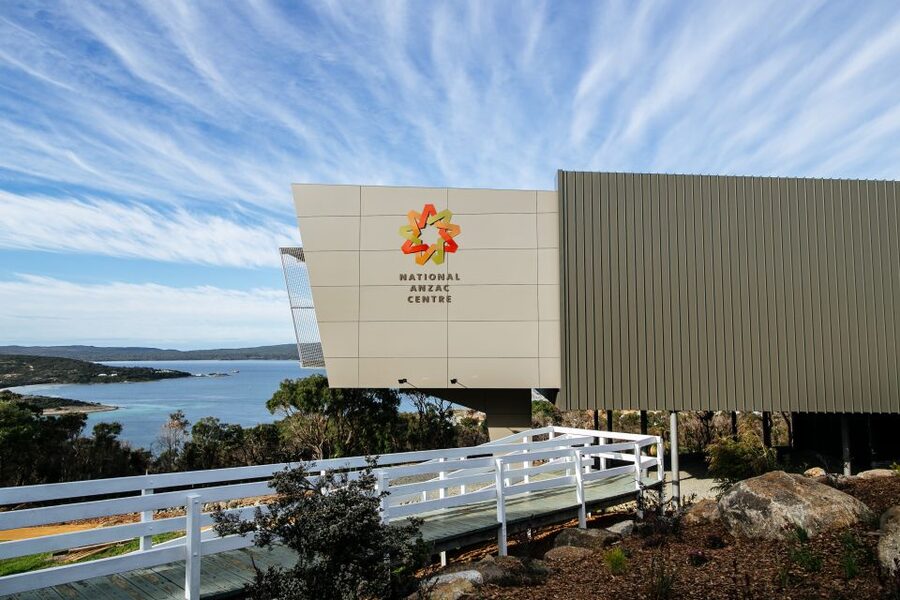
Your admission includes a history talk about the Princess Royal Fortress complex, and you can also take a free guided tour of the forts.
This adds context beyond the museum’s World War I stories. The National Anzac Centre explains the people and events connected with the convoys, while the fortress helps you understand the defensive setting around King George Sound.
Check the day’s available starting times when you plan your visit. The ticket is valid for the full calendar day, so you can leave and return multiple times on the date shown on your ticket. That flexibility makes it possible to visit the museum, take the fortress talk, and spend time outside without cramming everything into one continuous session.
You should wear comfortable shoes. Bring an umbrella as well, since the fortress visit may involve outdoor areas and the weather can change. Smoking and drones are not allowed.
How long to allow and how to plan the day
The official advice is to allow at least two hours for the National Anzac Centre experience. I would treat that as a minimum if you intend to listen to the stories, examine the artifacts, use the interactive displays, and visit the final memorial spaces.
Your ticket lasts for the full calendar day of issue. You may exit and re-enter several times during that day, which is useful if you need a break from the serious subject matter or want to fit the fortress talk around the museum visit.
The centre opens every day of the year, including public holidays, except Christmas Day. Opening hours are 9:00 AM to 5:00 PM, with last entry at 4:00 PM.
Because the host or greeter language is English, you should be comfortable following English audio and written material. No other language option is specified.
Is the $17 ticket good value?
At $17 per person, the ticket offers solid value if you give the museum enough time. You receive entry to the National Anzac Centre, access to the interactive exhibits, the family service-record research feature, the Tribute Wall, and a history talk about the Princess Royal Fortress complex.
The price is especially reasonable for visitors who plan to spend a half day at the site rather than make a quick stop. You are paying for a structured historical experience, not just entry to a room of static displays.
The value is lower if you dislike audio exhibits, interactive technology, or serious military history. It is also less suitable if you are looking for a short attraction to occupy very young children.
I would compare it with the time you might spend at other paid attractions in Albany. Two hours or more at $17 is a fair exchange, especially because the story is closely tied to the actual departure point at King George Sound. The ticket also allows re-entry during the day, which adds practical value.
Free cancellation up to 24 hours before the scheduled visit and a reserve-now, pay-later option make planning less risky. These conditions are useful if your Albany plans depend on weather or changing sightseeing times.
Who will get the most from this visit?
I recommend the National Anzac Centre to adults, older children, families with a clear interest in military history, and anyone researching an Australian or New Zealand service connection.
It is also a strong choice if you want more than a standard museum overview. The one-person format gives you a personal route through the larger story, while the fortress setting and convoy departure point make Albany an important part of the visit.
You may want to skip it if you have very young children, limited time, or little interest in war history. The material is not designed as a playful attraction, and the emotional tone remains serious throughout.
Bring comfortable shoes, plan for at least two hours, and consider adding the fortress talk. The museum is best approached slowly, with enough time to listen and reflect.
Should you book the National Anzac Centre?
Yes, if you want a thoughtful Albany experience tied directly to the departure of the first Anzac convoy. The interactive structure, 32 personal stories, archive research, Pool of Reflections, and Tribute Wall give the visit a clear human focus.
Book it if you value personal storytelling and can give it a proper block of time. Think twice if you need a child-friendly attraction for young children or prefer a brief, lighthearted sightseeing stop. At $17, it is a strong-value choice for history-minded visitors who want to understand why Albany holds such an important place in the Anzac story.
FAQ
How much does entry to the National Anzac Centre cost?
Entry costs $17 per person.
How long should I allow for the experience?
You should allow at least two hours for the National Anzac Centre experience. You can spend longer if you want to listen to more stories, research service records, visit the Tribute Wall, and join the fortress history talk.
Where do I meet for the visit?
Park in the main carpark and proceed to the entrance at the National Anzac Centre.
What are the opening hours?
The centre is open daily from 9:00 AM to 5:00 PM, including public holidays, except Christmas Day. Last entry is at 4:00 PM.
Can I leave and return on the same day?
Yes. The ticket is valid for the full calendar day shown on the ticket, and you may exit and re-enter multiple times that day.
Is the National Anzac Centre suitable for young children?
Children under five are permitted free of charge, but the centre is not generally recommended for children aged seven or younger because of its strong war themes.
Is the experience wheelchair accessible?
Yes, the National Anzac Centre experience is wheelchair accessible.
Can I cancel my booking?
Yes. You can cancel up to 24 hours in advance for a full refund. A reserve-now, pay-later option is also available.
Just added around Australia
- Morning Cruise on the Murchison River in Kalbarri (April to Nov)★ 5.0 · 91 reviews
- Kalbarri Rock Lobster Tours★ 5.0 · 54 reviews
- Kalbarri Sunset & Coastal Cliff Cruise★ 5.0 · 59 reviews
- Kalbarri Whale Watching Tour Guided★ 5.0 · 35 reviews
- Kakadu National Park Wildlife & Ubirr Rock Art Tour from Darwin★ 4.5 · 101 reviews
- Jervis Bay Whale Watching Tour★ 4.5 · 353 reviews
- Arnhem Land Yingana Injalak Hill Full Day Tour from Jabiru★ 5.0 · 132 reviews
- Jabiru 30 minute Scenic Flight★ 5.0 · 68 reviews
Tickets, compared.