
Reviewed · HISTORICAL TOURS
Albany’s Historic Whaling Station Admission Ticket
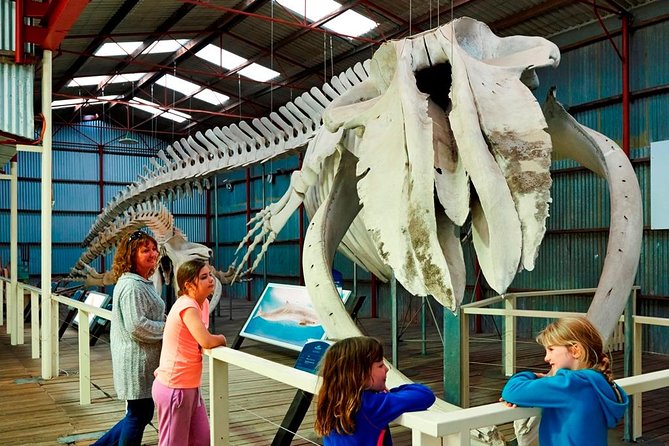
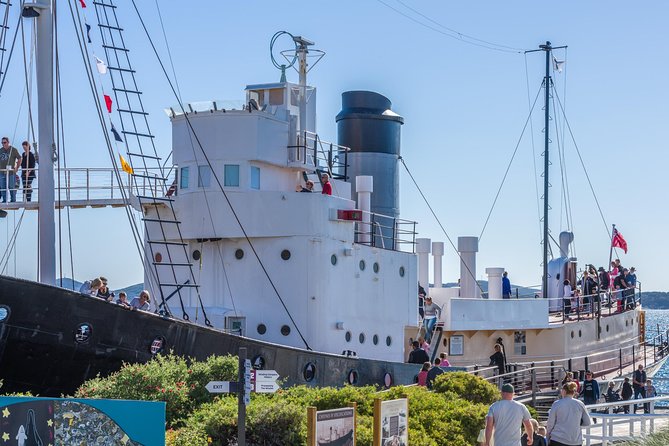
Albany’s Historic Whaling Station puts you inside a former whale-processing site, where converted whale-oil tanks now hold short films and exhibits. You can also board the Cheynes IV, the only preserved whale chaser ship in the world, then stand beneath the skeleton of a blue whale.
I like the freedom to set your own pace, and I like the mix of hard history, shipboard exploration, art, and wildlife displays. The main consideration is that the subject can be confronting, and wet or windy weather may shorten your visit, especially because some of the site is outdoors.
In This Review
- Key points to know before you go
- Why Albany’s whaling station matters
- The 20-minute trip from Albany CBD
- Entering the former whale-processing centre
- Boarding the Cheynes IV
- Seeing a blue whale skeleton up close
- Marine animal art and scrimshaw
- A small Australian wildlife area and bay views
- Using the flower-garden BBQ facilities
- How much time should you allow?
- Is the $26.49 ticket good value?
- Who will enjoy this most?
- Booking flexibility and practical planning
- Should you book Albany’s Historic Whaling Station?
- FAQ
- How long does a visit to Albany’s Historic Whaling Station take?
- Where is Albany’s Historic Whaling Station?
- What are the opening hours?
- Is the visit guided?
- Can I board the Cheynes IV?
- What major displays are included?
- Is food included with admission?
- Is the attraction suitable in bad weather?
- Can I cancel my ticket for a refund?
Key points to know before you go
- The whale-oil tanks now serve as unusual viewing spaces for short films about the whaling industry.
- The Cheynes IV is the star attraction, a preserved whale chaser ship you can explore.
- A giant blue whale skeleton gives the history a powerful physical scale.
- The visit is self-guided, so you can move quickly or spend several hours with the displays.
- Free BBQ facilities are available in the flower garden, while food and drinks are not included.
- A 20-minute drive from Albany CBD makes this an easy half-day outing rather than a quick stop in town.
Why Albany’s whaling station matters
Albany’s Historic Whaling Station presents a difficult part of regional history without hiding its rough edges. Whaling was a major local industry, and this former processing centre lets you see the machinery, objects, working spaces, and habits connected with it.
That physical setting matters. Instead of viewing the subject only through labels in a modern gallery, you move through a place built for the industry itself. The whale-oil tanks, processing areas, artifacts, and old ship all help explain how large and practical the operation once was.
I think this is most useful if you want history with a strong sense of place. You are not simply reading about Albany’s past. You are looking at the tools and spaces tied to it, while also seeing how the site now presents marine life, art, and conservation-minded interpretation.
The topic is not light entertainment. The displays may feel confronting, particularly when you consider the scale of the animals and the work carried out at the station. That is part of the value, but it also means the attraction will not suit everyone in the same way.
A few more Australia trips to weigh up
- Ultimate Melbourne Walking Tour: History, Laneways & Culture
★ 5.0 · 1,451 reviews - Puffing Billy Railway: Heritage Steam Train Journey
★ 4.6 · 1,195 reviews - Morning World Heritage Cruise on the Gordon River from Strahan
★ 5.0 · 1,193 reviews
The 20-minute trip from Albany CBD
The station is about a 20-minute scenic drive from Albany CBD. You need to arrange your own transport, since the admission ticket covers entry and activities but not transfers.
That short drive makes the site easy to add to a day around Albany. It is long enough to feel like a separate outing, but not so long that you need to plan an entire day around getting there. Allow roughly two to three hours at the station, then add driving time.
Opening hours are 9:00 a.m. to 5:00 p.m., every day. Arriving earlier gives you more room for the indoor exhibits, ship, films, and outdoor areas without having to rush near closing time.
The weather deserves attention. The station operates in all weather conditions, but the experience can feel very different on a wet or windy day. Wear suitable clothing, and do not assume that every part of the visit will be comfortable outdoors.
Entering the former whale-processing centre
Begin with the museum displays and original industrial setting. You can examine authentic whaling artifacts and memorabilia, then move through the exhibits in whatever order makes sense to you.
Because there is no fixed guided route, you have control over the visit. If a display catches your interest, you can stay with it. If you are travelling with children or have limited time, you can focus on the largest attractions first.
The short films shown inside the converted whale-oil tanks are a particularly unusual part of the visit. The tanks give the films a direct link to the work once carried out on the site. You are not watching from a generic theatre. You are standing in structures that were part of the station.
I would give the films your attention rather than treating them as background material. They help connect the objects around you with the daily operation of the whaling industry. For younger visitors, this can also break up the reading and make the subject easier to follow.
Boarding the Cheynes IV
The Cheynes IV is the clearest reason to make the trip. It is described as the world’s only preserved whale chaser ship, and boarding it gives you a better sense of the vessels used in the industry than a photograph ever could.
A ship is a practical historical object. Its spaces show the working side of whaling, not just the finished products or official dates. As you move aboard, you can think about the crew, the equipment, and the demanding conditions connected with a whale-chasing vessel.
The ship also gives the visit a welcome change of scale. The station’s tanks and processing areas are heavy and industrial. The Cheynes IV shifts the story out to sea, where the hunt began and where the crews worked from a moving platform.
Take your time aboard, but remember that this is a historic ship rather than a modern attraction built for effortless access. The experience requires a moderate level of physical fitness. Children must be accompanied by an adult, and you should dress sensibly for the weather.
Same coast, a completely different day out:
- Sydney: Opera House Guided Tour with Entrance Ticket
★ 4.8 · 8,312 reviews - All Inclusive Blue Mountain,Scenic World,Lunch,Koalas,ferry
★ 5.0 · 7,832 reviews - Great Ocean Road Small-Group Eco Tour from Melbourne
★ 5.0 · 6,607 reviews - From Melbourne: Great Ocean Road, 12 Apostles, Wildlife Tour
★ 4.7 · 6,020 reviews
Seeing a blue whale skeleton up close
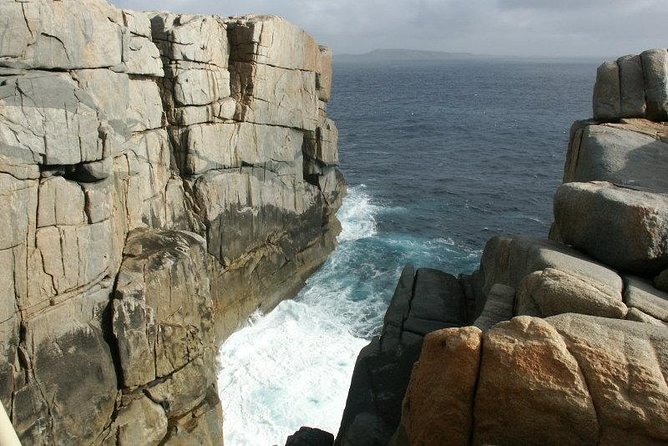
The giant blue whale skeleton is one of the most memorable sights at the station. A blue whale is difficult to imagine from a picture alone. Seeing the bones arranged in front of you gives the animal a scale that numbers cannot match.
This display also changes how you read the rest of the site. The tanks, ship, tools, and industry suddenly relate to an enormous living creature. The skeleton makes the human side of the story feel more concrete, and perhaps more uncomfortable.
I find that this is the point where the station moves beyond a simple collection of old objects. You begin to consider the size of the animals involved and the impact of the industry. It is a strong visual lesson, even if you spend only a few minutes with it.
Marine animal art and scrimshaw
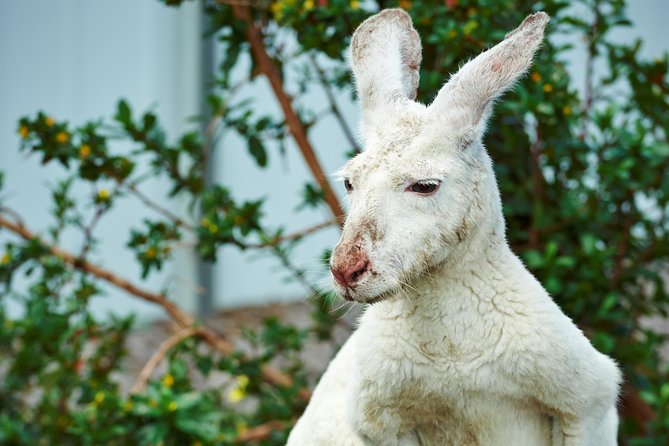
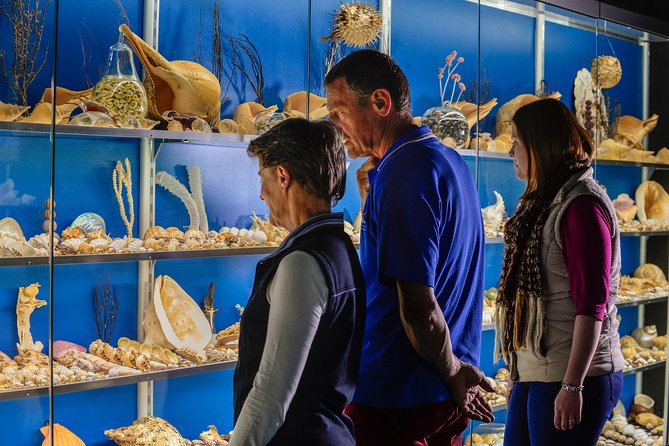
The station includes a world-renowned collection of marine animal art and a collection of precious scrimshaw art. These displays broaden the visit beyond industrial history.
Scrimshaw is especially relevant to a whaling museum because it connects maritime life with the personal art made by sailors and whalers. The pieces can show another side of life at sea, one based on patience, craft, and personal expression rather than machinery.
The marine animal art also helps balance the more confronting sections. You still learn about the whaling industry, but you are also given time to look at marine life through an artistic lens.
Do not rush these collections simply because the ship and blue whale skeleton are the obvious highlights. They offer quieter viewing and can be a good change of pace after the heavier historical displays.
A small Australian wildlife area and bay views
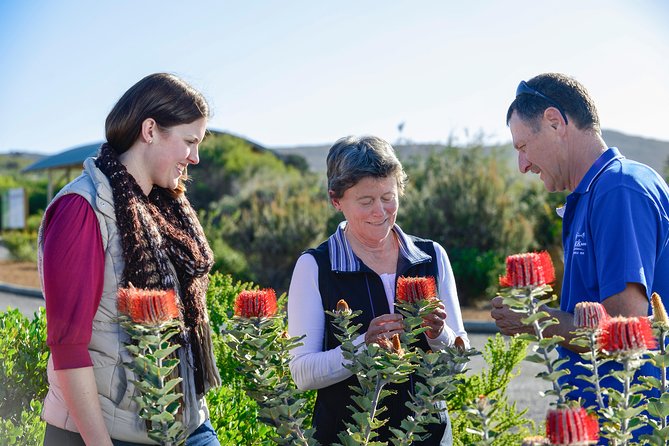
The site also includes a small Australian wildlife enclosure. It adds variety, especially if you are visiting with children or want something beyond whaling artifacts.
The wildlife area is not the main reason to buy the ticket, so I would treat it as an extra rather than a full animal park. Its value is in adding local Australian wildlife to a visit focused mainly on marine history and industry.
There is also a café overlooking one of Albany’s picturesque bays. Food and drinks are not included in the admission price, but the café gives you a place to pause if you need a break from the exhibits.
The bay setting is one of the pleasant contrasts of the visit. The subject matter can be grim, while the surrounding location offers a quieter place to sit and take stock. If the weather is poor, outdoor enjoyment may be limited, so plan your café stop with that in mind.
Using the flower-garden BBQ facilities
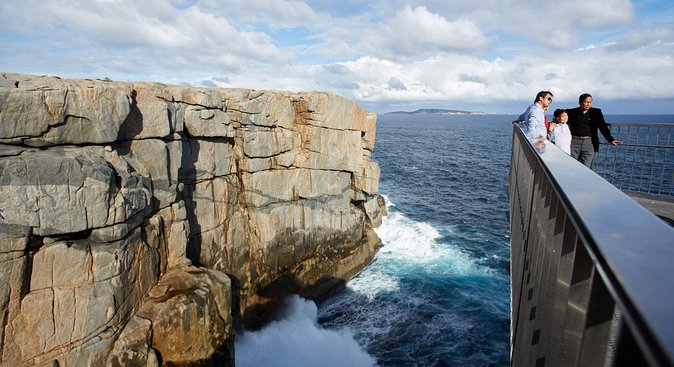
Free BBQ facilities are available in the flower garden. Food is not included, and lunch is not part of the ticket, but the BBQ option can help families or small groups turn the visit into a longer outing.
This is useful if you are trying to control costs. The ticket is for admission, while the BBQ gives you a practical way to bring your own meal rather than buying food on site.
Do check the weather before planning around it. A windy or wet day may make an outdoor lunch less appealing, and the visit itself may take closer to two hours rather than three.
How much time should you allow?
The suggested visit length is two to three hours. I would allow the full three hours if you want to watch the films, read the displays, explore the Cheynes IV, examine the art collections, see the skeleton, and spend time in the wildlife area or café.
Two hours can work if you focus on the major sights. Start with the whale chaser, blue whale skeleton, and whale-oil tanks, then fit in the museum displays and art if time allows.
The self-guided format makes this flexible. You are not tied to a departure time or a guide’s set route. That is helpful for families, photographers, history enthusiasts, and anyone combining the station with other Albany sights.
The drawback is that self-guided visits require you to manage your own attention. There is no guide listed to explain the sequence or answer questions as you go. If you prefer a structured tour with live commentary, this admission ticket may feel less satisfying.
Is the $26.49 ticket good value?
At $26.49 per person, the ticket offers reasonable value if you use the site as a full half-day attraction. You are paying for access to the former processing centre, the films, the ship, the blue whale skeleton, the art collections, wildlife displays, and other exhibits.
The value depends on how long you stay. A quick walk through the main areas will make the ticket feel less worthwhile. Spend two to three hours with the displays, though, and the range of material gives you plenty to examine.
The self-guided format also helps you decide what the ticket is worth to you. You can concentrate on the industrial history, focus on marine life and art, or make the ship the centre of your visit.
Food, drinks, lunch, and transport are extra. The free BBQ facilities soften those additional costs if you bring your own food. GST and all listed activities are included in the admission price.
Who will enjoy this most?
I would recommend the station to you if you enjoy unusual museums, maritime history, industrial heritage, or places that show how a region once made its living. It works particularly well for people who prefer real objects and historic spaces over polished entertainment.
Families can also get plenty from the visit, thanks to the ship, films, skeleton, wildlife area, and freedom to move at their own pace. Children must stay with an adult, and the subject may need a little explanation depending on their age.
You should think twice if you are sensitive to whaling displays or want a light, purely scenic attraction. The bay views and flower garden offer softer moments, but the history remains central.
A moderate level of physical fitness is advised. The attraction operates in all weather, so comfortable clothing and sensible footwear are practical choices. On a fine day, you can take better advantage of the outdoor setting and BBQ area. On a wet or windy day, plan for a shorter stay or spend more time with the indoor material.
Booking flexibility and practical planning
The ticket offers free cancellation when you cancel at least 24 hours before the experience start time. Inside that 24-hour window, you should expect no refund, and changes made during that period are not accepted.
That policy gives you some room if your Albany plans are still taking shape. It does not protect you from last-minute changes, so check the local time and weather before the cutoff.
One useful point comes from the way the attraction handled a missed booking date: a visitor was allowed to use the ticket several days later. That suggests the staff can sometimes be accommodating, but you should not treat a date change as guaranteed. Contact the provider as early as possible if your plans change.
Should you book Albany’s Historic Whaling Station?
Book it if you want a substantial Albany outing with a clear sense of place. The preserved Cheynes IV, converted whale-oil tanks, blue whale skeleton, and authentic artifacts give the visit more weight than a standard museum stop.
I especially recommend it for anyone who wants to understand the region’s whaling past rather than simply look at coastal scenery. Allow three hours, go in with an open mind, and give the films and original spaces enough time to explain the story.
Skip it if you are looking only for a quick attraction or if the subject of whaling is likely to make the visit unpleasant. For most curious visitors, though, the combination of difficult history, marine art, wildlife, and a real whale chaser makes the $26.49 admission a fair buy.
FAQ
How long does a visit to Albany’s Historic Whaling Station take?
The visit takes approximately two to three hours, depending on how much time you spend with the films, artifacts, ship, art collections, wildlife area, and other displays.
Where is Albany’s Historic Whaling Station?
The station is located in Albany, Australia, about a 20-minute scenic drive from Albany CBD.
What are the opening hours?
The station is open daily from 9:00 a.m. to 5:00 p.m. for the stated operating period from July 1, 2025, through June 30, 2027.
Is the visit guided?
No. The experience is self-guided, so you can explore the museum, ship, films, and exhibits at your own pace.
Can I board the Cheynes IV?
Yes. Admission includes access to the Cheynes IV, described as the only preserved whale chaser ship in the world.
What major displays are included?
You can see converted whale-oil tanks with short films, a giant blue whale skeleton, marine animal art, scrimshaw art, whaling artifacts, memorabilia, and a small Australian wildlife enclosure.
Is food included with admission?
No. Food, drinks, and lunch are not included. A café is available on site, and free BBQ facilities can be used in the flower garden.
Is the attraction suitable in bad weather?
The station operates in all weather conditions, but you should dress appropriately. Wet or windy conditions may make the outdoor parts less comfortable.
Can I cancel my ticket for a refund?
Yes, if you cancel at least 24 hours before the experience start time. Cancellations made less than 24 hours in advance are not refunded, and changes within that period are not accepted.
Just added around Australia
- Morning Cruise on the Murchison River in Kalbarri (April to Nov)★ 5.0 · 91 reviews
- Kalbarri Rock Lobster Tours★ 5.0 · 54 reviews
- Kalbarri Sunset & Coastal Cliff Cruise★ 5.0 · 59 reviews
- Kalbarri Whale Watching Tour Guided★ 5.0 · 35 reviews
- Kakadu National Park Wildlife & Ubirr Rock Art Tour from Darwin★ 4.5 · 101 reviews
- Jervis Bay Whale Watching Tour★ 4.5 · 353 reviews
- Arnhem Land Yingana Injalak Hill Full Day Tour from Jabiru★ 5.0 · 132 reviews
- Jabiru 30 minute Scenic Flight★ 5.0 · 68 reviews
Historical Tours, compared.

Ultimate Melbourne Walking Tour: History, Laneways & Culture
Read our review →
Puffing Billy Railway: Heritage Steam Train Journey
Read our review →
Morning World Heritage Cruise on the Gordon River from Strahan
Read our review →
Strahan: World Heritage Cruise on Gordon River with Lunch
Read our review →

Experience History onboard The Mary Valley Rattler
Read our review →
Snorkel & Dive the Reef: Sustainable, Scientific & Cultural Tour
Read our review →
Derwent River Historic Harbour Cruise From Hobart
Read our review →Browse the lists this tour appears in