
Reviewed · ULURU & OUTBACK TOURS
Alice Springs Desert Park General Entry Ticket
Central Australia can look stark at first glance, but Alice Springs Desert Park quickly shows you how much life hides in the desert. You’ll follow paths through woodland, sand, and river habitats, then watch birds of prey work the air and spot rare night animals in the Nocturnal House.
I like the naturalized enclosures, which give you a better sense of how animals live than a row of small cages. I also like the Arrernte stories and staff talks, especially presentations such as Reuben’s, which connect plants, animals, people, and country.
The main drawback is that you must make your own way there, and the $16 entry does not cover food, electric scooters, or extra animal encounters. The visit is self-guided, so you’ll get more from it if you check the daily program and plan your route.
In This Review
- Key points to know before you go
- Why Alice Springs Desert Park is worth your time
- Start with the woodland, sand, and river trail
- The Nocturnal House changes the pace
- Make time for the free-flying bird show
- Look into the waterhole aquarium
- Hear Arrernte stories tied to country
- Plan three hours or make a full day of it
- Getting there and handling the practical details
- Who will enjoy this park most
- Small details that make the visit better
- Should you book the Alice Springs Desert Park ticket?
- FAQ
- How long should I allow for Alice Springs Desert Park?
- What is included in the $16 ticket?
- Is the visit guided or self-guided?
- What animals can I see in the Nocturnal House?
- Does the park have a bird show?
- Can I learn about Aboriginal culture at the park?
- Is transportation to the park included?
Key points to know before you go

- Three desert habitats: Follow one walking trail through woodland, sand country, and desert rivers.
- Free-flying bird show: The outdoor amphitheater presentation is one of the park’s strongest highlights.
- Rare night animals: The Nocturnal House may reveal bilbies and carnivorous ghost bats.
- Arrernte culture: Daily presentations explain Aboriginal traditions and Dreamtime connections to the land.
- Flexible timing: You can make a quick three-hour visit or spend up to eight hours with talks, exhibits, and breaks.
- Useful extras: The park has a café, picnic and BBQ area, gift shop, and electric scooters for hire.
Why Alice Springs Desert Park is worth your time
Alice Springs Desert Park works best as an introduction to Central Australia. You do not simply look at an animal and read its name. The park places animals, plants, water, darkness, and Aboriginal culture into one setting, helping you see how each part of desert life fits with the others.
That matters because the desert is easy to misunderstand. Dry ground does not mean empty ground. A waterhole can support fish, turtles, frogs, and yabbies. A dark building can reveal animals that you would almost never see during the hot part of the day. A bird show can turn an abstract lesson about adaptation into something you can watch in real time.
The park is self-guided, but it is not without structure. At arrival, you receive a map and daily program. Use both. The schedule tells you when presentations take place, and the map helps you avoid wandering back and forth in the heat.
You can spend about three hours seeing the main sights, but the experience can stretch to eight hours if you attend talks, linger by enclosures, stop for food, and take the route at a relaxed pace. I would not treat this as a quick photo stop unless your schedule leaves you no choice.
More Uluru & Outback Tours in Alice Springs
- From Alice Springs: Day Trip to Uluru with BBQ Dinner
★ 4.6 · 761 reviews - Ayers Rock Day Trip from Alice Springs Including BBQ Dinner
★ 4.5 · 639 reviews - Early Morning Ballooning in Alice Springs
★ 5.0 · 426 reviews
Start with the woodland, sand, and river trail
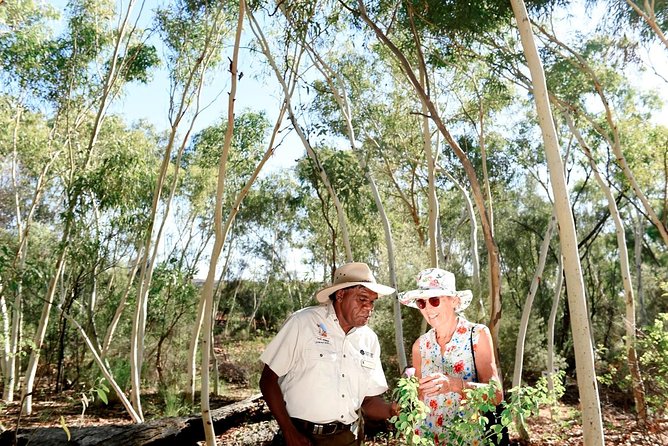
The walking trail passes through three main Central Australian environments: woodland, sand country, and desert rivers. Each section gives you a different way to read the region.
The woodland area introduces plants and animals adapted to dry conditions, while the sand section shows a setting that can seem especially bare until you look closely. The river habitat offers a different story, because even a seasonal or limited water source can support a surprising range of life.
The value here is the contrast. You are not seeing one generic desert display. You are moving through separate habitats and learning that soil, water, shade, and plant life shape which animals can survive there.
Take your time along the paths. The enclosures are designed so you can pause and watch rather than simply pass by. A patient visit gives you a better chance of spotting movement, especially when an animal is resting or keeping to cover.
The walk also gives you a useful frame for the talks. After seeing the habitats, information about food, shelter, and survival feels connected to a real place rather than isolated facts on a sign.
The Nocturnal House changes the pace
The Nocturnal House is one of the most distinctive parts of the park. It reverses your normal schedule, placing you in a dark indoor setting while desert creatures become active around you.
Look for bilbies, also called macrotis, and carnivorous ghost bats. These are not the animals most people expect to see in a desert park, and their presence makes a clear point: many desert species avoid the heat and light by coming out after dark.
The exhibit is especially useful if you are visiting in the middle of the day, when some outdoor animals may be less active. You can watch animals that are naturally difficult to encounter in the wild, while also learning why darkness is such an important part of desert survival.
A keeper presentation adds more context. One particularly strong part of the experience is the chance to hear staff explain the animals rather than relying only on written displays. Plan your route around the presentation time if you want the fullest visit.
Make time for the free-flying bird show
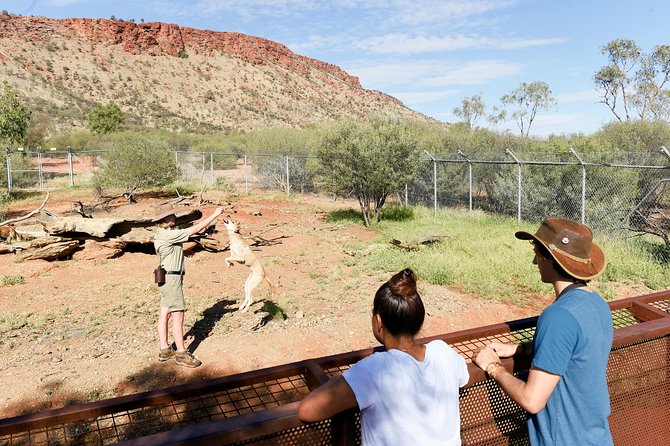
The outdoor amphitheater hosts a bird of prey presentation, and this is the park’s must-see event for many visitors. The birds are shown in flight, giving you a direct look at how they use speed, height, and open air.
A display like this does more than provide a dramatic moment. The desert has few barriers, so flight is central to how birds search for food and move across wide areas. Watching a bird work in the air helps explain adaptations that can seem distant when you only see a bird perched in an enclosure.
Check the daily program as soon as you arrive. Missing the presentation could mean waiting for another scheduled time, and the park’s long opening visit range does not guarantee that every talk will fit your personal timetable.
The bird show is also a good break from walking. You sit in the amphitheater, focus on the presentation, and then continue with the exhibits. Families may find this easier to follow than a long series of signs, while adults get a sharper sense of how desert birds function in open country.
Same coast, a completely different day out:
- West MacDonnell Ranges Day Trip from Alice Springs
★ 4.5 · 364 reviews - Alice Springs: Early Morning Hot Air Balloon Flight
★ 4.9 · 243 reviews - Uluru, Kata Tjuta and Kings Canyon Camping Safari from Alice Springs
★ 5.0 · 162 reviews - Uluru: 4-Day Rock to Rock Adventure Tour
★ 4.9 · 141 reviews
Look into the waterhole aquarium
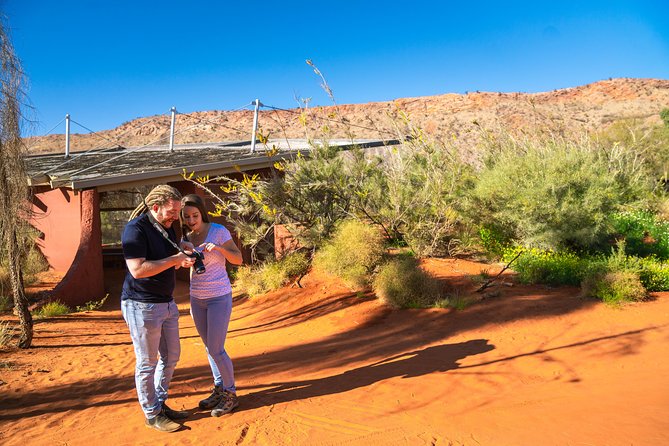
The waterhole exhibit gives you a close look at aquatic life in an arid region. You may see fish, turtles, burrowing frogs, and yabbies, all animals that depend on scarce water.
This is one of the park’s most useful teaching points. In Central Australia, water is not just a scenic feature. It is a gathering place and a survival system. The aquarium lets you see the small creatures that may be hard to notice from the edge of a real waterhole.
The exhibit also balances the walking trail. After moving through dry woodland and sand, you get a reminder that the desert includes wet habitats too. That contrast makes the park feel more complete and helps you understand why waterholes matter so much to animals and people.
Hear Arrernte stories tied to country

The cultural talks are not a side note. They are a central reason to visit Alice Springs Desert Park.
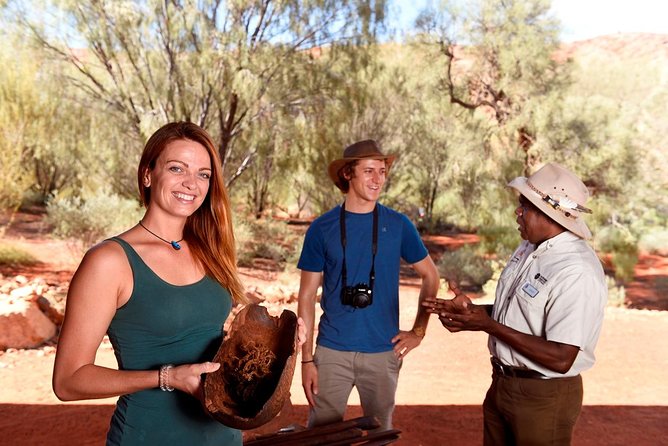
Presentations by Central Australian Aboriginal people explain Arrernte traditions and Dreamtime stories, showing connections between people, animals, plants, and land. You also learn how Aboriginal people used the desert for food, medicine, and tools, even with limited materials available.
This part adds meaning to the natural displays. Instead of viewing the desert only through wildlife science, you also hear how people have read and used this country over generations.
Try to attend at least one presentation rather than spending the entire visit walking alone. The experience is self-guided, but the talks give the park a human voice. Reuben, in particular, is noted for combining wisdom and wit in his presentations, a useful reminder that good interpretation does not need to feel like a classroom lecture.
Keep an open mind about the pace. These stories are not just extra facts to collect between animal sightings. They explain relationships and responsibilities, giving you a more grounded understanding of Central Australia.
Plan three hours or make a full day of it
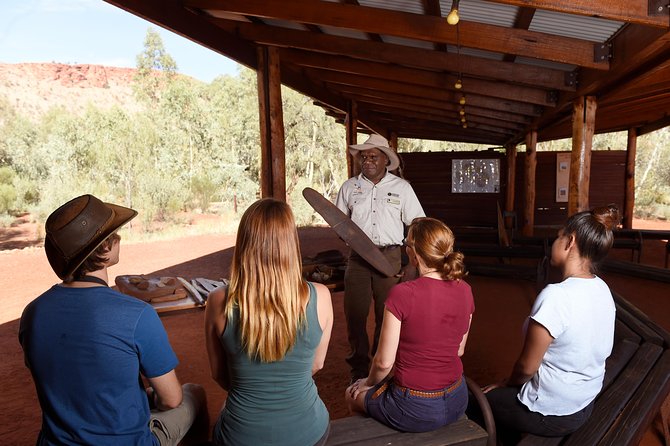
The stated visit range is about three to eight hours. That is a wide spread, but it makes sense because the park supports several styles of visit.
For a shorter stay, collect the map and daily schedule, then prioritize:
- The bird of prey show
- The Nocturnal House
- One Arrernte cultural presentation
- The waterhole exhibit
- A section of each habitat
For a longer stay, walk more slowly and return to enclosures where animals were resting on your first pass. Add time for the café or a picnic, and allow for presentations that do not line up perfectly.
The $16 price gives the ticket good value, especially if you use the full program. It covers the main park visit and included guide presentations, while extra costs apply to electric scooters and additional animal encounters. Food and drinks are also separate.
You should think of the entry ticket as a base price rather than an all-inclusive package. That is not unusual for a large attraction, but it matters if you are trying to keep the day inexpensive.
The park has a picnic and BBQ ground, which can help you control costs. A café is available when you prefer to buy something on site. The gift shop is another optional expense, not part of the admission.
Getting there and handling the practical details
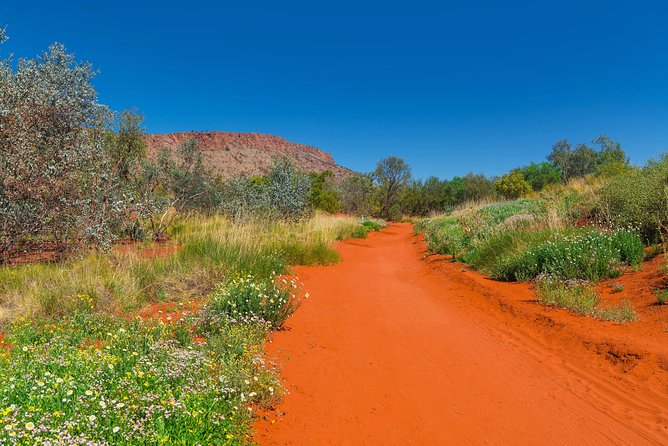
You make your own way to Alice Springs Desert Park. Hotel pickup and drop-off are not included, and transportation to and from the attraction is your responsibility.
The park is near public transportation, so check your route before setting out. The supplied information gives a start time of 7:30 am, but it does not provide a full transport timetable here. Build in enough time to arrive, collect your map, and review the daily program before the first presentation you want to attend.
The activity is listed as suitable for most participants, and service animals are allowed. Electric scooters are available for hire for an additional fee, which may help if you want to reduce walking, but the hire cost is not included.
The booking information lists a maximum of one traveler, which appears to describe the ticket arrangement rather than a normal group tour format. In practical terms, expect an individual, self-guided park visit rather than a scheduled coach excursion with a fixed group.
Since the experience is non-refundable and cannot be changed after booking, check your date and transport plans carefully before paying. This is particularly important because you are responsible for reaching the park yourself.
Who will enjoy this park most
Families have plenty to see here. The bird show gives children a clear focal point, the Nocturnal House adds a sense of discovery, and the aquarium provides close views of animals that are easy to miss outdoors.
It also suits adults who want more than a standard wildlife enclosure. The habitat design, cultural presentations, and desert plant displays give the visit enough depth for anyone interested in ecology, Aboriginal culture, or Central Australian life.
Rail passengers and people using Alice Springs as a base may find it a useful first outing. It helps you understand the region before you head farther into the Centre. You can also adjust the visit to fit a short stop, provided you check the daily program first.
This may not suit you if you want a guided tour from your hotel, a tightly timed excursion, or a ticket that includes every add-on. The park asks you to manage your own route and schedule.
Small details that make the visit better
Arrive with a plan, but leave room to pause. The most rewarding moments may come from lingering beside an enclosure or watching an animal move when you were ready to walk on.
Use the program to protect the bird show and cultural talks. Then build your walking route around them instead of hoping you happen to pass by at the right time.
Wear yourself out slowly. A three-hour visit can become much longer if you attend several talks, use the picnic area, or stop at the café. The map lets you judge how much walking you want to add.
Keep the Nocturnal House in your schedule even if outdoor exhibits are your main interest. The bilbies and ghost bats offer a type of wildlife encounter you cannot get from a daytime trail.
Finally, pay attention to the plant displays. The park is not only about charismatic animals. The plants explain how the habitats function and how Aboriginal people made use of what grew there.
Should you book the Alice Springs Desert Park ticket?
I would book it if you want a clear, hands-on introduction to Central Australia, especially if you have several hours available. The combination of habitat trails, rare nocturnal animals, a free-flying bird show, and Arrernte cultural presentations gives the $16 entry fee solid value.
Book with a little care. Confirm your transport, accept that food and extras cost more, and check the daily schedule when you arrive. If you do that, the park can turn a visit to Alice Springs into a better understanding of the desert, not just a collection of animal photos.
FAQ
How long should I allow for Alice Springs Desert Park?
Allow about three to eight hours. Three hours can cover the main habitats and key presentations, while a longer visit lets you walk slowly, attend more talks, and use the café or picnic area.
What is included in the $16 ticket?
The ticket includes admission to Alice Springs Desert Park and the included guide presentations. Food, drinks, electric scooter hire, and additional animal encounters cost extra.
Is the visit guided or self-guided?
It is mainly self-guided. You receive a park map and daily program, then explore the habitats and exhibits at your own pace. Staff presentations take place during the day.
What animals can I see in the Nocturnal House?
The Nocturnal House may include rare and endangered animals such as bilbies, also called macrotis, and carnivorous ghost bats.
Does the park have a bird show?
Yes. The outdoor amphitheater hosts a free-flying bird show featuring birds of prey in flight.
Can I learn about Aboriginal culture at the park?
Yes. Presentations explain the traditions of the Aboriginal Arrernte people and include Dreamtime stories about connections between people and the land.
Is transportation to the park included?
No. You make your own way to Alice Springs Desert Park. Hotel pickup, drop-off, and transportation to and from the attraction are not included.
Just added around Alice Springs
- Uluru, Kata Tjuta and Kings Canyon Camping Safari from Alice Springs★ 5.0 · 162 reviews
- West MacDonnell Ranges Day Trip from Alice Springs★ 4.5 · 364 reviews
- West MacDonnell Ranges & Standley Chasm Day Trip from Alice Springs★ 5.0 · 67 reviews
- Alice Springs Desert Park Nocturnal Tour★ 5.0 · 45 reviews
- Alice Town And Country Half Day Sunset Tour – Small Group★ 4.5 · 24 reviews
- Alice Springs to Uluru (Ayers Rock) Coach Transfer★ 4.5 · 39 reviews
- West MacDonnell Ranges Half day Tour -Small Group★ 4.5 · 99 reviews
- 4 Day Uluru Kings Canyon West MacDonnell NP from Alice Springs★ 4.5 · 59 reviews
Uluru & Outback Tours, compared.



Drover’s Sunset Cruise includes Smithy’s Outback Dinner and Show
Read our review →
Ayers Rock Day Trip from Alice Springs Including BBQ Dinner
Read our review →

Uluru & Kata Tjuta 25-Minute Helicopter Experience
Read our review →
Browse the lists this tour appears in