
Reviewed · SNORKELING & DIVING TRIPS
Brunswick Heads: Snorkelling in Byron Bay
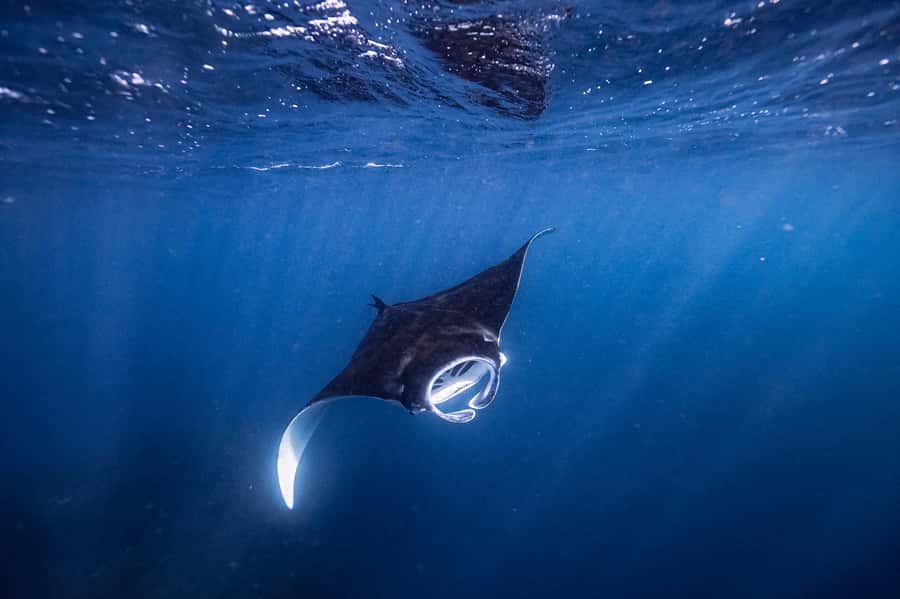
Julian Rocks, known locally as Nguthungulli, is the star here. Just off Byron Bay, this protected marine sanctuary brings warm tropical and cool temperate waters together, creating a remarkable meeting place for turtles, manta rays, leopard sharks, fish, dolphins and seasonal whales. You set out from Brunswick Heads on the purpose-built Apollo 2, with a maximum of 12 people onboard.
I like the small group and the marine guide who points out creatures you could easily miss on your own. I also like that mask, snorkel, fins, reef-safe sunscreen, and underwater photos and videos are included. The main caution is simple: you must swim 100 meters without help, and rough water or seasickness can affect your comfort.
In This Review
- Key points at a glance
- Why Julian Rocks is such a special snorkel site
- From Brunswick Heads harbour to Apollo 2
- What happens at Nguthungulli
- The wildlife you might see
- Why the 12-person limit matters
- Underwater photos add useful value
- Who should book, and who should skip it
- Practical details that can make the day easier
- Should you book the Julian Rocks snorkel?
- FAQ
- Where does the tour meet?
- How long does the activity last?
- What equipment is included?
- What should I bring?
- Do I need to be a strong swimmer?
- What marine life might I see?
- Can I cancel for a full refund?
Key points at a glance
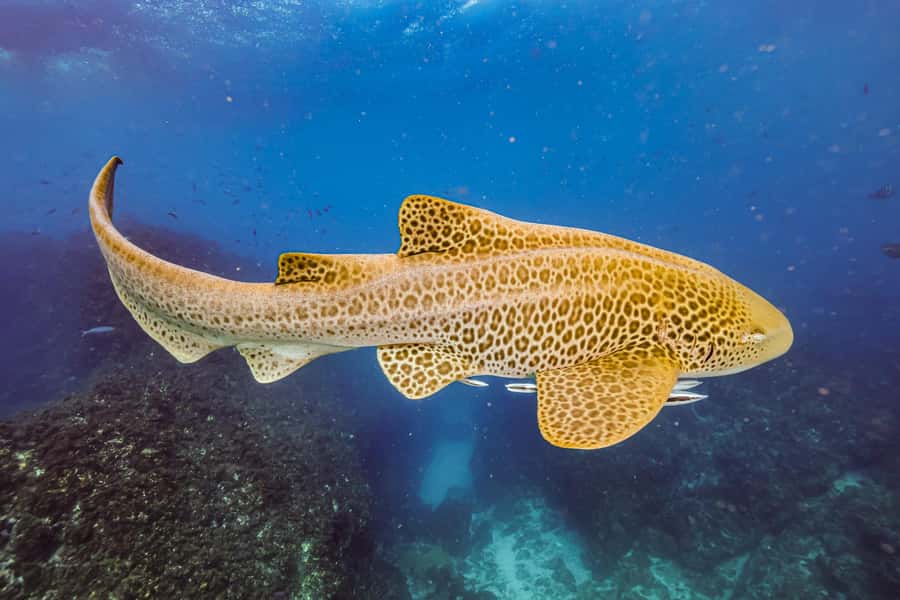
- Julian Rocks marine life: Look for turtles, manta rays, leopard sharks, grey nurse sharks, dolphins, whales and large schools of fish.
- Small boat group: A maximum of 12 people gives you more room and makes it easier to hear the guide.
- Naturalist guidance: Your English-speaking marine guide helps identify animals and explains what you are seeing.
- Apollo 2 boat ride: The trip includes coastal views and the chance of spotting dolphins on the way to the sanctuary.
- Photos shared online: Professional underwater photos and videos are taken and shared on social media each day.
- Strong swimming required: Non-swimmers cannot participate, and anyone unable to swim during the outing must remain onboard without a refund.
Why Julian Rocks is such a special snorkel site
Julian Rocks sits off the most easterly point of Australia, where two different water systems meet. Warm tropical water arrives from the north, while cooler temperate water comes up from the south. That mix helps explain why such a wide range of marine life can appear in one place.
The local Arakwal name, Nguthungulli, adds cultural depth to the setting, but the practical appeal is clear: the sanctuary has protected, shallow areas that suit snorkelling and freediving. You are not simply heading out to open water and hoping for a lucky sighting. You are visiting a known marine habitat with several areas to explore.
That does not mean every animal is guaranteed. Wildlife remains unpredictable, and conditions change. One outing can bring manta rays, leopard sharks and turtles, while another may offer more fish and fewer large animals. The strength of this trip is the combination of a productive site and guides who know what to look for.
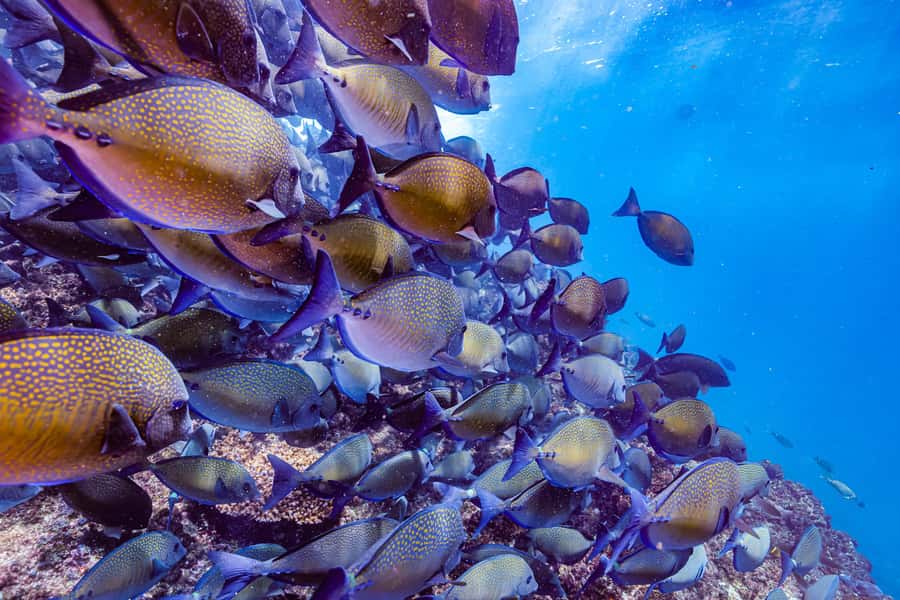
The reported sightings include an impressive list: turtles, manta rays, leopard sharks, grey nurse sharks, dolphins and whales. You may also see plenty of smaller fish, which can be just as rewarding when the water is clear and the guide helps you notice details you might otherwise miss.
More snorkeling & diving trips in Australia:
- Ocean Rafting: Whitehaven Beach, Snorkelling & Hill Inlet Lookout
★ 5.0 · 4,777 reviews - Great Barrier Reef Snorkeling and Diving Cruise from Cairns
★ 4.5 · 3,714 reviews - Whitehaven Beach and Hill Inlet Lookout Snorkeling Cruise
★ 5.0 · 2,953 reviews
From Brunswick Heads harbour to Apollo 2
Wild Byron’s office is at the Brunswick Heads Boat Harbour. This is your starting point, so plan to arrive there rather than heading directly to Byron Bay. The boat ride takes you along the Byron coastline toward Julian Rocks, and the trip itself can add to the day.
Apollo 2 is a purpose-built vessel for this outing. On the run to the sanctuary, keep an eye out for local dolphins and other marine life. The coastline gives you something to watch even before you put on your mask.
The total outing is advertised as three hours, with the water portion described as approximately two and a half hours. Treat it as a roughly three-hour commitment, since actual timing can depend on conditions and the day’s operation. All times are New South Wales time. If you are coming from Queensland, remember that Queensland is one hour behind New South Wales.
A short boat ride can still feel long if you are prone to seasickness. The operator strongly recommends taking medical precautions before the trip if that is a concern, and the tour does not cancel simply because someone feels sick. That is worth taking seriously before you book.
What happens at Nguthungulli
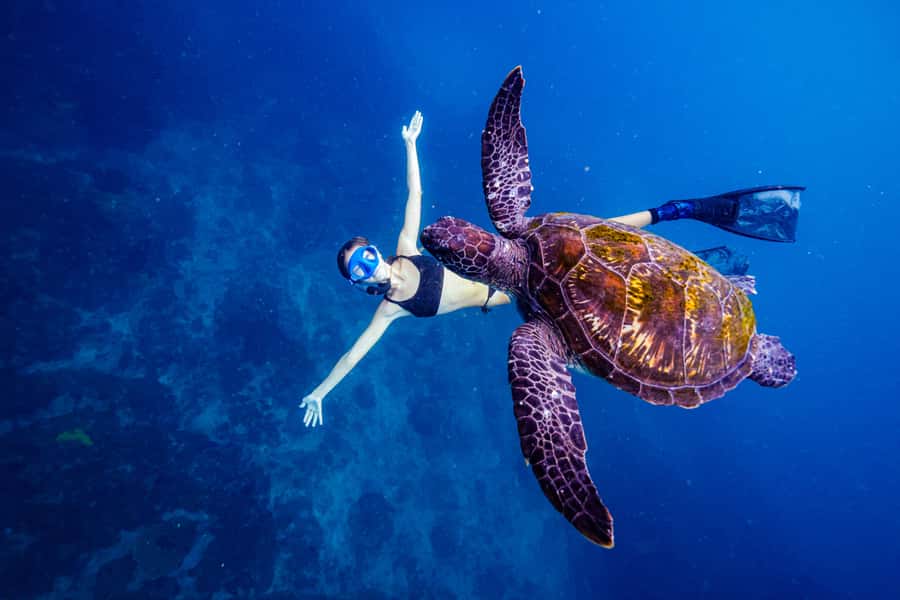
Once you reach Julian Rocks, the crew provides the included mask, snorkel and fins. Reef-safe sunscreen is also supplied, though you still need to bring your own swimwear, towel and drinking water.
The sanctuary’s protected and shallow sections are the main reason this tour works for snorkellers rather than only experienced underwater sports enthusiasts. Even so, the water is not a swimming pool. You need to be able to swim 100 meters unassisted, and the crew can decide that you must stay on the boat if they determine you cannot safely swim during the activity.
That rule may feel strict, but it matters. You are responsible for moving through the water without assistance, following crew instructions and avoiding contact with marine life. Do not touch turtles, rays, sharks, coral or fish. Smoking, vaping, alcohol and drugs are not allowed.
The marine guide is an important part of the experience. A guide can point toward a turtle resting below, identify a leopard shark among the seafloor, or help you tell one type of fish from another. The value is not only safety. It also turns a pleasant swim into a more informed look at the sanctuary.
Guides Glenn and Taylor received particularly strong praise for their friendly manner and safe handling of the outing. The guide team may vary by departure, but you can expect an English-speaking marine naturalist guide.
The wildlife you might see
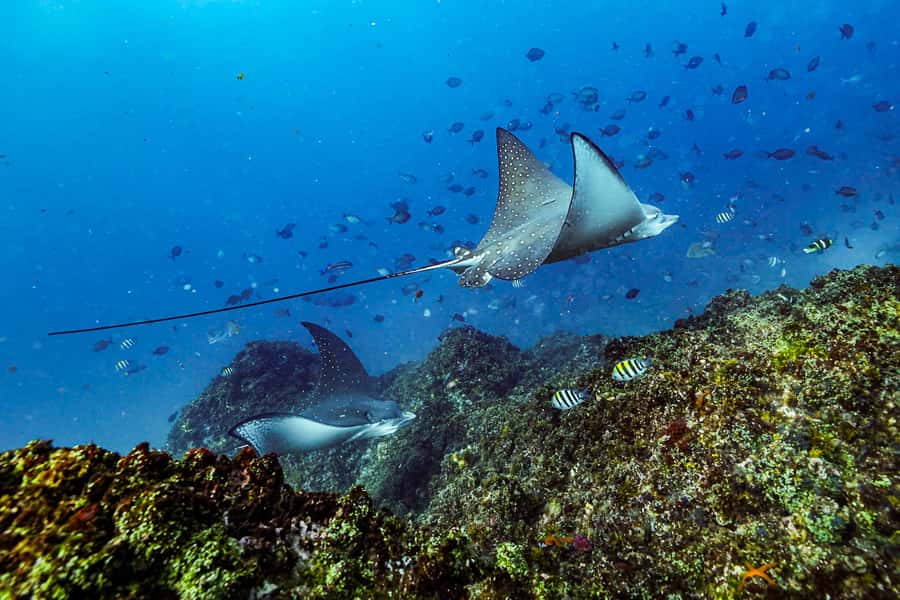
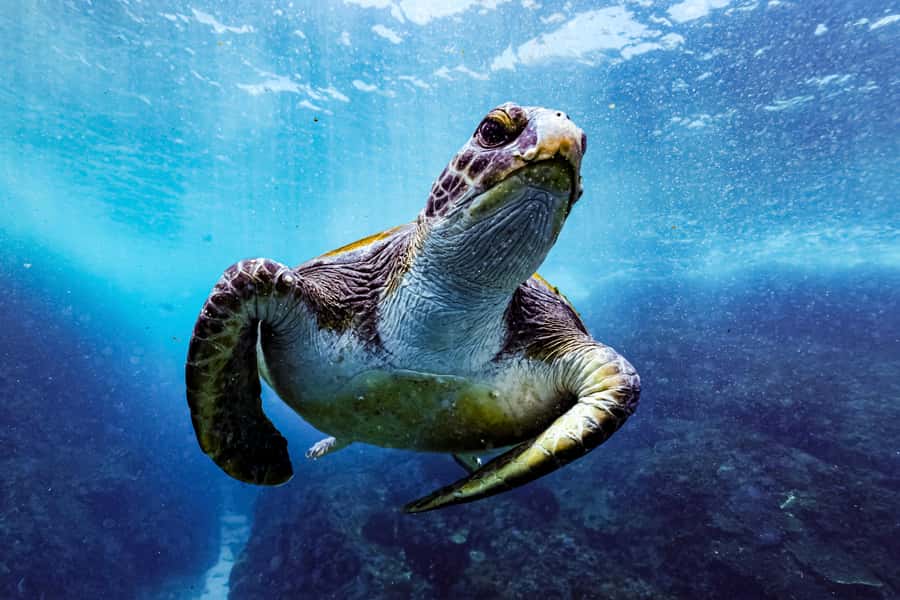
Turtles are among the most appealing possible sightings, and they are common visitors to Julian Rocks. If one appears, the best approach is to keep your distance and let the animal move naturally. The same rule applies to rays and sharks, even when the sighting feels exciting.
Manta rays are another major draw. They are large, graceful animals, and seeing one in clear, shallow water can be a memorable part of the trip. Leopard sharks are also regularly associated with the sanctuary. Their name sounds more dramatic than their usual appearance, but they are still a special sight in the water.
Grey nurse sharks may visit too, along with dolphins and whales. These larger animals are seasonal or occasional possibilities rather than promises. The trip’s appeal comes from the site’s variety, not from a guaranteed checklist.
Smaller fish may provide much of the actual time in the water. That is where the guide earns the fare. A good naturalist helps you notice patterns, movement and species that would blur together if you were swimming alone.
The recorded outings included a broad mix of leopard sharks, manta rays, turtles and many other fish. That range gives you a realistic sense of the sanctuary’s potential, while good weather can make a major difference to visibility and comfort.
A few more Australia trips to weigh up
- Magnetic Island Discovery Tour with Snorkeling & Paddle Boarding
★ 5.0 · 1,372 reviews - Cairns: Great Barrier Reef Half-Day Snorkelling Tour
★ 4.7 · 1,326 reviews - Cairns: Green Island Snorkelling or Glass Bottom Boat
★ 4.4 · 1,284 reviews - Airlie Beach: Fly Raft Package w Scenic Flight & Snorkeling
★ 4.8 · 788 reviews
Why the 12-person limit matters
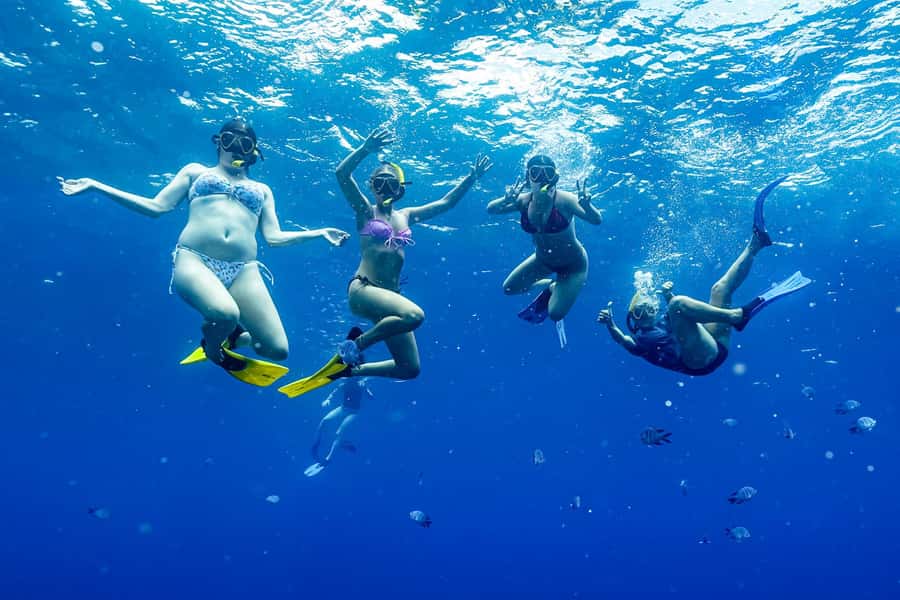
A maximum of 12 people is a useful middle ground. You get the shared energy of a guided boat trip without being packed into a large crowd. A smaller group also makes it easier to hear instructions and ask a question without competing with dozens of other voices.
The size can matter once you enter the water. You have more breathing room around the boat and a better chance of staying near the guide. It also helps if you are new to organised snorkelling and want clear directions.
Still, a 12-person group is not private. You will share the vessel, equipment and water time with other participants. If you want a completely quiet or personalised outing, this is not that. For most people, though, the limit gives the trip a more personal feel than a large sightseeing boat.
The marine guide and small group also work well together. Rather than rushing from one fixed viewing point to another, the crew can respond to what is happening in the water. If wildlife appears in one area, the group can focus attention there while still following safety rules.
Underwater photos add useful value
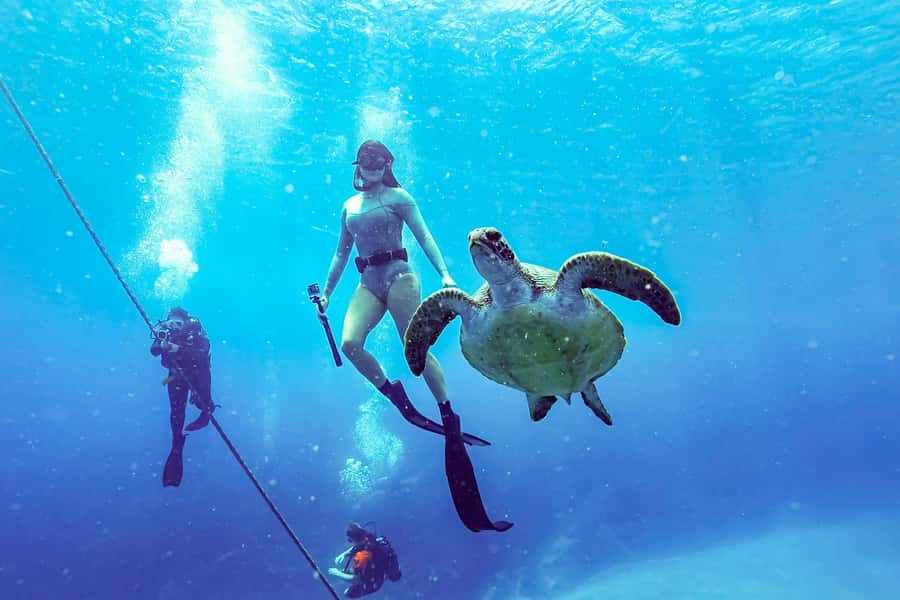
The crew takes professional underwater photos and videos, then shares them on social media daily. This is one of the more practical extras because it lets you concentrate on swimming instead of trying to manage a camera.
You do not need to bring an underwater camera, and one is not included for your personal use. The shared images are a bonus rather than a private album guaranteed for each person, so check how the provider distributes them if having individual photos is important to you.
There is also a tradeoff. Watching an animal through your own eyes is often easier when you are not worrying about framing a shot. The guide’s photos can give you a record of the day while you stay focused on safe movement and marine life.
At $91 per person, included gear and photo coverage improve the value. You are paying for the boat, crew, guide, access to a strong marine site and the equipment needed to take part. You still need to bring water, swimwear and a towel, but the costly or specialised snorkelling basics are covered.
Who should book, and who should skip it
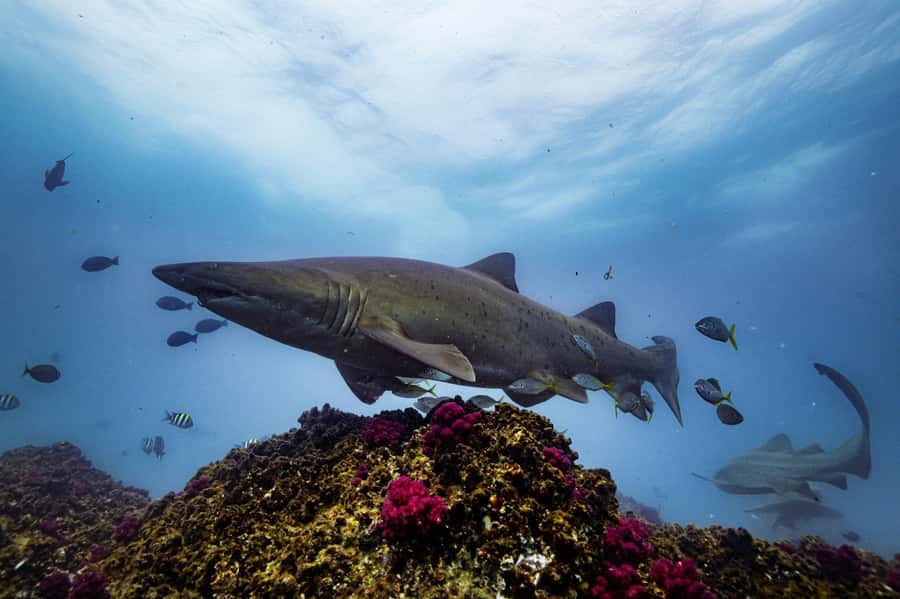
This outing suits confident swimmers who want to see marine life without arranging a full-day excursion. It is especially appealing if you like nature interpretation, small groups and the chance of seeing several kinds of large animals in one location.
It may also suit you if you are visiting Byron Bay but prefer to depart from Brunswick Heads. The harbour meeting point makes it important to organise your route in advance, especially if you are staying elsewhere along the coast.
The experience is not suitable for non-swimmers or people with a low level of fitness. The listed restrictions also include children under five, pregnant women, people over 70, and people with back, heart, respiratory or blood-pressure problems. Recent surgery and other pre-existing medical conditions are also concerns.
If any medical condition applies to you, discuss your eligibility with staff before buying a ticket. Do not assume that a shallow snorkelling area makes the outing suitable for every body. You still need to enter and move through the sea, manage the equipment and cope with a boat trip.
The tour is also a poor choice if you dislike open-water conditions or commonly suffer from seasickness. The outing will not be cancelled for seasickness, so prevention is better than hoping you will feel fine once Apollo 2 leaves the harbour.
Practical details that can make the day easier
Bring swimwear, a towel and drinking water. The operator supplies reef-safe sunscreen, but you should still consider your own sun protection needs and follow the crew’s advice.
Check the departure time carefully in New South Wales time. The one-hour difference from Queensland can cause an avoidable mistake, especially if you are crossing the border for the activity.
Cancellation is flexible if you act early: you can cancel up to two days in advance for a full refund. After that point, the stated conditions apply, so read the provider’s terms before purchasing.
The tour is conducted in English. Smoking, vaping, alcohol and drugs are not allowed, and touching marine life is prohibited. These are not minor rules. They protect the animals and help keep the outing safe for everyone in the water.
The rating of 4.8 from 56 ratings reflects a very strong overall response, with special praise for the abundance of sea life, friendly guides and the sense of safety provided by the crew. That lines up with the tour’s best features: a productive site, a small group and experienced supervision.
Should you book the Julian Rocks snorkel?
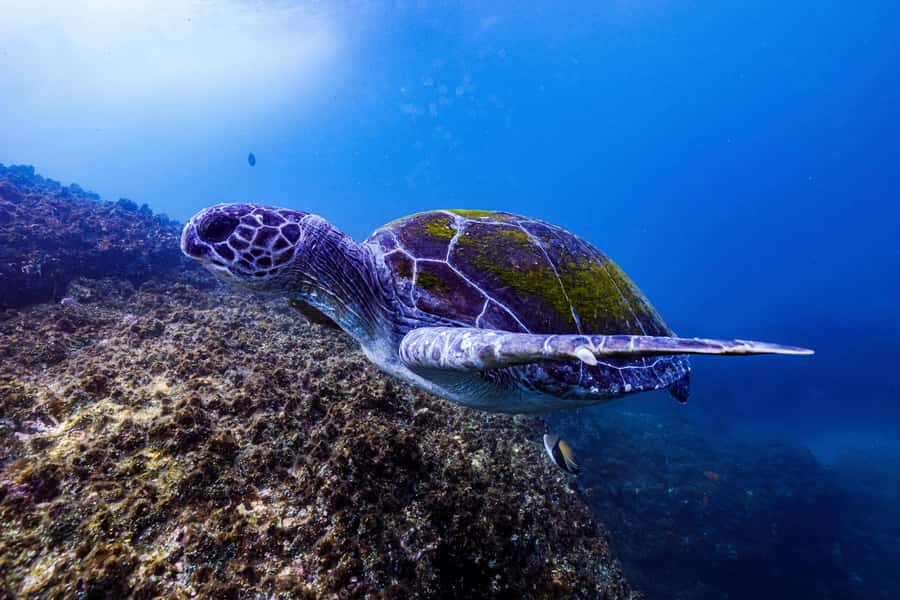
Book it if you are a capable swimmer and want a focused marine wildlife outing with equipment, an English-speaking guide and underwater images included. The combination of turtles, manta rays, leopard sharks and possible dolphins gives Julian Rocks a stronger wildlife case than a basic coastal swim.
At $91, I consider it good value when you use the guide, gear, boat trip and photo service. Just keep your expectations realistic. No wildlife tour can promise every animal, and sea conditions may affect visibility or comfort.
Skip it if you are a non-swimmer, have one of the listed health concerns, are prone to seasickness, or want a guaranteed calm-water experience. For the right person, though, this is a compact and well-supported way to see one of New South Wales’ most productive marine sanctuaries.
FAQ
Where does the tour meet?
The meeting point is the Wild Byron office at the Brunswick Heads Boat Harbour.
How long does the activity last?
The activity lasts three hours, with the water portion described as approximately two and a half hours.
What equipment is included?
The tour includes a mask, snorkel and fins. Reef-safe sunscreen is also provided.
What should I bring?
Bring swimwear, a towel and drinking water. An underwater camera is not included.
Do I need to be a strong swimmer?
You must be able to swim 100 meters unassisted. If the crew decides you cannot swim safely during the activity, you must remain on the vessel, and a refund will not be offered.
What marine life might I see?
Possible sightings include turtles, manta rays, leopard sharks, grey nurse sharks, dolphins, whales and other fish. Sightings are not guaranteed.
Can I cancel for a full refund?
You can cancel up to two days in advance for a full refund.
Just added around Australia
- Morning Cruise on the Murchison River in Kalbarri (April to Nov)★ 5.0 · 91 reviews
- Kalbarri Rock Lobster Tours★ 5.0 · 54 reviews
- Kalbarri Sunset & Coastal Cliff Cruise★ 5.0 · 59 reviews
- Kalbarri Whale Watching Tour Guided★ 5.0 · 35 reviews
- Kakadu National Park Wildlife & Ubirr Rock Art Tour from Darwin★ 4.5 · 101 reviews
- Jervis Bay Whale Watching Tour★ 4.5 · 353 reviews
- Arnhem Land Yingana Injalak Hill Full Day Tour from Jabiru★ 5.0 · 132 reviews
- Jabiru 30 minute Scenic Flight★ 5.0 · 68 reviews
Snorkeling & Diving Trips, compared.
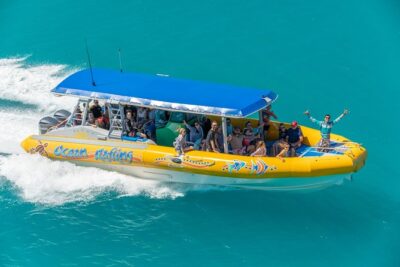
Ocean Rafting: Whitehaven Beach, Snorkelling & Hill Inlet Lookout
Read our review →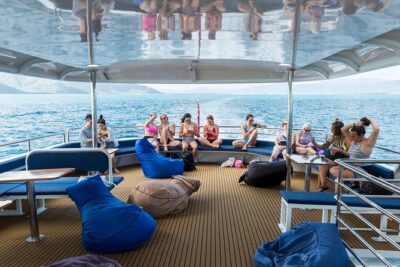
Great Barrier Reef Snorkeling and Diving Cruise from Cairns
Read our review →
Whitehaven Beach and Hill Inlet Lookout Snorkeling Cruise
Read our review →
Magnetic Island Discovery Tour with Snorkeling & Paddle Boarding
Read our review →
Great Barrier Reef Half-Day Snorkelling Tour
Read our review →
Green Island Snorkelling or Glass Bottom Boat
Read our review →
Great Barrier Reef Premium Diving Full Day Tour
Read our review →
Browse the lists this tour appears in