
Reviewed · LAUNCESTON TOURS
Cradle Mountain: After Dark Tasmanian Devil Feeding Tour
Tasmanian devils are at their most lively after dark, and this is when you see their famous bad manners in full force. At Devils@Cradle, a keeper feeds them close up while explaining the snarls, lunges, and noisy tussles that make these small marsupials so memorable. The animals are the stars, but the conservation story gives the evening real weight.
I like the included self-guided sanctuary visit, which lets you see the residents at your own pace before the main tour. I also like the staff’s personal approach. Guides such as Prue and Renee bring humor and clear explanations to the walk. The main drawback is simple: Cradle Mountain gets very cold after sunset, and rain or wind can shorten your enjoyment if you arrive without proper layers.
In This Review
- Key points to know before booking
- Why after-dark feeding is the right time
- Arriving at Devils@Cradle
- The self-guided sanctuary visit
- The opening talk on the main viewing deck
- Walking through the enclosures at feeding time
- What you learn about conservation
- Weather, warmth, and comfort
- Is the pace suitable for families?
- How much value do you get for $26?
- Who should book this feeding tour?
- My verdict on Devils@Cradle after dark
- FAQ
- Where does the Tasmanian devil feeding tour take place?
- How long does the experience last?
- What animals can I see?
- Is sanctuary admission included?
- Is hotel pickup included?
- What language is the tour in?
- Is the experience suitable for wheelchair users?
- What happens if I need to cancel?
Key points to know before booking
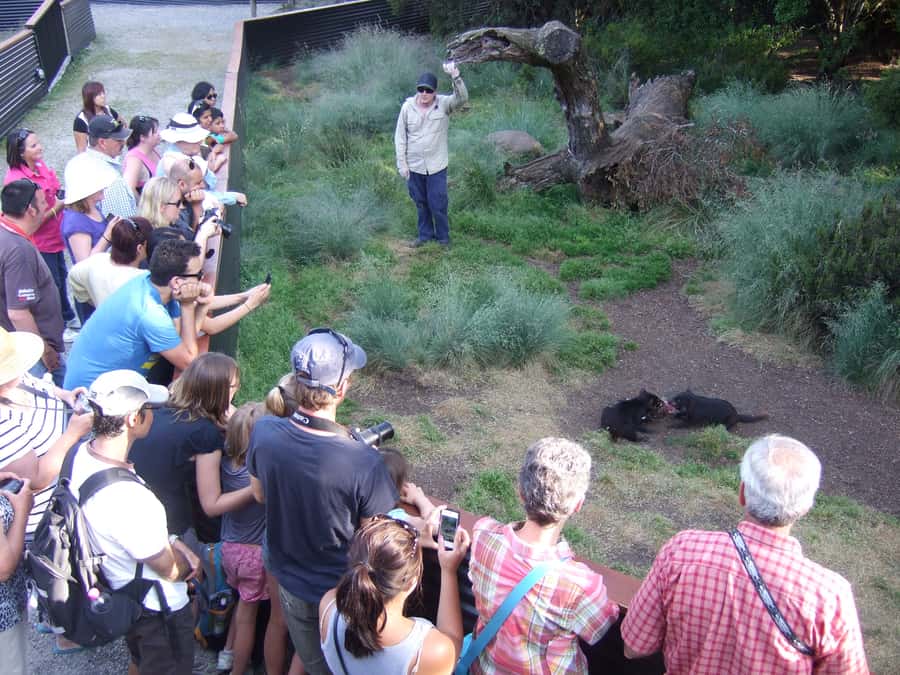
- Tasmanian devils feed after dark: See their natural nighttime energy, noisy social behavior, and powerful jaws during a group feeding.
- Three threatened carnivorous marsupials appear: The tour includes Tasmanian devils, spotted-tail quolls, and eastern quolls.
- The $26 price includes entry: You can explore Devils@Cradle before the 90-minute guided feeding walk without paying a separate sanctuary admission.
- The keeper makes the difference: Guides such as Prue and Renee explain biology, disease threats, breeding work, and animal behavior in an engaging way.
- Cold and wet weather matter: Several tour times have been affected by rain, wind, snow, and falling temperatures. Warm clothing is not optional here.
- You meet at the sanctuary: There is no hotel pickup, but free on-site parking is included and the entry gate is easy to find.
Why after-dark feeding is the right time
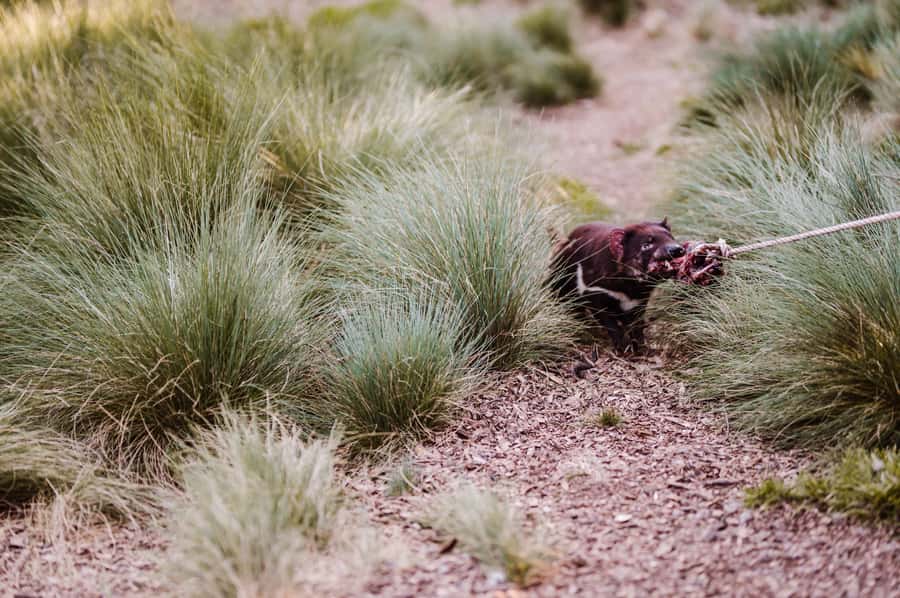
A Tasmanian devil sleeping in a corner can look like a squat, furry bundle. Put food in front of it after sunset and the character changes. Devils are nocturnal, so the evening feeding gives you a better chance to see them alert, vocal, and intent on the meal.
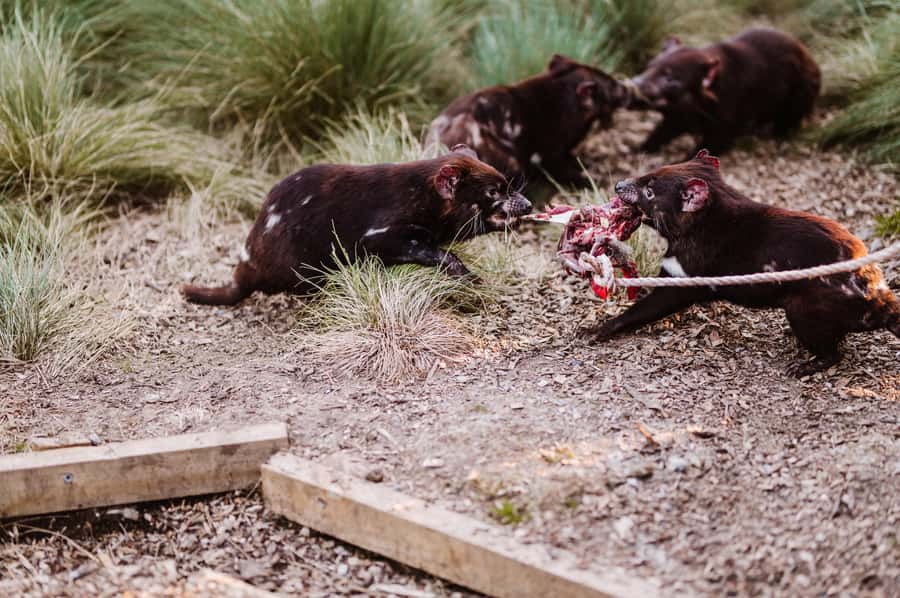
The feeding behavior is not polished or gentle. A devil may growl, snap, shove, or scramble over another animal to reach food. That rough display is part of the appeal, but the keeper also helps you understand what you are seeing. The tour is not simply a chance to watch animals eat. It explains how social ranking, feeding habits, and competition work in a species built for life in Tasmania.
The sanctuary uses environmentally sensitive lighting rather than flooding the enclosures with bright lamps. This matters because the aim is to show nighttime behavior without turning the animals into stage performers. You get a close view, but the setting still respects the fact that these are nocturnal creatures.
Other Australia days worth booking alongside this:
- Sydney: Opera House Guided Tour with Entrance Ticket
★ 4.8 · 8,312 reviews - All Inclusive Blue Mountain,Scenic World,Lunch,Koalas,ferry
★ 5.0 · 7,832 reviews - Great Ocean Road Small-Group Eco Tour from Melbourne
★ 5.0 · 6,607 reviews
Arriving at Devils@Cradle
Devils@Cradle sits at the entrance to Cradle Mountain National Park, beside one of Tasmania’s best-known natural areas. The tour does not include hotel transportation, so you need to make your own way to the sanctuary and go to the entry gate.
Free parking is available on site. Check the exact start time when booking, since the evening schedule can change by date and season. You do not need to arrive hours early. About 30 to 45 minutes before the tour gives you enough time to walk around the sanctuary, though one booking holder found that arriving around 10 minutes before the session was also workable.
I prefer arriving early here because the self-guided visit is part of the value. It gives you a chance to look at the animals in daylight or fading light, find the viewing areas, and settle in before the keeper gathers the group. If you arrive at the last minute, you may still get the feeding tour, but you lose part of what the ticket includes.
The self-guided sanctuary visit
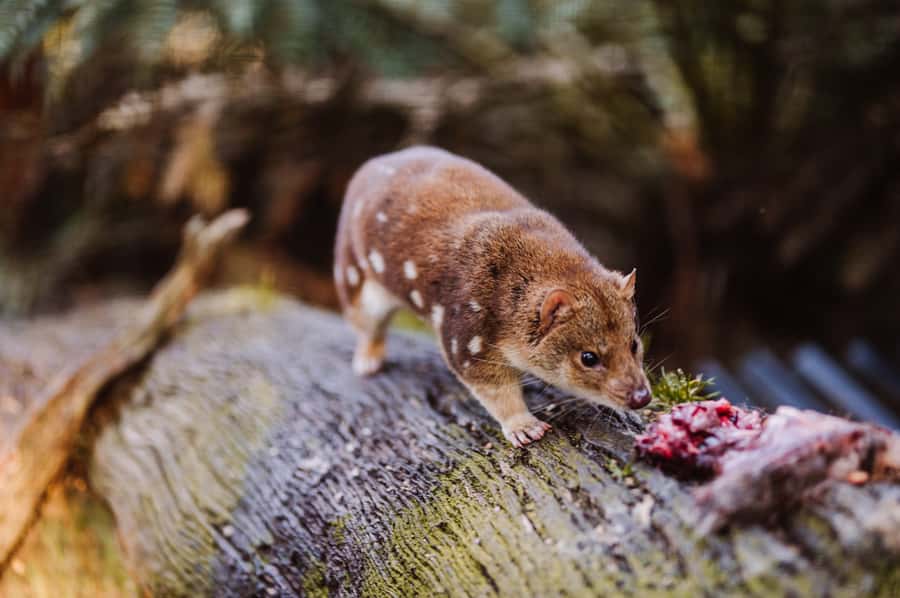
Before the after-dark walk, you can explore Devils@Cradle independently. The sanctuary focuses mainly on Tasmanian devils, but it also cares for spotted-tail quolls and eastern quolls. These are Tasmania’s three largest carnivorous marsupials, and all face serious threats in the wild.
The self-guided section is useful because it gives you a first look at the animals without a running commentary. You can watch their movement, compare their size and shape, and then bring your own questions to the keeper-led portion. If you are visiting with children, this also breaks up the evening and keeps the tour from feeling like one long talk.
You may also see wombats, including Pancake, a wombat familiar to some people who have taken the tour. The sanctuary is not only about the devils, even though they receive most of the attention. The quolls are an important part of the visit, and many people find the chance to see all three carnivorous marsupial species especially worthwhile.
The opening talk on the main viewing deck
The guided portion begins with a short introduction on the main wildlife viewing deck. The keeper introduces the three species managed at the sanctuary and sets up the rest of the evening.
This opening is more useful than it may sound. It gives you the basic differences between a Tasmanian devil, a spotted-tail quoll, and an eastern quoll before you move around the enclosures. It also puts the sanctuary’s work in context. You learn that these animals are not simply interesting exhibits. They represent species under pressure in the wild.
The guides tend to mix facts with stories and questions. Prue was praised for handling questions and keeping the group involved, while Renee was remembered for her obvious affection for the animals. The exact keeper will depend on the night, but the quality of the talk is a major part of what you pay for.
Same coast, a completely different day out:
- From Melbourne: Great Ocean Road, 12 Apostles, Wildlife Tour
★ 4.7 · 6,020 reviews - Ocean Rafting: Whitehaven Beach, Snorkelling & Hill Inlet Lookout
★ 5.0 · 4,777 reviews - Laid back, Yarra Valley Wine Tour: Wine, Cider, Gin, Beer + Choc
★ 5.0 · 4,552 reviews - From Sydney: Blue Mountains Full-Day Trip
★ 4.5 · 4,471 reviews
Walking through the enclosures at feeding time
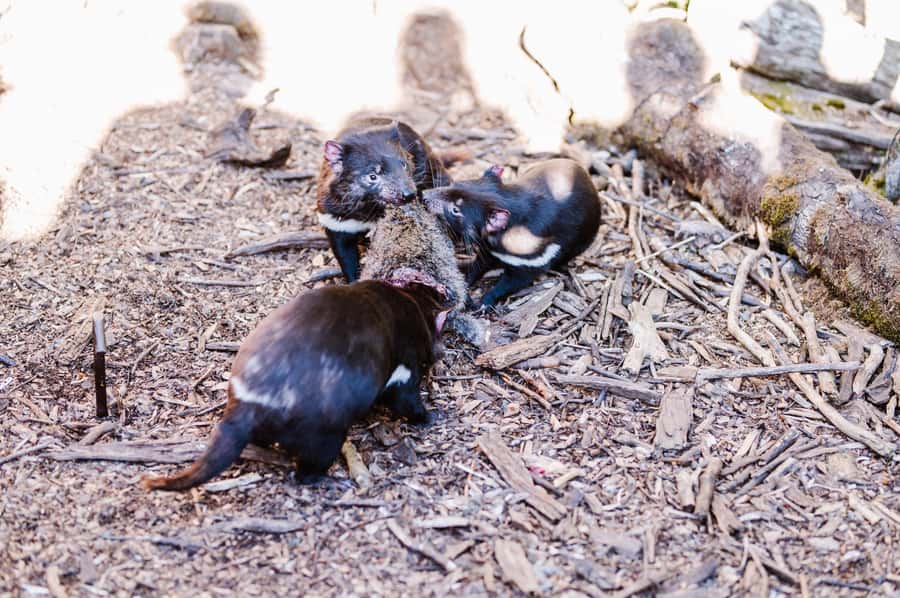
After the introduction, the larger part of the tour takes place outside, within the sanctuary. Your keeper leads the group between enclosures and enters several areas to feed the animals.
This is where the tour becomes more personal than a standard wildlife viewing session. You are not watching from far away while reading a sign. The keeper explains what is happening as the devils and quolls respond to food, each other, and the sudden activity around them.
The Tasmanian devils are likely to draw the loudest reaction. They can look almost comical one moment and fiercely competitive the next. Their feeding can involve snarling, quick movements, and forceful bites. One keeper may offer a large piece of food while explaining the animal’s anatomy, behavior, and place in the ecosystem.
The quoll feeding adds variety. Spotted-tail quolls and eastern quolls are smaller and often less familiar to people visiting Tasmania. Seeing them eat gives you a useful comparison with the devils. You begin to notice differences in body shape, movement, and feeding style rather than treating every small carnivore as the same.
The group format means you should stay close to the guide if hearing every explanation matters to you. There are several opportunities to watch the animals, so you are unlikely to miss everything if you are briefly at the back, but the commentary is one of the strongest reasons to take the guided option.
What you learn about conservation
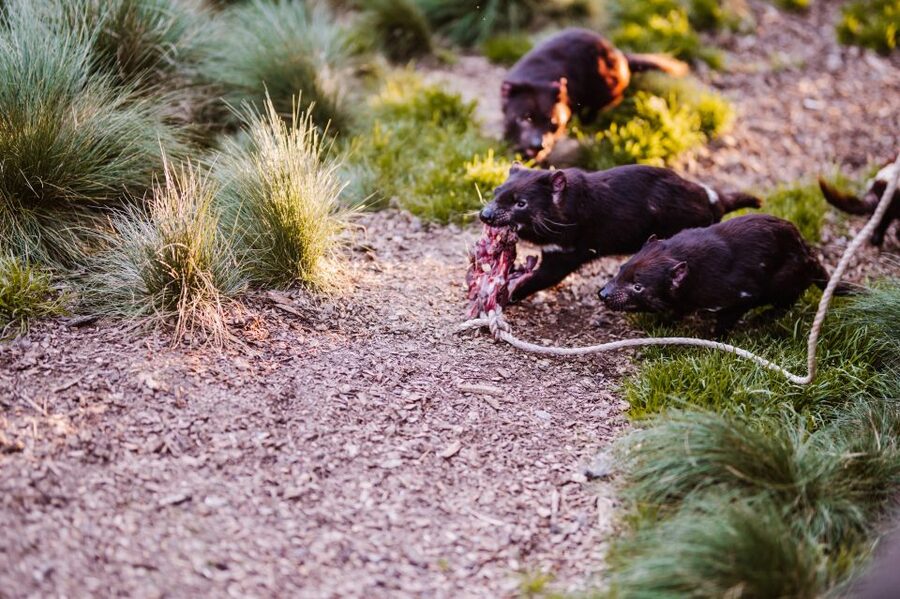
The conservation message is not a brief footnote. The keeper discusses the biology of the animals, the threats they face, and the sanctuary’s efforts to protect them.
Tasmanian devils have become closely associated with disease and population decline, and the tour explains why conservation breeding and careful management matter. You also learn that the spotted-tail and eastern quolls are threatened in different ways. The result is a wider picture of Tasmanian wildlife, not just a lesson about one famous animal.
I value this part because it changes the way you see the feeding. Without context, a devil tearing into food is simply an entertaining spectacle. With the keeper’s explanation, you understand why healthy animals, breeding programs, and public education are important. The money spent on the ticket also supports a sanctuary doing conservation work, which makes the $26 price feel fair.
The staff’s passion comes through without turning the tour into a lecture. Guides have been described as funny, engaging, and inspiring, and that combination suits the subject. You get useful information, but the evening still feels lively.
Weather, warmth, and comfort
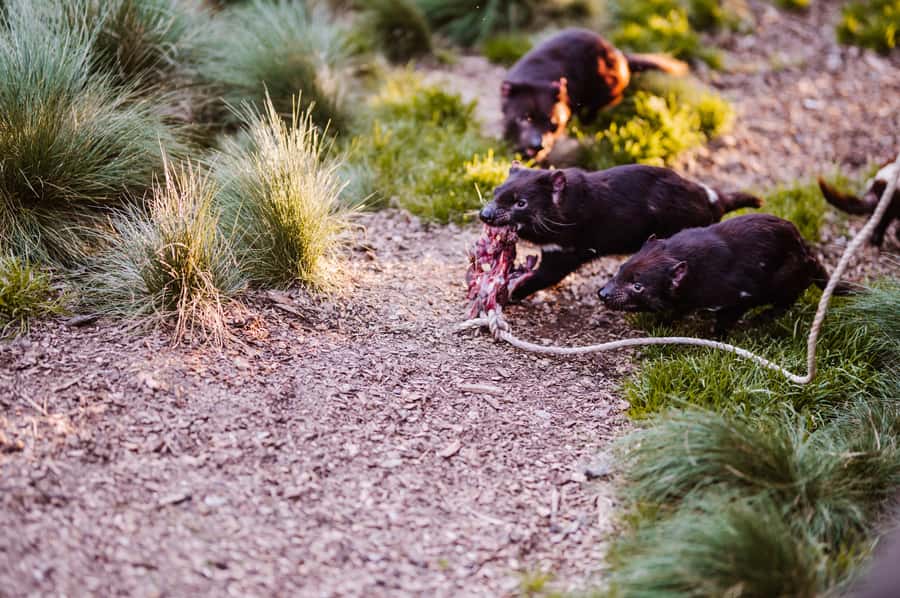
The biggest practical issue is the weather. Cradle Mountain can be cold after sunset, and the tour takes place outdoors. Wind can cut through clothing, while drizzle, rain, or snow can make standing still uncomfortable.
Several people have enjoyed the tour in wet weather because the keeper continued explaining the animals outside. That shows the staff’s commitment, but it does not make the conditions warmer. One person had to leave early after becoming too cold, and another found the pace slow when rain and low temperatures were added to the equation.
Wear your warmest practical layers, not just a light jacket. Add waterproof protection if rain is possible, and consider gloves and a hat if you feel the cold easily. Comfortable footwear also helps because the tour includes a guided walk within the sanctuary.
The season affects the mood. A clear evening may be easier for standing and watching. A sprinkling of snow can make the setting memorable, but only if you are dressed for it. Do not book this as a cozy indoor animal show.
Is the pace suitable for families?
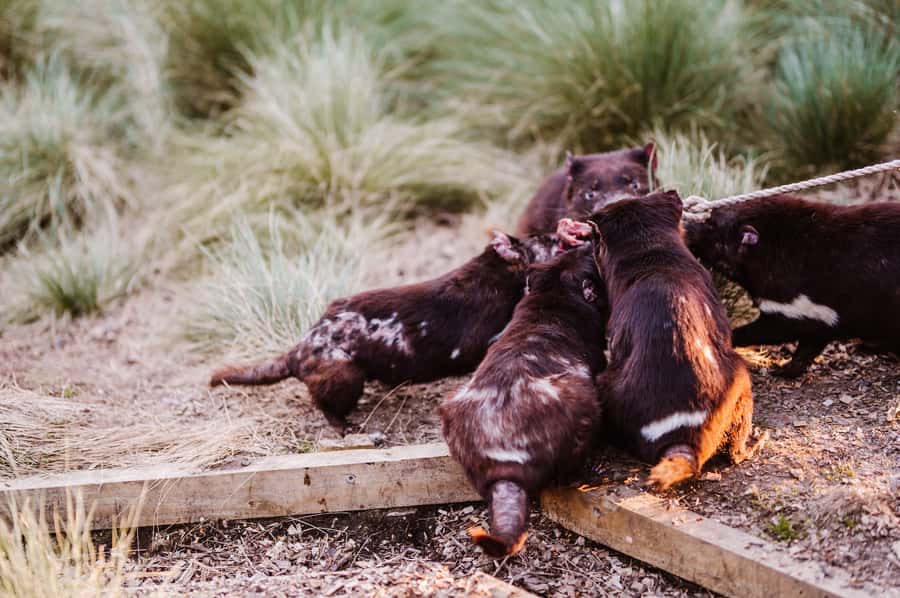
The 90-minute length works well for many families because it is long enough to cover the animals properly without taking up an entire evening. Children who enjoy animals should have plenty to watch, especially when the devils become active.
The tour can be educational without feeling stiff. A guide may explain a serious conservation issue, then point out an amusing behavior at the enclosure. An eight-year-old visitor reportedly summed up one rainy evening with a very positive verdict, which fits the general family appeal.
Still, think about your group’s tolerance for cold and standing outdoors. The tour is not ideal for anyone who dislikes chilly weather, and the pace may feel slow if you want constant action. The animals do not perform on command, so there can be quieter moments between feedings.
How much value do you get for $26?
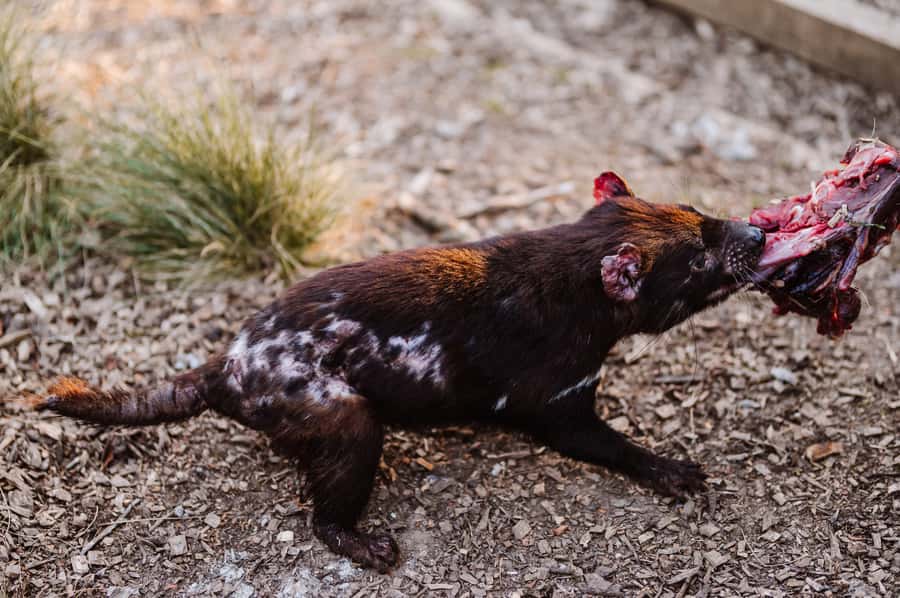
At $26 per person, this is one of the better-value wildlife activities around Cradle Mountain. The price includes sanctuary entry, the guided feeding tour, and free parking. You also get the self-guided visit, which means the ticket covers more than the 90-minute talk and walk.
A standard visit could show you the animals, but the keeper adds the information that makes the experience worthwhile. You learn what the animals are doing, why the sanctuary manages them, and how conservation programs support their future. The close viewing and feeding activity provide the excitement, while the commentary gives the evening purpose.
Food and drinks are not included, and there is no hotel pickup or drop-off. Those exclusions are easy to plan around. The main cost to consider is your evening transport to the sanctuary, particularly if you are staying away from Cradle Mountain.
The free cancellation option up to 24 hours before the tour and reserve-now, pay-later booking can help if your mountain plans depend on changing weather. The activity is wheelchair accessible, and the live tour is conducted in English.
Who should book this feeding tour?
I would choose this tour if you want to see Tasmanian devils behaving actively rather than simply posing in an enclosure. It is also a strong choice if you care about wildlife protection and want a guide to explain the real issues facing Tasmanian carnivorous marsupials.
Families, first-time visitors to Tasmania, photographers, and animal lovers should find plenty to enjoy. The chance to see devils, spotted-tail quolls, eastern quolls, and possibly wombats in one evening gives the visit good variety.
You may want to skip it if you are seeking a warm, quiet, indoor activity. The tour is outside, the weather can be severe, and the feeding can be loud and rough. It is also not a guaranteed photo session. The animals are active, but they are not trained to face the camera.
My verdict on Devils@Cradle after dark
Book it if you are spending an evening near Cradle Mountain and want a wildlife experience with substance. The feeding is memorable, but the best part is the combination of close viewing, strong guides, and clear conservation information.
The $26 admission is reasonable because it includes both the sanctuary visit and the guided program. Just take the weather seriously. Arrive early enough to explore, stay near the keeper when the walk begins, and bring more warm clothing than you think you need. If you do that, this is a lively and worthwhile way to meet Tasmania’s most famous carnivore.
FAQ
Where does the Tasmanian devil feeding tour take place?
The tour takes place at Devils@Cradle Wildlife Sanctuary, located at the entrance to Cradle Mountain National Park in Tasmania.
How long does the experience last?
The guided after-dark feeding tour lasts 90 minutes.
What animals can I see?
The sanctuary manages Tasmanian devils, spotted-tail quolls, and eastern quolls. You may also see wombats during your visit.
Is sanctuary admission included?
Yes. The ticket includes entry to Devils@Cradle Wildlife Sanctuary and the self-guided visit before the feeding tour.
Is hotel pickup included?
No. You must make your own way to Devils@Cradle. Free on-site parking is included.
What language is the tour in?
The live guided tour is conducted in English.
Is the experience suitable for wheelchair users?
The activity is listed as wheelchair accessible.
What happens if I need to cancel?
You can cancel up to 24 hours in advance for a full refund. A reserve-now, pay-later option is also available.
Just added around Australia
- Morning Cruise on the Murchison River in Kalbarri (April to Nov)★ 5.0 · 91 reviews
- Kalbarri Rock Lobster Tours★ 5.0 · 54 reviews
- Kalbarri Sunset & Coastal Cliff Cruise★ 5.0 · 59 reviews
- Kalbarri Whale Watching Tour Guided★ 5.0 · 35 reviews
- Kakadu National Park Wildlife & Ubirr Rock Art Tour from Darwin★ 4.5 · 101 reviews
- Jervis Bay Whale Watching Tour★ 4.5 · 353 reviews
- Jabiru 30 minute Scenic Flight★ 5.0 · 68 reviews
- Jervis Bay Beach Stargazing Tour with our Astronomer★ 5.0 · 35 reviews
Launceston Tours, compared.

Cradle Mountain: Day Trip from Launceston with Lunch
Read our review →
Cradle Mountain Day Tour from Launceston Including Lunch
Read our review →

Browse the lists this tour appears in