Reviewed · TOURS
Day Keeper Tour
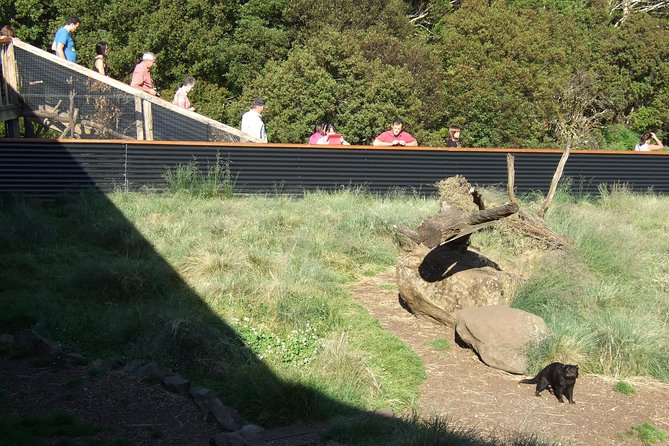
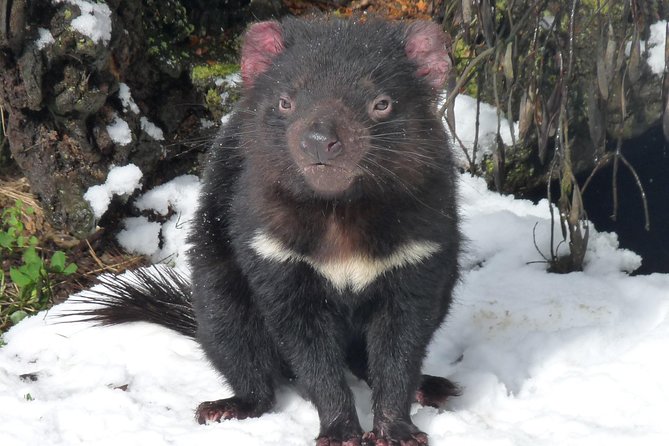
Tasmanian devils are usually hard to spot in the wild, but at Devils@Cradle you can watch them at close range as they sleep, play, feed, explore, or fossick for food. I like the keeper-led storytelling and the chance to see both devils and quolls, not just one headline animal. I also like that you can wander around the sanctuary before and after the guided walk.
The main thing to keep in mind is that animal behavior cannot be scheduled. You may see active devils and quolls, or you may find some tucked into their dens. The tour also runs outdoors in all weather, with some uneven ground, so good clothing and sensible shoes matter.
In This Review
- Key points at a glance
- Why this short tour matters at Cradle Mountain
- Entering Devils@Cradle at 3950 Cradle Mountain Road
- A keeper-led walk, not a hurried animal parade
- What you may see inside the enclosures
- Tasmanian devils, quolls, and conservation work
- How to use the extra sanctuary time
- Price and value at $17.93
- Weather, clothing, and the walking conditions
- Who will enjoy the Day Keeper Tour most
- Booking, cancellations, and practical timing
- Should you book the Day Keeper Tour?
- FAQ
- How long does the Day Keeper Tour last?
- Where does the tour start and finish?
- Is parking available?
- Is hotel pickup included?
- Can children join the tour?
- Does the tour operate in bad weather?
Key points at a glance
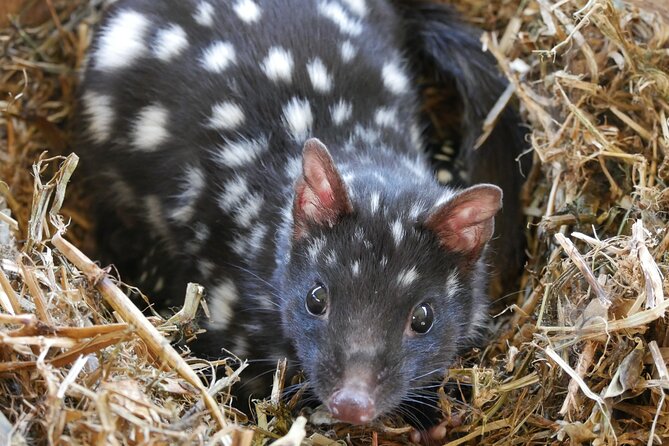
- See more than Tasmanian devils: The walk also includes quolls, with a chance to learn how both animals spend their days.
- Guides bring the visit to life: Keepers such as Chris and Prue have been praised for clear, engaging talks and strong care for the animals.
- Plan around your Cradle Mountain day: Morning and afternoon departures make it easy to fit around walks and other stops.
- Allow roughly an hour: The tour is advertised at about 45 minutes, while the detailed schedule lists one hour.
- Explore on your own time: You can visit the sanctuary before and after the keeper-led portion.
- A good family price: Children under 16 receive discounts, and onsite parking is free.
Why this short tour matters at Cradle Mountain
A visit to Cradle Mountain-Lake St. Clair National Park often centers on mountain walks, forests, and wild scenery. Devils@Cradle adds something different: a close look at native Tasmanian animals that are difficult to see in their natural surroundings.
The Day Keeper Tour is not a long trek or a theatrical wildlife show. It is a gentle walk through the sanctuary with one of the keepers. You see the animals in their enclosures during daylight hours, when many may be resting in dens or moving about at a slower pace.
That daytime setting gives the visit a calm rhythm. You are not rushed from one display to the next. Your guide explains what the animals are doing, how they behave from day to day, and how the sanctuary supports conservation and breeding work designed to help protect these species.
I especially like the focus on ordinary animal behavior. Sleeping, basking, exploring, and searching for food may sound simple, but these small details help you understand the animals as living creatures rather than symbols of Tasmania. The best moments may be quiet ones, such as seeing a devil settle into a den or a quoll inspect its enclosure.
Other Australia days worth booking alongside this:
- Sydney: Opera House Guided Tour with Entrance Ticket
★ 4.8 · 8,312 reviews - All Inclusive Blue Mountain,Scenic World,Lunch,Koalas,ferry
★ 5.0 · 7,832 reviews - Great Ocean Road Small-Group Eco Tour from Melbourne
★ 5.0 · 6,607 reviews
Entering Devils@Cradle at 3950 Cradle Mountain Road
You make your own way to Devils@Cradle, at 3950 Cradle Mountain Road, Cradle Mountain. Hotel pickup and drop-off are not included, so this experience works best if you already have transport as part of your Cradle Mountain plans.
For drivers, free onsite parking removes one common worry. You do not need to build in extra time to search for a space elsewhere, and you can combine the sanctuary with other nearby activities without arranging a separate transfer.
The meeting point is also the end point. That simple setup is useful in a place where you may already be organizing a full day around changing weather and walking conditions.
The sanctuary is suitable for most people, but expect a small amount of walking and some uneven surfaces. Children must stay with an adult. Service animals are allowed, and photography is welcome, so you can bring a camera or phone for close views when the animals are active.
A keeper-led walk, not a hurried animal parade
The tour begins with a local keeper who leads you through the sanctuary. The pace is relaxed, which gives you time to look into the enclosures and listen without feeling pushed along.
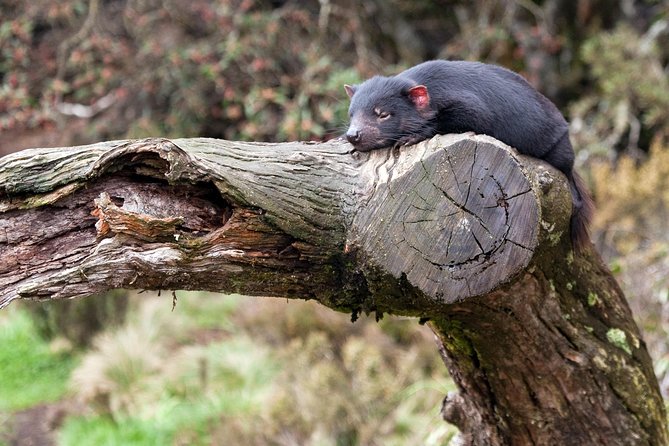
The keeper explains the animals’ daylight habits. You might see a devil asleep in its den, basking, playing, exploring, or fossicking for food. Quolls may also be visible and active, giving you a useful comparison between two distinctive Tasmanian marsupials.
The guide’s role is the heart of this experience. Chris has been praised for being kind, professional, engaging, and strongly committed to Tasmania’s vulnerable animals. Prue has also been singled out for her passion and for giving a thorough talk about devil and quoll conservation. Guide rosters can change, so you should not book on the assumption that either person will lead your departure, but the experience is designed around the keeper’s direct knowledge of the animals.
The strongest part of the talk is its practical connection to what you are seeing. Instead of hearing general facts and then walking away, you can look at an animal while the guide explains its habits and daily routine. That makes the information easier to remember, especially for children.
What you may see inside the enclosures
Devils@Cradle’s enclosures are described as large and similar to natural habitat. That matters because the animals have room to sleep, move, explore, and behave in ways that feel less staged.
The sanctuary layout allows close views of both devils and quolls. You may get good photo and video opportunities if the animals are active, but there is no promise that every resident will appear. A wombat, for example, may remain out of sight during your visit.
This is worth understanding before you arrive. A wildlife sanctuary can offer access and care, but it cannot control when an animal decides to nap. If your main goal is one perfect photograph, you may find the timing frustrating. If you are happy to watch whatever is happening naturally, the uncertainty becomes part of the visit.
The daytime tour also differs from an evening animal experience. You are seeing the residents during their daylight routine, which may be mostly restful for some animals. The benefit is a slower, more observational visit. You can see which animals are active, which prefer their dens, and how the sanctuary functions when the animals are not being presented for a dramatic feeding moment.
Same coast, a completely different day out:
- From Melbourne: Great Ocean Road, 12 Apostles, Wildlife Tour
★ 4.7 · 6,020 reviews - Ocean Rafting: Whitehaven Beach, Snorkelling & Hill Inlet Lookout
★ 5.0 · 4,777 reviews - Laid back, Yarra Valley Wine Tour: Wine, Cider, Gin, Beer + Choc
★ 5.0 · 4,552 reviews - From Sydney: Blue Mountains Full-Day Trip
★ 4.5 · 4,471 reviews
Tasmanian devils, quolls, and conservation work
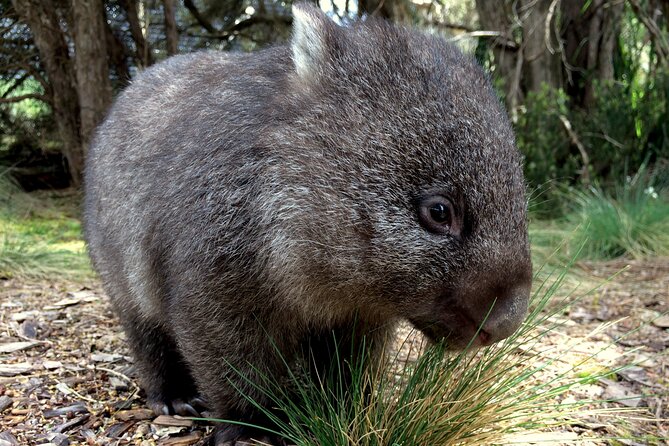
The tour gives you a clearer sense of why Devils@Cradle exists. The staff explain the history of these animals in Australia and the work being done to help keep them from disappearing. The sanctuary’s breeding programs and conservation efforts are central to the visit, not a brief message added at the end.
That conservation focus gives your admission a second purpose. You are not only paying for a close animal encounter. You are also supporting a place that works to protect endangered Tasmanian wildlife and help these species continue for future generations.
I find this particularly useful for families. Children can see an animal up close, then understand why its future needs care. The lesson is direct and visual, rather than abstract. Adults also get a better sense of the work behind a conservation sanctuary: daily animal care, breeding programs, staff training, and public education.
The experience does not require you to be an expert. Guides explain the animals in clear terms, and the setting gives you plenty of chances to ask questions or point out what you are seeing. The best approach is to listen for links between the keeper’s comments and the animals’ actions.
How to use the extra sanctuary time

One of the Day Keeper Tour’s practical strengths is that you can explore the sanctuary at your own pace before and after the guided walk. That turns a 45-minute activity into a more flexible stop within your day.
The formal tour may take about 45 minutes, although the detailed schedule allows one hour. I would plan around an hour for the guided portion and leave additional time if you want to watch particular animals, take photographs, or read the displays at a slower pace.
A morning departure can work well if you want to visit Devils@Cradle before a full day outdoors. An afternoon departure gives you the option of walking first and visiting the sanctuary afterward. Since both morning and afternoon tours are available, you have more control than with a single fixed departure.
Do not treat the keeper walk as the only part worth your time. The guided section gives you the context, but the before-and-after access lets you stop at an enclosure again. An animal that was sleeping when you first passed may be moving later, and a second look costs you little beyond time.
Price and value at $17.93
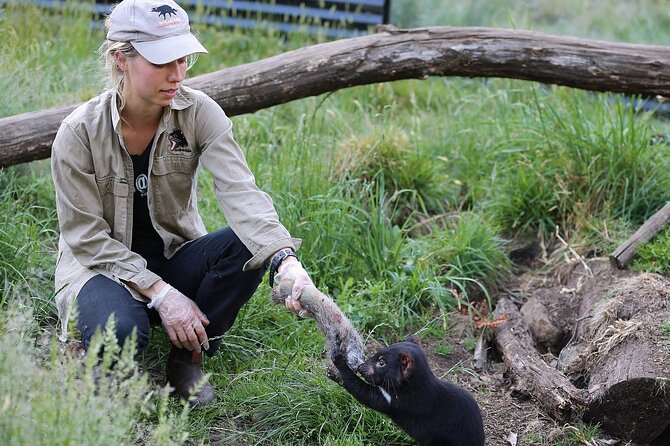
At $17.93 per person, this is a modestly priced activity for the Cradle Mountain area. The value depends on what you want from a wildlife visit.
If you only want a quick look at a Tasmanian devil, the price is already reasonable for a guided experience with a local keeper. If you take advantage of the sanctuary access before and after the tour, the value improves because you are not limited to a single brief viewing.
The fee also includes the local guide and free onsite parking. Children under 16 receive discounts, which makes the tour easier to fit into a family budget. Since there are no hotel transfers, you do need to make your own way there, but drivers avoid an extra parking charge.
I would see this as a good-value add-on to a Cradle Mountain day rather than a full-day attraction. The tour is short, and you should not expect a large number of activities. What you are buying is close access, staff guidance, and a better understanding of Tasmania’s conservation work.
Weather, clothing, and the walking conditions
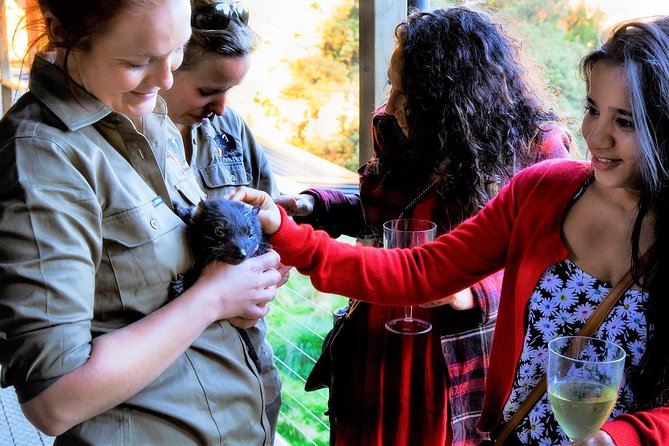
The tour operates in all weather, and much of it takes place outdoors. Cradle Mountain weather can change quickly, so bring layers and dress for rain or cold even if conditions look pleasant when you leave your accommodation.
Wear shoes that are comfortable on uneven surfaces. The walking is not presented as strenuous, but the ground inside the sanctuary is not guaranteed to be smooth throughout. Families should keep children close and be ready for a calm, walking-based visit rather than a seated show.
Photography is welcome. Still, keep your camera ready without allowing it to distract from the guide’s talk. The best images depend on animal movement and light, so consider the photographs a bonus rather than the main measure of the visit.
Who will enjoy the Day Keeper Tour most
This tour suits families, couples, solo visitors, and anyone with a general interest in Australian wildlife. It works especially well if you want a manageable activity that does not take up an entire day.
You will get the most from it if you enjoy learning how animals behave. The keeper explains sleeping, feeding, playing, and exploring, so the visit rewards attention to small actions rather than only dramatic displays.
It is also a strong choice for people who want their admission to support a clear conservation purpose. The staff’s commitment comes through in the way they discuss the long-term survival of Tasmanian devils and quolls.
You may want to adjust your expectations if you need guaranteed animal activity. A resident wombat or a sleeping devil may not appear at the moment you hope. The sanctuary provides access, but the animals set the schedule.
The maximum group size is 45 people. That is not a tiny private tour, but the format is still guided and structured around the keeper’s explanations. If you prefer a completely solitary visit, the tour itself may feel more social than simply walking through the sanctuary alone.
Booking, cancellations, and practical timing
You receive confirmation when you book, and morning and afternoon times are available. Choose a departure that leaves room for your wider Cradle Mountain plans, since you will need to arrange your own transport to the meeting point.
Free cancellation is available up to 24 hours before the experience begins. For a full refund, cancel at least 24 hours ahead using the local start time. Cancellations or changes made within 24 hours are not accepted for a refund.
Because the activity operates in all weather, a poor forecast alone does not mean the tour will stop. Plan to attend in suitable clothing rather than counting on a weather-related change.
Should you book the Day Keeper Tour?
I would book it if you are visiting Cradle Mountain and want a close, informative look at Tasmanian devils and quolls without committing half a day. The low price, free parking, family discount, flexible departure times, and extra sanctuary access make it easy to add to your schedule.
Book with the right expectation: this is a keeper-led wildlife visit, not a guarantee that every animal will be awake and posing. You might see active devils and quolls, or you might spend part of the time watching animals rest in their dens.
For most people, the guide and conservation message are the real value. If Chris, Prue, or another keeper can connect the animals’ daily behavior with the sanctuary’s long-term work, you leave with more than a photograph. You leave understanding why these unusual Tasmanian animals need protection, and why a short visit can help support that effort.
FAQ
How long does the Day Keeper Tour last?
The tour is advertised as approximately 45 minutes. The detailed schedule allows one hour, so it is sensible to plan for roughly an hour for the guided portion.
Where does the tour start and finish?
It starts and ends at Devils@Cradle, 3950 Cradle Mountain Road, Cradle Mountain, Tasmania 7306, Australia.
Is parking available?
Yes. Free onsite parking is included for visitors.
Is hotel pickup included?
No. You must make your own way to Devils@Cradle.
Can children join the tour?
Yes. Children must be accompanied by an adult, and discounts are available for children under 16.
Does the tour operate in bad weather?
Yes. The activity operates in all weather conditions, and much of the experience is outdoors. Dress appropriately and expect some uneven surfaces inside the sanctuary.
Just added around Australia
- Morning Cruise on the Murchison River in Kalbarri (April to Nov)★ 5.0 · 91 reviews
- Kalbarri Rock Lobster Tours★ 5.0 · 54 reviews
- Kalbarri Sunset & Coastal Cliff Cruise★ 5.0 · 59 reviews
- Kalbarri Whale Watching Tour Guided★ 5.0 · 35 reviews
- Kakadu National Park Wildlife & Ubirr Rock Art Tour from Darwin★ 4.5 · 101 reviews
- Jervis Bay Whale Watching Tour★ 4.5 · 353 reviews
- Arnhem Land Yingana Injalak Hill Full Day Tour from Jabiru★ 5.0 · 132 reviews
- Jabiru 30 minute Scenic Flight★ 5.0 · 68 reviews
Tours, compared.
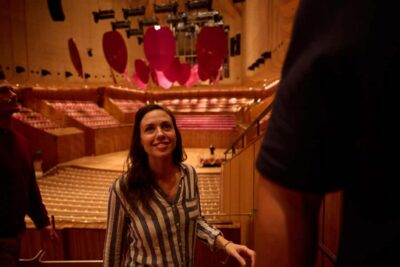
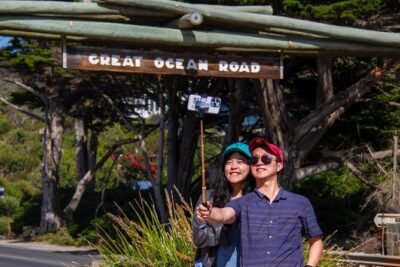
Great Ocean Road Small-Group Eco Tour from Melbourne
Read our review →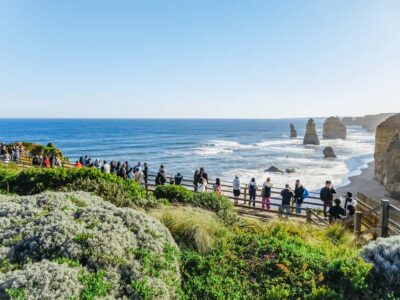

Laid back, Yarra Valley Wine Tour: Wine, Cider, Gin, Beer + Choc
Read our review →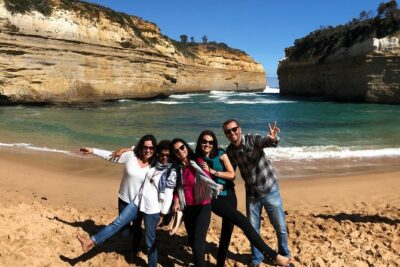
Great Ocean Road Reverse Itinerary Boutique Tour – Max 11 Guests
Read our review →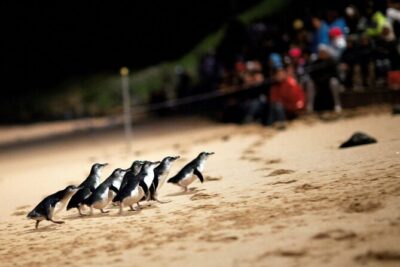
Penguin Parade, & Wildlife Encounters Eco Tour from Melbourne
Read our review →
Sydney Opera House Official Guided Walking Tour
Read our review →