
Reviewed · WILDLIFE & ZOO EXPERIENCES
Devils at Cradle: Day Keeper Tour and Entry to Wildlife Park
Tasmanian devils do not need a wildlife documentary to make an impression. Their sharp calls, muscular bodies, and odd little habits are right in front of you at Devils@Cradle, a sanctuary at the entrance to Cradle Mountain National Park. I like the close animal viewing and the chance to understand real conservation work, not just admire attractive creatures behind a fence. The $17 price includes entry, parking, and a 45-minute keeper tour, which makes this a strong-value stop.
The main drawback is timing. Daytime devils may be sleeping in their dens, basking in the sun, or moving slowly, so you should not expect constant action. The sanctuary also has steps, gravel, woodchip paths, platforms, and uneven ground. A warm jacket matters, and the tour runs rain or shine.
In This Review
- Key points to know before you go
- Why this small sanctuary matters at Cradle Mountain
- What happens during the 45-minute keeper tour
- Meeting the devils, quolls, and their close relatives
- Daytime viewing: quiet moments and sudden noise
- Getting value from the $17 admission
- Paths, viewing areas, and access
- Who will enjoy this tour most
- Timing your stop around Cradle Mountain
- Final verdict: should you book the Day Keeper Tour?
- FAQ
- Where is Devils@Cradle located?
- How much does the Day Keeper Tour cost?
- How long does the tour last?
- What does the ticket include?
- Which animals can I see?
- Is the tour available in English?
- What are the opening hours?
- Does the tour operate in bad weather?
- What should I bring?
- Is the sanctuary wheelchair accessible?
Key points to know before you go
- Three threatened carnivorous marsupials: See Tasmanian devils, spotted-tail quolls, and eastern quolls in one sanctuary.
- A 45-minute keeper-led walk: Follow a professional guide through the facility and learn how the animals are cared for.
- Daytime viewing has a different rhythm: You may see sleeping, sunbathing, play fighting, or food-finding rather than peak activity.
- The entry fee supports conservation: Your ticket helps Devils@Cradle protect species affected by serious threats in the wild.
- Good value at $17 per person: General admission, parking, and the guided tour are included.
- Allow time beyond the tour: After the keeper session, you can continue exploring the sanctuary on your own.
Why this small sanctuary matters at Cradle Mountain
Devils@Cradle sits near the entrance to the spectacular World Heritage listed Cradle Mountain National Park. That location makes it easy to pair the sanctuary with a day in the Cradle Mountain area, though the facility deserves more than a rushed stop between other plans.
The purpose here is not simply to display unusual Australian animals. The sanctuary works with Tasmanian devils and two kinds of quoll, all threatened in the wild in one way or another. The keeper talk explains why their survival needs help and how conservation programs support that work.
That context changes the visit. A devil can look like a strange, noisy bundle of muscle at first glance. Once you understand the pressure these animals face, you begin to see the sanctuary as part of a wider effort to protect Tasmania’s native wildlife.
The issue of devil facial tumor disease is especially important. This fatal facial cancer has had a serious effect on wild devil populations. The sanctuary gives you a direct look at the animals being cared for while explaining why preserving healthy populations matters.
I appreciate that the experience connects the individual animal to the wider program. You are not only looking at a devil called out by a keeper. You are learning why the facility exists and how your admission fee helps fund its work.
More wildlife & zoo experiences in Australia:
- From Melbourne: Great Ocean Road, 12 Apostles, Wildlife Tour
★ 4.7 · 6,020 reviews - Penguin Parade, & Wildlife Encounters Eco Tour from Melbourne
★ 5.0 · 3,774 reviews - Blue Mountains Small-Group Tour from Sydney with Scenic World,Sydney Zoo & Ferry
★ 5.0 · 3,709 reviews
What happens during the 45-minute keeper tour
The guided portion lasts 45 minutes and is conducted in English. You follow a keeper through the sanctuary while the guide explains the animals, their habits, and the work carried out at Devils@Cradle.
The exact order and animal activity can change. These are living creatures, not performers, so the keeper cannot promise that every devil will be awake or moving at the moment you arrive. That is part of the appeal, but it is worth keeping in mind if you are hoping for a highly active wildlife encounter.
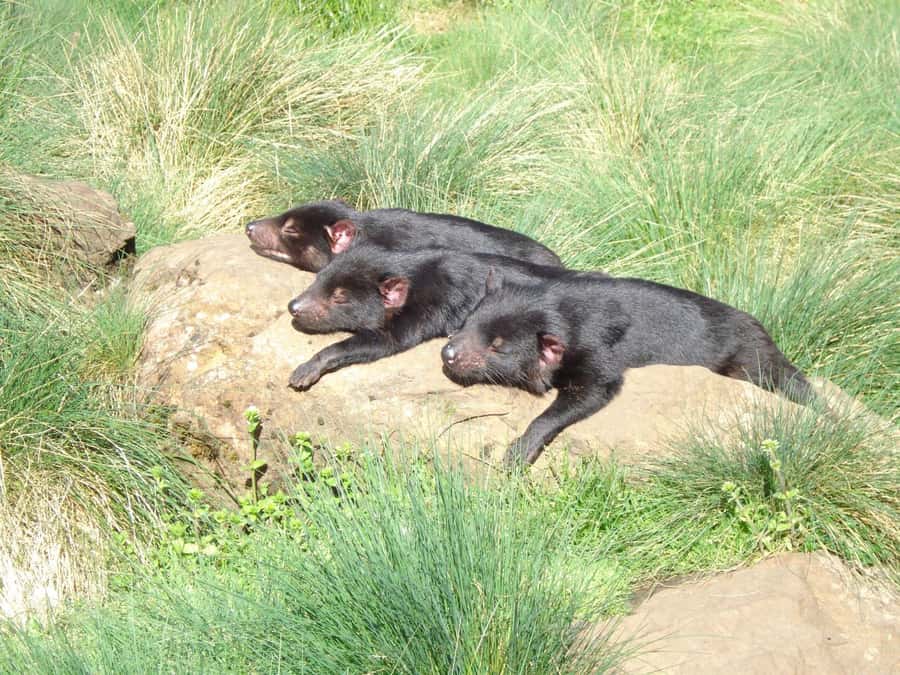
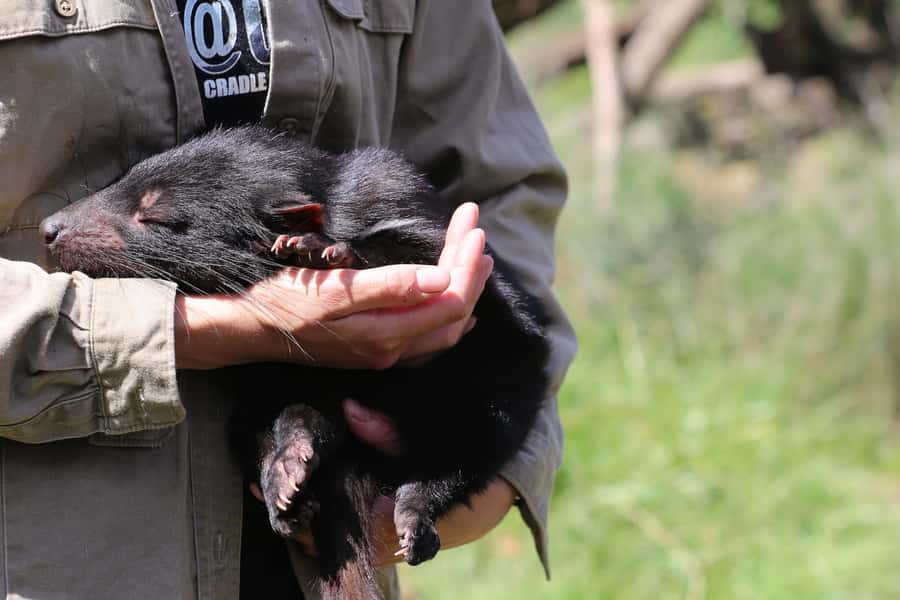
During the walk, you may see devils sleeping in dens, warming themselves in the sun, play fighting, or searching around for food. The guide helps you read these actions. A quiet devil is not necessarily an uninteresting devil. The daytime routine gives you a look at how the animals spend ordinary hours.
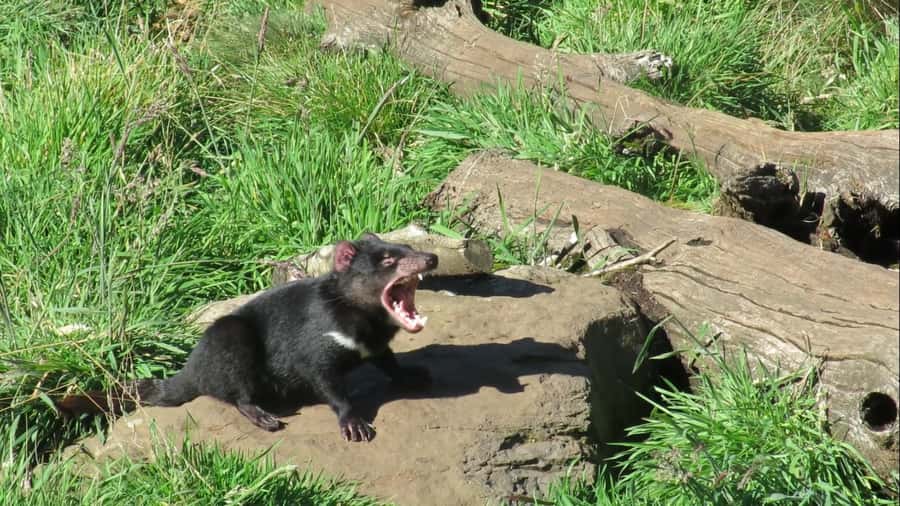
Then there are the sounds. Tasmanian devils are famous for their screams, and hearing those calls in the sanctuary gives the visit a memorable edge. The sound can be startling, especially if you are expecting a quiet walk through a small animal park. It is also a useful reminder that these animals have a strong character far beyond their cartoon reputation.
The keeper’s role is central. Sessions led by guides such as Pru and Sarah have been singled out for clear explanations and an obvious passion for the animals. You should expect the quality of the visit to depend partly on the individual keeper, but the guiding style is meant to add detail you would miss by walking through alone.
One useful benefit of the format is that you get both structure and freedom. The keeper gives you a clear introduction, then you have time to continue around the sanctuary at your own pace. That makes the 45-minute tour feel less like a hard stop and more like a starting point.
Meeting the devils, quolls, and their close relatives
The Tasmanian devil is the main attraction, and rightly so. It is Tasmania’s largest carnivorous marsupial, with a powerful build and an intense expression that does not quite match its small size. The name can make the animal sound frightening, but the keeper talk helps replace old stereotypes with a more accurate picture.
You can watch the devils from viewing areas and enclosures designed to give you a good look. One useful detail from the experience is that the animals can often be seen at close range without the viewing feeling cramped or poorly arranged. The enclosures allow clear sightlines, though the animals still choose what they want to do.
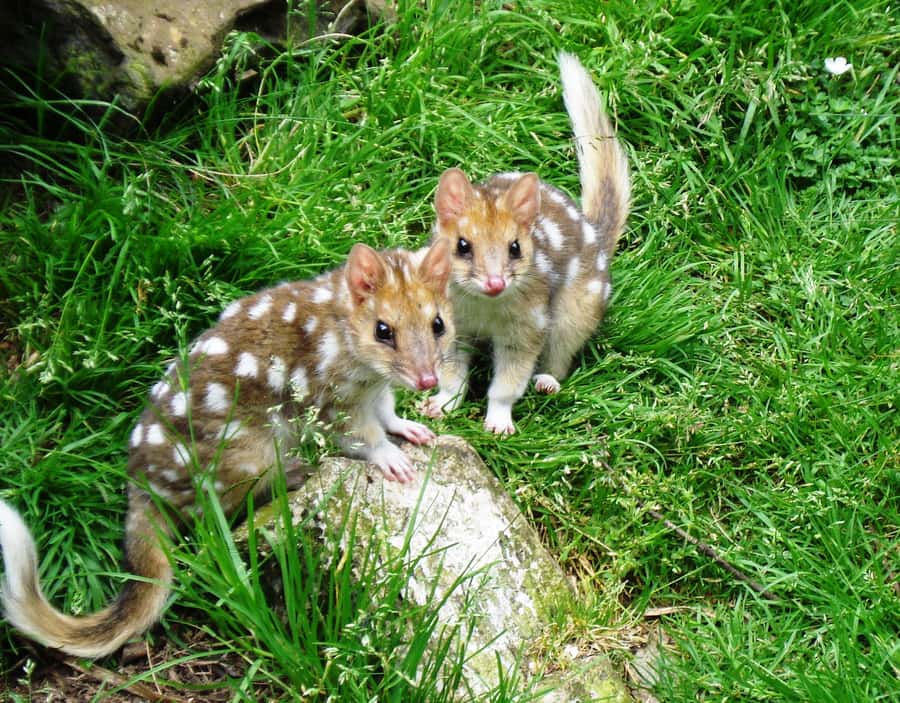
The two quolls add welcome variety. Devils@Cradle also cares for spotted-tail quolls and eastern quolls, the two other largest carnivorous marsupials found in Tasmania. Seeing all three in one place helps you compare their size, markings, movement, and behavior.
The quolls may not have the same name recognition as the devil, but they are an important part of the visit. If you arrive focused only on devils, give yourself time to notice the smaller animals too. The sanctuary’s conservation message applies to them as well.
Animal activity changes with the season and time of day. A January visit may include young devil pups, while a winter visit could offer more movement if the animals are awake and active. That is not a guarantee, but it is a good reason to consider returning at a different time if your first visit is quiet.
The facility is also a good fit for families with an interest in animals. Children may be fascinated by the devils’ calls and physical play, while older children can follow the conservation story. Keep in mind that unaccompanied minors are not allowed, so children must be with an adult.
Daytime viewing: quiet moments and sudden noise
The title Day Keeper Tour tells you something important. This is not the twilight experience, and daytime animals often follow their own schedule. You could see a devil curled up in a den, resting in the sun, or moving around its enclosure. You might also catch play fighting or food-finding at the right moment.
I see this as a benefit if you want to understand natural behavior rather than watch a staged feeding. It does require patience. If you need every animal to be active for your photographs, this tour may not meet your hopes.
The contrast between stillness and noise is part of the fun. One moment the sanctuary may feel calm, then a devil lets out a harsh call that cuts through the air. The screams are not a special performance, but hearing them during a keeper-led walk gives the visit its strongest sense of place.
The weather also affects comfort. The tour takes place rain or shine, and Cradle Mountain can feel cool even when the rest of Tasmania is mild. Bring warm clothing. A wet day may make the paths less comfortable, while a sunny day can leave you wishing you had another layer to remove.
A few more Australia trips to weigh up
- Melbourne Great Ocean Rd Reverse Tour London Bridge Wildlife
★ 4.7 · 2,252 reviews - Solar Whisper Daintree River Crocodile and Wildlife Cruise
★ 5.0 · 1,663 reviews - Blue Mountains: Three Sisters, Scenic World and Wildlife park
★ 5.0 · 1,481 reviews - Exclusive Blue Mountains Wildlife and Bushwalk Tour From Sydney
★ 4.5 · 1,087 reviews
Getting value from the $17 admission
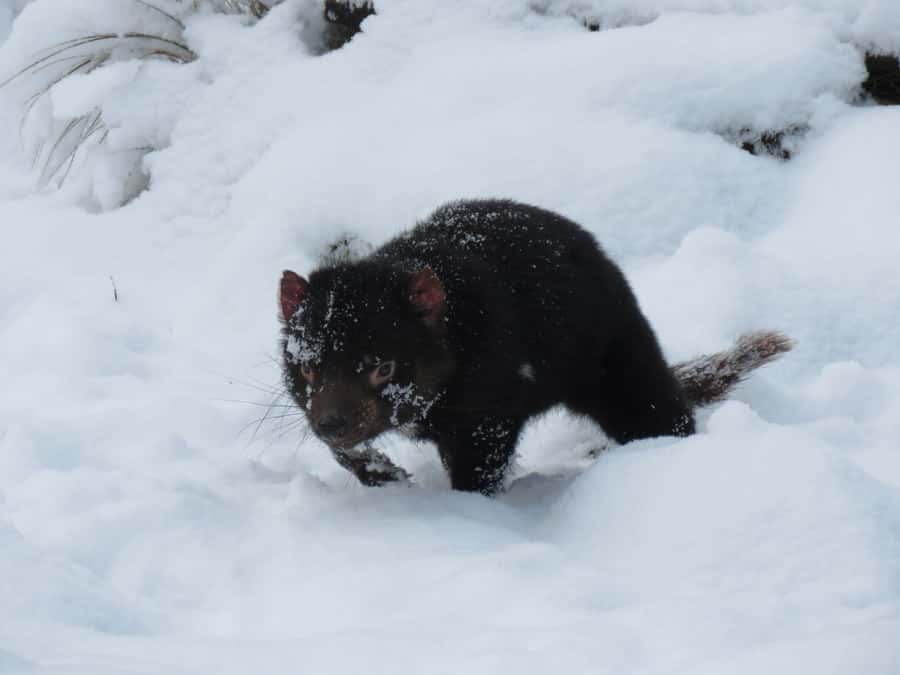
At $17 per person, this is an easy addition to a Cradle Mountain itinerary. The fee includes general entry, the 45-minute guided tour, and free parking. You are paying for more than a quick animal display because the guided explanation gives the visit purpose and detail.
The value is strongest if you use the general admission properly. Do not leave as soon as the keeper talk ends. Walk through the sanctuary again at your own pace and return to animals that were sleeping or hidden during the guided section. The extra time lets you slow down instead of trying to see everything in one pass.
The price also has a conservation benefit. Your admission helps support Devils@Cradle’s work with Tasmanian devils and quolls. That does not turn the ticket into a donation only, since you receive a full wildlife visit, but it does give the spending a useful connection to the animals you are seeing.
The free parking is practical for road trips. Devils@Cradle is about a two-hour drive from Launceston, so it works best as part of a wider route rather than a quick side trip from the city. If you are already visiting Cradle Mountain National Park, the location is far more convenient.
Opening hours are 9:30 AM to 5:00 PM. Check the available tour time before setting your day around the visit, especially if you also need to drive to Launceston or continue through the park.
Paths, viewing areas, and access
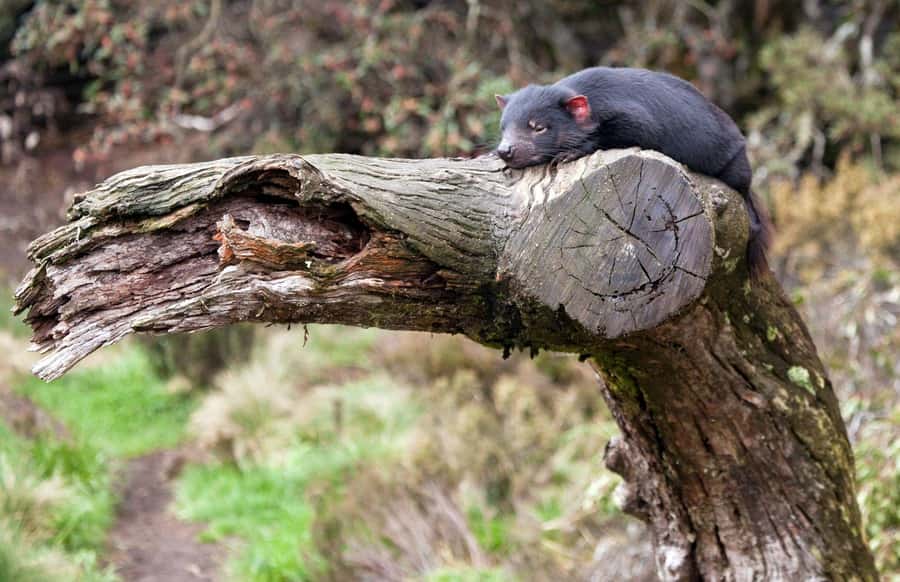
The sanctuary is wheelchair accessible in part. From reception, wheelchair users can reach the main viewing deck, and a side gate can provide direct access to the sanctuary grounds. Staff and tour leaders can accommodate many requests if you arrange them in advance.
You should plan for some limits. Not every section is accessible to wheelchairs, and the grounds include uneven surfaces, steps, natural woodchip paths, platforms, and compacted gravel. This is a wildlife sanctuary with outdoor paths, not a fully level indoor attraction.
That information matters for anyone with reduced mobility, a stroller, or balance concerns. Contact the facility before arrival with your specific needs rather than assuming every section will be available. The staff are described as flexible, but advance planning gives them a better chance to arrange a suitable route.
For everyone else, wear practical shoes. The walk is not long, but uneven ground can slow you down, especially in wet weather. Keep your warm layer with you even if the morning begins pleasantly.
Who will enjoy this tour most
I would recommend the Day Keeper Tour to anyone already visiting the Cradle Mountain region who wants a wildlife experience with a clear conservation purpose. It suits families, animal lovers, photographers who can accept unpredictable behavior, and anyone curious about Tasmania’s native species.
It is also a good choice for people who once pictured devils as aggressive pests. The keeper talk can change that view by showing the animals as complex, threatened marsupials with a place in Tasmania’s natural world.
The tour works well for English-speaking visitors because the live guidance is in English. If you are short on time, the 45-minute format gives you a solid introduction without taking up an entire day.
You may want to choose another activity if you dislike outdoor paths, need a completely level route, or expect a guaranteed feeding show. The animals set the pace here. You are visiting a conservation facility, not a theater.
Timing your stop around Cradle Mountain
The sanctuary opens at 9:30 AM and closes at 5:00 PM. A morning or midday session leaves room to continue exploring afterward, but your choice should also account for your driving plans.
One particularly useful tip is to avoid treating the tour as the entire visit. Plan time after the guided walk to watch the animals on your own. If your keeper session begins at 10:30 AM, for example, you can stay on after the talk and see how activity changes as the morning continues.
A winter return may appeal if you want to see more movement, though conditions at Cradle Mountain can be colder and wetter. Summer may offer a more comfortable walk, but some animals may still be resting during the day. There is no perfect season for every goal.
If you are driving from Launceston, the approximately two-hour journey makes this a poor choice for a rushed morning outing. Combine it with Cradle Mountain plans and allow enough time for the sanctuary, the keeper session, and the return drive.
Final verdict: should you book the Day Keeper Tour?
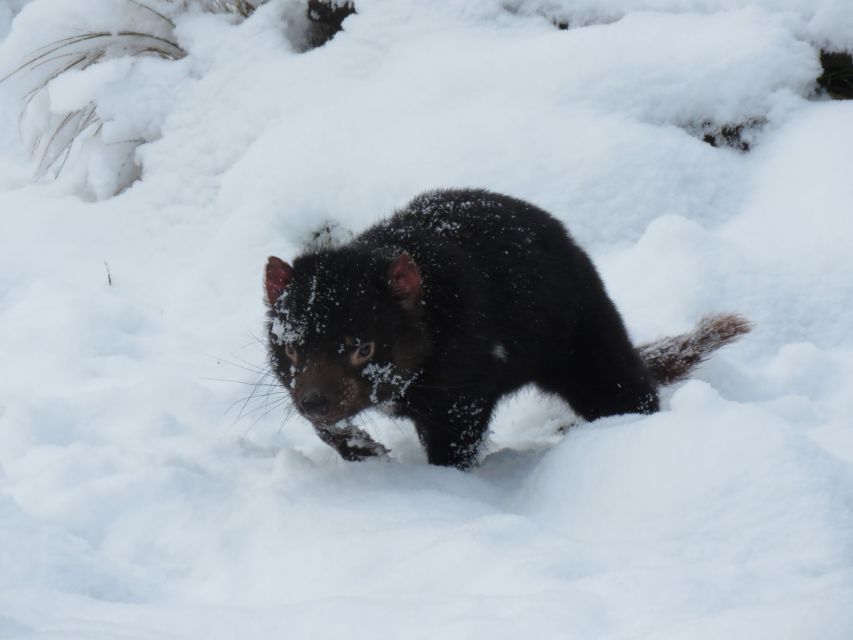
Book it if you want an affordable, focused introduction to Tasmanian devils and quolls, especially when you are already near Cradle Mountain. The $17 fee covers entry, parking, and a keeper-led tour, so the value is hard to fault.
I especially like the mix of direct animal viewing and conservation information. The visit does not promise nonstop movement, but it gives you something better than a quick photo stop: a clearer understanding of why these animals need protection.
Bring warm clothes, allow more than 45 minutes, and accept that daytime devils may be asleep. If you can do that, Devils@Cradle is a worthwhile stop for families, wildlife fans, and anyone who wants their Tasmania road trip to support local conservation.
FAQ
Where is Devils@Cradle located?
Devils@Cradle is in Tasmania, Australia, at the entrance to the World Heritage listed Cradle Mountain National Park.
How much does the Day Keeper Tour cost?
The listed price is $17 per person.
How long does the tour last?
The guided keeper tour lasts 45 minutes.
What does the ticket include?
The ticket includes general entry to the Devils@Cradle Conservation Facility, free parking, and the guided keeper tour.
Which animals can I see?
You can see Tasmanian devils, spotted-tail quolls, and eastern quolls.
Is the tour available in English?
Yes. The live tour guide speaks English.
What are the opening hours?
The sanctuary is open from 9:30 AM to 5:00 PM.
Does the tour operate in bad weather?
Yes. The tour takes place rain or shine.
What should I bring?
Bring warm clothing.
Is the sanctuary wheelchair accessible?
Part of the sanctuary is wheelchair accessible. Wheelchair users can reach the main viewing deck from reception or use a side gate into the sanctuary grounds. Some areas include steps, uneven ground, woodchip paths, platforms, and compacted gravel, so arrange access needs with staff in advance.
Just added around Australia
- Morning Cruise on the Murchison River in Kalbarri (April to Nov)★ 5.0 · 91 reviews
- Kalbarri Rock Lobster Tours★ 5.0 · 54 reviews
- Kalbarri Sunset & Coastal Cliff Cruise★ 5.0 · 59 reviews
- Kalbarri Whale Watching Tour Guided★ 5.0 · 35 reviews
- Kakadu National Park Wildlife & Ubirr Rock Art Tour from Darwin★ 4.5 · 101 reviews
- Jervis Bay Whale Watching Tour★ 4.5 · 353 reviews
- Arnhem Land Yingana Injalak Hill Full Day Tour from Jabiru★ 5.0 · 132 reviews
- Jabiru 30 minute Scenic Flight★ 5.0 · 68 reviews
Wildlife & Zoo Experiences, compared.
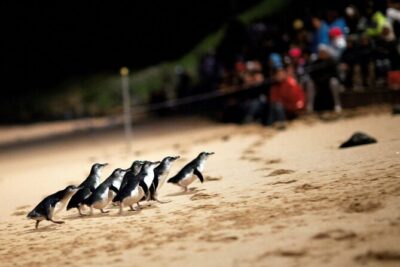
Penguin Parade, & Wildlife Encounters Eco Tour from Melbourne
Read our review →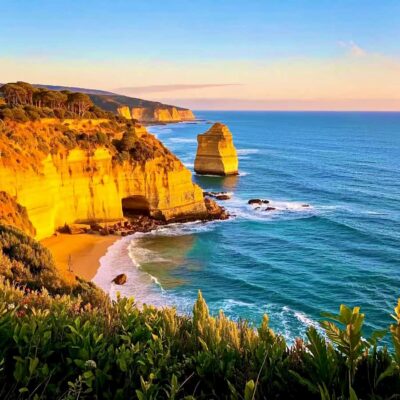
Melbourne Great Ocean Rd Reverse Tour London Bridge Wildlife
Read our review →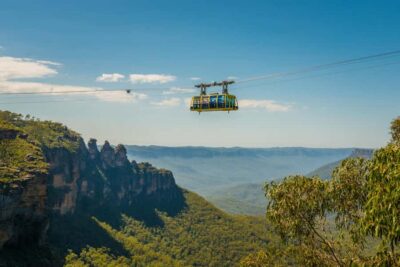
Blue Mountains Adventure: Scenic World, Zoo & Koala Photo
Read our review →

Solar Whisper Daintree River Crocodile and Wildlife Cruise
Read our review →
Browse the lists this tour appears in