Reviewed · STREET ART
Fremantle: Convicts, Culture, and Street Art
Fremantle’s past is far more unruly than its cafés and market stalls suggest. On this walk, you’ll hear about convict escapes, whaling stations, migrant arrivals, and the forced removal of Indigenous people to Rottnest Island, all while moving through the port town itself.
I like the route for two reasons: it connects famous sights such as the Roundhouse and Whaler’s tunnel with less polished local stories, and it gives you a useful first look at the cappuccino strip, harbour, West End, and High Street. Guides including Winona, Vaughan, Joanie, and Daniel bring a relaxed, personal style rather than delivering a dry lecture.
The main consideration is that this is an outdoor walking tour. Rain and cold weather can affect the experience from April through August, and one outing lasted close to three hours, so leave some space in your day rather than booking a tight connection afterward.
In This Review
- Key points at a glance
- Why Fremantle works best on foot
- Starting at Kings Square and the Visitors Centre
- The cappuccino strip and Fremantle’s changing character
- The boat harbour and the salty side of town
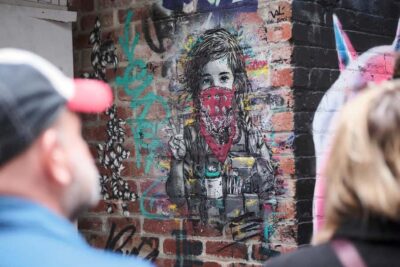
- Street art and the stories behind it
- West End streets and High Street
- The Whaler’s tunnel and the Roundhouse
- A guide-led history lesson that does not feel like school
- What $46 buys you
- Weather, shoes, and access
- Who should book the Fremantle walk
- Should you book it?
- FAQ
- Where does the Fremantle walking tour begin?
- How long is the tour?
- What language is the tour conducted in?
- What does the tour include?
- Is hotel pick-up included?
- Is the tour wheelchair accessible?
- What should I wear?
- What is the cancellation policy?
Key points at a glance
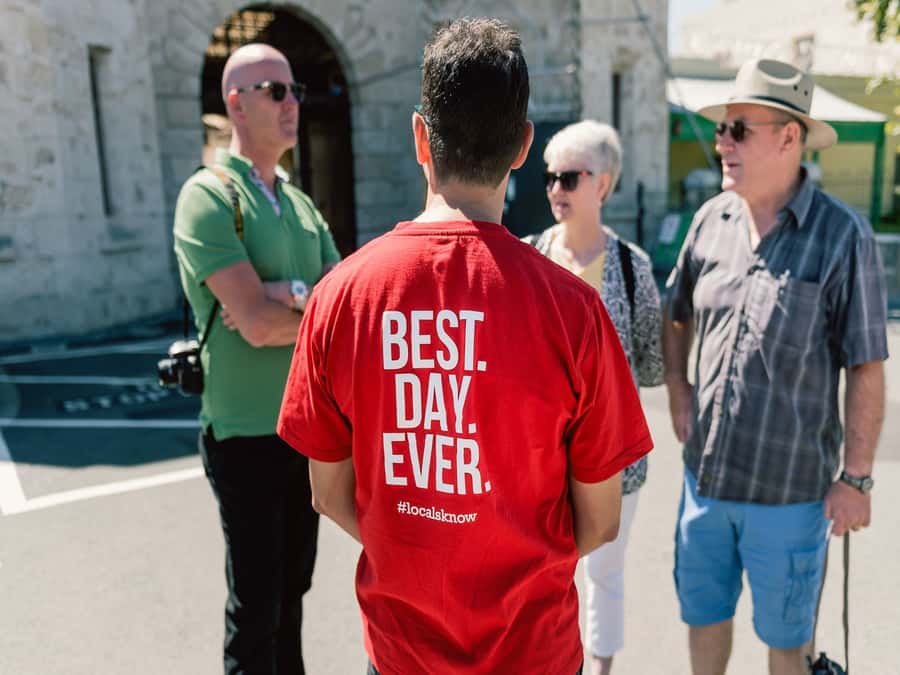
- Convict stories with real places attached: Hear how nearly 10,000 men were transported from Great Britain and Ireland and helped build Fremantle’s prison.
- A wide-ranging town route: Walk through the cappuccino strip, boat harbour, narrow West End streets, High Street, and the area around the Roundhouse.
- Street art with local meaning: See art in the streets and learn about the stories and social themes it reflects.
- Guides who adapt to the group: Hosts such as Winona and Vaughan have been praised for answering questions and adjusting the walk to suit interests.
- A useful orientation to Fremantle: You finish with local suggestions for further walks, museums, cafés, and independent exploring.
- Good value for a walking tour: At $46 per person, the two-hour experience is reasonably priced if you want history, bearings, and local context in one outing.
Why Fremantle works best on foot
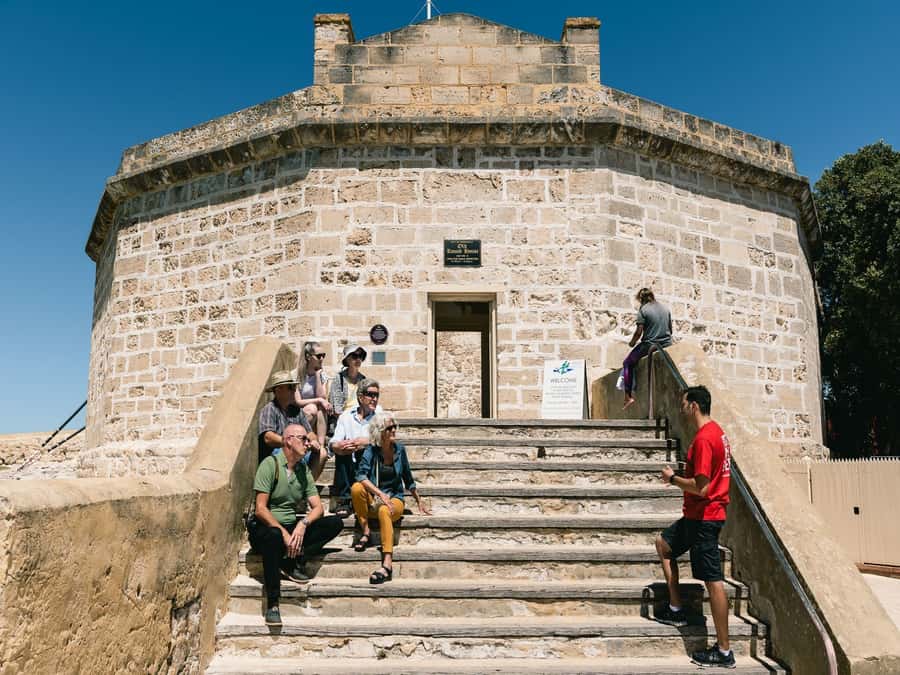
Fremantle is compact enough to explore by walking, but its character changes from block to block. Around the visitor centre, you get central streets and cafés. Near the port, the town’s working maritime past comes into view. In the West End, narrow streets and older buildings give the tour a more atmospheric feel.
I like this format because the stories are tied to the ground beneath your feet. Instead of hearing about convicts in an abstract museum setting, you move through the town they helped build. Instead of treating street art as decoration, the guide explains the stories it carries.
The walk also joins parts of Fremantle that you might otherwise see as separate stops. You get the social side of the town along the cappuccino strip, the harbour’s seafaring character, and the older civic and prison landmarks in one route.
This is not a sightseeing bus tour. You need to walk for two hours, sometimes through streets and open areas exposed to the weather. Wear shoes you can comfortably use on pavement and bring weather protection, especially in the cooler, wetter months.
A few more Fremantle trips to weigh up
- Melbourne Street Art Tour
★ 5.0 · 378 reviews - Melbourne: Street Art Walking Tour with a Street Artist
★ 4.9 · 147 reviews - Brisbane Small Bars and Street Art Tour
★ 5.0 · 34 reviews
Starting at Kings Square and the Visitors Centre
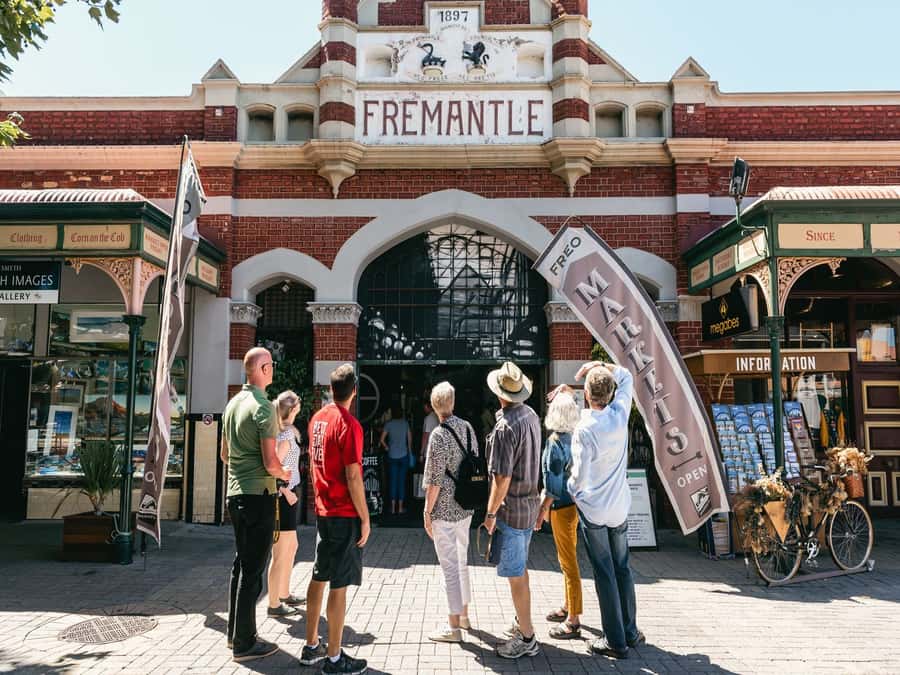
The meeting point is the Fremantle Visitor Information Centre at Kings Square, Fremantle WA 6160. This is a sensible place to begin because you are already in the centre of town, with cafés and other attractions nearby.
Your guide leads the group from the visitor centre rather than leaving you to navigate between scattered sites. The tour is conducted in English and includes a professional local host, local history, entertaining stories, and practical suggestions for the rest of your stay.
The tone appears to be one of the strongest parts of the experience. Guides have included Winona, Vaughan, Joanie, and Daniel. Winona is especially good at finding out what a small group wants to learn, while Vaughan has been praised for combining solid local knowledge with humour and an easy pace.
That flexibility matters. A fixed script can be useful, but it can also leave you listening to material that does not interest you. Here, you can ask questions and steer some of the conversation toward the parts of Fremantle that catch your attention.
The cappuccino strip and Fremantle’s changing character
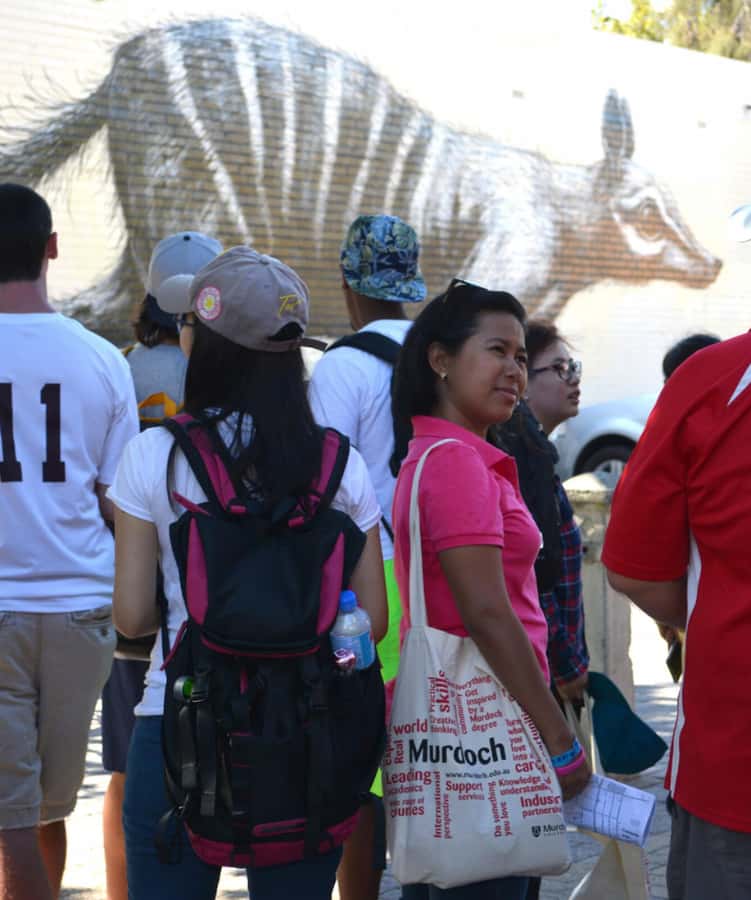
The route passes through Fremantle’s well-known cappuccino strip, where cafés, restaurants, and street life give the town its present-day feel. This section helps you see how a former port and convict settlement became a popular cultural centre.
The value here is the contrast. You are not only looking at old buildings or hearing about hard lives at sea. You are also seeing the modern town that grew from migration, trade, and several cultures living close together.
The tour presents Fremantle as a place shaped by different groups. Sailors, whalers, convicts, migrants, and local communities all appear in the story. Some of that past is colourful and amusing, while some is painful and disturbing.
The guide’s role is important in this part of the walk. Anecdotes about unusual characters and local incidents can make the town easier to remember than a list of dates. At the same time, the tour does not avoid difficult subjects, including the expulsion of Indigenous people to Rottnest Island.
You should expect a mixture of factual history and storytelling. If you want a formal academic lecture, this may feel informal. If you want a clear sense of how Fremantle developed and why its streets feel the way they do, the approach works well.
The boat harbour and the salty side of town
At the boat harbour, the focus shifts toward Fremantle’s maritime past. The port was a gateway for migrants and a workplace for people connected with whaling and shipping. Your guide explains the people and industries that made the town tough, practical, and closely tied to the sea.
This is where the idea of Fremantle as a port town becomes more than a label. You can connect the stories of sailors, new arrivals, and local workers with the harbour setting around you.
The experience also brings out the human side of that history. You hear about people described as hard-nosed sea dogs, along with the newcomers who arrived from far away and helped shape the town’s culture. These personal details give the maritime section more life than a simple account of trade routes.
The harbour can also be one of the more exposed parts of the walk. On a sunny day, it should be a pleasant place to pause and take in the setting. In rain or strong wind, you will be glad to have checked the forecast and dressed properly.
Same coast, a completely different day out:
- From Fremantle: Rottnest Island Ferry and Bike Day Tour
★ 4.6 · 805 reviews - Discover Rottnest with Ferry & Bus Tour
★ 4.5 · 743 reviews - From Fremantle: 2-Hour Luxury Whale-Watching Cruise
★ 4.8 · 455 reviews - Rottnest Grand Island Package with Ferry, Tour & Light Lunch
★ 4.5 · 445 reviews
Street art and the stories behind it
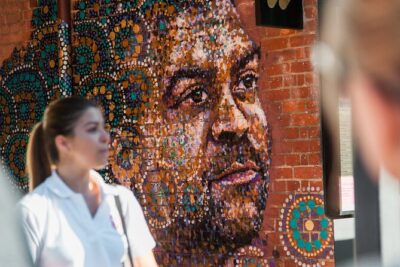
Street art is not a side note here. It is part of the route and part of the way the tour explains present-day Fremantle.
You will see art in and around the streets while learning about the stories it relays. This adds a modern layer to the older material about convicts, migrants, and maritime workers. It also keeps the walk from becoming a procession of heritage plaques.
I like this mix because it shows that Fremantle’s past is still being interpreted in public spaces. The old town is not frozen in one period. New artists and local voices continue to respond to its identity.
The amount of time spent on street art may vary with the guide and the group’s interests. If it is a major reason for booking, mention that when you meet your host. A small group may allow more room for questions and discussion, as happened on one walk led by Winona.
You should also treat this as an introduction rather than a specialist street-art tour. The wider subject is Fremantle itself, with art included alongside maritime history, convict stories, immigration, and local landmarks.
West End streets and High Street
The narrow streets of Fremantle’s West End provide a useful change from the open harbour. This part of the route lets you look more closely at the town’s older urban fabric and hear how different communities used these streets.
High Street adds another important piece to the walk. The guide helps you read the town as a collection of layers rather than as a set of isolated buildings. That makes the experience useful even if you are already planning to visit museums or historic sites later.
The route is also practical for orientation. After two hours, you should have a better sense of where the main central areas sit in relation to the port and West End. One guest found the walk useful for planning further walks and deciding what to inspect independently.
Do not expect a long stop inside every landmark. The focus is on walking, looking, and listening, not on spending extended time in one building. If you want a detailed interior visit to the Roundhouse or other museums, plan that separately.
The Whaler’s tunnel and the Roundhouse
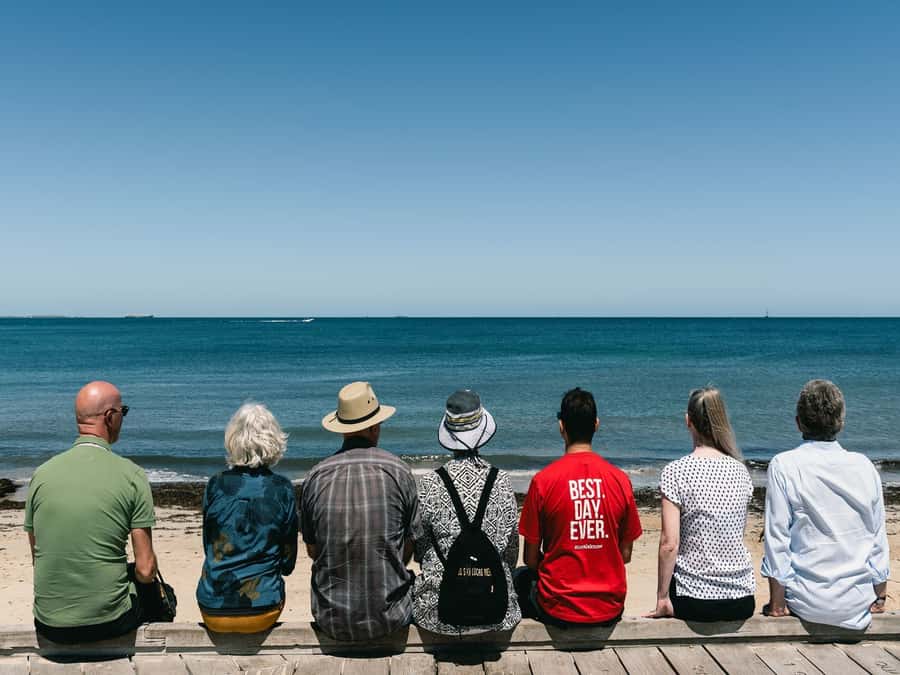
The Whaler’s tunnel is one of the more unusual features on the route. Set among Fremantle’s streets and market areas, it offers a physical reminder of the town’s connection with whaling and the sea.
A tunnel is easier to remember than a paragraph about maritime industry. As you pass through or around it, the guide can connect the structure with the people and work that once defined this part of town.
The Roundhouse brings the convict story into sharper focus. Nearly 10,000 men were transported from Great Britain and Ireland, and convicts helped build their own prison. That detail alone gives the subject a grim twist: the people confined by the system were also used to construct the machinery of their confinement.
You will hear about prisoner escapes and convict antics, which keeps the subject human and unpredictable. These stories are not just about punishment and transport. They show how people resisted, adapted, and sometimes behaved in ways that made life difficult for authorities.
The Roundhouse is also a good place to consider the wider legacy of the convict system. Convict labour helped shape Western Australia, but the story is not one of simple progress. The tour places those achievements beside the coercion and suffering that made them possible.
A guide-led history lesson that does not feel like school
The strongest feature of this experience is the guide. A good walking route can fall flat if the host simply recites dates. Here, the emphasis is on factual material, local anecdotes, and unusual stories.
Winona has been praised for asking what a small group wanted to learn rather than relying only on a standard speech. Vaughan has led walks at a relaxed pace and has suggested museums worth visiting afterward. Joanie has also been described as warm and informative, while Daniel has been noted for his personable manner.
Those details tell you what kind of experience to expect. The tone is friendly and conversational, with room for questions. You are likely to get more out of it if you take part rather than simply staying at the back of the group.
The pace seems moderate, but walking tours depend on the guide, weather, and group. One experience lasted nearly three hours, despite the stated duration of two hours. That extra time may be welcome if you enjoy conversation, but it could matter if you have a lunch booking, ferry, train, or other timed activity.
What $46 buys you
The price is $46 per person for a two-hour guided walk. There is no hotel pick-up or drop-off for individual bookings, and bottled water is not included.
For that price, you are paying mainly for the local host’s time, route planning, and ability to turn ordinary streets into a connected story. I consider it fair value if you want a strong introduction to Fremantle and prefer personal explanation to exploring alone.
The value is higher for a first visit. You get basic orientation, historical context, local tips, and a list of places worth returning to. One guide directed the group toward two museums, which made the walk more useful as the start of a wider Fremantle visit.
The value is lower if you already know the town well or want admission to several historic interiors included in the fee. This is a walking experience, not a museum pass.
You can reserve now and pay later, which is useful if your itinerary is still shifting. Free cancellation is available up to 24 hours before departure for a full refund. You should still contact the local partner 24 hours before the tour to confirm your departure.
Weather, shoes, and access
Wear comfortable shoes. The tour covers streets, harbour areas, and historic sections over two hours, so flimsy footwear could make the walk less enjoyable.
April through August can bring cold weather and rain. Check the forecast the day before and carry a rain jacket or another suitable layer if conditions look uncertain. There is no bottled water included, so bring your own if you like having water while walking.
The tour is wheelchair accessible. It is conducted in English, and the live guide provides the commentary in person.
Because there is no regular hotel transfer, you need to make your own way to Kings Square. Group hotel pick-up and drop-off can be requested, but it is not part of the standard individual booking.
Who should book the Fremantle walk
I would choose this tour for a first visit, a short stay, or a day when you want context before exploring on your own. It suits people who enjoy local stories, historic streets, street art, and a guide who can answer questions.
It is also a good choice for families with older children who may prefer tales of escapes and unusual characters to a formal museum lecture. The two-hour length gives you a useful introduction without taking up an entire day.
History fans should appreciate the convict and maritime material, though anyone seeking detailed academic treatment may want to add a museum visit afterward. Street-art fans should book it as a broad Fremantle tour with street art included, not as a specialist art walk.
People with limited mobility can consider it because the experience is wheelchair accessible. Still, confirm any personal access needs with the local partner before departure, since the route covers public streets and outdoor areas.
Should you book it?
I would book this for the first morning or afternoon of a Fremantle stay. It gives you the town’s main story in a compact walk, then leaves you better prepared to choose a museum, café, market, or further street walk.
The best reason to go is the combination of convict history, maritime tales, and street art. The main caution is weather and timing, especially if your walk runs beyond the stated two hours.
At $46, it is a sensible buy if you value a good local guide. Try to join when you can spare a little extra time, arrive ready for the weather, and ask your host what to see next. That is how this short tour earns its place in a Fremantle itinerary.
FAQ
Where does the Fremantle walking tour begin?
It begins at the Fremantle Visitor Information Centre at Kings Square, Fremantle WA 6160.
How long is the tour?
The stated duration is two hours. One outing lasted close to three hours, so allow some extra time if your schedule is tight.
What language is the tour conducted in?
The live tour guide speaks English.
What does the tour include?
It includes a two-hour guided walking tour, a professional local host, local history and entertaining stories, and local tips.
Is hotel pick-up included?
Hotel pick-up and drop-off are not included for standard bookings. Group transfers can be requested.
Is the tour wheelchair accessible?
Yes, the activity is listed as wheelchair accessible.
What should I wear?
Wear comfortable shoes and dress for the weather. From April through August, cold conditions and rain are possible, so check the forecast the day before.
What is the cancellation policy?
You can cancel up to 24 hours before departure for a full refund. You can also reserve now and pay later.
Just added around Fremantle
- Educational Whale Watching Tour from Perth★ 5.0 · 160 reviews
- Rottnest Island scuba dive tour★ 5.0 · 25 reviews
- Scuba Dive The Beautiful Rottnest Island for Certified divers★ 5.0 · 65 reviews
- Rottnest Island Round Trip Ferry from Fremantle★ 4.0 · 51 reviews
- Rottnest Island Boat Dive Day Trip including Lunch★ 4.5 · 77 reviews
- Rottnest Island Deep Dive Day Trips★ 5.0 · 29 reviews
- Rottnest Island Bayseeker Day Trip from Fremantle★ 4.5 · 50 reviews
- Fremantle to Rottnest Island Roundtrip Ferry Ticket★ 4.5 · 218 reviews