
Reviewed · WILDLIFE & ZOO EXPERIENCES
Hobart: Admission Ticket to Bonorong Wildlife Sanctuary
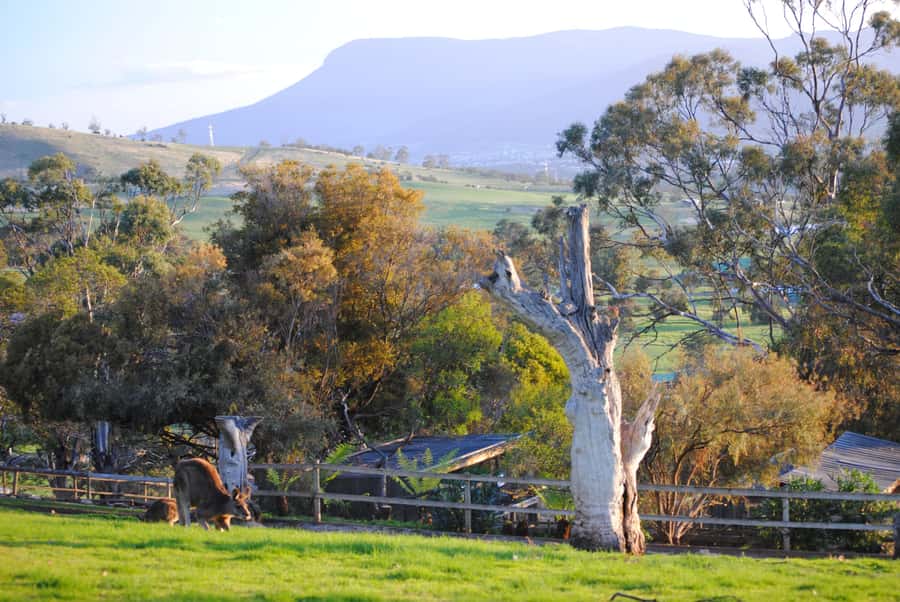
Bonorong Wildlife Sanctuary gives you something a standard zoo visit cannot: free-roaming kangaroos that accept food from your hand as you walk among them. You can also see Tasmanian devils, wombats, echidnas, quolls, birds and other Australian animals at close range.
I like the clear conservation purpose and the daily keeper talks, which turn a quick animal visit into a lesson about injured, orphaned and endangered wildlife. I also like the simple value: your $25 admission includes a bag of kangaroo food, guided tours, parking and access for 365 days.
The main drawback is exposure to the weather. Some paths and animal areas have limited shade, which matters on a hot sunny day. Food and drinks are extra, and you must arrange your own transport.
In This Review
- Key points at a glance
- Why Bonorong feels different from a regular zoo
- Start with the kangaroos
- Tasmanian devils are the headline animals
- Wombats, echidnas and quolls add variety
- What the guided tours add
- A working sanctuary, not only an animal display
- How to plan your visit around the $25 price
- Access, rules and practical comfort
- Who will enjoy Bonorong most
- Six things worth remembering before you go
- Should you book Bonorong Wildlife Sanctuary?
- FAQ
- What does the Bonorong Wildlife Sanctuary ticket include?
- Can I feed the kangaroos?
- Will I see Tasmanian devils?
- How long is the ticket valid?
- Are food and drinks included?
- Is Bonorong Wildlife Sanctuary wheelchair accessible?
Key points at a glance
- Hand-feed kangaroos: Walk among free-roaming kangaroos and use the supplied bag of food.
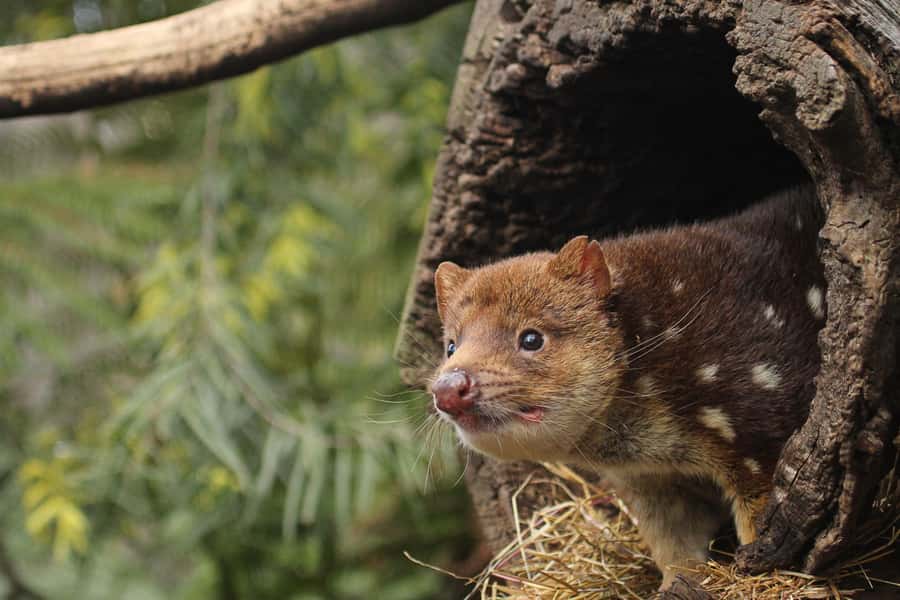
- See Tasmania’s special animals: Look for Tasmanian devils, wombats, echidnas, eastern quolls and sugar gliders.
- Learn from the keepers: Daily English tours explain animal behavior, threats and protection work.
- Meet animals in care: Bonorong takes in injured, orphaned or disabled animals that cannot safely return to the wild.
- Good family value: Admission includes parking, kangaroo food and access to the sanctuary for one year.
- Plan for the sun: Some areas have little shade, so bring protection for a warm, clear day.
Why Bonorong feels different from a regular zoo
Bonorong Wildlife Sanctuary is built around animal care and conservation, not just display. The animals you see may be too young, injured or disabled to survive safely in the wild. That gives the visit a more serious purpose than simply ticking off Australian species.
I find this especially useful if your main aim is to understand Tasmania’s wildlife rather than only photograph it. The daily tours explain the threats facing native animals and show how keepers support them. You get a closer look at the practical side of conservation, including why some animals can be released and why others must remain in care.
The sanctuary also helps you see animals that are difficult to find in the wild. Tasmanian devils are the obvious draw, but wombats, echidnas and eastern quolls are just as rewarding. You might also see sugar gliders, parrots, kookaburras and other birds.
Bonorong is not presented as a wilderness walk. It is a managed sanctuary with paths, enclosures and keeper-led presentations. That is useful to remember when setting expectations. You will have a much better chance of seeing a Tasmanian devil here than during a short drive through Tasmania, but the visit is still about protected animals in human care.
More Wildlife & Zoo Experiences in Hobart
- Day Tour in Mt. Field, Mt. Wellington, Bonorong Wildlife Sanctuary and Richmond
★ 5.0 · 735 reviews - From Hobart: Mt. Field, Mt. Wellington and Wildlife Day Tour
★ 4.8 · 261 reviews - Bonorong Wildlife Sanctuary Half-Day Tour from Hobart
★ 4.5 · 158 reviews
Start with the kangaroos
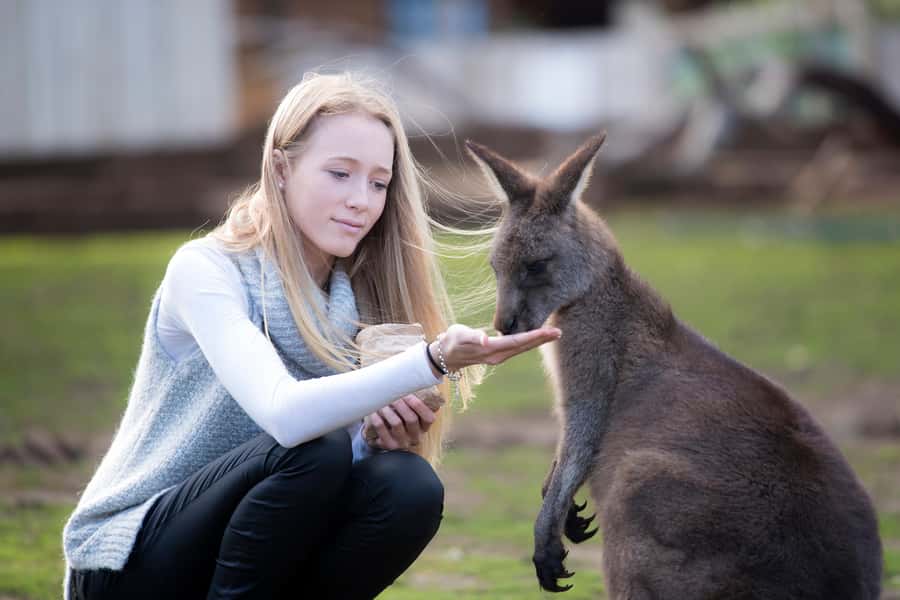
The kangaroo area is the easiest part of the experience to enjoy right away. Your ticket includes a bag of food, and kangaroos roam freely within the sanctuary rather than remaining behind a barrier.
You can offer the food by hand and watch the animals move around you. This close contact is the moment many families will remember most, and it gives children a simple, direct way to learn how to behave around wildlife. Move calmly, follow staff instructions and let the animals choose how close they want to come.
I like that the kangaroos are not treated as a quick photo prop. Their free movement makes the area feel less staged, even though it is still carefully managed. You can return to this part of the sanctuary during your visit, so you are not limited to one short feeding session.
The food is included, but additional food and drinks are not. Plan to buy refreshments separately if you expect to stay for several hours. The sanctuary has an on-site concession, and food was described as a pleasant part of the day, but it is not part of the $25 ticket.
Tasmanian devils are the headline animals
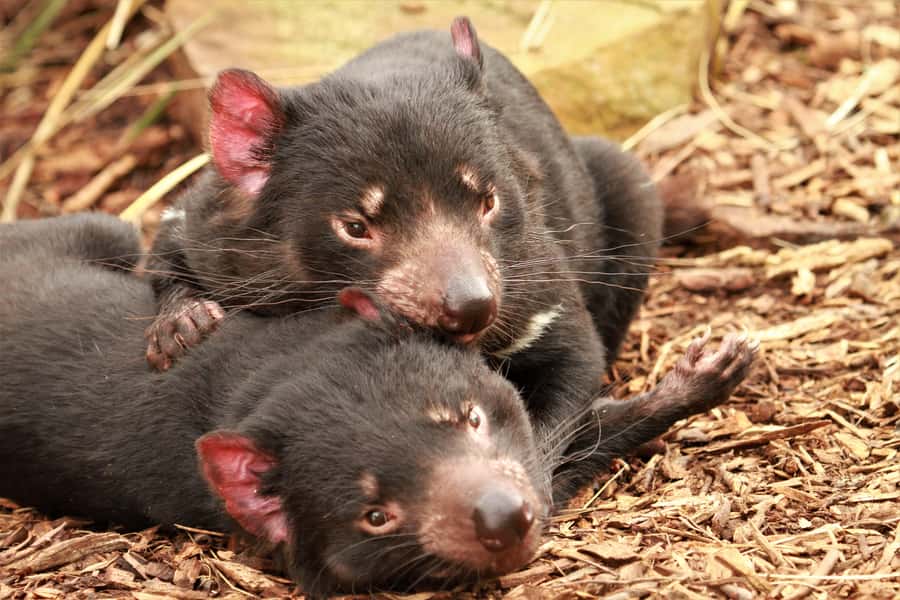
For many people, Bonorong’s main purpose is seeing a Tasmanian devil. That makes sense. This compact, powerful marsupial is one of Tasmania’s best-known animals, and the sanctuary gives you a reliable chance to see one while learning about the species.
A guided presentation adds more value than simply spotting a devil in an enclosure. Keepers explain the animal in general terms and may also discuss the particular devil in their care, including its name, age and why it came to the sanctuary. Those details help you understand that each animal has its own story.
The devils can be active, which makes the visit more engaging than a static display. Still, animal behavior is never guaranteed. You should come ready to watch patiently rather than expect a dramatic performance on demand.
The conservation message matters here. Bonorong’s work is tied to animal protection and care for wildlife that cannot safely live in the wild. The result is a visit that gives you both a close look at a famous species and a better sense of the pressures native animals face.
Wombats, echidnas and quolls add variety
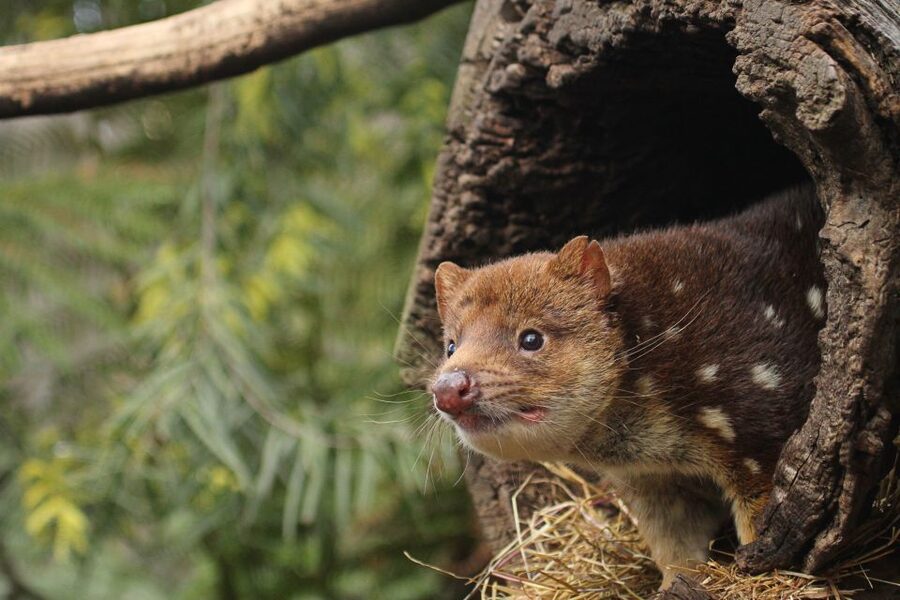
The sanctuary’s appeal goes well beyond devils and kangaroos. Wombats provide a chance to see one of Australia’s most distinctive ground-dwelling animals at close range. Their heavy build and calm presence make them especially popular with families.
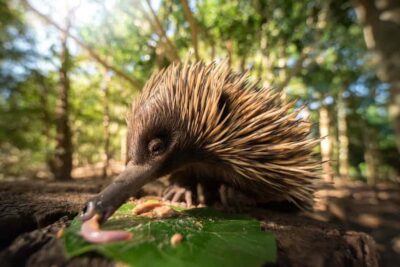
Echidnas are another strong part of the visit. They are unusual, shy animals, and a keeper talk can show you details that are easy to miss when you are simply walking past an enclosure. The guided format helps you understand how the animals feed, move and cope in the wild.
The eastern quoll and sugar glider add smaller-scale interest. These animals may not have the instant recognition of a kangaroo, but they show you how varied Tasmania’s native wildlife is. You might also see parrots and kookaburras, giving the visit a useful mix of mammals and birds.
Some animals at Bonorong may be species that disappeared from other parts of Australia long ago. That fact gives the sanctuary a wider role in protecting animals that have become rare or locally absent. It also makes the visit worthwhile for anyone interested in Australia’s changing natural world.
Same coast, a completely different day out:
- Bruny Island Food, Sightseeing, Guided Lighthouse Tour & Lunch
★ 5.0 · 2,989 reviews - Full-Day Guided Bruny Island Tour from Hobart
★ 5.0 · 1,331 reviews - kunanyi/Mt Wellington Explorer Bus- Return Tour (2.5 hours)
★ 5.0 · 1,249 reviews - Hobart: Bruny Island Food, Sightseeing & Lighthouse Day Tour
★ 4.8 · 960 reviews
What the guided tours add
Daily guided tours are included with admission and are conducted in English. The keepers explain the different animals, the dangers they face and the steps used to protect them.
The best part is the connection between general information and individual animals. A keeper may explain the habits of a species, then feed or introduce a particular animal and describe its background. This helps you understand why the sanctuary has taken that animal in and what care it needs.
The talks also give structure to your visit. Instead of wandering without context, you can use the schedule to see selected animals with a staff member, then explore the rest of the grounds at your own pace. Check the available start times when booking because the ticket information does not set out one fixed daily schedule.
I would make the tours a priority, especially on a first visit. A self-guided walk lets you see plenty, but the keepers provide the details that explain Bonorong’s purpose. They also answer the basic questions that come up when you see an animal living under human care.
There are no named guides provided for this activity, so you should expect a rotating team of English-speaking keepers rather than one guaranteed host. Their role is hands-on: feeding animals, explaining their needs and showing how the sanctuary protects them.
A working sanctuary, not only an animal display
One memorable feature is the chance to see the care side of the operation. An animal hospital is on site, and you might be able to watch veterinary staff examine or operate on injured animals.
This is valuable, but it can also be confronting. A sanctuary that treats injured wildlife is not always as lighthearted as a petting attraction. Children may enjoy the animals, yet parents should decide how much medical care they are comfortable showing them.
The hospital helps explain why Bonorong exists. Some animals arrive hurt or abandoned, and the aim may be to release them once they are strong and independent. Others have injuries or disabilities that prevent release, so the sanctuary becomes their permanent home.
That distinction is important. Seeing an animal in an enclosure does not mean it has been taken from the wild for display. In many cases, the animal is there precisely because returning it would be unsafe. The keeper talks help explain those decisions.
How to plan your visit around the $25 price
At $25 per person, this is a strong-value activity if you plan to stay for several hours. The price covers admission, a bag of kangaroo food, daily guided tours and on-site parking. You are not paying extra for the most popular hands-on part of the visit.
The ticket is valid for 365 days, which gives it unusual flexibility. If you live in Tasmania, return visits make the price even more attractive. If you are visiting Hobart for a shorter trip, the year-long validity is less important, but it still removes pressure to use the ticket on one tightly fixed date.
The duration listed is 365 days, which refers to ticket validity rather than the length of one visit. You should treat Bonorong as a substantial day outing, not a timed attraction with a brief entry window. The exact length is up to you and depends on how many talks you attend and how long you spend with the kangaroos.
Food and drinks are not included. A concession is available on site, but keep that extra cost in mind when planning your budget. Transfers are also not included, although on-site car parking is provided.
The reserve-now, pay-later option can help if your Tasmania plans are still moving around. You can cancel up to 24 hours before the visit for a full refund. Those terms are useful for a weather-sensitive activity, especially when shade is limited.
Access, rules and practical comfort
Bonorong is wheelchair accessible, making it suitable for a wider range of visitors. The paths and animal areas are designed for a public visit, though the supplied information does not give detailed notes about every surface, slope or restroom.
Wear practical outdoor clothing and plan for sun. Limited shade was the clearest comfort concern, so a hat, sunscreen and water are sensible choices for a warm day. Since you may spend time outdoors waiting for a keeper talk or feeding kangaroos, weather can shape how enjoyable the visit feels.
Smoking and vaping are not allowed anywhere within the sanctuary. You also cannot bring animals onto the property without permission, including assistance dogs. Contact the sanctuary before arrival if an assistance animal is part of your plan.
Skateboards, rollerblades, bicycles, tricycles and similar equipment are not allowed because they may endanger animals or people. Sporting equipment is also prohibited. These rules may feel strict, but they make sense in a place where animals can move close to the public.
Photography is encouraged as part of the experience, but the welfare of the animals comes first. Keep your movements calm, avoid forcing contact and listen to the keepers when they explain how to feed or approach an animal.
Who will enjoy Bonorong most
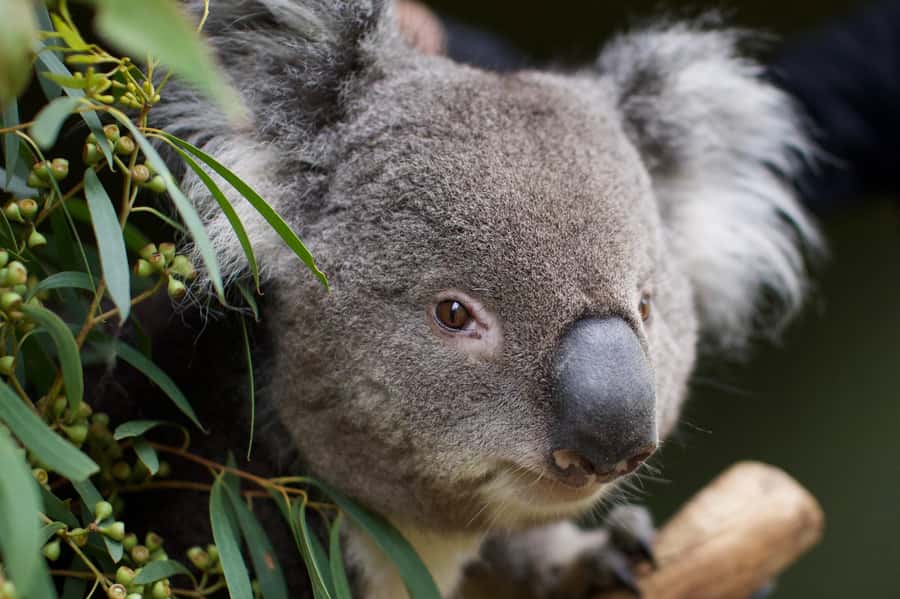
I would choose this activity for families, first-time visitors to Tasmania and anyone determined to see a Tasmanian devil. The kangaroo feeding is easy to understand and highly interactive, while the keeper talks give older children and adults something more thoughtful to take home.
It also suits visitors who want a wildlife experience with a conservation focus. You will learn about injured and orphaned animals, the limits of returning them to the wild and the work involved in protecting native species.
Photographers should find plenty of close subjects, from kangaroos and wombats to birds and devils. The animals are not guaranteed to pose, and some areas may be sunny, but the close access gives you good chances for memorable photographs.
I would be less likely to recommend it to someone seeking a remote wilderness experience. Bonorong is a sanctuary, not a national park, and its strength is dependable access, staff explanation and animal care. You come for close encounters and conservation education, not solitude.
Six things worth remembering before you go
- The $25 admission includes kangaroo food, so you can begin the hands-on part without buying an extra experience.
- The sanctuary is wheelchair accessible, but detailed information about every path is not provided.
- English is the available language for hosts and guided tours.
- The 365-day validity is helpful for local residents and flexible plans, but it does not mean one visit lasts a year.
- Transfers are not included, while on-site car parking is included.
- You cannot bring pets or other animals without permission, and smoking and vaping are prohibited.
Should you book Bonorong Wildlife Sanctuary?
Book it if you want close contact with Australian wildlife and a clear explanation of how a sanctuary works. The combination of hand-feeding kangaroos, seeing Tasmanian devils and joining keeper talks gives you more than a quick animal viewing stop.
The value is strongest for families and anyone who will attend several talks or return during the ticket’s 365-day validity. The main caution is the weather, especially on a hot day with limited shade. Bring sun protection, budget separately for food and arrange your own transport.
For most visitors to Hobart who want to see Tasmania’s best-known animals in one place, Bonorong is a practical and worthwhile choice. Go with respect for the animals, make time for the talks and treat the kangaroo area as an encounter, not a rushed photo stop.
FAQ
What does the Bonorong Wildlife Sanctuary ticket include?
The ticket includes admission, a bag of kangaroo food, access to daily guided tours and on-site car parking.
Can I feed the kangaroos?
Yes. Free-roaming kangaroos are within the sanctuary, and the ticket includes a bag of food for hand-feeding them.
Will I see Tasmanian devils?
Tasmanian devils are among the animals at the sanctuary, and the guided experience includes information about them. Animal activity can vary, so sightings and behavior are not guaranteed at every moment.
How long is the ticket valid?
The ticket is valid for 365 days. This refers to the ticket validity period, not the length of one visit.
Are food and drinks included?
No. Food and drinks are not included in the admission price. Food is available at the on-site concession for an additional cost.
Is Bonorong Wildlife Sanctuary wheelchair accessible?
Yes. The activity is listed as wheelchair accessible. You should contact the sanctuary directly if you need specific information about a particular route or facility.
More Wildlife in Hobart
- 4 Day Wild Tasmania Tour / Wildlife, Nature, Hiking / Inc. Accom
★ 5.0 · 126 reviews - Bonorong Wildlife Park and Richmond Afternoon Tour from Hobart
★ 4.5 · 113 reviews - Hobart: Mt. Field, Mt Wellington & Wildlife – Active Day Tour
★ 5.0 · 112 reviews - Tasmania: Wilderness and Wildlife Guided 6-Day Tour
★ 4.6 · 60 reviews
Just added around Hobart
- kunanyi/Mt Wellington Explorer Bus – One Way Tour★ 5.0 · 63 reviews
- nipaluna (Hobart) Highlights Day Tour★ 5.0 · 33 reviews
- Full-Day Tour to Wineglass Bay from Hobart★ 5.0 · 122 reviews
- kunanyi/Mt Wellington Tour & Hobart Hop-On Hop-Off Bus★ 5.0 · 275 reviews
- Private Wine and Beverage Tours in Tasmania★ 5.0 · 66 reviews
- Hobart: Waterfalls, Wilderness & Wildlife – Active Day Tour★ 5.0 · 22 reviews
- Hobart: Wineglass Bay & Freycinet National Park – Active Day Tour★ 4.5 · 142 reviews
- 10 Days Ultimate Guided Tour of Tasmania – Comfort Tour★ 5.0 · 29 reviews
Wildlife & Zoo Experiences, compared.
Penguin Parade, & Wildlife Encounters Eco Tour from Melbourne
Read our review →
Melbourne Great Ocean Rd Reverse Tour London Bridge Wildlife
Read our review →
Blue Mountains Adventure: Scenic World, Zoo & Koala Photo
Read our review →
Solar Whisper Daintree River Crocodile and Wildlife Cruise
Read our review →
Browse the lists this tour appears in