
Reviewed · WILDLIFE & ZOO EXPERIENCES
Kangaroos and Koala Experience Tour
The best part of this Canberra outing is the sharp contrast between space technology and Australian wildlife. You start with the telescopes that helped support the Apollo missions, then spend most of your time among kangaroos, wallabies, koalas, emus, birds, and possibly a wild platypus at Tidbinbilla Nature Reserve.
I like the efficient two-stop plan, since you cover two very different Canberra attractions without renting a car. I also like the small group, capped at 15 people, and guides such as Neil and Bill, who bring strong local knowledge of birds, animals, and the area’s stories.
The main consideration is the timing. The tour begins at 3 p.m. and includes drives from Canberra, so your wildlife time is valuable but limited. Pickup is another point to confirm carefully, especially if you are staying outside the listed major hotel and motel chains.
In This Review
- Key points to know before booking
- Why this four-hour Canberra tour works
- A 30 to 40-minute ride through Canberra’s rural surroundings
- The Deep Space Communication Complex and the Apollo connection
- Two and a half hours at Tidbinbilla Nature Reserve
- Kangaroos and wallabies in a natural setting
- Koalas in an enclosure, plus a chance of wild platypus
- Guides who add more than basic commentary
- Is $106.87 a fair price?
- Timing, pickup, and practical concerns
- Who should book this outing?
- Should you book the Kangaroos and Koala Experience Tour?
- FAQ
- How long is the Kangaroos and Koala Experience Tour?
- What time does the tour begin?
- Where does the tour start?
- Is hotel pickup available?
- What attractions are visited?
- How long is the visit to the Deep Space Communication Complex?
- How long is spent at Tidbinbilla Nature Reserve?
- What animals might I see?
- Are koalas seen in the wild?
- Is food or water included?
- How large is the group?
- Is entry to Tidbinbilla included?
- Can I cancel for a full refund?
Key points to know before booking
- Apollo history comes first: Spend time at the Deep Space Communication Complex learning about Australia’s role in the first moon landing and current deep-space tracking.
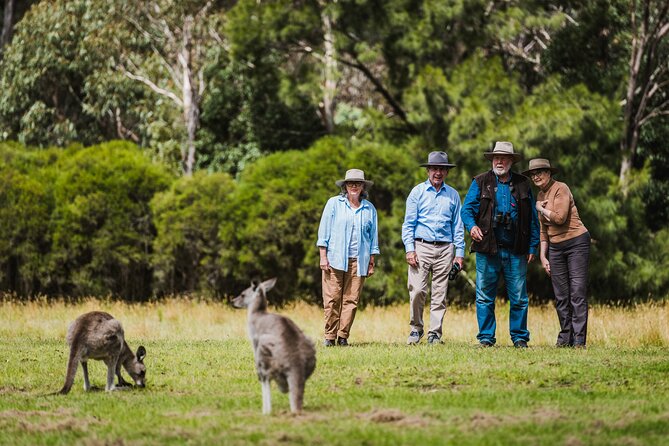
- Kangaroos are seen in the wild: You may get remarkably close to free-ranging kangaroos and wallabies at Tidbinbilla.
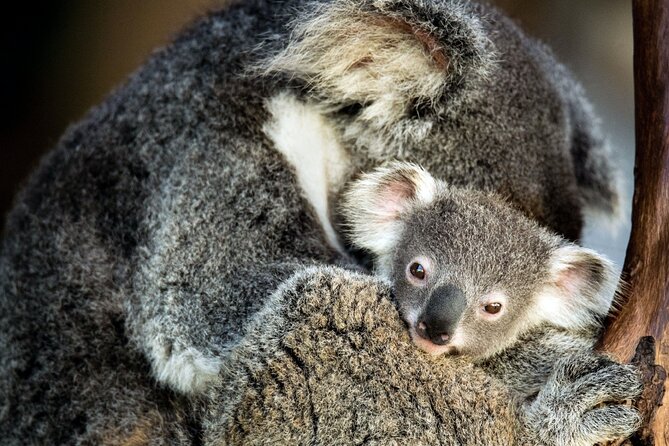
- Koalas are not necessarily wild: The koalas are seen in an enclosure, while the kangaroos and possible platypus sightings offer a more natural setting.
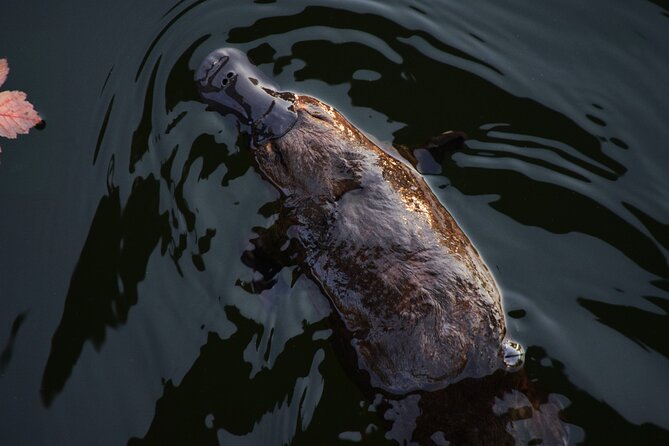
- Platypus is the special possibility: The tour aims to look for platypus near the end of the reserve visit, but sightings are never guaranteed.
- Small-group transport is included: A comfortable tour vehicle, guide, pickup, return transport, and Tidbinbilla entry are covered in the $106.87 price.
- Bring your own water and snacks: Neither is included, and the reserve visit lasts about two and a half hours.
Why this four-hour Canberra tour works
Canberra is spread out, and some of its best attractions sit beyond the central city. Tidbinbilla is a good example. You can reach it by car, but you need to handle the driving, directions, timing, and entry yourself. This tour takes care of those chores in one half-day outing.
I see the strongest value in the combination. A wildlife trip alone might leave you with a narrow view of the region. Here, you also learn how Canberra connects to space exploration and long-distance communication. The result is a compact outing with both a scientific and natural side.
The tour costs $106.87 per person. That is not a budget bus ride, but the price includes a local guide, round-trip transport, pickup from major hotel and motel chains, and entry to Tidbinbilla Nature Reserve. If you do not have a car, the price becomes easier to justify because it removes the need to arrange separate transport to a rural reserve.
The group limit of 15 matters, too. You are not guaranteed a tiny private tour, but this is still more personal than a large coach excursion. A smaller group also gives the guide a better chance to stop, point out animals, answer questions, and adjust the pace when wildlife appears.
More wildlife & zoo experiences in Australia:
- From Melbourne: Great Ocean Road, 12 Apostles, Wildlife Tour
★ 4.7 · 6,020 reviews - Penguin Parade, & Wildlife Encounters Eco Tour from Melbourne
★ 5.0 · 3,774 reviews - Blue Mountains Small-Group Tour from Sydney with Scenic World,Sydney Zoo & Ferry
★ 5.0 · 3,709 reviews
A 30 to 40-minute ride through Canberra’s rural surroundings
Pickup begins in Canberra, with the listed meeting point at 65 Northbourne Avenue. Hotel pickup is offered at major hotel and motel chains, but I would confirm your exact pickup location when booking. The advertised start time is 3 p.m.
The drive to the Deep Space Communication Complex takes about 30 to 40 minutes. This transfer is part of the appeal. You leave the city behind and pass through the rural surroundings of Canberra before reaching Tidbinbilla.
You will want to use this time to settle in and listen to the guide. The tour is not simply a transfer to a wildlife park. Guides such as Neil have been praised for explaining local history, native birds, and the stories connected with the area.
Because the activity is scheduled for about four hours, the drives take a meaningful share of the outing. That is not a flaw, but you should know what you are buying. This is a focused introduction to the region, not a full-day nature safari with hours to wander at your own pace.
The Deep Space Communication Complex and the Apollo connection
The first main stop is the Canberra Deep Space Communication Complex at Tidbinbilla. The visit is listed at about 20 minutes, so expect a concise introduction rather than a long museum session.
The key story is Australia’s role in the Apollo missions and the first moon landing. The complex’s telescopes helped support communication with spacecraft, and the guide explains how deep-space tracking works today.
This stop gives the wildlife portion some useful context. Canberra is not only Australia’s national capital and a base for museums and government institutions. It also plays a role in major scientific work that reaches far beyond Australia.
If you are interested in astronomy, space travel, engineering, or the Apollo program, this stop gives you a reason to pay attention even though it is brief. If your only goal is seeing animals, you may find the 20-minute visit less important than the reserve. Still, the contrast makes the day more interesting.
The admission is listed as free, while Tidbinbilla entry is included in the tour cost. You do not need to arrange separate tickets for either stop.
Two and a half hours at Tidbinbilla Nature Reserve
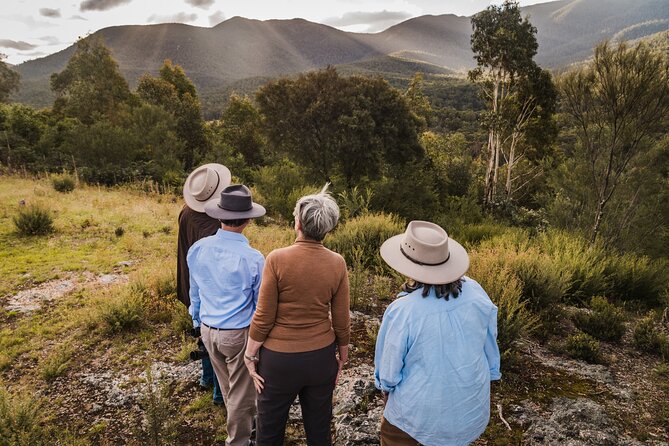
Most of the outing is spent at Tidbinbilla Nature Reserve, with about two hours and 30 minutes allocated to the wildlife portion. This is where the tour earns its name.
Tidbinbilla provides the chance to see several familiar Australian animals in one setting:
- Kangaroos
- Wallabies
- Koalas
- Platypus
- Emus
- Colourful parrots and other birds
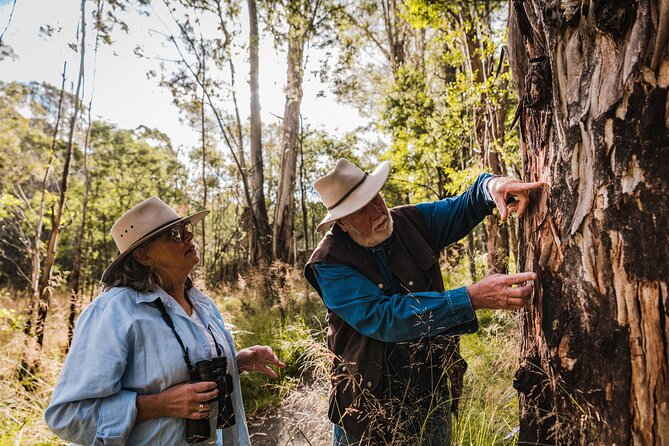
The guide’s role is important here. Wildlife does not appear on a fixed timetable, and spotting animals depends on location, conditions, and luck. Neil has been singled out for knowing where to take the group to find kangaroos, wallabies, wombats, kookaburras, and platypus. He has also been praised for his interest in local birdlife.
That kind of local knowledge is the main reason to choose a guided outing rather than simply driving to the reserve. You are not left to guess where to look or how to use your limited time.
Same coast, a completely different day out:
- Sydney: Opera House Guided Tour with Entrance Ticket
★ 4.8 · 8,312 reviews - All Inclusive Blue Mountain,Scenic World,Lunch,Koalas,ferry
★ 5.0 · 7,832 reviews - Great Ocean Road Small-Group Eco Tour from Melbourne
★ 5.0 · 6,607 reviews - Ocean Rafting: Whitehaven Beach, Snorkelling & Hill Inlet Lookout
★ 5.0 · 4,777 reviews
Kangaroos and wallabies in a natural setting
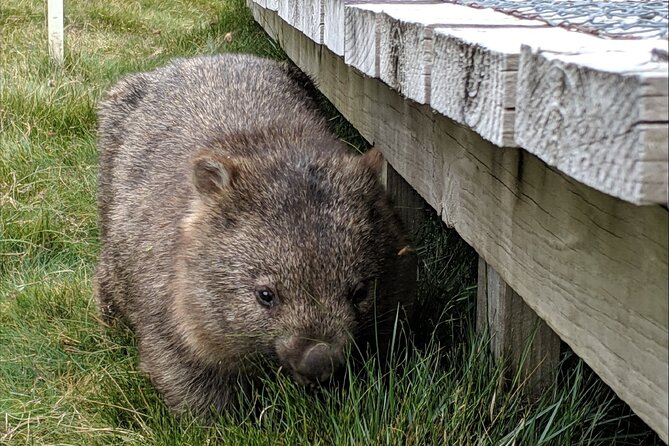
For many visitors to Australia, kangaroos are the main event. This tour gives you the chance to see them close up in the bush rather than only behind a fence at a city attraction.
The animals are wild, so the sighting is not guaranteed and you should follow the guide’s instructions about distance and behavior. Still, the opportunity to watch kangaroos and wallabies in their natural setting is more memorable than a quick photo beside a captive animal.
The guide may also point out other native species along the way. Wombats, kookaburras, parrots, and other birds have been spotted on past outings. Emus are also part of the expected wildlife list.
The experience can suit families, first-time visitors to Australia, and anyone who wants an easy introduction to native animals. It also works for adults who already know a bit about Australian wildlife but would rather let a local guide handle the search.
Koalas in an enclosure, plus a chance of wild platypus
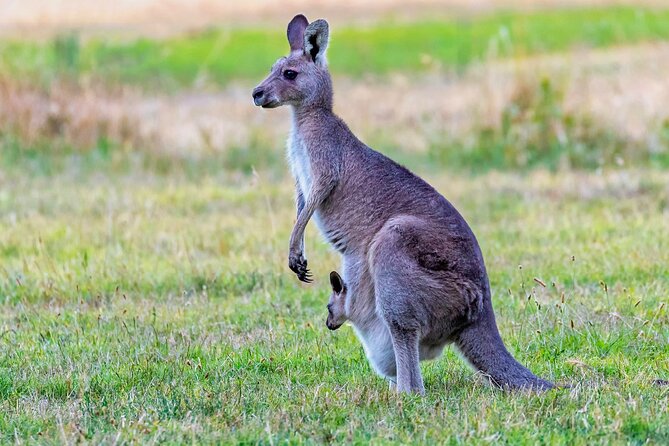
The name of the tour may suggest that the koalas are encountered in the wild. The available details make an important distinction: you can see koalas in an enclosure, while the kangaroos are seen in the wild.
That is still a useful part of the outing. Koalas can be difficult to spot in trees, even when you are in suitable habitat. An enclosure gives you a more reliable chance to see these distinctive animals.
Platypus is the more unusual possibility. The group hopes to spot one toward the end of the reserve visit. Seeing a platypus in the wild would be a real highlight, but you should treat it as a bonus rather than a promise.
The tour also gives you a chance to see native birds. A guide who can identify parrots, kookaburras, and other species adds another layer to the visit, especially if your attention is not focused only on large animals.
Guides who add more than basic commentary
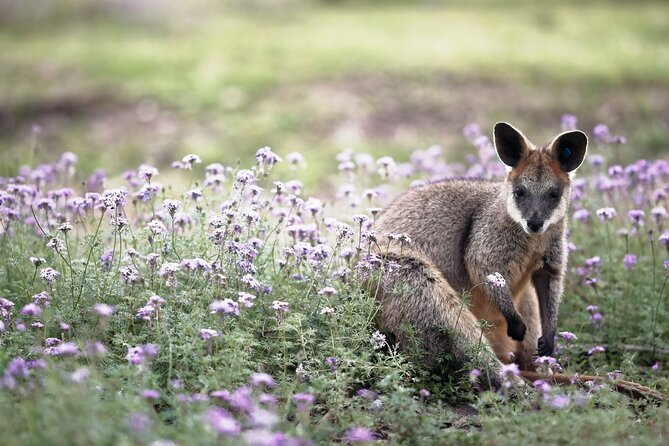
The strongest praise has gone to the guides, especially Neil and Bill. Neil has been described as calm, welcoming, and well informed about local birds, animals, and stories from the past. Bill was also praised for handling an encounter with a red-bellied black snake in a careful way.
Those details matter because a wildlife outing needs more than transport. A good guide helps you notice what you might otherwise miss, explains what you are seeing, and keeps the group sensible around animals.
You should not expect a formal lecture at every stop. The value is in the informal explanations during the drive and reserve visit. If you enjoy asking questions, the small-group format should give you a better chance to speak with the guide than a large coach tour would.
The guides also appear to shape the mood of the experience. Descriptions of Neil emphasize a calm style, which suits a reserve visit. Wildlife watching is better when the pace is patient rather than rushed.
Is $106.87 a fair price?
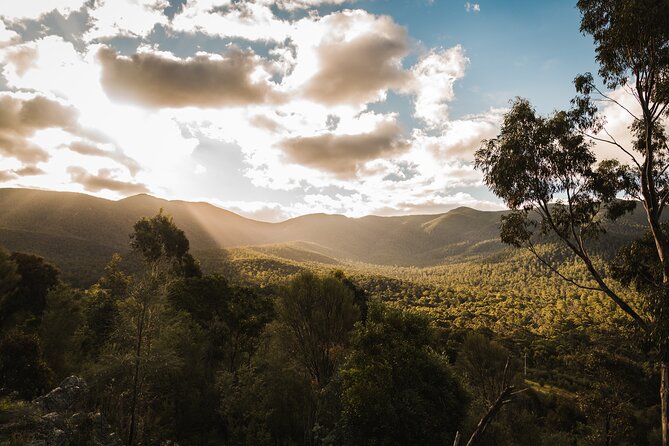
At $106.87, this is a mid-priced half-day activity. The price includes:
- An expert local tour guide
- Pickup in a comfortable tour vehicle
- Round-trip transport
- Entry to Tidbinbilla Nature Reserve
- Pickup from major hotel and motel chains
Water and snacks are not included, so bring both. Since the reserve portion lasts around two and a half hours, you should not assume that a short drink stop will be built into the schedule.
I think the cost makes the most sense for you if you are staying in Canberra without a car. You get transport to an outlying reserve, local guidance, entry, and a second attraction in the same afternoon.
If you already have a rental car and feel comfortable planning your own visit, you may prefer independent travel. Driving yourself gives you more control over how long you stay at the reserve. The tour’s advantage is convenience and interpretation, not unlimited flexibility.
The price also reflects the chance to see several animals in one trip. There is no guarantee of every species, particularly platypus, but the itinerary gives you more than one wildlife target. Even if one animal stays hidden, you still have kangaroos, wallabies, koalas, birds, or emus to look for.
Timing, pickup, and practical concerns
The activity starts at 3 p.m. and ends back at the Canberra meeting point. The listed meeting point is 65 Northbourne Avenue, though pickup is offered from major hotel and motel chains.
The stated duration is about four hours. The outbound and return drives each take about 30 to 40 minutes, and the two main stops account for about 20 minutes at the communication complex and two hours and 30 minutes at the reserve. Keep this in mind when planning dinner or another evening booking.
One serious practical caution concerns pickup reliability. A missed pickup has been reported despite confirmation, with the customer waiting 40 minutes and being unable to reach the company. That appears to be an isolated but important warning. Confirm your pickup details, arrive early, and keep the provider’s contact information available.
The activity allows service animals and is near public transportation. Most people can participate, but the information does not provide a detailed mobility statement for every part of the reserve. If you have specific access needs, ask the provider before booking.
Confirmation is normally sent at booking. If you book within two days of departure, confirmation may take up to 48 hours and remains subject to availability.
Who should book this outing?
I would recommend it to you if you want a compact introduction to Canberra’s wildlife and do not want to drive. It is especially well suited to first-time visitors who want kangaroos, koalas, and native birds, but also like the idea of learning about Australia’s space program.
Families can benefit from the variety. The Apollo story gives children one subject, while the animals provide a more active second half. Adults who enjoy photography should also find plenty to watch, though the short schedule means you may need to work quickly when an animal appears.
Bird lovers should pay attention to the guide. The outing is not limited to the headline animals, and local bird knowledge has been one of its strong points.
You may want to skip it if you prefer a slow, self-guided day or if you need a guaranteed sighting of a particular species. Platypus sightings are hopeful rather than certain, and koalas are seen in an enclosure rather than promised in the wild.
Should you book the Kangaroos and Koala Experience Tour?
Book this tour if you value efficient transport, local guidance, and variety more than a long, flexible reserve visit. The combination of the Deep Space Communication Complex and Tidbinbilla gives you two very different sides of the Canberra region in one afternoon.
The strongest reasons to go are the close kangaroo sightings, the chance of seeing a wild platypus, the range of birdlife, and guides such as Neil and Bill. The main compromises are the fixed 3 p.m. departure, limited time at each stop, the need to bring your own snacks and water, and the fact that wildlife sightings cannot be guaranteed.
For a visitor without a car, the $106.87 price is reasonable because transport, guide services, and reserve entry are included. Confirm your pickup carefully, then expect a practical, wildlife-focused outing with an unusual space-history opening.
FAQ
How long is the Kangaroos and Koala Experience Tour?
The tour lasts approximately four hours.
What time does the tour begin?
The listed start time is 3 p.m.
Where does the tour start?
The listed meeting point is 65 Northbourne Avenue, Canberra ACT 2601, Australia.
Is hotel pickup available?
Yes. Pickup is offered from major hotel and motel chains in Canberra.
What attractions are visited?
The tour visits the Canberra Deep Space Communication Complex and Tidbinbilla Nature Reserve.
How long is the visit to the Deep Space Communication Complex?
The visit is scheduled for about 20 minutes.
How long is spent at Tidbinbilla Nature Reserve?
The reserve visit lasts approximately two hours and 30 minutes.
What animals might I see?
Possible sightings include kangaroos, wallabies, koalas, platypus, emus, colourful parrots, and other birds.
Are koalas seen in the wild?
The tour information states that koalas are seen in an enclosure. Kangaroos are seen in the wild, and the tour may also look for wild platypus.
Is food or water included?
No. Water and snacks are not included, so you should bring your own.
How large is the group?
The tour has a maximum of 15 participants.
Is entry to Tidbinbilla included?
Yes. Entry to Tidbinbilla Nature Reserve is included in the tour price.
Can I cancel for a full refund?
Yes, if you cancel at least 24 hours before the experience start time. Cancellations made less than 24 hours in advance are not refunded.
Just added around Australia
- Morning Cruise on the Murchison River in Kalbarri (April to Nov)★ 5.0 · 91 reviews
- Kalbarri Rock Lobster Tours★ 5.0 · 54 reviews
- Kalbarri Sunset & Coastal Cliff Cruise★ 5.0 · 59 reviews
- Kalbarri Whale Watching Tour Guided★ 5.0 · 35 reviews
- Kakadu National Park Wildlife & Ubirr Rock Art Tour from Darwin★ 4.5 · 101 reviews
- Jervis Bay Whale Watching Tour★ 4.5 · 353 reviews
- Arnhem Land Yingana Injalak Hill Full Day Tour from Jabiru★ 5.0 · 132 reviews
- Jabiru 30 minute Scenic Flight★ 5.0 · 68 reviews
Wildlife & Zoo Experiences, compared.
Penguin Parade, & Wildlife Encounters Eco Tour from Melbourne
Read our review →
Melbourne Great Ocean Rd Reverse Tour London Bridge Wildlife
Read our review →
Blue Mountains Adventure: Scenic World, Zoo & Koala Photo
Read our review →
Solar Whisper Daintree River Crocodile and Wildlife Cruise
Read our review →
Browse the lists this tour appears in