
Reviewed · CAIRNS TOURS
Kuranda: Rainforestation Nature Park
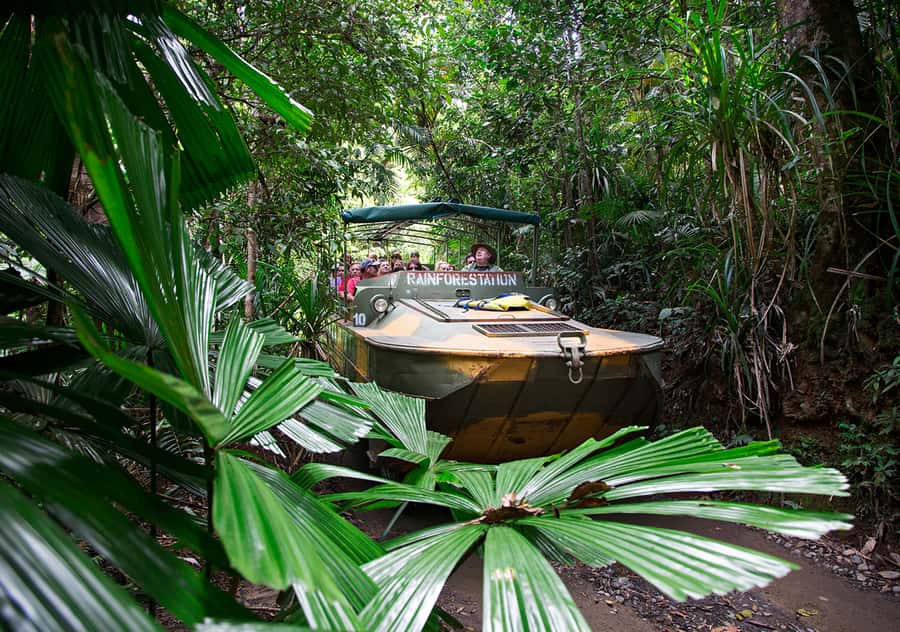
The most unusual part of Rainforestation is the Army Duck ride, a six-wheel World War II amphibious vehicle that trundles through the rainforest before entering the water. You get plants, birds, and possible reptiles from a very different seat than you would on a normal walking tour.
I like the mix of Pamagirri cultural activities, including dance, didgeridoo, spear throwing, and boomerang practice. I also like the chance to see kangaroos and wallabies roaming freely, alongside less familiar animals such as a cassowary and Lumholtz’s Tree Kangaroo. The main drawback is time: 150 minutes covers a lot, so some visitors may wish each activity lasted longer.
In This Review
- Key points
- Three very different experiences in one rainforest park
- Boarding the Army Duck for rainforest and water
- The Tropical Fruit Orchard brings a quieter pause
- Pamagirri traditions take center stage
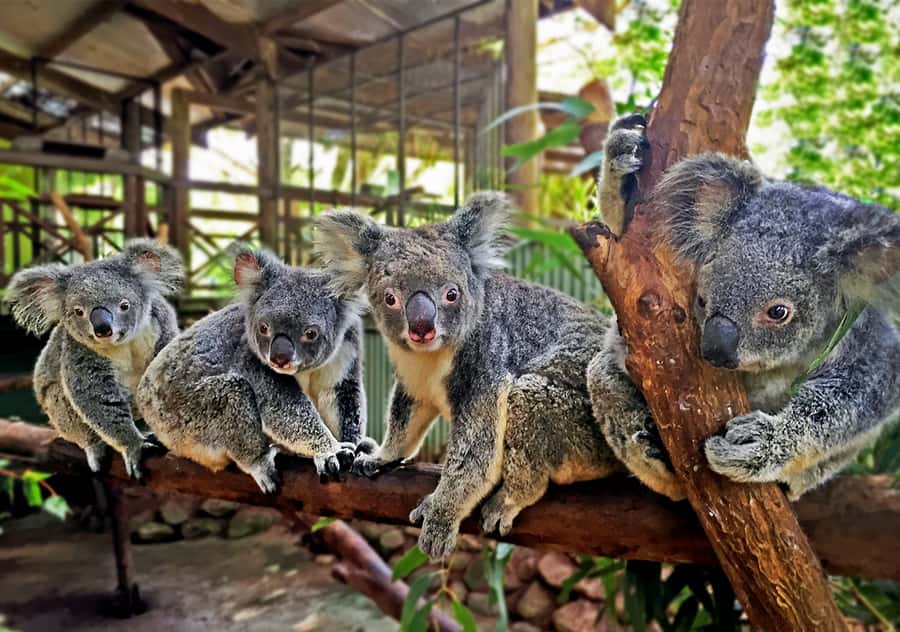
- Koalas are only one part of the wildlife park
- What the 150-minute schedule means for you
- Getting to Rainforestation from Kuranda
- Who will get the most from this visit
- Is Rainforestation worth $41?
- Should you book Rainforestation Nature Park?
- FAQ
- Where is Rainforestation Nature Park?
- How do I get to Rainforestation?
- How long does the visit last?
- What is included in the admission price?
- Is the Army Duck a boat or a vehicle?
- Can I throw a boomerang?
- What animals can I see at the park?
- Is the experience wheelchair accessible?
Key points
- Army Duck adventure: Ride a six-wheel amphibious vehicle through rainforest and water, with room for up to 30 passengers.
- Pamagirri program: Watch traditional dance, follow the Rainbow Serpent walkway, and try spear and boomerang throwing.
- Tropical Fruit Orchard: See more than 40 kinds of tropical fruit trees, including jackfruit, pawpaw, lychees, carambola, and star apple.
- Wildlife variety: Visit crocodiles, kangaroos, wallabies, snakes, dingoes, a cassowary, Tasmanian Devils, and a rescued Lumholtz’s Tree Kangaroo.
- Big crocodile encounter: View Jack the Ripper, a crocodile more than 5 metres long, from elevated boardwalks.
- Simple planning: The park is self-drive on Kennedy Highway, with a shuttle from Kuranda village outside the Australian Butterfly Sanctuary.
Three very different experiences in one rainforest park

Rainforestation Nature Park covers 40 hectares in the middle of Kuranda’s World Heritage Rainforest. The appeal is variety. In one visit, you can ride a military vehicle through forest and water, watch Pamagirri performers share living cultural traditions, and walk among Australian animals.
The $41 price is sensible if you plan to use all three parts. You are not paying for one short attraction. Your admission includes the Army Duck tour, Pamagirri Aboriginal Experience, and Koala and Wildlife Park, with the tropical fruit area included during your time at the park.
The 150-minute duration is enough for a good overview. It is not an all-day wildlife visit, and you should not expect long, leisurely stops at every exhibit. If you enjoy moving from one activity to the next, the pace works well. If you prefer to linger with animals or take your time with cultural displays, you may find the schedule tight.
Other Cairns days worth booking alongside this:
- Great Barrier Reef Snorkeling and Diving Cruise from Cairns
★ 4.5 · 3,714 reviews - From Cairns: Great Barrier Reef Cruise by Premium Catamaran
★ 4.9 · 3,567 reviews - From Cairns: Self-Guided Kuranda Trip with Train and Skyrail
★ 4.6 · 3,392 reviews
Boarding the Army Duck for rainforest and water
The Army Duck is the park’s signature ride. Officially called a DUKW, this amphibious vehicle uses six-wheel drive on land, then switches to a propeller and rudder when it enters the water. Rainforestation has 12 of these vehicles, each carrying up to 30 passengers.
That capacity gives the ride a group-tour feel. You are not getting a quiet private nature drive, but you are getting a practical way to see two environments in a short period. The vehicle itself is part of the attraction, especially for anyone interested in old military machinery.
Your Duck Captain points out plants as you travel. Look for ferns, orchids, strangler figs, and the infamous stinging tree. The guide’s explanations help turn a simple ride into a lesson about how rainforest plants grow and compete for light.
The water section changes the mood. Keep watch for turtles, fish, eels, and water birds. On land, you might find birds, pythons, and other reptiles, though wildlife sightings are never guaranteed. One visitor found the heat and humidity made animals harder to spot, while birds were still visible around the forest.
That is useful advice. Come for the rainforest and the guide’s commentary first, with animals as a bonus. You may see plenty, or you may mainly notice plants and birds. The ride remains worthwhile because the vehicle gives you access to both forest and water without requiring a long walk.
Guides make a difference here. Eva was praised for explaining the differences between palm trees and other rainforest trees, while Julie was singled out for clear cultural and nature explanations and for helping with photographs. Guide assignments can change, so do not book expecting a particular person. Still, the park’s guides are clearly an important part of the visit.
The Tropical Fruit Orchard brings a quieter pause
After the Army Duck, the Tropical Fruit Orchard offers a change of pace. The area contains more than 40 species of exotic tropical fruit trees, including jackfruit, pawpaw, lychees, carambola, and star apple.
This is not a major tasting tour, but it is a useful stop if you want to understand the plants behind familiar and unfamiliar fruit. Some of these trees are common in tropical regions around the world, while others may be new to you.
I like this section because it breaks up the louder parts of the park. The ride has engine noise, the cultural program has music and performance, and the wildlife area has plenty to see. The orchard gives you a calm place to look closely at the plants and learn about regional produce.
Time may be the limiting factor. You may have about an hour around the middle of the program, depending on the day’s schedule and how the activities line up. If fruit trees interest you, make a point of slowing down here instead of treating it as a corridor between attractions.
Pamagirri traditions take center stage
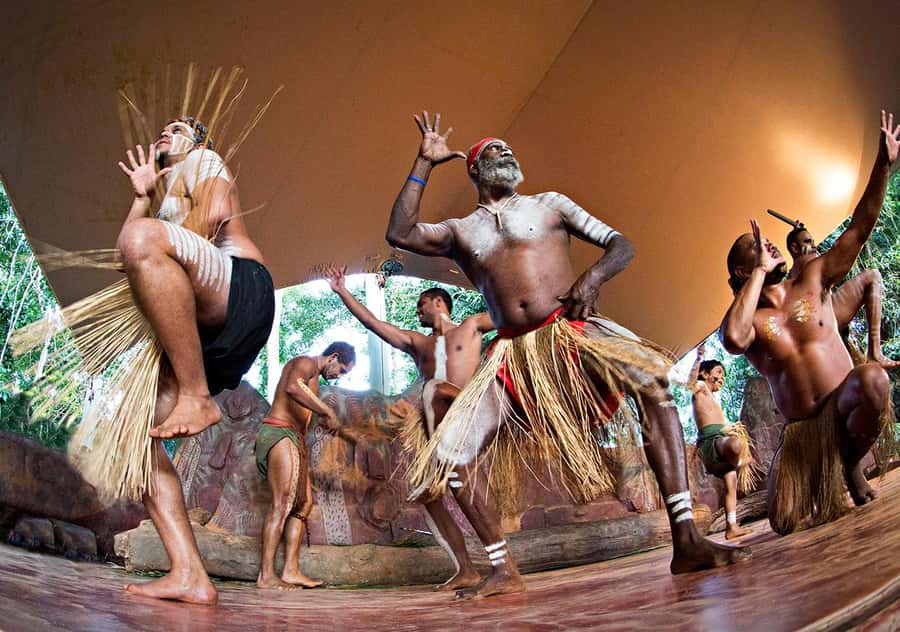
The Pamagirri Aboriginal Experience is more than a stage show. It combines performance with demonstrations and hands-on activities, giving you several ways to learn about Pamagirri traditions.
The rainforest amphitheatre provides the setting for traditional dance. The performance is one of the strongest parts of the visit, especially if you want an introduction to Aboriginal culture within a rainforest setting rather than in a detached indoor theater.
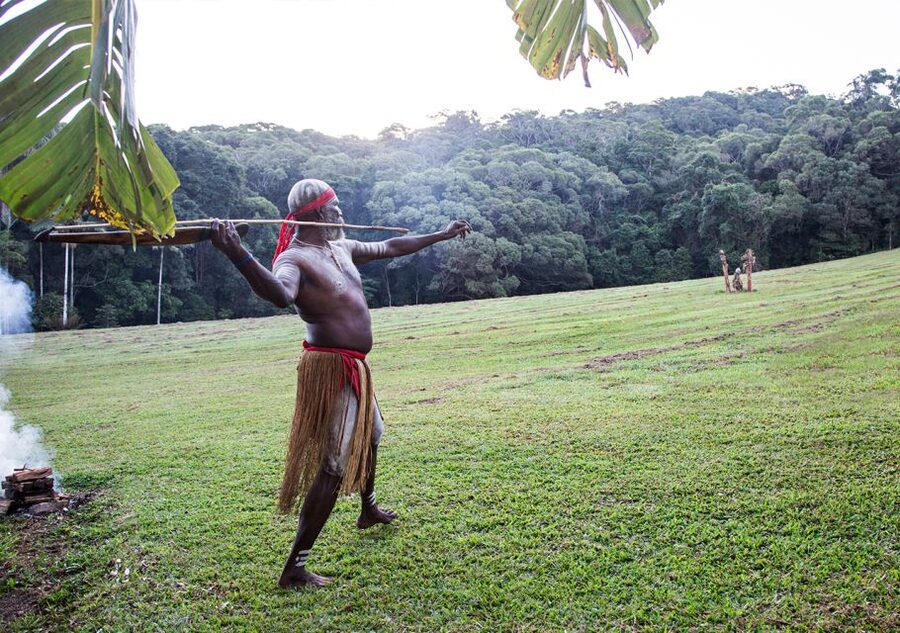
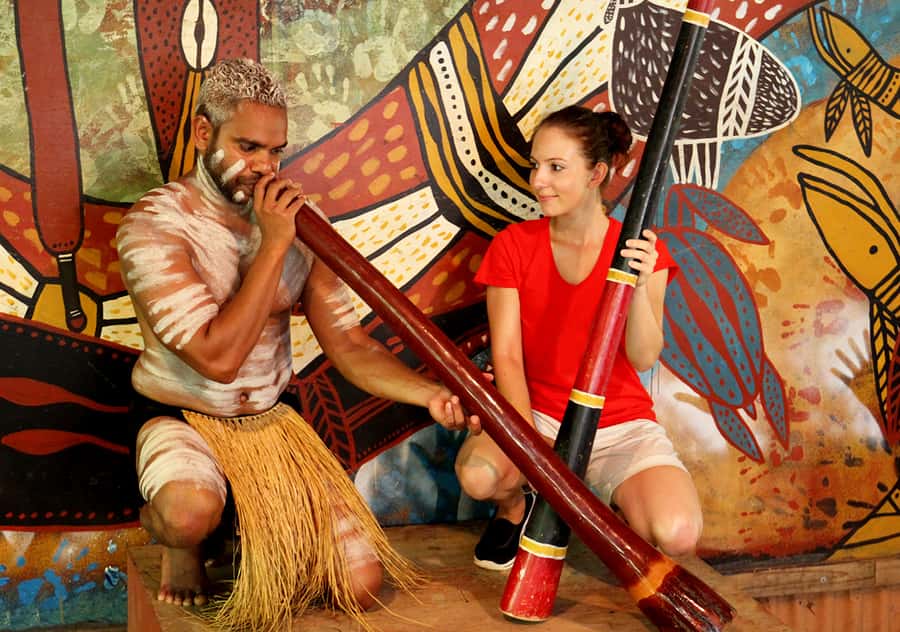
The Dreamtime Walk follows the Rainbow Serpent walkway. The program also includes traditional spear throwing and didgeridoo playing. You are shown how the spear is used, then given the chance to try the technique yourself.
Boomerang throwing is another interactive part. You can attempt to send the boomerang out and have it return. Success depends on technique and weather, and the activity may not operate in unsuitable conditions. One family managed to catch a returning boomerang and take it home, but you should treat that as a possible outcome rather than a promise.
These activities are valuable because they replace passive watching with participation. You are not simply looking at objects behind glass. You are listening, watching movement, and trying a skill under instruction.
The cultural content deserves respectful attention. Focus on the explanations and performances rather than treating the activities as simple photo opportunities. The Pamagirri team also makes time for questions at various points, so prepare something you would genuinely like to ask about culture, beliefs, or traditional practices.
The program is in English. If you need a fully translated cultural presentation, this may not be the right fit. For English-speaking visitors, the format is accessible and easy to follow.
Same coast, a completely different day out:
- Passions of Paradise Great Barrier Reef Cruise by Catamaran
★ 5.0 · 2,564 reviews - Cairns: Daintree Rainforest and Mossman Gorge Tour
★ 4.6 · 2,485 reviews - Cairns: Outer Edges of The Great Barrier Reef Scenic Flight
★ 4.9 · 2,376 reviews - Daintree Rainforest, Mossman Gorge Small-Group from Port Douglas
★ 5.0 · 2,326 reviews
Koalas are only one part of the wildlife park
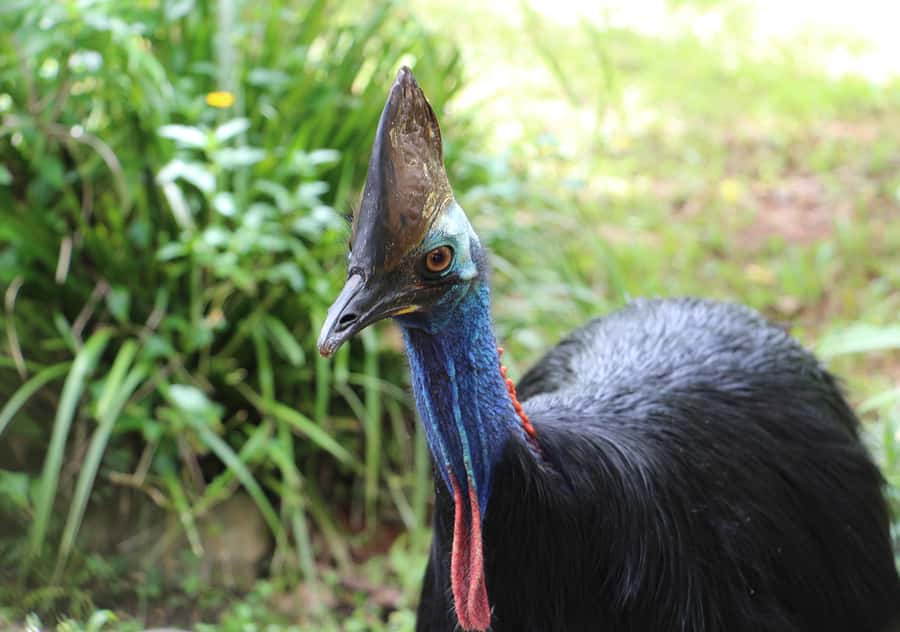
The Koala and Wildlife Park gives the visit its broadest animal range. You can take a self-guided walk through enclosures and open areas containing crocodiles, kangaroos, wallabies, snakes, dingoes, a cassowary, and Tasmanian Devils.
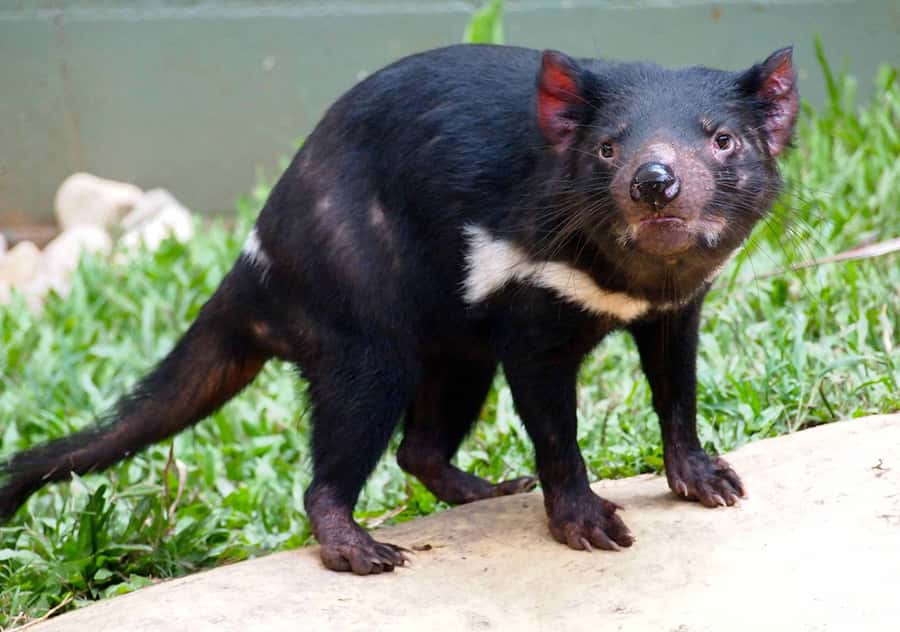
Rainforestation is home to the only Tasmanian Devils in North Queensland, which makes them a particularly interesting stop. You can also see a rescued Lumholtz’s Tree Kangaroo, a species that is easy to miss if you only focus on the larger animals.
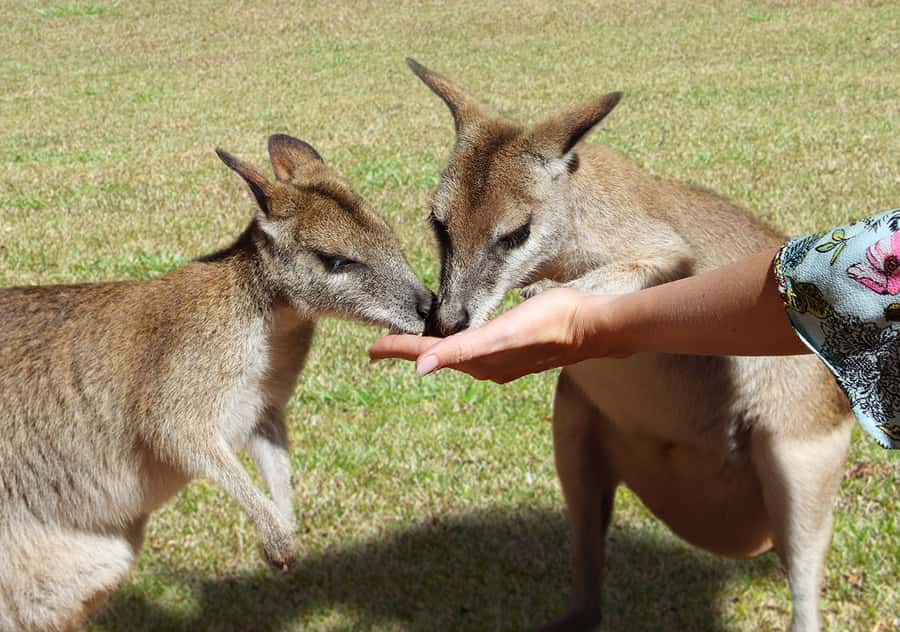
The free-roaming kangaroos and wallabies are a major draw. You can hand-feed them as they move through the park, which makes the animal visit feel more personal than a standard enclosure circuit. Feeding and touching animals should always follow the park’s instructions, but the chance to see these animals at close range is one of the program’s most family-friendly features.
You should also allow time for the reptiles. Snakes and crocodiles often receive less attention than koalas, but they add variety and help show the breadth of Australian wildlife. The park is not limited to the country’s most famous cuddly animals.
Then there is Jack the Ripper. This crocodile measures more than 5 metres and weighs almost a tonne. Elevated boardwalks let you view him from a safe position, which gives you a clear sense of his size without putting you near the water’s edge.
You may pay extra for souvenir photographs with a koala or crocodile. Those photos are not included in the $41 admission, so set that expectation before you arrive. The basic animal viewing is included.
What the 150-minute schedule means for you
The stated duration is short enough to fit into a day in Kuranda, but full enough that you should watch the clock. You will need to follow the park’s activity times rather than wander without a plan.
This format suits you if you want a compact introduction to the region. You can cover rainforest plants, Aboriginal performance, fruit trees, and Australian animals without arranging several separate tickets.
It suits families and first-time visitors particularly well. Children get movement, animals, music, and practical activities. Adults who want more detailed study of rainforest ecology or Aboriginal culture may find the presentation introductory rather than extensive.
The most useful approach is to arrive ready to follow the schedule. If you have a favorite section, such as kangaroo feeding or the Pamagirri program, note its timing when you enter. The park’s days of operation and starting times can change, so check availability before you set your wider Kuranda plans.
Rainforest conditions can also affect the day. Heat and humidity may reduce wildlife activity, and boomerang throwing depends on weather. Wear practical clothing, bring water, and accept that the forest will not perform on demand.
Getting to Rainforestation from Kuranda
Rainforestation is on Kennedy Highway, Kuranda, Queensland 4881. This is a self-drive experience, so you need to arrange your own way to the park if you are not using the shuttle.
A shuttle bus operates from Kuranda village outside the Australian Butterfly Sanctuary. That is useful if you are already spending time in the village and do not have a car. Confirm the shuttle details and timing before relying on it, since operating days can change.
The park is wheelchair accessible. Even so, the Army Duck, water entry, paths, and individual animal areas may feel different from a flat museum visit. If you have specific mobility requirements, confirm the practical details with the operator before booking.
The English-speaking host or greeter helps keep the activities clear. You will hear explanations during the ride and cultural program, then move through the wildlife area at your own pace.
Who will get the most from this visit
I would choose Rainforestation if you want several classic North Queensland experiences in one place. The combination works especially well for a first visit to Kuranda, families, and anyone who wants a clear introduction without committing to a full-day expedition.
You will probably enjoy it if you like:
- Wildlife viewing with both familiar and unusual Australian species
- Short, active cultural demonstrations
- Practical activities such as boomerang and spear throwing
- Vehicles, machinery, and unusual transport
- A guided rainforest visit without a long hike
- A flexible self-guided animal section
I would hesitate if your priority is a long, quiet walk through untouched forest. This is a managed nature park with several attractions close together. It gives you access and variety, but not a remote wilderness outing.
I would also think twice if you dislike scheduled group activities. The Army Duck holds up to 30 passengers, and the Pamagirri program follows a set format. The advantage is that you see a lot in 150 minutes. The tradeoff is less freedom to linger.
The experience is also not a guarantee of rare wildlife sightings. The park has many animals in its wildlife area, but the rainforest ride depends on conditions and luck. Treat the plant explanations, amphibious vehicle, and cultural program as the dependable core.
Is Rainforestation worth $41?
At $41 per person, the value is strongest when you complete all three included experiences. Paying that amount for only a quick animal walk would be less compelling, but the Army Duck and Pamagirri program add real substance.
The price also saves you from booking separate activities for rainforest sightseeing, cultural performance, and wildlife viewing. You get a broad sample of North Queensland in a controlled, easy-to-manage setting.
The main value question is time. If you have only a short window in Kuranda, this is an efficient choice. If you have a full day and want to spend hours at one attraction, you may prefer a slower visit elsewhere.
Free cancellation is available up to 24 hours before the scheduled departure, and you can reserve now while paying later. A full cancellation fee applies inside 24 hours or for a no-show. Suitable travel insurance is recommended for problems outside the operator’s control.
Should you book Rainforestation Nature Park?
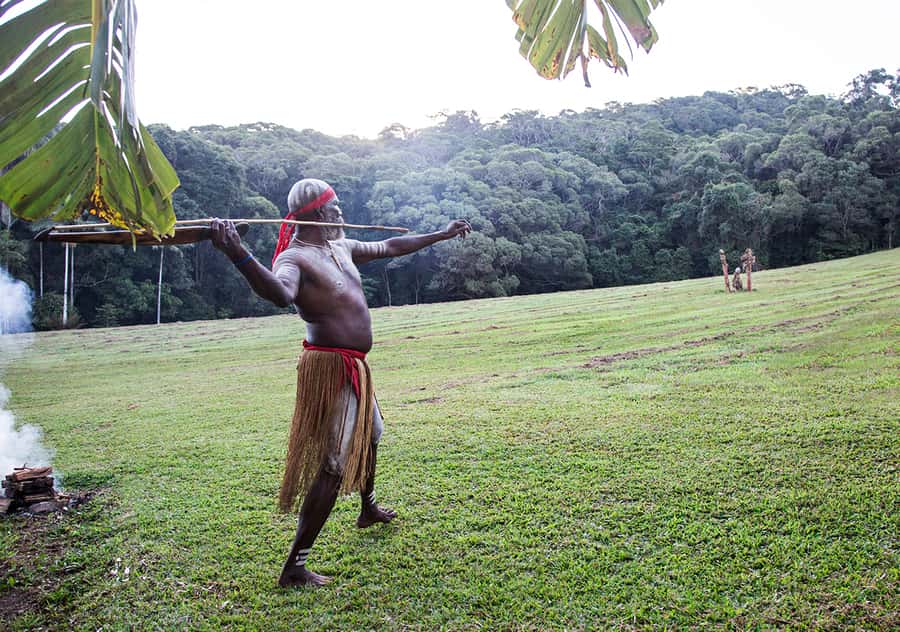
Book it if you want an upbeat, varied introduction to the rainforest and Australian wildlife, with Aboriginal dance and practical cultural activities included. The strongest reasons are the Army Duck’s land-and-water route, the Pamagirri program, and the unusually broad animal collection.
Keep your expectations realistic. The visit moves quickly, wildlife on the rainforest ride is not assured, and weather can cancel boomerang throwing. But at $41, Rainforestation gives you a lot of different experiences in a compact visit.
If you are already in Kuranda, have 150 minutes to spare, and want more than a single animal encounter, I would book it.
FAQ
Where is Rainforestation Nature Park?
Rainforestation Nature Park is on Kennedy Highway in Kuranda, Queensland 4881.
How do I get to Rainforestation?
The experience is self-drive. A shuttle bus is also available from Kuranda village outside the Australian Butterfly Sanctuary.
How long does the visit last?
The stated duration is 150 minutes.
What is included in the admission price?
Admission includes entry to Rainforestation Nature Park, the Army Duck rainforest tour, the Pamagirri Aboriginal Experience with dance show and Dreamtime Walk, and the Koala and Wildlife Park.
Is the Army Duck a boat or a vehicle?
It is an amphibious World War II Army Duck, officially called a DUKW. It uses six-wheel drive on land and a propeller and rudder in the water.
Can I throw a boomerang?
You can learn and try boomerang throwing during the Pamagirri Aboriginal Experience. The activity depends on suitable weather.
What animals can I see at the park?
The Koala and Wildlife Park includes crocodiles, kangaroos, wallabies, snakes, dingoes, a cassowary, Tasmanian Devils, and a rescued Lumholtz’s Tree Kangaroo.
Is the experience wheelchair accessible?
Yes, Rainforestation Nature Park is listed as wheelchair accessible.
Just added around Cairns
- Night Walk in Cairns Botanic Gardens – Let’s Go Buggin★ 5.0 · 153 reviews
- Paronella Park and Millaa Millaa Falls Full-day Tour from Cairns★ 5.0 · 47 reviews
- Ultimate Great Barrier Reef and Rainforest 45-minute Helicopter Tour★ 5.0 · 59 reviews
- Port Douglas Sunday Markets Day Tour★ 4.0 · 25 reviews
- Cairns City Sights and Surrounds Tour★ 5.0 · 227 reviews
- Small-Group Afternoon Cairns City Tour with Harbour Dinner Cruise★ 4.5 · 32 reviews
- Full-day Tour at the Atherton Tablelands with Food Tasting★ 5.0 · 30 reviews
- Skyrail Rainforest Cableway Day Trip from Port Douglas★ 4.5 · 27 reviews
Cairns Tours, compared.
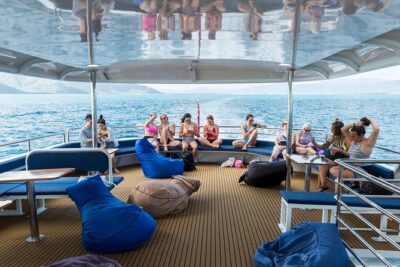
Great Barrier Reef Snorkeling and Diving Cruise from Cairns
Read our review →
Great Barrier Reef Cruise by Premium Catamaran
Read our review →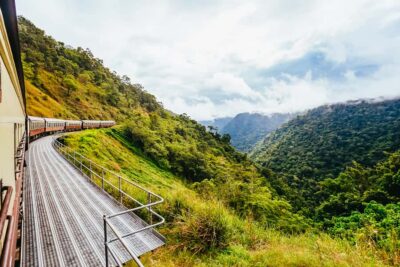
Self-Guided Kuranda Trip with Train and Skyrail
Read our review →
Passions of Paradise Great Barrier Reef Cruise by Catamaran
Read our review →
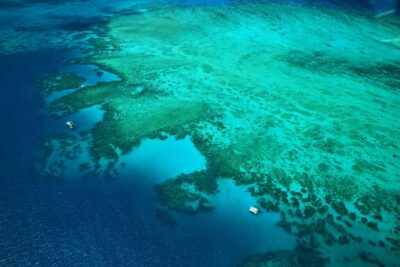
Outer Edges of The Great Barrier Reef Scenic Flight
Read our review →
Daintree Rainforest, Mossman Gorge Small-Group from Port Douglas
Read our review →
Cape Tribulation, Mossman Gorge, and Daintree Rainforest Day Trip
Read our review →Browse the lists this tour appears in