
Reviewed · WALKING TOURS
Margaret River: Birds of Prey Encounter and Forest Walk
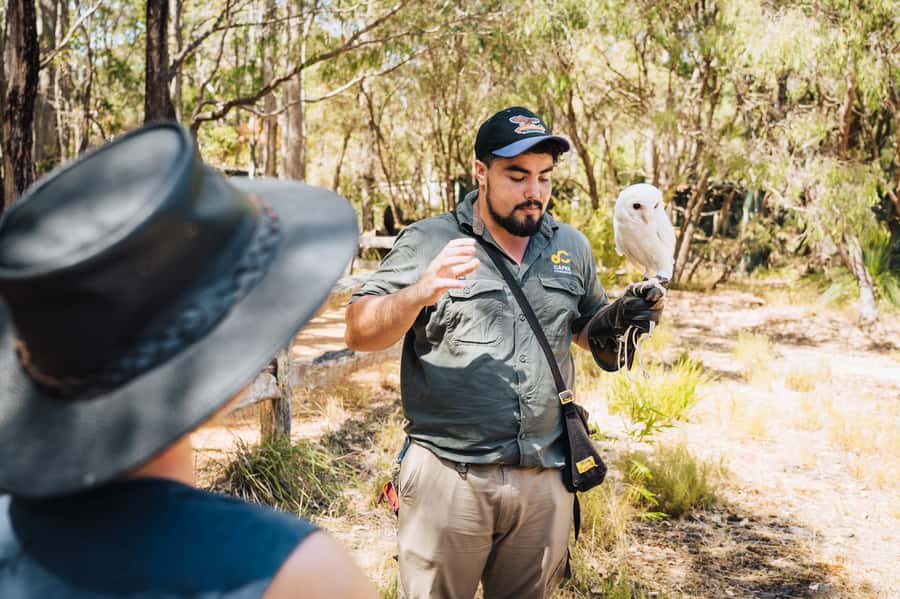
At Capes Raptor Centre, the most memorable moment may be a bird flying just over your head. The twice-daily encounter brings you close to owls, kites, hawks, falcons, and other raptors, while guides explain how these birds hunt, fly, and survive.
I like the mix of live flight work and clear conservation lessons, especially the warning about RATSAK poison in dead rodents. I also like the 1km forest walk, which gives you time to see quieter birds in their aviaries after the main presentation.
The main consideration is that the flying display may feature only a small number of bird types, and some of the older enclosures could use updating. At $17, though, this remains a modestly priced Margaret River outing.
In This Review
- Key points to know before you go
- A close look at Margaret River’s raptor centre
- The bird of prey encounter and flying display
- Following the 1km forest walk
- The conservation work behind the visit
- Is $17 good value?
- Who will enjoy this activity most?
- Timing, access, and simple planning tips
- Should you book the Capes Raptor Centre visit?
- FAQ
- Where is Capes Raptor Centre?
- How long does the visit take?
- What is included in the admission price?
- How much does the experience cost?
- How often does the bird presentation run?
- Can I take the forest walk before the presentation?
- Which birds might I see?
- Is transportation included?
- Is the activity wheelchair accessible?
- Can I cancel for a refund?
Key points to know before you go
- Bonnie may fly over the audience: The encounter can bring a bird of prey remarkably close to your head.
- Kevin the kite has plenty of character: His appearance adds a quirky, entertaining touch to the educational show.
- The 1km forest walk is part of the admission: You can take it before or after the scheduled bird encounter.
- Guides make the difference: Rob, Rachel, Robert, Anne-Marie, Tara, and Cherie are among the presenters praised for clear, lively talks.
- The centre helps injured and displaced raptors: Your admission supports care, rehabilitation, and public education.
- You need your own transport: Capes Raptor Centre is 5 kilometres south of Margaret River townsite.
A close look at Margaret River’s raptor centre
Capes Raptor Centre offers a simple but effective format: attend a scheduled bird of prey encounter, then walk through a native forest setting to see more birds. The whole visit takes about 90 minutes, though the forest section can come before or after the presentation.
This is not a zoo stop built around a long list of exhibits. It is a sanctuary focused on Australian birds of prey, including injured, orphaned, and displaced eagles, hawks, falcons, and owls. That purpose gives the visit more weight than a standard animal display.
You are there to see remarkable birds, but also to understand why some cannot return to the wild. The talks connect the birds’ physical traits and habits with the risks caused by people, including poisoned rodents and other human threats.
The centre is 5 kilometres south of Margaret River townsite. You will need to arrange your own transport, as transfers are not included. That short distance makes it easy to add to a Margaret River day, especially if you are already driving around the area.
A few more Australia trips to weigh up
- Sydney Opera House Official Guided Walking Tour
★ 4.5 · 3,770 reviews - From Sydney: Blue Mountains Tour with Waterfall Walk & Lunch
★ 4.8 · 2,400 reviews - Sydney The Rocks Guided Walking Tour
★ 5.0 · 1,546 reviews
The bird of prey encounter and flying display
The scheduled encounter is the main event. Guides introduce you to individual birds and explain their habits, abilities, and place in the local environment. The presentation combines spoken information with live bird work, so you are not simply looking at a raptor perched in an aviary.
The most exciting part is seeing birds fly across the presentation area. Bonnie, mentioned by name during the experience, may pass over the audience. That close flight gives you a quick sense of the bird’s wing power and precision without requiring a long or complicated tour.
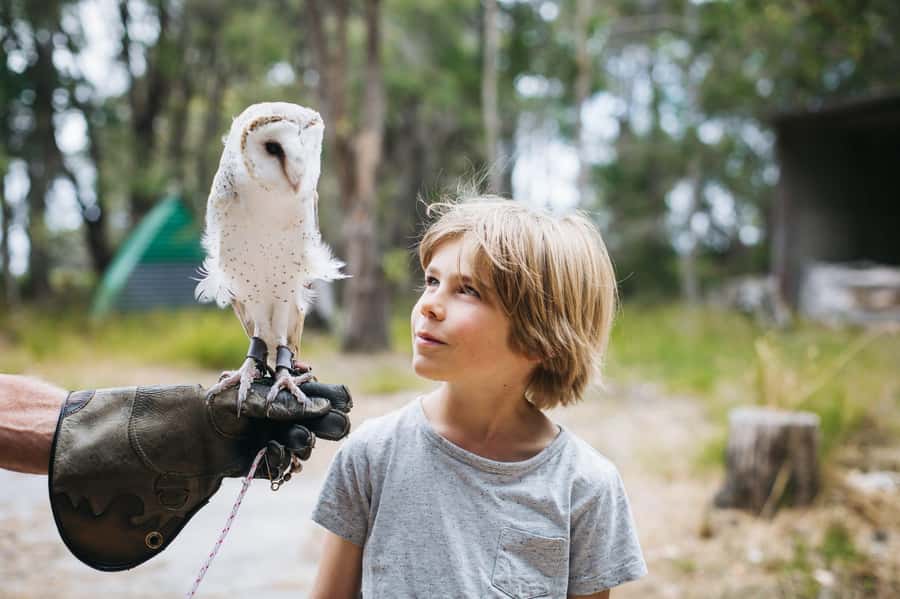
You may also see birds catch food from the air or take food from a handler’s hand. These moments are brief, but they show how alert and controlled raptors are. An owl encounter can be especially appealing if you have always thought of owls as quiet, distant night birds rather than highly adapted hunters.
The content is not limited to spectacle. One of the most useful lessons concerns RATSAK, a poison that can remain active in rodents after they have been killed. A raptor that eats the poisoned animal can then become sick or die. It is a sobering point, and it gives the show a clear reason for discussing responsible pest control.
The presenters use different styles. Rob has been praised for keeping the talk lively while explaining the birds clearly. Rachel and Robert have also led engaging sessions, while Anne-Marie has given especially useful information about barn owls and kites. Tara and Cherie have been singled out for making the experience both friendly and informative.
You should keep your expectations realistic. The display may not include every kind of raptor held at the centre. One assessment suggested that seeing more than two types of birds flying would make the show even better. The birds’ welfare must come first, but this means the presentation can feel shorter or less varied than a large-scale wildlife show.
Still, the close view is the point. You get a chance to see how a bird moves, feeds, and responds to its handler. The educational value comes from linking that action to the bird’s real abilities rather than presenting it as a theatrical trick.
Following the 1km forest walk
The walk is a useful second half of the visit. It runs for 1 kilometre through native forest and leads you past other resident birds of prey. You can take it before or after the flying display, so the order depends on the daily schedule and how you prefer to pace your visit.
After the excitement of the presentation, the walk lets you slow down. You might meet more elusive or shy birds that do not take part in the flight work. This quieter section also gives you time to read the displays, look closely at the birds, and consider the different needs of raptors in care.
Several people have found the centre easy to move around, with the aviaries arranged along a clear route. The enclosures have also been described as clean and safe. That matters in a sanctuary, where the condition and layout of the aviaries help you understand that these birds are being cared for rather than simply displayed.
There is a practical limitation. One comment suggested that some cages could be updated. The centre is developing new aviaries and structures, so the setting may feel rustic in places. I would not book this expecting polished museum architecture. I would book it for the birds and the work being done on their behalf.
The forest setting is part of the appeal. Instead of spending the full 90 minutes in a single viewing area, you get a short walk through a more peaceful setting. Wear shoes suited to an outdoor path, though the supplied information does not specify the surface or difficulty beyond the 1km distance.
The conservation work behind the visit
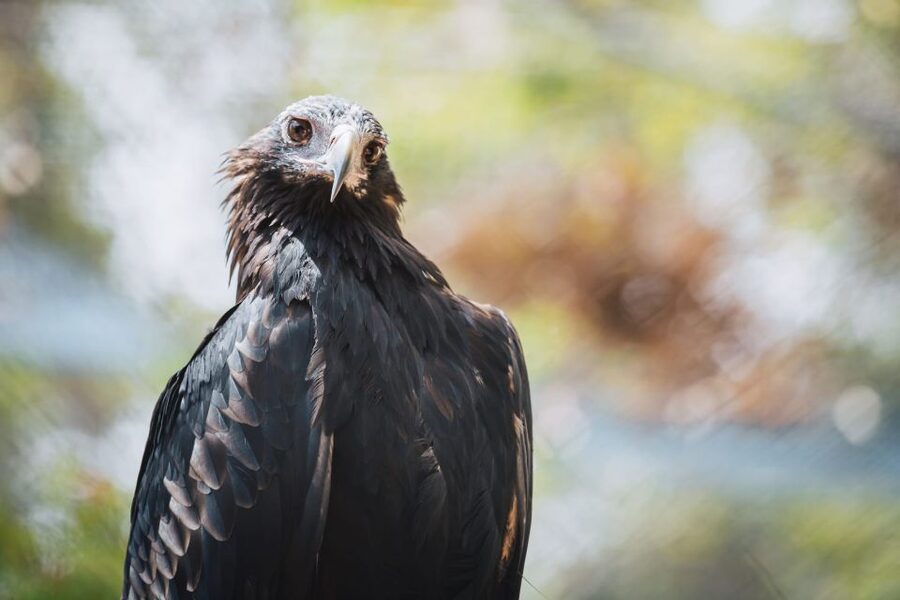
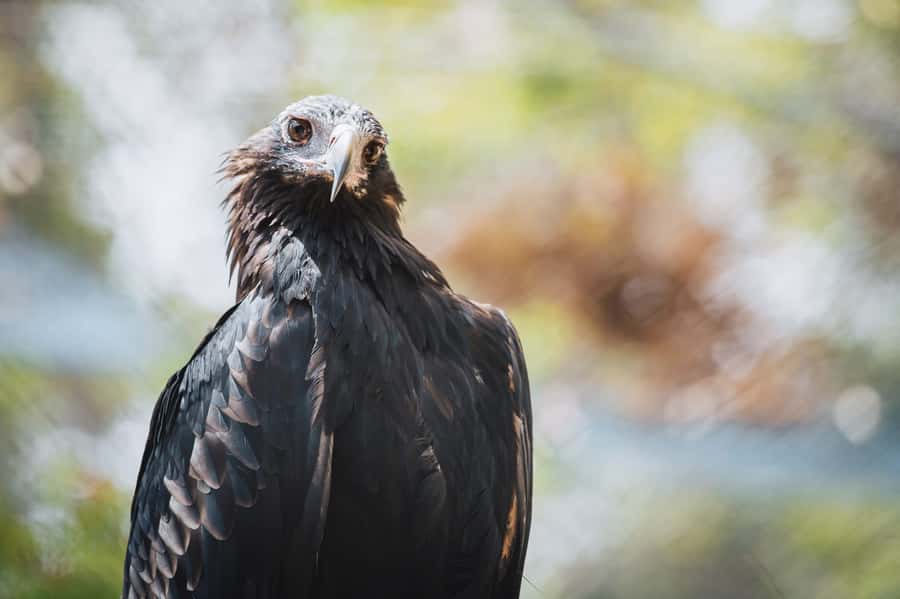
Capes Raptor Centre is operated by the Capes Foundation and is dedicated to rehabilitating injured, orphaned, and displaced birds of prey. The centre’s residents include eagles, hawks, falcons, and owls.
Not every bird in care can be released. Some may have injuries or other problems that prevent them from surviving in the wild. The forest walk helps explain why a sanctuary is needed, while the presentation shows how much skill and care goes into working with these birds.
I find the educational side particularly valuable for families. Children can enjoy watching a bird fly overhead, then learn that raptors are affected by choices made in gardens, farms, and homes. The message about poisoned rodents is direct without needing to turn the visit into a lecture.
The experience also suits adults who already enjoy wildlife. You will hear details about owl behaviour, kites, and other raptors that are easy to miss in the wild. The chance to see a shy bird at close range can be more useful than a distant sighting on a roadside.
The staff’s enthusiasm is part of the appeal. The named presenters are described as willing to answer questions and clearly committed to the birds. That makes the encounter feel personal rather than like a recorded talk delivered on repeat.
Same coast, a completely different day out:
- Sydney: Opera House Guided Tour with Entrance Ticket
★ 4.8 · 8,312 reviews - All Inclusive Blue Mountain,Scenic World,Lunch,Koalas,ferry
★ 5.0 · 7,832 reviews - Great Ocean Road Small-Group Eco Tour from Melbourne
★ 5.0 · 6,607 reviews - From Melbourne: Great Ocean Road, 12 Apostles, Wildlife Tour
★ 4.7 · 6,020 reviews
Is $17 good value?
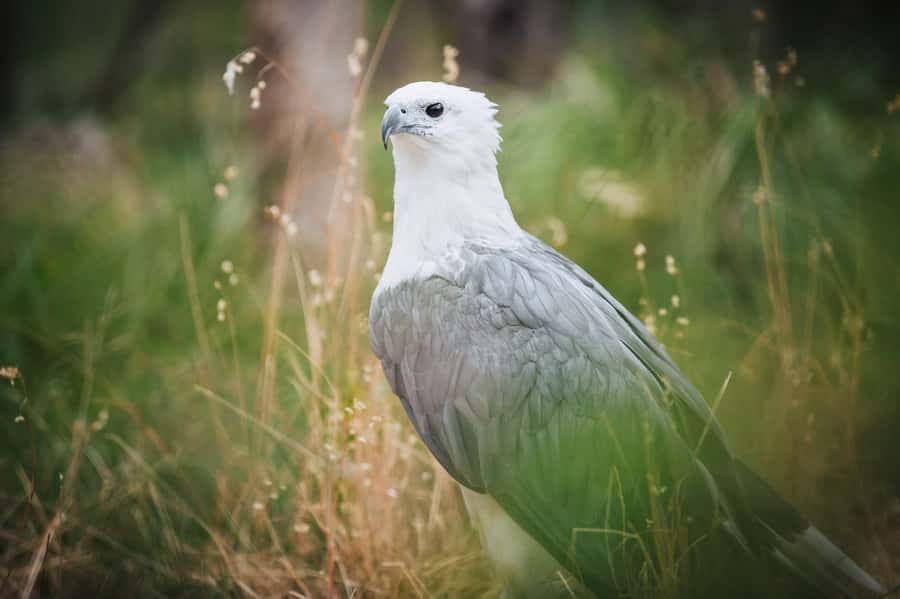
At $17 per person, this is one of the easier Margaret River activities to fit into a day. The admission includes the scheduled bird of prey encounter and the 1km forest walk. Food, drinks, and transport are not included, but the short visit keeps the overall cost and time commitment down.
The value depends on what you want from a wildlife attraction. If you expect a large collection, many flight demonstrations, or a full-day animal park, you may find the centre limited. The flying display can involve only a few birds, and parts of the facility have a rustic feel.
If you want a focused wildlife stop with a strong conservation message, the price works well. You receive a live presentation, close views of birds, a forest walk, and time with guides who can answer questions. For families, $17 per person is also easier to justify than a costly full-day attraction, especially when the visit takes only 90 minutes.
I would give yourself enough time before or after the centre for another Margaret River activity. The visit is compact, so it works well as part of a larger driving day rather than as your only plan.
Who will enjoy this activity most?
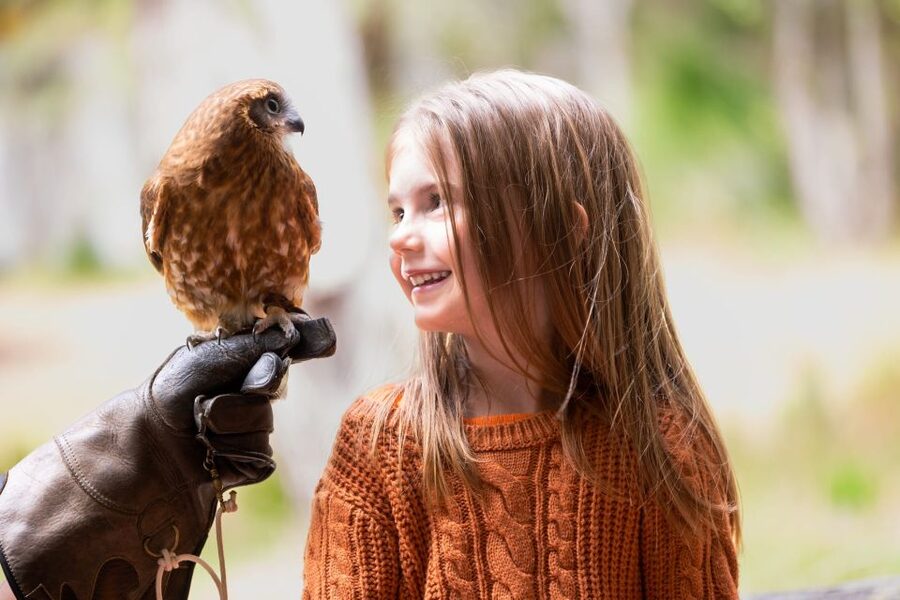
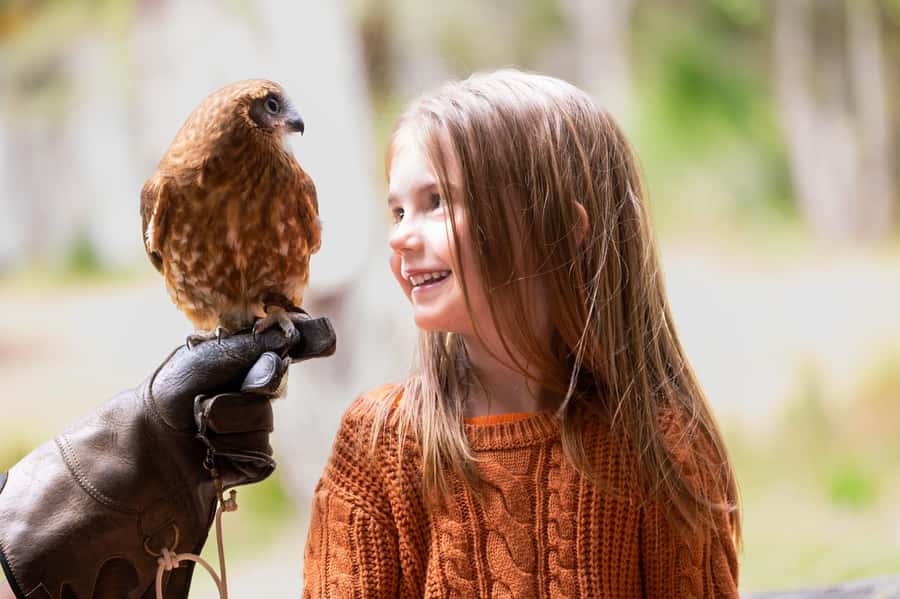
Families are a natural fit. Children can watch Bonnie fly overhead, see an owl at close range, and follow the path to meet other birds. The combination of movement, animals, and short explanations keeps the visit from feeling like a long classroom session.
It also suits anyone interested in Australian wildlife and conservation. The talks cover more than names and appearances, with useful information about hunting, feeding, behaviour, and threats caused by poison.
Photographers may enjoy the close access, though the information provided does not promise specific photography conditions. You can have your photo taken with a bird of prey, which is one of the listed highlights.
This is less suitable if you dislike outdoor walking or want a completely polished attraction. The forest section is 1 kilometre, and some areas may look rustic. The centre is wheelchair accessible, but the available information does not explain the exact path surface or which parts of the forest route are easiest for different mobility needs.
Timing, access, and simple planning tips
The bird of prey encounter runs twice daily. Check the available starting times when you book, then plan to arrive with enough time to park and get oriented.
Since the forest walk can happen before or after the encounter, you have some flexibility. If you prefer the most exciting part first, go straight to the presentation and take the walk afterward. If you like to settle in slowly, start with the forest route.
The activity lasts 90 minutes. That figure includes both the bird encounter and the self-guided walk, so do not expect a long guided hike through the forest.
English is the listed language for the host or greeter and the activity. Wheelchair access is available. Transport is not supplied, and there is no food or drink included, so plan those parts yourself before or after the visit.
You can cancel up to 24 hours before the activity for a full refund. You can also reserve now and pay later, which may help if your Margaret River plans are still changing.
Should you book the Capes Raptor Centre visit?
I would book this if you want an affordable, focused wildlife experience near Margaret River. The strongest reasons are the close bird encounters, the practical conservation lessons, and the chance to see birds that are too injured, young, or displaced to live independently.
Book it especially if you are travelling with children, enjoy owls and raptors, or want something different from wineries and food stops. The show is informative without being dry, and the forest walk gives you a calmer way to see the centre’s other residents.
I would hesitate only if you need a large, highly polished attraction or expect a long flight show featuring many species. The setting can be rustic, and the number of flying birds may be limited.
For most visitors with 90 minutes to spare, $17 is a fair price for a meaningful local activity. Bring your curiosity, allow time for the full walk, and treat the encounter as both a wildlife presentation and a chance to support raptor care.
FAQ
Where is Capes Raptor Centre?
Capes Raptor Centre is 5 kilometres south of the Margaret River townsite in Western Australia.
How long does the visit take?
The activity lasts 90 minutes, including the bird of prey encounter and the 1km self-guided forest walk.
What is included in the admission price?
Admission includes a twice-daily Bird of Prey Encounter and a 1km self-guided forest walk through the centre.
How much does the experience cost?
The listed price is $17 per person.
How often does the bird presentation run?
The Bird of Prey Encounter runs twice daily. Check availability for the starting times on your chosen date.
Can I take the forest walk before the presentation?
Yes. The forest walk can take place before or after the Bird of Prey Encounter.
Which birds might I see?
The centre cares for birds including eagles, hawks, falcons, and owls. The walk lets you meet an array of powerful and elusive birds of prey.
Is transportation included?
No. Transportation is not included, so you need to make your own way to the centre.
Is the activity wheelchair accessible?
Yes, the activity is listed as wheelchair accessible.
Can I cancel for a refund?
Yes. You can cancel up to 24 hours in advance for a full refund. You can also reserve your place and pay later.
Just added around Australia
- Morning Cruise on the Murchison River in Kalbarri (April to Nov)★ 5.0 · 91 reviews
- Kalbarri Rock Lobster Tours★ 5.0 · 54 reviews
- Kalbarri Sunset & Coastal Cliff Cruise★ 5.0 · 59 reviews
- Kalbarri Whale Watching Tour Guided★ 5.0 · 35 reviews
- Kakadu National Park Wildlife & Ubirr Rock Art Tour from Darwin★ 4.5 · 101 reviews
- Jervis Bay Whale Watching Tour★ 4.5 · 353 reviews
- Arnhem Land Yingana Injalak Hill Full Day Tour from Jabiru★ 5.0 · 132 reviews
- Jabiru 30 minute Scenic Flight★ 5.0 · 68 reviews
Walking Tours, compared.
Sydney Opera House Official Guided Walking Tour
Read our review →
Blue Mountains Tour with Waterfall Walk & Lunch
Read our review →
Ultimate Melbourne Walking Tour: History, Laneways & Culture
Read our review →

Great Ocean Road Tour Plus Koalas, Forest Walk and Morning Tea
Read our review →
Blue Mountains Small Group Tour with Waterfall Walk & Fresh Lunch
Read our review →
Maria Island Cruise and Guided Walk Day Tour with Lunch and Drinks
Read our review →
Sydney Cricket Ground (SCG) and Museum Walking Tour
Read our review →Browse the lists this tour appears in