
Reviewed · WILDLIFE & ZOO EXPERIENCES
Melbourne Zoo: 1-Day Entry Ticket
Melbourne Zoo gives you a lot to see in one easy city outing: more than 320 animal species, from Sumatran tigers and lions to koalas, kangaroos, little penguins, and Australian fur seals. The grounds are spacious, green, and laid out in distinct animal zones, so this feels like a proper day out rather than a quick collection of cages.
I especially like the strong Australian wildlife section and the useful keeper presentations held at set times. The butterfly house, seal pool, snow leopard enclosure, and well-placed rest areas add variety. The main catch is time: some animals may be asleep or out of sight, and the zoo is big enough to leave your feet tired if you try to see everything.
In This Review
- Key points before you go
- Why Melbourne Zoo works as a city-day outing
- From rainforest trails to Lion Gorge
- Butterfly House and the smaller encounters
- Australian animals in a bush setting
- Penguins, seals, and the underwater world
- Keeper talks make the ticket more useful
- How long you need and how to pace the visit
- Food, shade, and the practical costs
- Getting there from central Melbourne
- Children, older visitors, and special experiences
- What can be disappointing
- Is the Melbourne Zoo ticket worth booking?
- FAQ
- Where is Melbourne Zoo located?
- How much does general admission cost?
- How long is the ticket valid?
- What are Melbourne Zoo’s opening hours?
- How do I reach Melbourne Zoo by tram?
- Can I reach the zoo by train?
- Which bus stops at Melbourne Zoo?
- Are children admitted free?
- Are keeper presentations included?
- Are meals and animal encounters included?
Key points before you go
- Plan on half a day to a full day: The zoo is large, and arriving after lunch leaves little time for a relaxed visit.
- Take the tram, train, or bus: Tram 58 stops directly outside, while Royal Park Station is Melbourne Zoo’s own railway stop.
- Start with the animals you most want to see: Heat, crowds, and animal routines can affect what is visible later.
- Keeper presentations are included: Check the daily times when you arrive and build them into your route.
- Australian animals are a major draw: Koalas, kangaroos, wombats, and emus appear in a bush setting.
- Look for ticket savings for children: Children under 16 enter free on weekends, Victorian school holidays, and Victorian public holidays.
Why Melbourne Zoo works as a city-day outing
The zoo is only about 10 minutes from Melbourne’s city centre, yet once you enter, the city feels far away. You spend the day walking through planted paths, animal zones, and rainforest-style areas rather than moving from one indoor display to another.
That easy access matters. You do not need to give up a full day to travel out to a distant wildlife park, and public transport makes the visit fairly simple for people without a car. The zoo is open from 9:00 AM to 5:00 PM every day of the year, giving you a clear window for planning.
I would treat the one-day ticket as a flexible admission pass, not as a timed tour. You choose your route, pause for food or a keeper talk, and return to a favorite exhibit if an animal was hiding earlier. That freedom is useful, especially with children or anyone who does not want to follow a fixed schedule.
More wildlife & zoo experiences in Australia:
- From Melbourne: Great Ocean Road, 12 Apostles, Wildlife Tour
★ 4.7 · 6,020 reviews - Penguin Parade, & Wildlife Encounters Eco Tour from Melbourne
★ 5.0 · 3,774 reviews - Blue Mountains Small-Group Tour from Sydney with Scenic World,Sydney Zoo & Ferry
★ 5.0 · 3,709 reviews
From rainforest trails to Lion Gorge
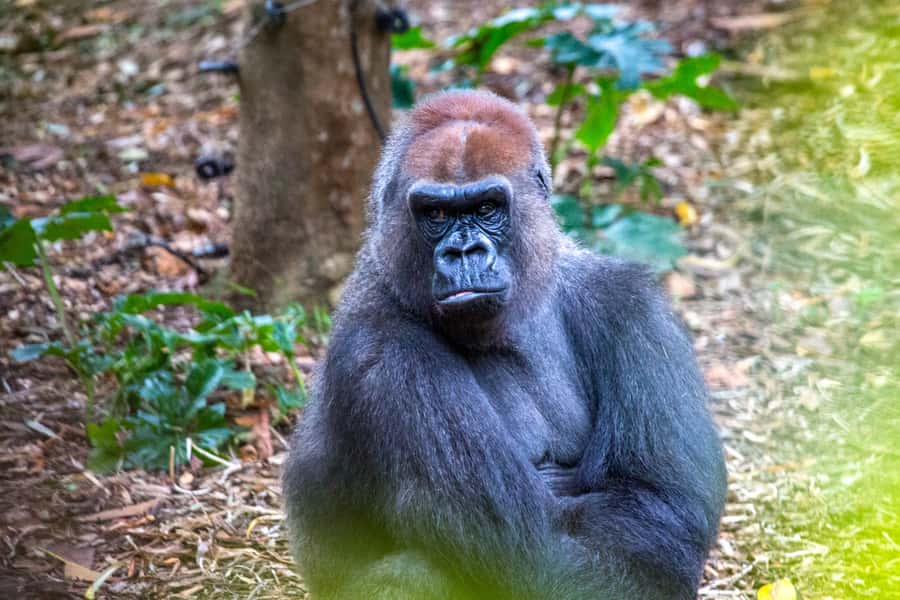
Begin with the Asian and African rainforest areas if tigers, monkeys, or lions are high on your list. These zones are designed around natural-looking settings, with leafy paths and viewing areas that let you look for animals rather than simply stand in front of a display.
That can be rewarding, but it also means sightings are not guaranteed. Animals may be resting, moving through a less visible part of the enclosure, or staying cool during hot weather. Several visitors found that some animals were difficult to spot, so do not measure the day only by how many species you can tick off.
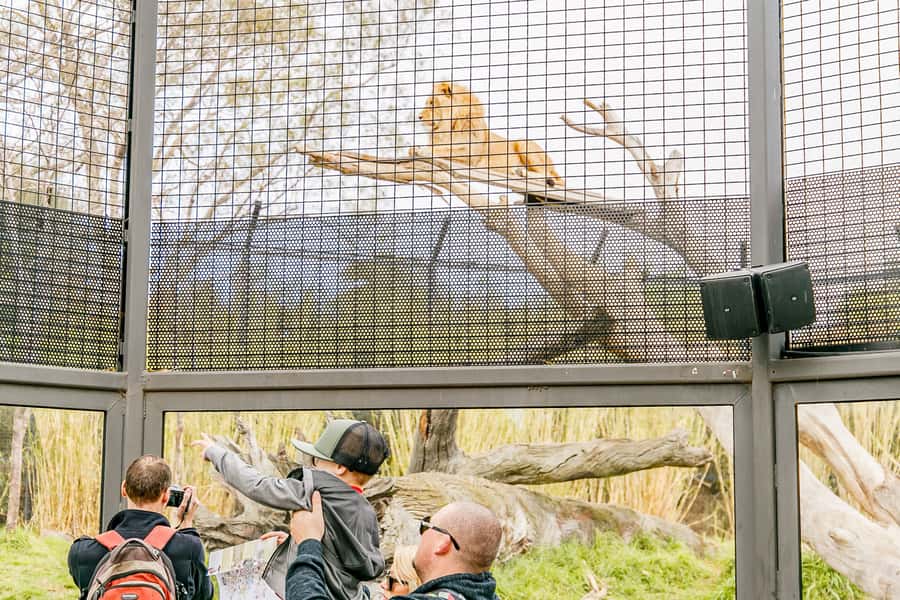
Lion Gorge gives you a more focused encounter with the lion pride. The special viewing area is meant to bring you eye-to-eye with the animals, though the lions may not always be visible. The same applies to tigers, snow leopards, gorillas, and monkeys. Ask staff about current viewing conditions and check back later if one of your priority animals is missing.
The zoo’s volunteer and keeper presence adds real value here. Staff members can point you toward animals you might otherwise miss and explain what you are seeing. One visitor received a 20-minute talk about Sumatran tigers from a volunteer, which shows why it is worth stopping when a keeper or volunteer is available.
Butterfly House and the smaller encounters
The tropical Butterfly House changes the pace of the day. After larger mammals and long walking routes, it gives you a close, quiet look at delicate creatures in a warm indoor setting.
It is also a useful stop if the weather turns cool or wet. On hot days, though, the heat may feel intense, especially after walking through the rest of the zoo. Keep your map handy, since the butterfly area can be easy to miss if you simply follow the main route.
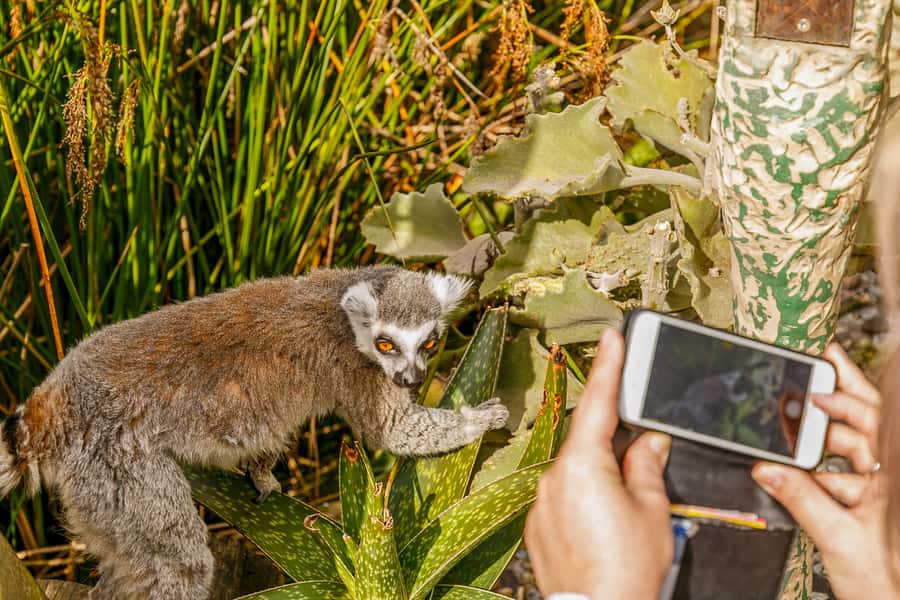
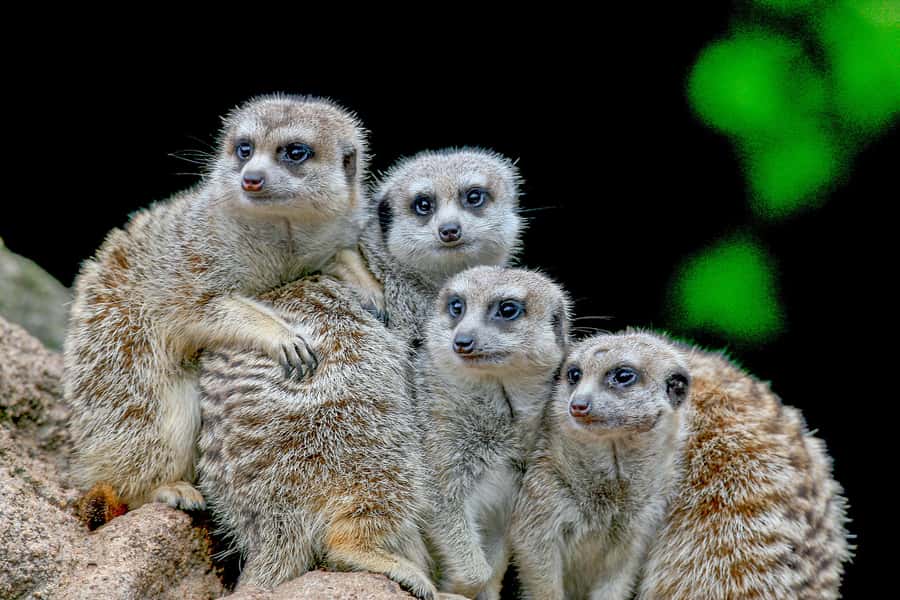
The smaller animals can be just as memorable as the headline species. Meerkats and lemurs are popular stops, and the zoo’s bird areas add movement and sound along the way. A parrot being handled by a staff member was a memorable extra for one visitor, but animal handling opportunities are not part of the standard admission and should not be expected as a scheduled feature.
Australian animals in a bush setting
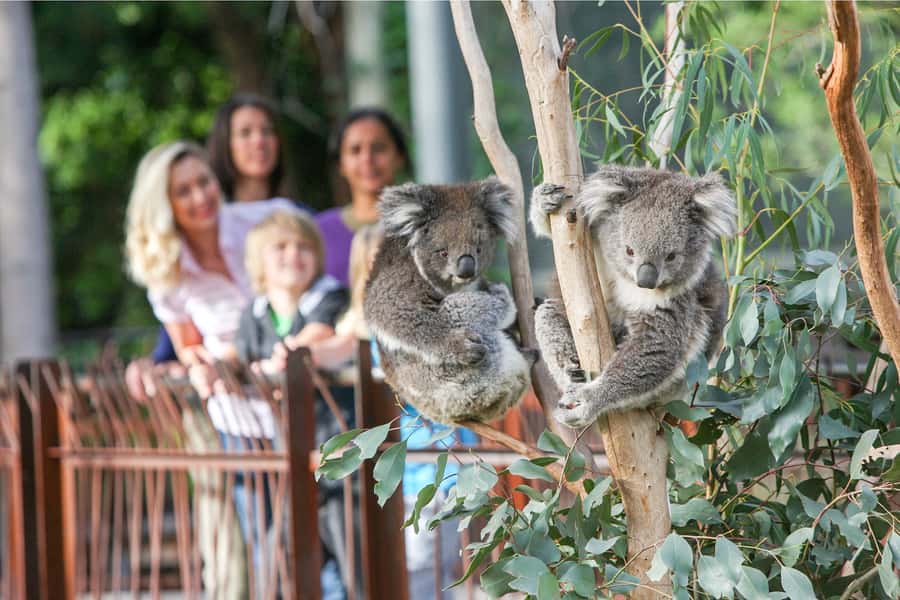
For a first visit to Melbourne, I would make time for the Australian bush section even if you have already seen wildlife elsewhere in the country. Koalas, kangaroos, wombats, and emus give you a compact introduction to species closely tied to Victoria and Australia.
The bush setting makes this part feel different from the Asian and African zones. You are not simply moving between international exhibits. You are seeing animals in a setting that helps explain the kind of environment they come from.
Koalas may be less active, particularly in warm weather, while kangaroos and emus can be easier to notice as you move through the area. Wombats are another worthwhile stop, especially for children who may know the name but have never seen one in person.
If your main goal is to see kangaroos or koalas, go early rather than leaving this section until the final hour. You can always return later, but an early visit gives you more time to look carefully and ask staff for directions.
A few more Australia trips to weigh up
- Blue Mountains Adventure: Scenic World, Zoo & Koala Photo
★ 4.7 · 2,062 reviews - Sydney: Taronga Zoo Tickets
★ 4.6 · 1,551 reviews - From Brisbane: Australia Zoo Transfer and Entry Ticket
★ 4.9 · 1,539 reviews - From Sydney: Blue Mountains, Scenic World, Zoo, & Ferry Ride
★ 4.8 · 1,484 reviews
Penguins, seals, and the underwater world
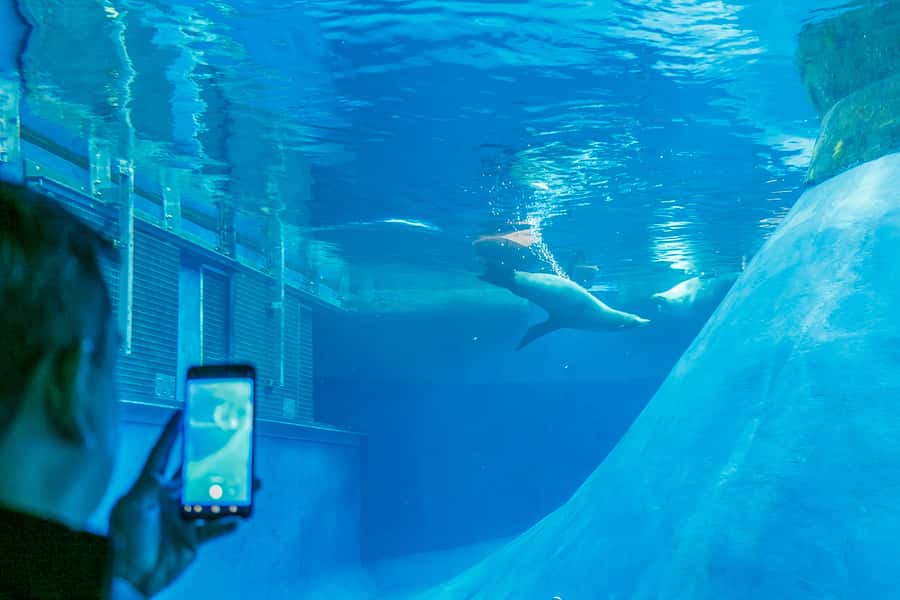
The underwater section brings a welcome change from land animals. Victoria’s little penguins and Australian fur seals are the stars here, with viewing areas that let you watch them moving through the water.
The seal wave pool was a highlight for one visitor, and it is easy to see why a pool-based exhibit adds energy to a long walking day. You get motion, splashing, and a better chance of seeing animals active even when some land animals are resting.
The little penguins are especially useful for families because they offer a distinctly Victorian wildlife experience. If you have limited time, include this section along with the Australian bush area, rather than spending the whole day only on the large predators.
Keeper talks make the ticket more useful
Animal keeper presentations are included in general admission and take place at set times. These talks give structure to your day and help you understand the animals beyond simply photographing them.
Check the presentation schedule as soon as you arrive. If you set off without looking, you may find yourself on the far side of the zoo when a talk begins. The zoo is large, and walking back and forth can waste time.
The talks also help when an enclosure seems quiet. A keeper can explain where an animal prefers to rest, how it behaves, or what features to look for. Staff and volunteers are often willing to help with directions, too, which matters because several paths and zones can make the map harder to follow than expected.
The map is useful, but do not assume every route will feel obvious. Ground signs could be clearer in places, and some people missed sections because they took the wrong path. Take a moment at major junctions and mark off the areas you have already visited.
How long you need and how to pace the visit
You can see part of Melbourne Zoo in an afternoon, but I would allow at least half a day and preferably most of the day. The 9:00 AM opening gives you the best chance of covering the major zones without rushing.
A sensible rhythm looks like this:
- Start with the animals you most want to see.
- Attend one or two keeper presentations.
- Visit the Australian bush section and underwater exhibits.
- Stop for lunch or a break.
- Use the afternoon for areas you skipped or animals that were hidden earlier.
The grounds have plenty of seating, and picnic areas are available. That makes it easier to slow down instead of treating the zoo like a race. Families can also use play spots to give children a break from animal viewing.
Walking is the main activity. One visitor loved the zoo but found that their feet hurt after covering the whole place. Older visitors may want to plan regular rests, and anyone with limited mobility should use the wheelchair-accessible facilities and ask staff for the easiest route.
Food, shade, and the practical costs
The ticket costs $37 per person. That is reasonable if you stay for several hours and use the included keeper presentations, but the value drops if you arrive late and see only a few areas.
Food and drinks are not included. Prices inside can feel high, so bringing a picnic is worth considering if the rules and your plans allow it. Seating and picnic spots make this practical, and you avoid turning lunch into another major expense.
Food choices have received mixed practical feedback. There are eating facilities and some visitors found the dining options good, but one family struggled to find a gluten-free choice. If you need a strict gluten-free meal, check what is available before relying on zoo food.
Hot weather changes the experience. Fans, drinks, ice cream stops, and rest areas help, but animals may be less active or harder to see. Arriving at opening time is the best general strategy, especially in summer and during school holidays.
The zoo can become crowded after lunch, with school groups and families around popular exhibits. That does not ruin the visit, but it can make quiet viewing harder. Weekdays outside school holidays should feel calmer, while weekends and public holidays may be much busier.
Getting there from central Melbourne
Public transport is one of the strongest practical points of this outing.
Tram 58 runs from William Street in the city centre toward Toorak and stops directly outside Melbourne Zoo. This is the most straightforward choice if you are staying in central Melbourne and want a simple door-to-door route.
You can also take the Upfield train line from Flinders Street Station to Royal Park Station, which has its own Melbourne Zoo stop. Bus route 505 runs between Moonee Ponds and Melbourne University and also stops outside the zoo.
Parking has been frustrating for some visitors, so public transport is worth serious consideration. If you are coming from a cruise ship or central accommodation, a Myki day pass can help cover the tram, train, and bus connections, depending on your wider plans.
Keep your admission ticket ready on your phone. Some people found the electronic ticket difficult to locate, and third-party ticket systems may encourage you to download an app. Save the ticket before you arrive so you are not searching for it at the entrance.
Children, older visitors, and special experiences
Melbourne Zoo suits families particularly well. The animals, play areas, open paths, and picnic spaces allow you to change pace when young children lose interest. Children under three enter free every day, and children under 16 enter free on weekends, Victorian school holidays, and Victorian public holidays.
Those child rules can make the $37 adult ticket better value for a family, but check the conditions before booking because the free-entry days are specific. For adults, compare the ticket price with the official zoo price before purchasing. Some people paid more through an outside booking channel than they would have paid directly.
The standard ticket does not include animal encounters or behind-the-scenes activities. Upgrade options are available for those who want a closer experience, such as a special animal encounter, but you should view these as separate purchases rather than part of admission.
If you are visiting for a birthday or a particular animal, check the upgrade options before the day. One visitor particularly enjoyed a gorilla experience purchased as a gift. That type of add-on can make sense for a special occasion, while the basic ticket is enough for a general zoo day.
What can be disappointing
The biggest limitation is that a zoo visit depends on animal behavior. You may not see every species, even if you spend the whole day. Lions, tigers, snow leopards, gorillas, and monkeys may be resting or out of sight, and hot weather can make this more likely.
Crowds are the second issue. Children’s groups can gather around popular exhibits, and noisy or poorly supervised children may affect your enjoyment. Arrive early, visit high-demand areas before lunch, and save quieter sections for the busiest part of the day.
Navigation can also take a little patience. The zoo map helps, but several paths can make it easy to miss a zone. Ask volunteers for directions instead of assuming you have seen everything.
Finally, food prices and limited dietary choices may be a concern. Pack a picnic if you want to control costs, and plan a proper break because the zoo is too large for most people to enjoy at full speed.
Is the Melbourne Zoo ticket worth booking?
I would book this ticket if you want a full or half-day activity close to central Melbourne, especially if you are traveling with children or want a broad introduction to Australian and international wildlife.
It is a good fit for visitors who enjoy walking, gardens, keeper talks, and the chance to return to exhibits at their own pace. The strongest parts are the Australian bush area, the underwater exhibits, the butterfly house, and the knowledgeable help available from keepers and volunteers.
I would think twice if you have only a few hours, dislike crowds, or need guaranteed sightings of particular animals. In that case, arrive at 9:00 AM, go straight to your priority exhibits, and treat everything else as a bonus.
At $37 per adult, the ticket makes most sense when you use several hours of the day. Check direct prices before booking through a third party, take public transport, bring food if useful, and remember that behind-the-scenes encounters cost extra.
FAQ
Where is Melbourne Zoo located?
Melbourne Zoo is in Victoria, Australia, about 10 minutes from Melbourne city centre.
How much does general admission cost?
The listed price is $37 per person for a one-day general admission ticket.
How long is the ticket valid?
The ticket is valid for one day.
What are Melbourne Zoo’s opening hours?
Melbourne Zoo is open from 9:00 AM to 5:00 PM, 365 days a year.
How do I reach Melbourne Zoo by tram?
Tram 58 runs from William Street in the city centre and stops directly outside Melbourne Zoo.
Can I reach the zoo by train?
Yes. Trains from Flinders Street Station on the Upfield line stop at Royal Park Station, Melbourne Zoo’s own railway stop.
Which bus stops at Melbourne Zoo?
Bus route 505, running from Moonee Ponds to Melbourne University, stops outside Melbourne Zoo.
Are children admitted free?
Children aged three and under enter free every day. Children under 16 enter free on weekends, Victorian school holidays, and Victorian public holidays.
Are keeper presentations included?
Yes. Animal keeper presentations at set times are included with general admission.
Are meals and animal encounters included?
No. Meals and drinks are not included, and up-close or behind-the-scenes experiences require an additional upgrade.
More 1-Day Tours in Australia
- From Sydney: Blue Mountains Full-Day Trip
★ 4.5 · 4,471 reviews - Blue Mountains Day Trip from Sydney Including Scenic World
★ 4.5 · 2,420 reviews - From Brisbane: Moreton Island Full-Day Trip
★ 4.5 · 2,108 reviews - Cape Tribulation, Mossman Gorge, and Daintree Rainforest Day Trip
★ 4.5 · 1,961 reviews
Just added around Australia
- Morning Cruise on the Murchison River in Kalbarri (April to Nov)★ 5.0 · 91 reviews
- Kalbarri Rock Lobster Tours★ 5.0 · 54 reviews
- Kalbarri Sunset & Coastal Cliff Cruise★ 5.0 · 59 reviews
- Kalbarri Whale Watching Tour Guided★ 5.0 · 35 reviews
- Kakadu National Park Wildlife & Ubirr Rock Art Tour from Darwin★ 4.5 · 101 reviews
- Jervis Bay Whale Watching Tour★ 4.5 · 353 reviews
- Arnhem Land Yingana Injalak Hill Full Day Tour from Jabiru★ 5.0 · 132 reviews
- Jabiru 30 minute Scenic Flight★ 5.0 · 68 reviews
Wildlife & Zoo Experiences, compared.
Penguin Parade, & Wildlife Encounters Eco Tour from Melbourne
Read our review →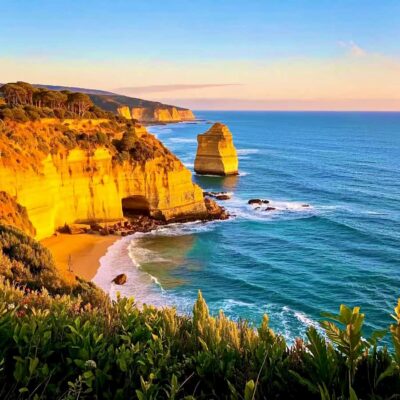
Melbourne Great Ocean Rd Reverse Tour London Bridge Wildlife
Read our review →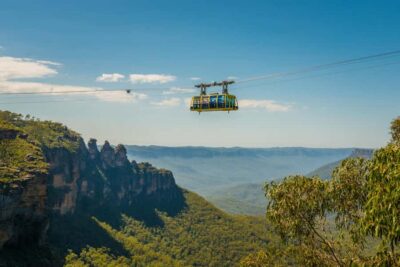
Blue Mountains Adventure: Scenic World, Zoo & Koala Photo
Read our review →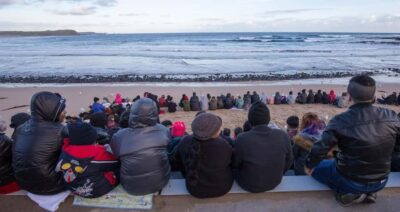
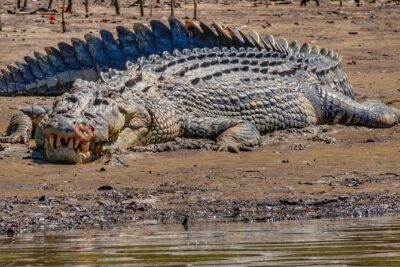
Solar Whisper Daintree River Crocodile and Wildlife Cruise
Read our review →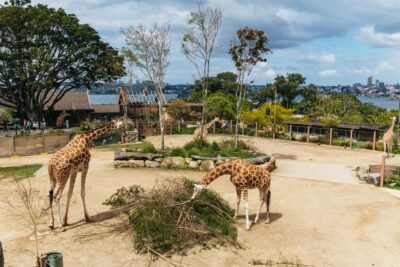
Browse the lists this tour appears in