
Reviewed · FARMS
Rockhampton: Koorana Crocodile Farm Guided Tour
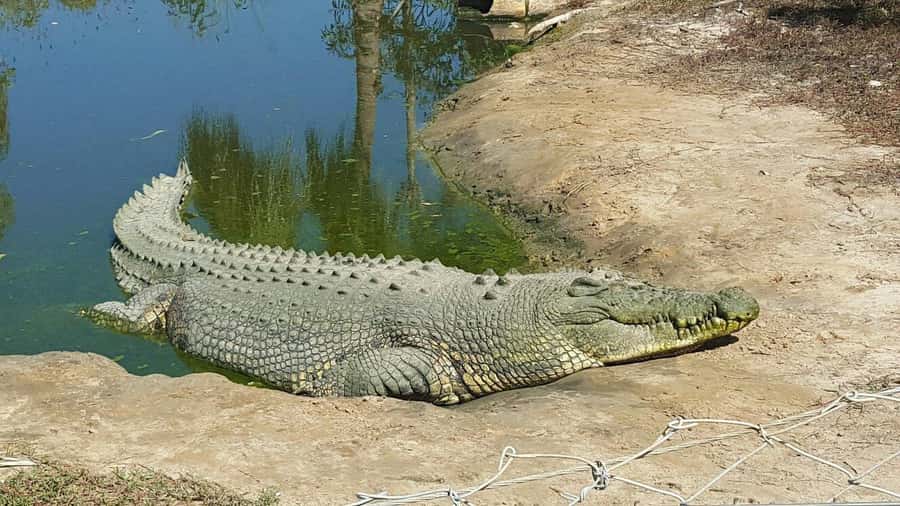
The most memorable part of Koorana Crocodile Farm is the close encounter with a small crocodile. You can hold one for a photo, then watch larger crocodiles feed while your guide explains how these powerful reptiles behave. It is a hands-on wildlife lesson, not just a quick animal display.
I like the clear conservation focus and the way the tour connects crocodile behavior with the farm’s commercial work. I also like the seasonal timing: from December to February, staff may collect eggs from nests, and from February to May, you may see baby crocodiles hatching. The main consideration is the heat, with parts of the tour outdoors, so bring water, sunscreen, a hat, and insect repellent.
In This Review
- Key points before you book
- Meeting Queensland’s crocodile pioneers
- The crocodile behavior presentation
- Walking the farm during feeding time
- Holding a small crocodile for a photo
- Eggs, nests, and the crocodile life cycle
- Conservation and commercialisation in plain terms
- Is $28 good value for 90 minutes?
- Who will enjoy Koorana most?
- Practical planning for a comfortable visit
- Should you book the Koorana Crocodile Farm tour?
- FAQ
- How long is the Koorana Crocodile Farm tour?
- How much does the tour cost?
- Is the tour guided?
- Can I hold a crocodile?
- Are photos included?
- Can I watch crocodiles being fed?
- Can I see crocodile eggs?
- When can I see baby crocodiles hatching?
- What should I bring?
- Who cannot take this tour?
Key points before you book
- Hold a small crocodile: A supervised photo opportunity gives you a close look at a young croc without putting safety aside.
- See feeding in action: The farm walk includes staff feeding crocodiles, a useful way to understand their size, speed, and behavior.
- Seasonal egg work: Nest raids and egg collection usually take place from December to February, while hatching activity is expected from February to May.
- A strong guide makes the difference: Guides including Kia and Mel are praised for clear explanations, humor, and enthusiasm for conservation.
- Short and focused: The fully guided tour lasts 90 minutes, making it easy to fit into a Rockhampton or Capricorn Coast day.
- Good value at $28: Admission includes the talk, video, farm walk, feeding, and small crocodile photo opportunity.
Meeting Queensland’s crocodile pioneers
Koorana Crocodile Farm is Queensland’s first commercial crocodile farm. That gives the visit a useful point of difference: you are not only looking at crocodiles, but also learning how conservation and commercial use have developed side by side.
The tour begins with an introductory talk about the conservation and commercialisation of crocodiles. This matters because it gives you context before you see the animals. Instead of treating the crocodiles as a simple photo attraction, the guide explains their role, behavior, and place in the farm’s work.
I like this opening because it frames the rest of the visit. You learn why the farm exists and what the staff are trying to achieve before moving around the enclosures. The subject can raise difficult questions about farming and animal products, so the introduction is also your chance to ask how the operation works.
The tour is in English, with a live guide. Kia has received particular praise for his passion, clear explanations, and attention to safety. Mel is also praised for making the experience lively and enjoyable, even on a very hot day. Guide quality can vary from one departure to another, but the feedback points to staff who care about both the animals and the people standing nearby.
A few more Australia trips to weigh up
- Amazing Yarra Valley Wine Tour + Chocolate, Farm Fresh, Gin
★ 5.0 · 1,566 reviews - Hidden Gems: Boutique Full-Day Wine, Farm & Lunch Tour
★ 5.0 · 881 reviews - Melbourne: Yarra Valley Wine, Choc, Farm Fresh, Gin Tour
★ 4.9 · 258 reviews
The crocodile behavior presentation
After the introductory talk, you watch a video presentation about crocodile behavior and farm history. This is a useful pause before the outdoor walk, since it gives you basic information to carry with you as you look at the animals.
Expect the tour to focus on how crocodiles live and act. You will learn about their behavior, life cycle, and differences between crocodiles and alligators. One of the strongest parts of the experience is the steady flow of small facts, which helps explain why a crocodile can appear still and calm one moment but remain a highly capable predator.
I would pay close attention here, especially if you are visiting with children. The later feeding demonstration makes more sense when you understand that crocodiles conserve energy, rely on instinct, and do not need to move constantly to be alert.
The video also gives useful farm background. It is not a replacement for seeing the animals, but it helps you understand the connection between breeding, eggs, young crocodiles, adult animals, and commercial production.
Walking the farm during feeding time
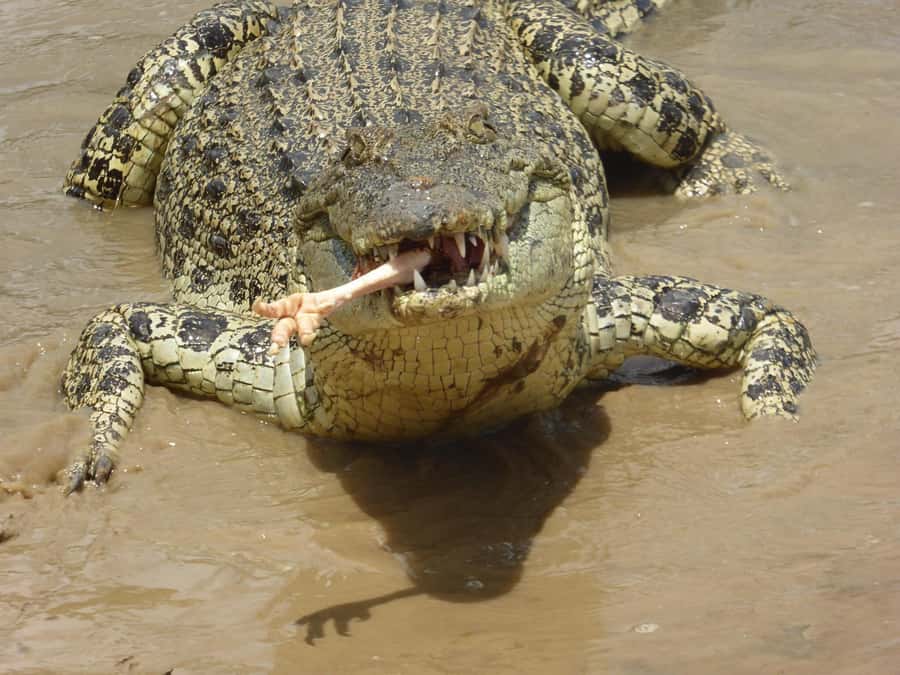
The farm walk is the core of the 90-minute visit. You move around the property with your guide and see staff feed the crocodiles. This is the moment when the animals become more than motionless shapes beside the water.
Feeding gives you a clear sense of their physical power. Your guide explains what you are seeing, so the action has an educational purpose rather than being only a spectacle. Kia, in particular, is praised for keeping people focused on safety while explaining the animals’ behavior.
The pace is worth noting. One review found the guide’s commentary strong but felt that little happened during part of the feeding presentation. That is a fair point. Crocodiles do not perform on command, and feeding may involve waiting or watching a small number of animals respond. If you want nonstop action, this may feel quiet at times. If you enjoy learning how animals behave naturally, the pauses are part of the lesson.
The walk can be hot. Several practical details make a real difference:
- Wear comfortable shoes for walking around the farm.
- Bring water and sunscreen.
- A hat is a smart choice in strong sun.
- Insect repellent is recommended.
- Bring a camera, but follow the guide’s directions around the animals.
The farm walk may also be affected by weather. A visit in poor conditions can still work, but outdoor viewing may be less comfortable. Allow yourself to watch rather than rush, since the value comes from the guide’s explanations as much as from the feeding itself.
Holding a small crocodile for a photo
The hands-on photo opportunity is the tour’s biggest crowd-pleaser. Under staff supervision, you can hold a small crocodile and have your picture taken. For many people, this is the moment they remember most clearly.
The experience gives you a direct sense of the young animal’s size and texture. It also helps you understand that a baby crocodile is not a harmless toy. The small crocodile is handled in a controlled setting, and the guide places safety first.
This is a good fit for adults, older children, and anyone who wants a close wildlife encounter without committing to a longer activity. Children under three are not permitted, and pregnant women are listed as unsuitable for the activity.
If you are nervous, you do not have to force yourself into the photo. You can watch someone else hold the crocodile and still get plenty from the talk and farm walk. If you are keen, listen closely to the instructions and keep the moment calm.
One practical point deserves attention. The tour price is listed as $28 per person, and the stated inclusions include the small crocodile photo opportunity. One booking comment refers to paying $40 to hold a baby crocodile, so I would confirm the current photo and handling arrangements when booking, especially if the price or format has changed.
Same coast, a completely different day out:
- Sydney: Opera House Guided Tour with Entrance Ticket
★ 4.8 · 8,312 reviews - All Inclusive Blue Mountain,Scenic World,Lunch,Koalas,ferry
★ 5.0 · 7,832 reviews - Great Ocean Road Small-Group Eco Tour from Melbourne
★ 5.0 · 6,607 reviews - From Melbourne: Great Ocean Road, 12 Apostles, Wildlife Tour
★ 4.7 · 6,020 reviews
Eggs, nests, and the crocodile life cycle
Koorana’s seasonal activities add another layer to the visit. From December to February, staff may conduct nest raids to collect eggs. From February to May, you may see baby crocodiles hatching.
These activities are seasonal, so you should not book outside those periods expecting to see eggs being collected or babies emerging. Even during the right months, the exact activity depends on the farm’s schedule and what is happening at the time of your visit.
The egg work is especially valuable because it shows the less visible side of crocodile farming and conservation. A feeding demonstration shows the adult animals. Egg collection and hatching show the work involved in protecting and raising the next generation.
Seeing crocodile eggs also gives children a clear life-cycle lesson. The guide can explain how eggs are gathered and how hatching takes place, turning a short farm visit into a practical science activity. If you are choosing between seasons, February to May may be especially appealing if your main interest is seeing baby crocodiles hatch.
Conservation and commercialisation in plain terms
The farm does not present crocodiles only as dangerous animals. The conservation discussion asks you to consider their behavior, breeding, survival, and commercial value together.
That balance is important. Some people will be curious about how crocodiles are farmed and how meat or other products fit into the operation. One comment specifically wanted more information about the path from live reptile to meat and byproducts. If that subject matters to you, ask direct questions during the introductory talk or farm walk.
The supplied experience details promise information about conservation and commercialisation, but they do not give a full account of every production step. You should therefore expect a guided introduction rather than a detailed industrial tour of processing.
I like that the visit leaves room for a more thoughtful view of crocodiles. You learn why their behavior matters, how breeding and hatching work, and how a commercial farm can operate within a conservation discussion. It is a better fit for curious visitors than for anyone seeking only a dramatic animal photo.
Is $28 good value for 90 minutes?
At $28 per person, the tour offers solid value if you want a guided activity with several parts. The price includes the 90-minute tour, introductory conservation talk, behavior video, farm walk, crocodile feeding, small crocodile photo opportunity, and seasonal activities when available.
You are paying for interpretation as much as admission. A self-guided look at crocodiles would not explain the behavior, farm history, egg process, or conservation issues in the same way. The guide is central to the experience, and strong guides such as Kia and Mel can make the short visit feel full.
The price is less compelling if you want a large wildlife park with many animal species or a long half-day program. This is a focused crocodile visit. Some people may also find the farm setting more practical than polished, which is part of its working character.
Lunch and drinks are not included. One comment mentions crocodile steak at lunch, but that should not be treated as part of this booking. Bring your own water, and plan food separately.
Who will enjoy Koorana most?
I would recommend this tour to families with children aged three and over, couples, wildlife fans, and anyone driving around Rockhampton or the Capricorn Coast who wants a short activity with real educational value.
Children are likely to remember holding the small crocodile, while adults may get more from the conservation talk and questions about commercial farming. The combination works well for mixed-age groups because the experience offers both a visual thrill and useful background.
It is also a good choice if you have limited time. Ninety minutes is long enough for a proper guided visit but short enough to combine with other plans. You do not need to commit a whole day to the farm.
You may want to choose another activity if you dislike outdoor heat, cannot walk comfortably in shoes suited to a farm setting, or want a quiet animal sanctuary rather than a commercial crocodile operation. Pregnant women and children under three are listed as unsuitable.
Practical planning for a comfortable visit
Wear light, comfortable clothing and shoes you can walk in. Sunscreen, water, a hat, and insect repellent are not minor extras here. The farm walk takes place outdoors, and the heat can affect how much you enjoy the experience.
Bring a camera for the small crocodile photo. Keep it ready, but do not let photography distract you from the guide’s safety instructions. The photo opportunity is supervised, and the animal’s welfare and your own safety come first.
The tour is conducted in English. If English is not your first language, ask the guide to slow down or repeat key points. One person found the guide’s speech difficult to follow at times because of the pace, though the content remained useful. This is worth considering if you prefer very slow, simple explanations.
Free cancellation is available up to 24 hours before the activity for a full refund, and you can reserve now and pay later. Starting times depend on availability, so check the schedule before building the rest of your day around the visit.
Should you book the Koorana Crocodile Farm tour?
Book it if you want a compact, friendly introduction to crocodiles with a real hands-on moment. The strongest reasons are the small crocodile photo, the feeding demonstration, and the chance to see eggs or hatching activity in the right season.
I would choose December through May if seasonal work is important to you, with December to February aimed at nest and egg activity, and February to May offering the best chance of hatching. Outside those months, the core tour still includes the talk, video, farm walk, feeding, and supervised photo.
At $28, it is a fair buy for 90 minutes, especially if your guide is as lively and informed as Kia or Mel. Go prepared for sun, some waiting during feeding, and a direct look at both conservation and commercial crocodile farming. If that sounds interesting, Koorana is worth adding to your Rockhampton plans.
FAQ
How long is the Koorana Crocodile Farm tour?
The guided tour lasts 90 minutes.
How much does the tour cost?
The listed price is $28 per person.
Is the tour guided?
Yes. It is a fully guided tour with a live English-speaking guide.
Can I hold a crocodile?
Yes. The experience includes a supervised photo opportunity with a small crocodile.
Are photos included?
The tour includes a hands-on photo opportunity with a small crocodile. Bring your own camera, and confirm the current photo arrangements when booking.
Can I watch crocodiles being fed?
Yes. The farm walk includes crocodile feeding by farm staff.
Can I see crocodile eggs?
You may see crocodile eggs and learn about the hatching process. Nest raids and egg collection usually take place from December to February.
When can I see baby crocodiles hatching?
Baby crocodiles may hatch from February to May.
What should I bring?
Bring comfortable shoes, a camera, sunscreen, water, and insect repellent. A hat is also useful in the sun.
Who cannot take this tour?
Children under three and pregnant women are listed as not suitable for the activity.
Just added around Australia
- Morning Cruise on the Murchison River in Kalbarri (April to Nov)★ 5.0 · 91 reviews
- Kalbarri Rock Lobster Tours★ 5.0 · 54 reviews
- Kalbarri Sunset & Coastal Cliff Cruise★ 5.0 · 59 reviews
- Kalbarri Whale Watching Tour Guided★ 5.0 · 35 reviews
- Kakadu National Park Wildlife & Ubirr Rock Art Tour from Darwin★ 4.5 · 101 reviews
- Jervis Bay Whale Watching Tour★ 4.5 · 353 reviews
- Arnhem Land Yingana Injalak Hill Full Day Tour from Jabiru★ 5.0 · 132 reviews
- Jabiru 30 minute Scenic Flight★ 5.0 · 68 reviews
Farms, compared.

Amazing Yarra Valley Wine Tour + Chocolate, Farm Fresh, Gin
Read our review →
Hidden Gems: Boutique Full-Day Wine, Farm & Lunch Tour
Read our review →
Hidden Gems Margaret River: Authentic Wine & Farm Experience
Read our review →
Incredible Islands Tour – Horizontal Falls & Cygnet Bay Pearl Farm
Read our review →
Cygnet Bay Pearl Farm Behind-the-Scenes Tour & Live Harvest
Read our review →
Barossa & Maggie Beers Farm (4 wine Tastings & Lunch included)
Read our review →
Browse the lists this tour appears in