
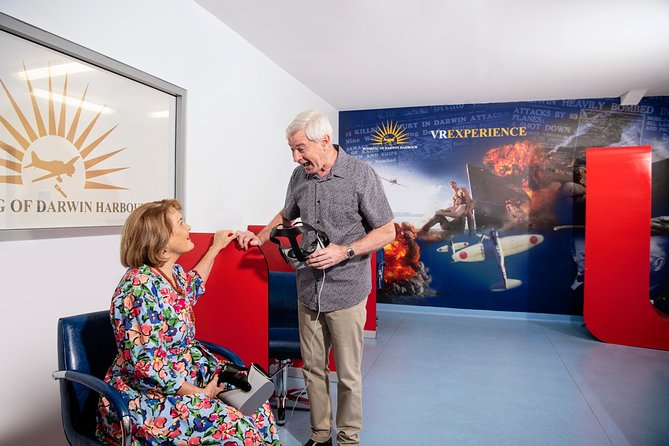
Reviewed · DARWIN TOURS
Royal Flying Doctor Service Tourist Facility: Two Iconic Territory Stories
Darwin’s RFDS Tourist Facility tells two powerful Territory stories in one stop: the daring growth of the Royal Flying Doctor Service and the devastating 1942 Bombing of Darwin. Technology does much of the storytelling, with holograms, cinema presentations, VR, and a decommissioned aircraft you can enter.
I like the freedom to arrive at a time that suits your day, then move at your own pace. I also like the mix of serious history and hands-on features, especially the VR scenes and the chance to see how medical equipment fits inside a working aircraft. The main consideration is that this is a self-guided facility, not a live, in-depth tour with a guide beside you throughout.
In This Review
- Key points
- Two Territory stories under one air-conditioned roof
- Start with the hologram story of Reverend John Flynn
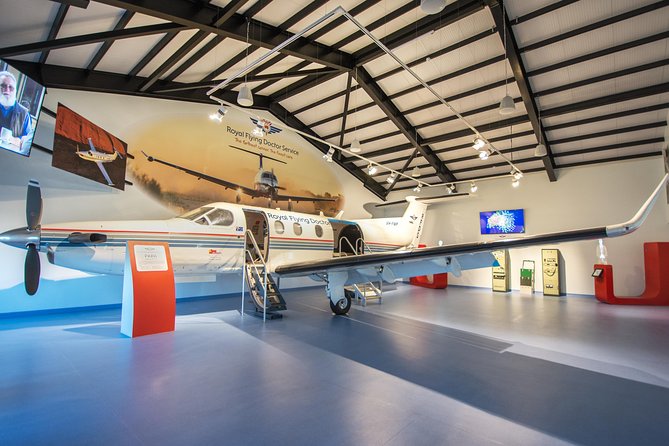
- Step inside the decommissioned Pilatus PC-12
- Experience the Bombing of Darwin through VR
- Allow one hour, or closer to two if you read everything
- What the $21.52 admission gives you
- Who will get the most from this visit
- Access, comfort, and practical details
- A respectful way to approach Darwin’s wartime story
- Is the RFDS Tourist Facility worth booking?
- FAQ
- How long does the RFDS Tourist Facility experience take?
- Is the visit guided?
- What are the two main stories covered?
- Can I enter an RFDS aircraft?
- Is the facility suitable for children?
- Is the facility accessible?
- Can I cancel for a refund?
Key points
- Two Territory stories in one visit: Learn about the RFDS and the 1942 Bombing of Darwin at the same waterfront facility.
- A real Pilatus PC-12 aircraft: Step aboard a decommissioned RFDS plane fitted for aero-medical work.
- Strong use of technology: Hologram cinema and VR presentations make complex history easier to understand.
- Flexible timing: Choose from entrance times throughout the day and explore independently.
- Comfortable in Darwin’s heat: The entire facility is indoors and air-conditioned, with seating available.
- Good value for a short visit: At about $21.52 per person, it works well as a focused one to two-hour stop.
Two Territory stories under one air-conditioned roof
The clever idea here is simple: pair the RFDS story with the story of Darwin under attack. Both subjects are tied to the Northern Territory, but they offer different kinds of insight.
The Royal Flying Doctor Service section explains how medical care reaches people in remote parts of Australia. You learn about the vision of Reverend John Flynn and how that vision developed into the modern RFDS, with pilots, engineers, doctors, nurses, and aircraft working together.
The Bombing of Darwin section turns to February 1942 and the attacks on the city and harbor during World War II. It is a sobering subject, but the presentation is designed to honor the people who served and those affected rather than treat the event as a spectacle.
I like this pairing because it gives your visit a clear shape. One story is about building a lifeline across enormous distances. The other is about Darwin’s sudden exposure to war. Together, they explain two major parts of the Territory’s modern identity.
Other Darwin days worth booking alongside this:
- Litchfield National Park and Jumping Crocodile Cruise
★ 5.0 · 2,119 reviews - Adelaide River Cruises – Jumping Crocodile Experience
★ 5.0 · 997 reviews - Sunset 3-Hour Cruise from Darwin with Dinner and Sparkling Wine
★ 5.0 · 980 reviews
Start with the hologram story of Reverend John Flynn
Your visit begins with an introductory overview, then you can follow the displays in your own order. The life-size hologram cinema is one of the main features, presenting Reverend John Flynn’s vision and the creation of the RFDS through modern projection technology.
This presentation is useful if you know little about the organization. Instead of asking you to read a long wall of text, it gives the RFDS story a human center. You see the idea, the obstacles, and the practical need for medical care in remote communities.
The cinema sessions include audio translation in Japanese, German, French, and Simplified Chinese. That is a valuable touch for families or groups who do not all prefer English audio. You should still expect the facility to be largely self-guided, so the translated audio mainly helps with the cinema presentation rather than replacing every display.
The facility can also be operated by a multilingual guide, but a guide is not guaranteed for every visit. Staff provide an introductory overview, then you are free to spend more time on the sections that matter most to you.
Step inside the decommissioned Pilatus PC-12
The aircraft is the most tangible part of the RFDS story. You can climb aboard a decommissioned Pilatus PC-12 that has been fitted for aero-medical use and see how a small aircraft can carry the tools needed for urgent care.
This is where the service becomes easier to picture. The displays explain the work of RFDS pilots, engineers, doctors, and nurses, while the aircraft shows the tight working space in physical form. You can also consider the patient experience, from being transported out of a remote area to receiving care during the flight.
The aircraft is especially useful for families. Children can look into the cockpit, and the medical setup gives them something concrete to study instead of asking them to absorb the story from text alone. Adults who have encountered the RFDS in real life may find this section particularly moving. One account connected the display with an earlier airlift after a broken leg, which makes the service feel less like an abstract national symbol and more like a working emergency system.
Do not expect a long aircraft tour with a crew member explaining every instrument. You walk through the plane as part of the self-guided visit. That keeps things flexible, but it also means you should read the nearby information and take your time if you want the full picture.
Experience the Bombing of Darwin through VR
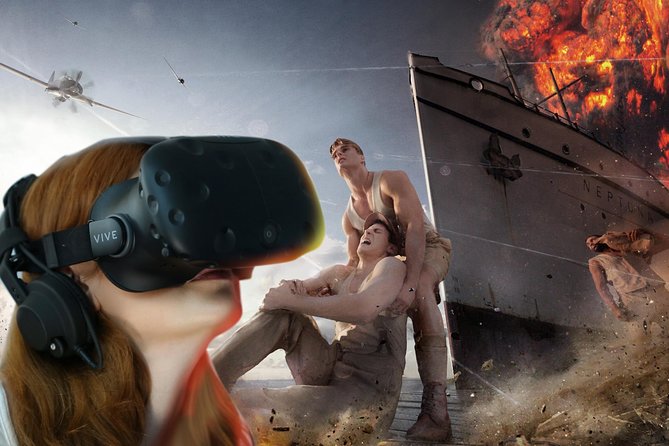
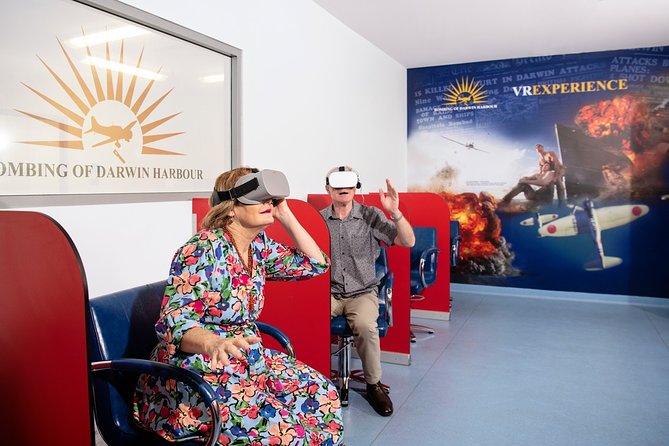
The Bombing of Darwin section uses VR and film to recreate the attack on Darwin Harbor. This is the feature that gives the visit its strongest sense of place. Rather than only reading dates and facts, you see how the harbor and city were affected through a carefully staged digital presentation.
The VR element has been widely praised for making the events easier to grasp. It is not simply an arcade-style attraction. Its purpose is to show the scale and impact of the bombing, while keeping the tone respectful toward those who served and those caught in the attacks.
I would treat this section as a serious historical presentation, particularly if you are visiting with children. The technology may catch their attention, but the subject still deserves a little preparation and a quiet conversation afterward. The facility helps by combining the VR experience with films and displays that provide context.
The cinema presentations cover both the bombing and the RFDS, so you get more than one format. If you have already visited other Defence of Darwin museums, this stop can add a different perspective through its VR recreation. If this is your first history stop in Darwin, it gives you a concise introduction before you decide how much more military history you want to explore.
Same coast, a completely different day out:
- From Darwin: Litchfield Park Tour & Jumping Crocodile Cruise
★ 4.9 · 829 reviews - Charles Darwin Dinner Cruise
★ 4.5 · 820 reviews - Kakadu Day Tour from Darwin with Offroad Dreaming
★ 5.0 · 776 reviews - Cape Adieu Darwin Sunset Dinner Cruise
★ 5.0 · 750 reviews
Allow one hour, or closer to two if you read everything
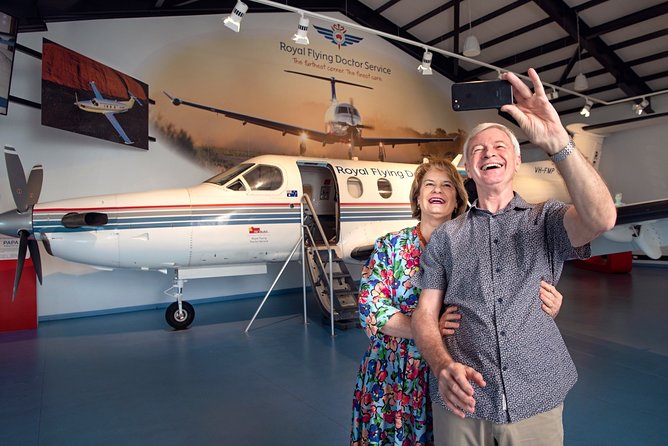
The stated duration is about two hours, but your actual visit can be shorter. An efficient visit might take around an hour, particularly if you focus on the aircraft, the main films, and the VR presentation. If you read the displays carefully and pause at the interactive features, plan closer to 90 minutes or two hours.
That flexibility is one of the strongest practical features. You can fit it between other Darwin activities rather than giving up half a day. The self-guided format also helps if people in your group have different interests. One person can spend extra time with the RFDS equipment while another moves ahead to the bombing presentation.
Entrance times are available throughout the day, so you can choose a slot around meals, cruise arrangements, or other museum visits. If you are arriving from a cruise ship, a free shuttle bus may take you to the facility, which makes the stop especially easy to add to a port day.
A useful plan is to visit around lunchtime, then stay on the wharf afterward for a meal. The facility itself is indoors and air-conditioned, so it provides a welcome break from Darwin’s heat and humidity. Seating is available throughout the site, which helps if you need regular rests.
What the $21.52 admission gives you
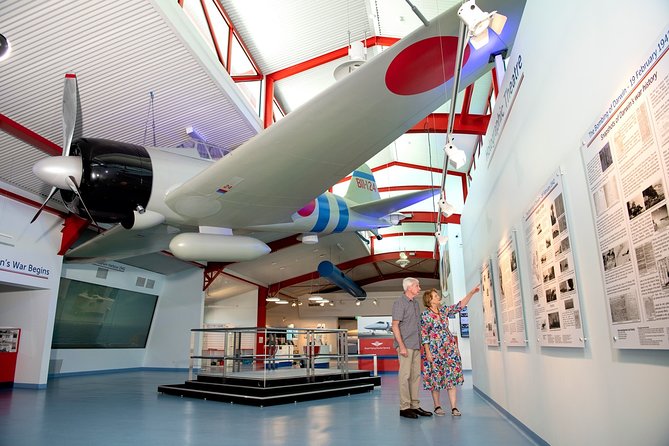
At about $21.52 per person, the admission is reasonable for a focused museum visit with several different formats. You are paying for the hologram cinema, VR presentation, films, displays, and access to the RFDS aircraft, not just a static collection of photographs.
The value is strongest if you enjoy interactive interpretation. If you prefer a long guided lecture or a large museum with many rooms of original objects, this facility may feel compact. The experience is built around a few carefully chosen presentations, so your enjoyment will depend on how much you like film, digital recreation, and self-guided displays.
For a family, the price also buys a useful mix of learning and activity. The cockpit and aircraft appeal to children, while the films and historical context give adults more to consider. The format is not limited to aviation fans. The two themes cover emergency medicine, engineering, war, local history, and community service.
There is a gift shop in the center of the facility, but souvenirs are not included. It carries RFDS and Bombing of Darwin products, including T-shirts, hats, books, collectibles, and a co-branded RFDS and R. M. Williams clothing and belt range. You can browse without adding anything to the ticket cost.
Who will get the most from this visit
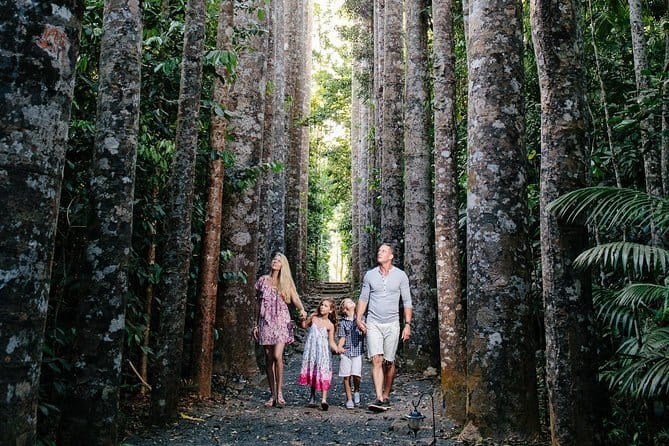
I would recommend this experience to families, first-time visitors to Darwin, people interested in Australian aviation, and anyone wanting a manageable introduction to the city’s wartime past. The interactive features give younger visitors something to do, while the subject matter gives the visit weight.
It also suits people who want to learn about the RFDS without traveling into the outback. The aircraft, staff explanations, and visual presentations show how the service operates and why aviation is vital when communities are spread across great distances.
The facility works well for cruise passengers because the visit is short, indoors, and easy to combine with other Darwin stops. It can also suit visitors who have already seen several museums and want a different way to approach the Bombing of Darwin.
You may want to lower your expectations if you are looking for a large, object-heavy museum or a fully guided historical tour. The experience is polished and focused, but it is not designed to fill an entire day. Its strength is clarity, not size.
Access, comfort, and practical details
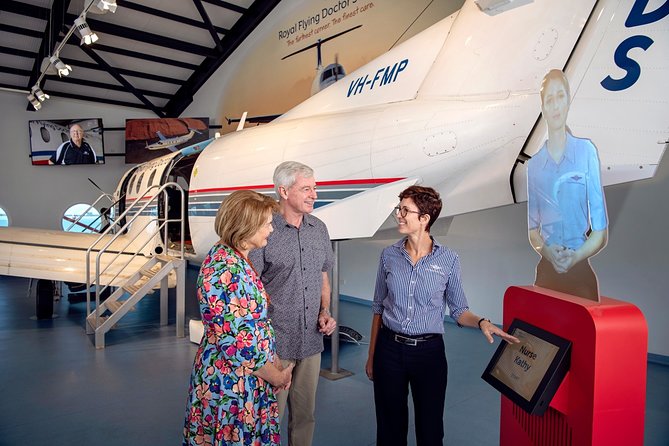
The facility has complete disability access and seating options throughout. Service animals are allowed. Most people can take part, and the indoor, air-conditioned setting is helpful during Darwin’s hotter months.
Because the experience is self-guided, you can take breaks when needed and decide how long to spend in each area. That is more comfortable than being tied to a fixed group walking from room to room.
Confirmation is received at booking, and the activity is private in the sense that only your own group participates. At the same time, the facility itself is a public museum setting, so do not expect a private building reserved only for your party.
You can cancel for a full refund if you do so at least 24 hours before the start time. Cancellations or changes made within 24 hours are not accepted for a refund. Keep the local cut-off time in mind when arranging a busy Darwin day.
A respectful way to approach Darwin’s wartime story
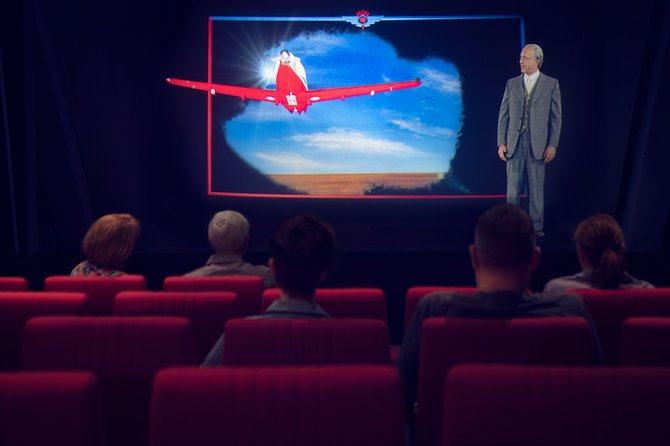
The Bombing of Darwin is not treated as a quick dramatic add-on. The films and VR presentation aim to show the consequences of the attacks and recognize the service of the people involved.
That tone matters. The technology could easily make the subject feel like entertainment, but the surrounding displays keep bringing you back to the human cost and the importance of the event in Australian history. I found this balance useful because it lets you understand what happened without stripping away its seriousness.
The RFDS story has a different emotional effect. It is about determination, sacrifice, and practical problem-solving. The service had to overcome distance, weather, limited equipment, and the challenge of moving patients safely. The aircraft display brings that effort down to a human scale.
Taken together, the two stories leave you with more than a list of dates. You see how people responded to remote medical needs and wartime danger with organization, courage, and technology.
Is the RFDS Tourist Facility worth booking?
Yes, I would book it if you want a well-priced, one to two-hour Darwin activity that combines local history with hands-on technology. The VR Bombing of Darwin presentation and the aero-medically equipped Pilatus PC-12 are the main reasons to go.
Book it especially if you are traveling with children, visiting from a cruise ship, or looking for an air-conditioned stop during the middle of the day. Choose another attraction first if you want a long, guide-led museum experience with extensive original collections.
For most visitors, the best approach is to allow about 90 minutes, arrive at a convenient entrance time, take the films seriously, and give yourself enough time inside the aircraft. At $21.52 per person, it is a practical addition to a Darwin itinerary, and it gives you a clear introduction to two stories that shaped the Northern Territory.
FAQ
How long does the RFDS Tourist Facility experience take?
The approximate duration is two hours. You can make a shorter visit in about one hour, or spend closer to 90 minutes or two hours if you watch the presentations and read the displays carefully.
Is the visit guided?
The facility experiences are self-guided, though visitors receive an introductory overview. A multilingual guide may operate the facility, but a live guide is not guaranteed for every visit.
What are the two main stories covered?
The facility covers the history and work of the Royal Flying Doctor Service, along with the Bombing of Darwin during World War II.
Can I enter an RFDS aircraft?
Yes. You can climb aboard a decommissioned RFDS Pilatus PC-12 aircraft fitted for aero-medical use.
Is the facility suitable for children?
Yes. The interactive museum, VR presentations, films, and aircraft cockpit make it suitable for families. The Bombing of Darwin content is historical and should be approached respectfully.
Is the facility accessible?
The facility has complete disability access and seating options throughout. Service animals are allowed.
Can I cancel for a refund?
You can receive a full refund if you cancel at least 24 hours before the experience start time. Cancellations and changes made less than 24 hours before the start time are not accepted for a refund.
Just added around Darwin
- Kakadu National Park Wildlife & Ubirr Rock Art Tour from Darwin★ 4.5 · 101 reviews
- Arnhem Land Yingana Injalak Hill Full Day Tour from Jabiru★ 5.0 · 132 reviews
- Jabiru 30 minute Scenic Flight★ 5.0 · 68 reviews
- Kakadu Adventure Tour★ 4.0 · 26 reviews
- Bombing of Darwin World War II Tour with Harbour Cruise★ 4.5 · 219 reviews
- Tiwi Islands Cultural Experience from Darwin Including Ferry★ 4.0 · 97 reviews
- 1-Hour Thunderball WWII Adventure Jet Skiing in Darwin★ 5.0 · 70 reviews
- Darwin Combo: The Bombing of Darwin Experience & Darwin Harbour Cruise★ 4.5 · 123 reviews
Darwin Tours, compared.
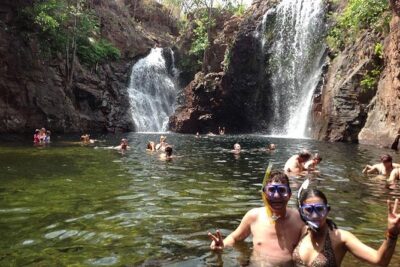
Litchfield National Park and Jumping Crocodile Cruise
Read our review →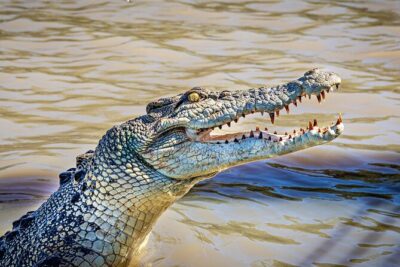
Adelaide River Cruises – Jumping Crocodile Experience
Read our review →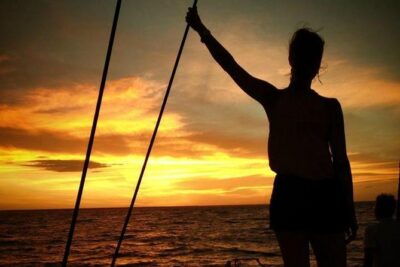
Sunset 3-Hour Cruise from Darwin with Dinner and Sparkling Wine
Read our review →
Litchfield Park Tour & Jumping Crocodile Cruise
Read our review →
Kakadu Day Tour from Darwin with Offroad Dreaming
Read our review →
Browse the lists this tour appears in