
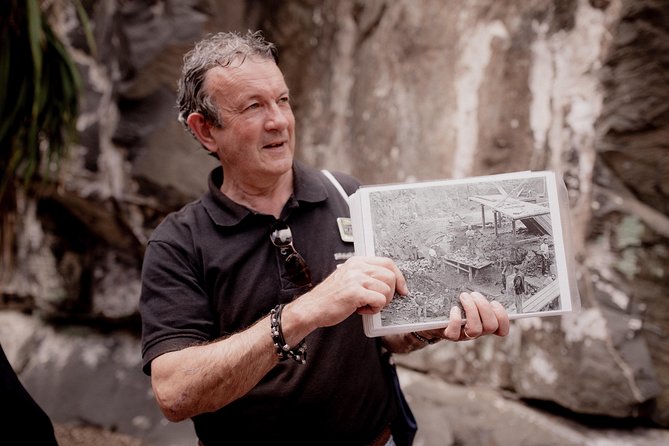
Reviewed · HISTORICAL TOURS
Salamanca Walk – History Tour
Hobart’s past is written into the sandstone, gardens, lanes, and grand old houses of Salamanca and Battery Point. This 2.5-hour walk brings those places together with stories about convicts, merchants, craftsmen, clergymen, free settlers, whalers, and the labor that built the early town.
I like the small maximum of 15 people, which gives the guide room to answer questions. I also like the old photographs and drawings. They help you compare the streets in front of you with the same places in earlier days. The main drawback is the length: 2.5 hours on foot, with no planned sit-down break, may feel tiring for some people.
In This Review
- Key points to know before booking
- Why Salamanca and Battery Point work so well on foot
- Starting at Salamanca Arts Centre
- Salamanca’s buildings, markets, and changing waterfront
- Arthur Circus Park and Battery Point’s residential side
- St. David’s Park and the town’s early story
- The guide makes the difference
- Pace, comfort, and family appeal
- Is the $28.69 price good value?
- When to take the walk
- Who should book this Salamanca history walk?
- Should you book Salamanca Walk: History Tour?
- FAQ
- Where does the Salamanca Walk: History Tour begin?
- Where does the walking tour finish?
- How long does the tour last?
- How much does the tour cost?
- How large is the tour group?
- Are children allowed to join?
- Which places are included in the itinerary?
- Is the walk physically difficult?
- What is included in the tour?
Key points to know before booking

- Salamanca Arts Centre is the starting point, placing you close to Salamanca Place and the historic waterfront area.
- Arthur Circus Park and St. David’s Park are the named itinerary stops, with additional streets, houses, parks, and sites along the way.
- Peter Lutz leads the experience, with guides including Lydija and Carmen also mentioned as tour leaders.
- Historic images are part of the storytelling, not just decoration. They show how buildings, land, and streets changed over time.
- Children under 16 go free, and the walk suits a wide range of ages because the pace is gentle and the physical effort is modest.
- The group is capped at 15, while some departures may be much smaller or even private if few people book.
Why Salamanca and Battery Point work so well on foot
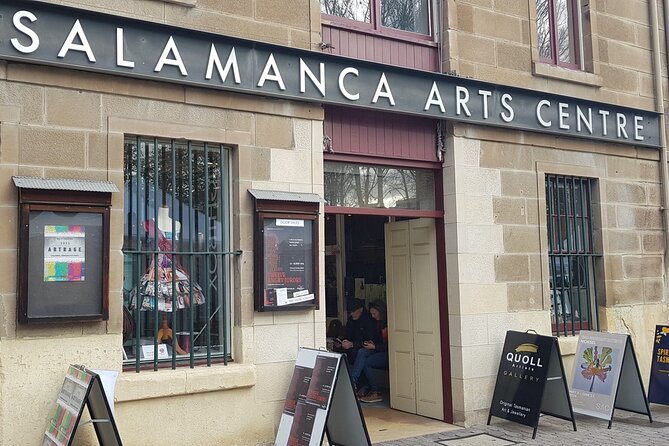
Salamanca is one of the best places in Hobart to begin learning how the town took shape. The area brings together old sandstone buildings, public spaces, the former waterfront setting, and the modern Salamanca market precinct. You are not simply looking at handsome facades. You are tracing how working buildings and reclaimed land became one of Hobart’s best-known areas.
Battery Point adds a different feel. Its streets rise above Salamanca and look toward the Derwent River, with old houses, gardens, and architectural details that reveal the lives of people who once lived there. The contrast is useful. Salamanca shows the town’s commercial and industrial side, while Battery Point helps you picture domestic life and the social divisions of early Hobart.
I like tours that explain the ground beneath your feet, and this one is built around that idea. You learn where stone was quarried, how convict labor shaped the settlement, and how people made a living through trades, shipping, whaling, and commerce. The stories connect buildings to real work rather than treating the area as a row of pretty facades.
The guide also adds present-day information about Hobart, including local places to eat, drink, and visit. That makes the walk useful beyond its historical content. You can use it to plan the rest of your stay.
A few more Hobart trips to weigh up
- Derwent River Historic Harbour Cruise From Hobart
★ 4.5 · 570 reviews - Port Arthur Historic Site Admission and Tour Options
★ 4.8 · 509 reviews - Tasman Island Cruises and Port Arthur Historic Site Day Tour from Hobart
★ 5.0 · 477 reviews
Starting at Salamanca Arts Centre
The walk begins at the Salamanca Arts Centre, 77 Salamanca Place. This is a practical meeting point because it places you right in the Salamanca area, near public transport and within easy reach of the historic center.
Expect the guide to set the scene before the group moves through the streets. The emphasis is on Hobart’s early settlement and the people who helped build it. Convict heritage is an important thread, but the tour does not focus only on punishment or prison stories. It also covers free settlers, merchants, craftsmen, clergymen, and other residents whose work shaped the young colony.
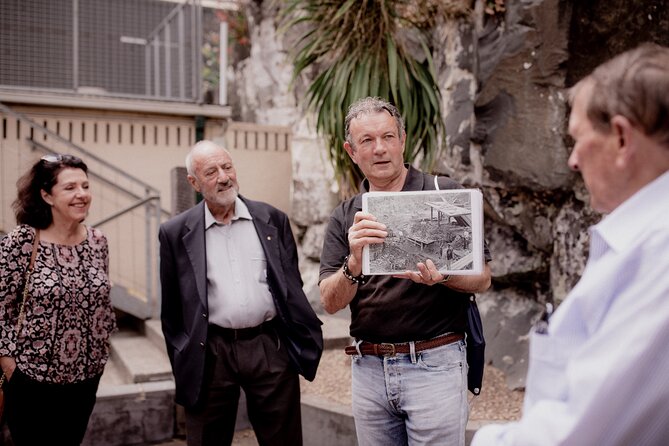
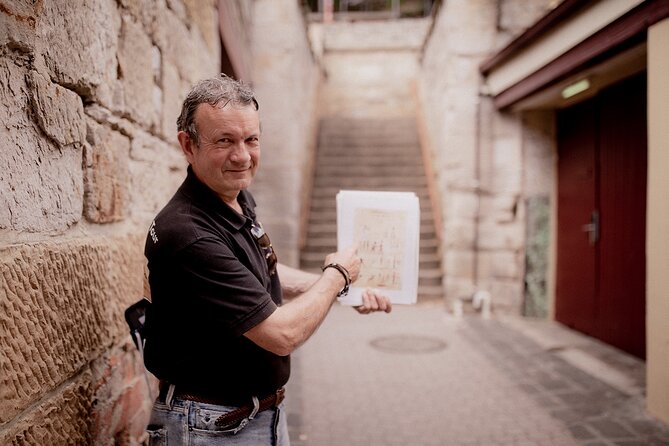
The supplied photographs and drawings are especially useful here. A building can look impressive today but reveal little about its former use. An old image can show a different roofline, a changed street edge, a working yard, or a waterfront that no longer looks the same. Those comparisons help you read the city with more care.
This is also a good reason to take the walk early in your Hobart stay. Once you understand the basic layout, you can return to Salamanca and Battery Point on your own and notice details that would otherwise pass you by.
Salamanca’s buildings, markets, and changing waterfront
The Salamanca section explores how the area changed after settlement. The old buildings reflect trade and industry, while the current market setting gives the district a new public life. You learn how land was reclaimed and how that work helped create the area you see today.
The tour is not limited to broad dates and official milestones. It looks at the practical side of early Hobart: who did the labor, how materials were gathered, what kinds of businesses operated nearby, and how people lived with difficult working conditions.
That human scale is one of the strongest parts of the experience. The early town was not built by famous figures alone. Convicts carried out much of the hard labor, while skilled tradespeople, merchants, religious figures, and families helped establish the wider community. A good guide makes those roles clear, and Peter Lutz is described as particularly passionate about explaining Hobart’s past.
You may also hear stories that connect the old district to modern food, pubs, and local attractions. That is handy if you want more than a history lesson. Salamanca is an easy place to visit after the walk, and the guide’s suggestions can help you decide where to spend the afternoon.
Arthur Circus Park and Battery Point’s residential side

The route continues into Battery Point, including Arthur Circus Park. This is one of the tour’s most appealing stops because it shows a more intimate side of the neighborhood. The park sits among old homes and helps you understand how a small residential community was arranged.
The guide uses the area to discuss the people who lived here and the buildings they occupied. Look closely at the houses, gardens, street layout, and small design features. The point is not only to admire the architecture, but to connect it with daily life and changing fortunes.
One unusual detail highlighted during the walk is a pine tree from America. It is the sort of detail you could easily miss without someone explaining why it matters. The tour regularly points out these small pieces of the past, including features that remain in plain sight but have lost their original meaning.
Battery Point also gives you views toward the Derwent River. The outlook adds a sense of place, but the guide’s stories remain the focus. You are learning how the town used its position, how people worked, and how the settlement grew around the river and harbor.
The walk is described as gently paced, with many stops to look, listen, and ask questions. That makes the route manageable for most people. Still, you should be comfortable standing and walking for much of 2.5 hours. One person found the full time without a sit-down break tiring and suggested that two hours might have been enough. That is a fair consideration, especially if you have limited stamina.
Same coast, a completely different day out:
- Bruny Island Food, Sightseeing, Guided Lighthouse Tour & Lunch
★ 5.0 · 2,989 reviews - Full-Day Guided Bruny Island Tour from Hobart
★ 5.0 · 1,331 reviews - kunanyi/Mt Wellington Explorer Bus- Return Tour (2.5 hours)
★ 5.0 · 1,249 reviews - Hobart: Bruny Island Food, Sightseeing & Lighthouse Day Tour
★ 4.8 · 960 reviews
St. David’s Park and the town’s early story
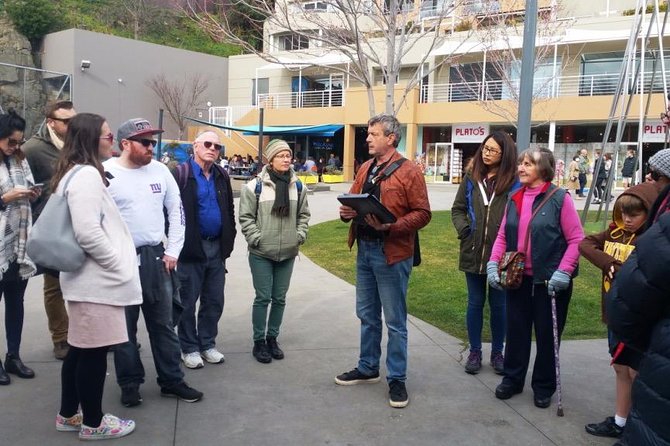
St. David’s Park is the other named stop. It provides another setting for discussing Hobart’s development and the people connected with it. Parks are often easier places to understand a town’s growth because they show how open land, civic spaces, and former uses changed over time.
The stop also connects with the broader story of settlement. You may hear about the hardships faced by early residents, the work needed to establish the colony, and the way public spaces and buildings changed as Hobart developed.
The guide’s use of drawings and photographs adds value here. Instead of asking you to remember a long description, the images give you something concrete to compare with the present-day park and surrounding streets. This is particularly helpful if you are interested in architecture, family history, or the physical changes to Hobart.
A First Fleet memorial is another detail associated with the walk. For visitors tracing family connections, it can be a meaningful part of the experience. The tour can bring a personal link to the city’s early settlement into a larger story about migration, convict transportation, and community building.
The guide makes the difference
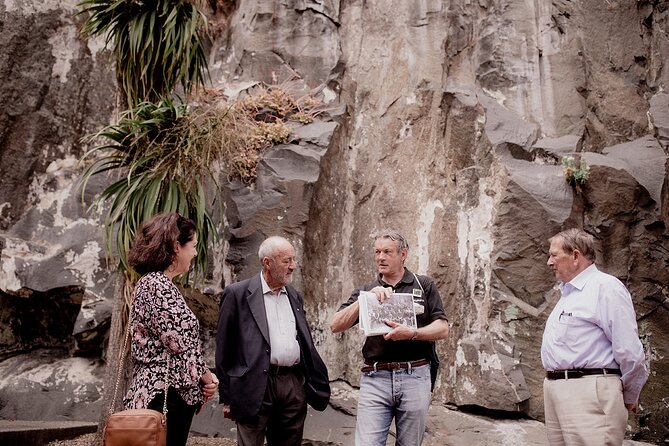
Peter Lutz is the named experience provider, and the guiding style is a major part of the appeal. He is known for using printed photographs and drawings, answering questions, and mixing historical facts with anecdotes and current local information.
The strongest praise centers on his passion, friendliness, and ability to explain. That combination matters on a walking tour. A guide can know many facts but still make a poor storyteller. Here, the aim is to keep the group involved as it moves from place to place.
Other guides include Lydija and Carmen. Lydija is described as attentive to small details that many people would miss, while Carmen brings clear enthusiasm for local and Australian history. The experience can therefore have a slightly different character depending on who leads your departure.
The group limit of 15 is another plus. A small group makes it easier to hear the guide in the street, see the old images, and ask a question without holding up a large crowd. Some departures may have only a handful of people. In one case, the guide adjusted the content to suit the group’s interests, which is a useful benefit when numbers are low.
The walk has also worked well for people who have visited Salamanca several times but never fully understood what they were seeing. That makes it a sensible choice for repeat visitors, not just first-time arrivals.
Pace, comfort, and family appeal
This is not a strenuous hike. The route is described as gently paced and suitable for people of different ages. Most people can take part, service animals are allowed, and the walk is close to public transportation.
The main physical issue is time rather than difficulty. You will be on your feet for about 2.5 hours, and the experience does not include food, drinks, or alcoholic beverages. Wear comfortable shoes and consider doing the walk before lunch rather than after a long day of sightseeing.
Children under 16 receive free tickets, which makes the tour a useful family option. The subject matter includes convict labor, hardship, and the early colony, so younger children may enjoy it most if they already have some interest in stories, buildings, or local history.
The small-group setting also helps families because the pace is not built around rushing between major sights. You can pause at the stops, examine the images, and ask questions. Just keep the length in mind if you are traveling with very young children.
Is the $28.69 price good value?
At $28.69 per person, the walk is priced as an affordable introduction to Hobart. You are paying for 2.5 hours of guiding, local interpretation, and access to a set of historic images and drawings that help explain what you see.
The value is strongest if you would otherwise wander Salamanca and Battery Point without knowing the stories behind the buildings. Both areas are attractive to explore alone, but self-guided sightseeing rarely explains why the land changed, who did the work, or how individual streets fitted into the early town.
It is also good value for repeat visitors. Several people who had already been to Hobart or Tasmania found that the walk added new information and changed how they viewed familiar streets.
The price is less compelling if you want a fast overview. This is not a quick orientation walk with only a few headline sights. It spends time on background, details, and stories. If you prefer a short city introduction, the 2.5-hour duration may feel long.
When to take the walk
Take this tour near the start of your Hobart visit if possible. You will learn the layout of Salamanca and Battery Point, then receive suggestions for food, pubs, and other local stops.
The walk operates in all kinds of weather conditions mentioned in the feedback, including winter, spring, summer, and autumn. The experience is outdoors, so check the forecast and dress for Hobart’s conditions. The tour itself does not list refreshments or a rest stop, so bring what you need before setting out.
The meeting point is easy to locate at Salamanca Arts Centre, and the activity ends back there. That makes it simple to continue exploring Salamanca afterward or return to public transport.
Cancellation is free up to 24 hours before the start time. A full refund is available if you cancel by then. Changes or cancellations made inside 24 hours are not accepted for a refund, and the tour requires a minimum number of participants. If that minimum is not met, you are offered another date or experience, or a full refund.
Who should book this Salamanca history walk?
I would choose this for you if you like local stories, old buildings, and human details more than a rapid list of sights. It suits first-time visitors who want context, repeat visitors who want to see Hobart differently, and anyone interested in convict heritage or family connections to early Tasmania.
It is also a good match for people who enjoy a relaxed walking pace and small groups. The route is not physically demanding, and the images make the history easier to follow.
I would think twice if you dislike long periods of standing, want a café break during the tour, or prefer a short orientation. The 2.5-hour length is the only consistent concern suggested by the information provided, and it is easy to underestimate how tiring an easy walk can become without a seat.
Should you book Salamanca Walk: History Tour?
Book it if you want to understand Hobart rather than simply photograph it. The combination of Salamanca’s former working district, Battery Point’s old homes, Arthur Circus Park, St. David’s Park, river views, and historic images gives the tour a clear sense of place.
Peter Lutz, Lydija, and Carmen each bring local enthusiasm to the guiding, with Peter especially associated with detailed stories and visual material. At $28.69, the walk offers solid value for the time, particularly if you take it early in your stay and use the guide’s local suggestions afterward.
Allow the full 2.5 hours, wear comfortable shoes, and do not expect a scheduled sit-down break. If that suits your pace, this is a practical and engaging way to meet old Hobart face to face.
FAQ
Where does the Salamanca Walk: History Tour begin?
The tour begins at Salamanca Arts Centre, 77 Salamanca Place, Battery Point, Tasmania 7004, Australia.
Where does the walking tour finish?
The activity ends back at the meeting point.
How long does the tour last?
The walk lasts approximately 2 hours and 30 minutes.
How much does the tour cost?
The listed price is $28.69 per person.
How large is the tour group?
The tour has a maximum of 15 people.
Are children allowed to join?
Yes. The tour is suitable for families, and children under 16 have free tickets.
Which places are included in the itinerary?
The named stops are Arthur Circus Park and St. David’s Park. The route also explores Salamanca and Battery Point, including historic streets, homes, parks, and architectural sites.
Is the walk physically difficult?
The walk is gently paced and described as not physically demanding. Most people can participate, but you should allow for about 2.5 hours on foot.
What is included in the tour?
Pictures and drawings of Hobart, Salamanca, and Battery Point are included. Food, drinks, and alcoholic beverages are not included.
Just added around Hobart
- kunanyi/Mt Wellington Explorer Bus – One Way Tour★ 5.0 · 63 reviews
- nipaluna (Hobart) Highlights Day Tour★ 5.0 · 33 reviews
- Full-Day Tour to Wineglass Bay from Hobart★ 5.0 · 122 reviews
- kunanyi/Mt Wellington Tour & Hobart Hop-On Hop-Off Bus★ 5.0 · 275 reviews
- Private Wine and Beverage Tours in Tasmania★ 5.0 · 66 reviews
- Hobart: Waterfalls, Wilderness & Wildlife – Active Day Tour★ 5.0 · 22 reviews
- Hobart: Wineglass Bay & Freycinet National Park – Active Day Tour★ 4.5 · 142 reviews
- 10 Days Ultimate Guided Tour of Tasmania – Comfort Tour★ 5.0 · 29 reviews
Historical Tours, compared.

Ultimate Melbourne Walking Tour: History, Laneways & Culture
Read our review →
Puffing Billy Railway: Heritage Steam Train Journey
Read our review →
Morning World Heritage Cruise on the Gordon River from Strahan
Read our review →
Strahan: World Heritage Cruise on Gordon River with Lunch
Read our review →

Experience History onboard The Mary Valley Rattler
Read our review →
Snorkel & Dive the Reef: Sustainable, Scientific & Cultural Tour
Read our review →
Derwent River Historic Harbour Cruise From Hobart
Read our review →Browse the lists this tour appears in