
Reviewed · WILDLIFE & ZOO EXPERIENCES
Wildlife Habitat Port Douglas
The best part of Wildlife Habitat Port Douglas is how close you can get to Australian animals without driving from one wildlife site to another. You can hand-feed kangaroos and wallabies, watch birds land on shoulders, look for a cassowary, and walk through a crocodile habitat in one compact park.
I like the five-day re-entry and the included talks and presentations. I also like the mix of hands-on encounters and quieter viewing, from friendly birds near the cafe to nocturnal animals in a darkened exhibit. The main caution is timing: arriving late can mean missing the best feeding talks, and some enclosures may feel smaller or less natural than the open bush.
In This Review
- Key points before you go
- A compact introduction to Australian wildlife
- Rainforest paths and a chance to spot the cassowary
- Wetlands birdlife from the stork walk
- Savannah Habitat: the best place for hands-on encounters
- Crocodiles and the aquatic habitat
- The nocturnal habitat rewards patience
- Canopy views and the shape of the park
- Breakfast with birds and other paid extras
- How to plan your time in Port Douglas
- Who will enjoy Wildlife Habitat Port Douglas most
- Is the $36.22 ticket good value?
- Should you book Wildlife Habitat Port Douglas?
- FAQ
- How much does admission to Wildlife Habitat Port Douglas cost?
- How long should I spend at Wildlife Habitat Port Douglas?
- What is the last entry time?
- Does the ticket include wildlife talks and presentations?
- Can I return on another day?
- Can I feed the kangaroos?
- Is breakfast with the birds included?
- Can I swim with the crocodiles?
- Is transportation included?
- Can I cancel for a full refund?
Key points before you go
- Feed kangaroos and wallabies: Buy suitable food at the entrance or gift shop for the closest interaction in the Savannah Habitat.
- Five habitats in one visit: Rainforest, Wetlands, Savannah, aquatic crocodile territory, and nocturnal areas give you a broad look at Australian wildlife.
- Arrive early: The last entry is at 3:30pm, but an earlier start gives you more time for talks and feeding sessions.
- Bird encounters are a highlight: Free-flying birds may perch on your shoulder, especially around the cafe and bird areas.
- Optional animal upgrades: Breakfast with the birds and the swim-with-crocodiles activity are separate purchases.
- Allow up to four hours: You can rush through in an hour, but the park rewards a slower half-day visit.
A compact introduction to Australian wildlife
Wildlife Habitat Port Douglas works best as an easy first look at Australia’s native animals. You will not get the sense of a long safari or a remote wilderness outing. Instead, you move through a series of themed habitats, each offering a different kind of encounter.
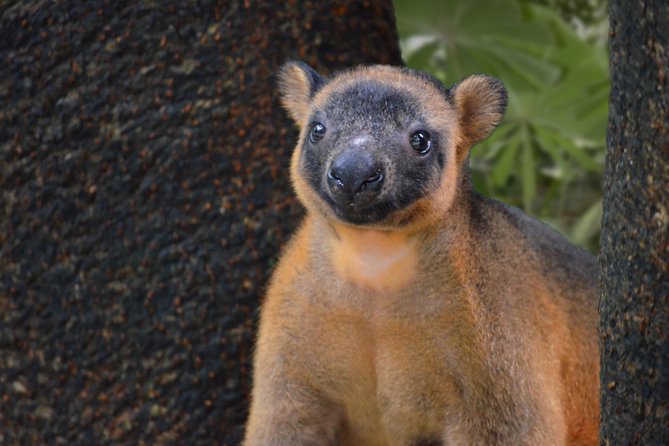
That makes the park especially useful if you have limited time in Port Douglas, are visiting with children, or have not yet seen much Australian wildlife in the wild. You can meet animals that are difficult to spot on a hike, including koalas, cassowaries, and Lumholtz’s tree kangaroos.
The park is also flexible. A quick visit takes about one to two hours, while a slower day with talks, food, photos, and optional activities can fill four hours. Your ticket includes the tours and presentations held at the center, plus re-entry for five days. If you are staying in Port Douglas for several nights, that return option gives you a good reason not to cram everything into one visit.
The price listed is $36.22 per person. I consider that fair value if you use the included presentations and take your time. It is less compelling if you simply walk through quickly after seeing similar animals on other wildlife outings.
More Wildlife & Zoo Experiences in Cairns
- Solar Whisper Daintree River Crocodile and Wildlife Cruise
★ 5.0 · 1,663 reviews - 1-Hour Daintree River wildlife cruise
★ 5.0 · 947 reviews - Ultimate Daintree Rainforest Wildlife Experience Cruise
★ 5.0 · 340 reviews
Rainforest paths and a chance to spot the cassowary
Begin in the Rainforest environment, where the setting is designed to show the different layers of a tropical forest. Look above and below as you walk. Birds can be easy to miss if you only scan the path, and the displays work best when you slow down and listen for movement.
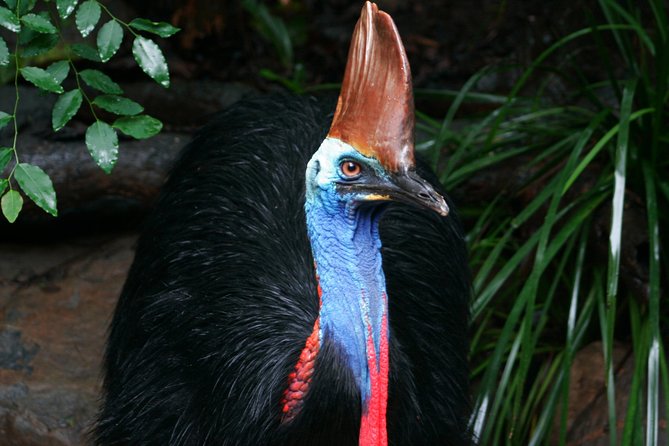
The southern cassowary is one of the major draws here. This large, striking bird is notoriously difficult to see in the wild, so the habitat offers a practical chance to observe one without relying on luck. It may not pose neatly for photos, but simply seeing a cassowary is a memorable part of the visit.
The rainforest section also helps put the animals into context. Rather than presenting every species in a plain row of cages, the park tries to show how animals fit into a particular environment. Still, not every enclosure will feel equally spacious or natural. Take the time to compare the different areas instead of assuming the whole park has the same standard.
A daily wildlife talk can add useful detail, particularly if you want more than a quick photo. The schedule matters, so check the presentation times when you arrive and plan the rest of your walk around them.
Wetlands birdlife from the stork walk
The Wetlands section is a good place to pause and look for birds. A stork walk leads you through the habitat, giving you a raised view across the area and a better angle for spotting birds and other wildlife.
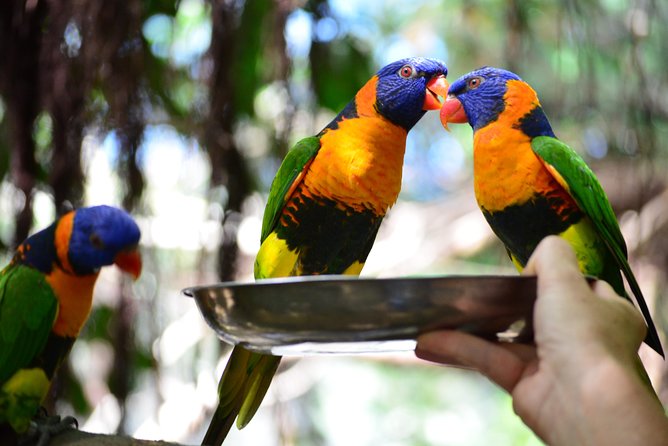
Birds are one of the strongest parts of this park. Some are free to move around the visitor areas, and birds near the entrance or cafe may come close enough to perch on a shoulder. That can be a delight, but it also means you should pay attention to animal behavior rather than reaching out automatically.
A few birds can be spirited around food and attention. Cockatoos may nip, and pelicans in the area have been known to chase or snap at people who get too close. Keep a little space, follow staff directions, and do not assume a tame-looking bird is harmless.
The open bird areas give the park a less formal feel than a standard zoo exhibit. You can watch birds move around rather than seeing them behind glass. On the other hand, an open setting requires more care from you. Keep an eye on young children, especially around larger birds.
Savannah Habitat: the best place for hands-on encounters
The Savannah Habitat is where many people spend the most time. Emus may wander through the area, wallabies move around the paths, and kangaroos often come close when food is available.
You can buy food at the entrance or gift shop, and I strongly recommend doing so if hand-feeding is important to you. The kangaroos are accustomed to this interaction and may come right up to your hands. You might also see joeys, which adds a special moment for families and anyone interested in Australian wildlife.
Feed with an open hand and move at a calm pace. The animals are generally gentle during feeding, but they are still animals, not props. If a kangaroo or wallaby moves away, let it go. The best encounters happen when you allow the animal to choose the distance.
This area is also a good example of the park’s strengths and limits. The kangaroos have places to retreat and find shade, which gives them some control over contact. At busy times, though, the entrance points can become crowded, and the animals may gather where food is easiest to find.
Keep looking for the Lumholtz’s tree kangaroo. It is less familiar than the ordinary kangaroo and can be easy to miss. Not every animal will be active when you arrive. Koalas may sleep through much of your visit, while a cassowary may remain still or face away. That is normal wildlife behavior, even in a managed habitat.
More wildlife & zoo experiences in Port Douglas:
- Port Douglas: Afternoon Daintree Tour w/ Wildlife Cruise
★ 4.6 · 75 reviews - Port Douglas: Morning Daintree Tour w/ Wildlife Cruise
★ 4.9 · 34 reviews - Port Douglas: Wildlife Habitat Swim with Crocodiles
★ 4.8 · 27 reviews - From Melbourne: Great Ocean Road, 12 Apostles, Wildlife Tour
★ 4.7 · 6,020 reviews
Crocodiles and the aquatic habitat
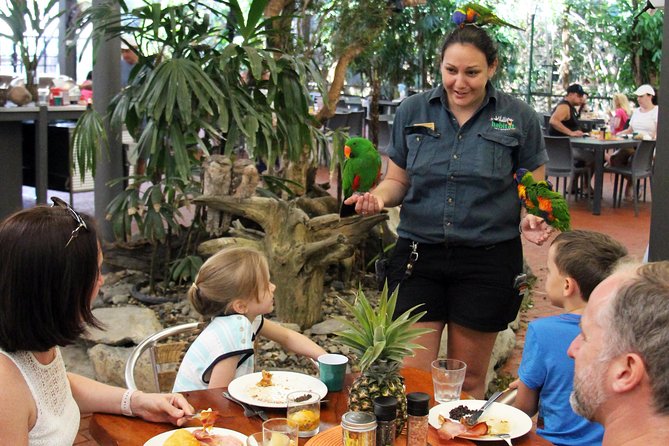
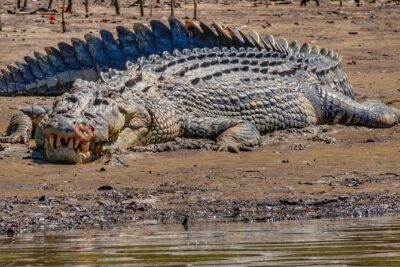
The aquatic section focuses on saltwater crocodiles, often called salties. A crocodile presentation gives you a closer look at their size, feeding behavior, and role in northern Australia.
The talk is more valuable than simply watching a crocodile sit in water. Plan to attend it if you want to understand what makes these animals so effective and dangerous. The feeding presentation may be less dramatic than some people expect, but the educational side is worthwhile.
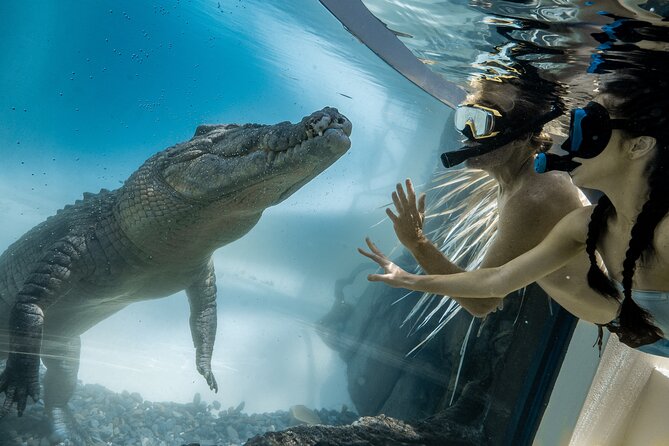
You can also pay extra for the crocodile swim experience. This is not swimming in the same water as the crocodiles. You enter a pool separated from them by a clear plastic partition, which lets you see the animals at close range while keeping a physical barrier between you and the reptiles.
That makes the activity unusual, but you should know what you are buying. It is a short, controlled encounter rather than an open-water swim. If you want action, the regular crocodile talk and feeding session may feel modest. If you want a close look at a saltwater crocodile with strong safety controls, the upgrade may be worth considering.
Crocodile photos may also be available for an additional fee. These extras can add up, so decide in advance which encounters matter most to you.
The nocturnal habitat rewards patience
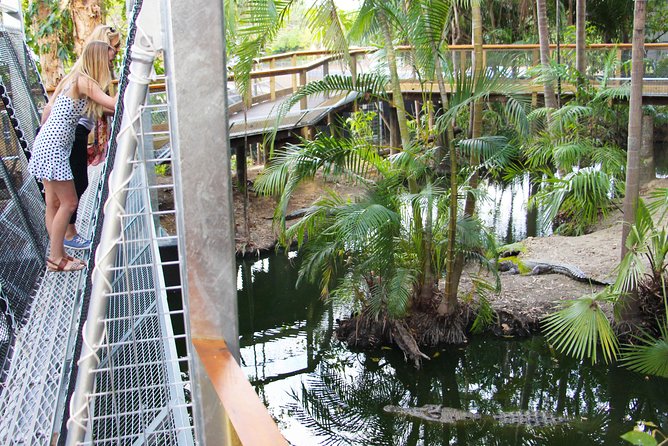
The nocturnal habitat changes the pace of the visit. It is darkened to suit animals that are active at night, so you may need a few minutes for your eyes to adjust.
This is one section where rushing works against you. Move slowly and look into corners, branches, and sheltered areas. Some animals may be tucked away, and labels can be difficult to read under the low lighting. If you are visiting with children, explain that this is a quiet looking area rather than a fast-moving attraction.
The dim setting gives you a different view of Australian wildlife and helps explain why some species are rarely seen during a daytime walk. It is also a useful backup if the midday heat makes the outdoor habitats tiring.
Canopy views and the shape of the park
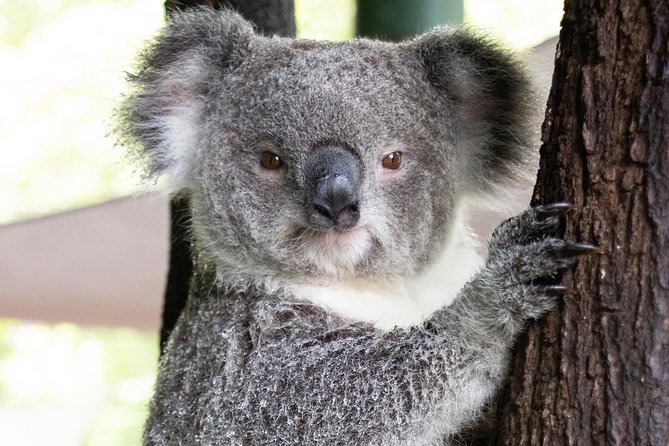
A treetop canopy walk provides views across the rainforest setting and links the different parts of the park. The raised paths add variety to what would otherwise be a mostly ground-level visit.
There are some steps to climb to higher viewing areas, so wear shoes that are comfortable for walking and take your time. The park is not described as difficult for most people, and most visitors can participate, but the stairs may matter if someone in your group has limited mobility.
The layout is compact enough to manage with children, yet varied enough to keep the visit moving. You can switch from birds to kangaroos, then from rainforest to crocodiles without spending much time getting from one area to the next. That convenience is a major part of the ticket’s value.
Breakfast with birds and other paid extras
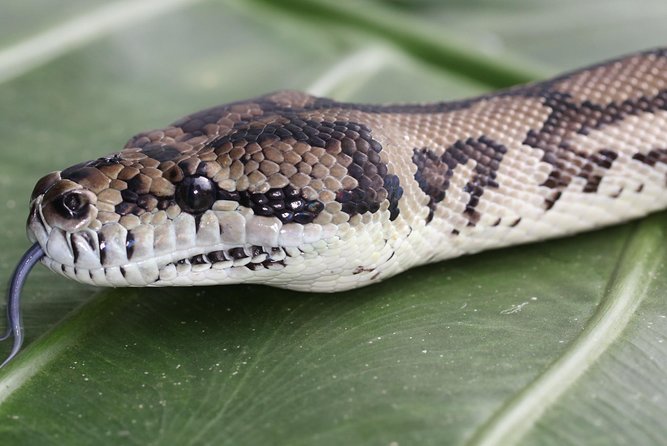
Breakfast with the birds is the most social upgrade. You eat near birds that may land on shoulders or approach the table, while staff provide information and help manage the interaction.
I would consider this a strong choice for families and for anyone who wants a planned animal encounter rather than simply hoping a bird comes close during the regular visit. It also makes an early arrival especially useful, since you can follow breakfast with the morning presentations and a full walk through the habitats.
Food quality can be subjective, and the regular meal option has not impressed everyone. Treat breakfast as an animal interaction with food included, not as a destination meal.
Other paid options include koala photos and opportunities to hold or meet a koala, depending on the session available. These can be meaningful keepsakes, but they are not part of the basic admission price. If your main goal is a koala photograph, check the cost and schedule before committing.
How to plan your time in Port Douglas
The advertised visit length is one to four hours. I would plan on at least two hours for a first visit and closer to four if you want presentations, animal food, photos, and a relaxed pace.
Arrive early if possible. The last entry is at 3:30pm, but an afternoon arrival can leave too little time for all the talks. A late visit still allows you to see plenty, yet you may miss feeding demonstrations and scheduled presentations.
There is no hotel pickup or drop-off included. You need to make your own way to the park, though it is near public transportation. Cruise passengers should allow time and confirm their own transfer arrangements from the marina. The park is also reported to have transport connections from the pier at times, but do not rely on an unconfirmed service when planning around a ship departure.
Wear sun protection and insect repellent. The shaded canopy helps, but this is still a tropical outdoor attraction. Bring water or plan to buy drinks, since food and beverages are not included unless your chosen upgrade says otherwise.
The five-day re-entry ticket is easy to overlook. If you are staying nearby, use the first visit to see the habitats and attend talks, then return for a shorter visit focused on the animals you liked best. That turns a single admission into something more useful than a one-pass attraction.
Who will enjoy Wildlife Habitat Port Douglas most
Families with young children are a natural fit. Feeding kangaroos, watching birds come close, and seeing crocodiles at short range provide clear, memorable moments without requiring a full-day expedition.
It also suits adults who want a broad introduction to Australian wildlife. You can see many familiar species in one place, including animals you might not encounter on your own walks or drives.
Photographers should bring patience rather than expect every animal to pose. Birds can offer excellent close-up opportunities, while koalas may be asleep and cassowaries may face away. The park gives you access, not guaranteed action.
If you have already seen kangaroos, koalas, crocodiles, and birds in open bush settings, the visit may feel more tourist-oriented. Some habitats can seem sparse, and the nocturnal displays may be hard to read. I would then choose the park mainly for the feeding encounters, cassowary viewing, bird breakfast, or crocodile swim.
Animal welfare is also a fair consideration. Many enclosures appear designed with space and shade, and some animals can move away from people. At the same time, individual exhibits may strike you as bare, and some birds may show signs of stress. If enclosure design is a major factor in your decision, look carefully at each habitat rather than judging the whole park from its strongest areas.
Is the $36.22 ticket good value?
At $36.22 per person, the basic ticket is reasonably priced for a half-day activity, particularly because daily tours and presentations are included. The five-day return option adds real value for people staying in Port Douglas long enough to use it.
The ticket is less of a bargain if you arrive near closing, skip the talks, and do not return. Paid extras can also change the total quickly. Food for kangaroos, koala photos, breakfast with birds, crocodile photos, and the crocodile swim are all separate considerations.
My advice is to start with the standard admission. Once you see the park and understand the schedule, you can decide which extra activity fits your interests. That keeps the base visit affordable and avoids paying for every encounter at once.
Should you book Wildlife Habitat Port Douglas?
Book it if you want many Australian animals in one easy location, especially if you are traveling with children or have only a few hours in Port Douglas. The kangaroo feeding, friendly birds, cassowary viewing, and daily talks give the visit plenty of substance.
Arrive early, buy kangaroo food, check the presentation times, and allow three to four hours if you want the park at its best. I would skip it only if your itinerary already includes excellent wildlife viewing in natural settings and you strongly dislike managed animal habitats.
Free cancellation is available if you cancel at least 24 hours before the start time. Last-minute cancellations and changes are not accepted for a refund.
FAQ
How much does admission to Wildlife Habitat Port Douglas cost?
The listed price is $36.22 per person. Breakfast with the birds, crocodile swimming, animal photos, and some other encounters cost extra.
How long should I spend at Wildlife Habitat Port Douglas?
The visit can take about one to four hours. Allow at least two hours for a useful visit, and closer to four hours if you plan to attend talks, feed animals, and take your time.
What is the last entry time?
The last entry to the park is at 3:30pm.
Does the ticket include wildlife talks and presentations?
Yes. The admission ticket includes the tours and presentations run at the center.
Can I return on another day?
Yes. The ticket includes re-entry for five days, making it possible to return during a longer stay in Port Douglas.
Can I feed the kangaroos?
Yes. Food can be purchased at the entrance or gift shop, and you can hand-feed kangaroos and wallabies in the Savannah Habitat.
Is breakfast with the birds included?
No. Breakfast with the birds is an optional upgrade and is not included in the standard admission ticket.
Can I swim with the crocodiles?
Yes, as an optional paid activity. You are separated from the crocodiles by a clear plastic partition, so it is not direct swimming in the same water.
Is transportation included?
No. Hotel pickup and drop-off are not included. The park is near public transportation, and you must make your own way there.
Can I cancel for a full refund?
Yes, if you cancel at least 24 hours before the experience start time. Cancellations or changes made less than 24 hours in advance are not accepted for a refund.
More Wildlife in Port Douglas
- Penguin Parade, & Wildlife Encounters Eco Tour from Melbourne
★ 5.0 · 3,774 reviews - Melbourne Great Ocean Rd Reverse Tour London Bridge Wildlife
★ 4.7 · 2,252 reviews - Blue Mountains: Three Sisters, Scenic World and Wildlife park
★ 5.0 · 1,481 reviews - Exclusive Blue Mountains Wildlife and Bushwalk Tour From Sydney
★ 4.5 · 1,087 reviews
Just added around Port Douglas
- Southern Daintree Explorer Tour – Half Day★ 4.1 · 28 reviews
- Port Douglas: Silversonic Great Barrier Reef Dive & Snorkel★ 4.8 · 311 reviews
- From Port Douglas: Barramundi Pond Fishing with Lunch★ 4.9 · 21 reviews
- Port Douglas: Sunset Cruise on a Chinese Shaolin Junk Ship★ 4.7 · 169 reviews
- Port Douglas: Wildlife Habitat Swim with Crocodiles★ 4.8 · 27 reviews
- Port Douglas: Sunset Sailing Cruise on Luxury Catamaran★ 4.6 · 342 reviews
- Port Douglas: Shaolin Seafood Lunch Sail, with Fresh Prawns★ 4.8 · 46 reviews
- Port Douglas: Reef & Low Isles Cruise on Luxury Catamaran★ 4.8 · 96 reviews
Wildlife & Zoo Experiences, compared.
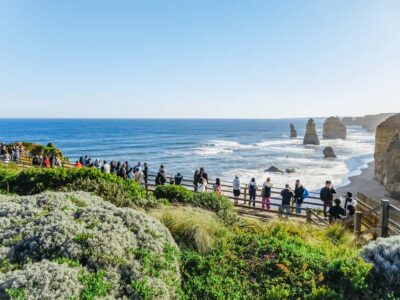
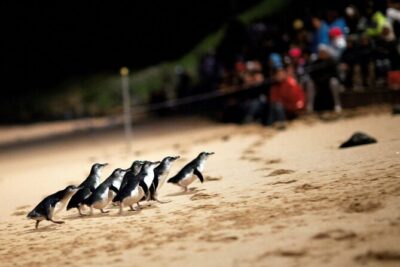
Penguin Parade, & Wildlife Encounters Eco Tour from Melbourne
Read our review →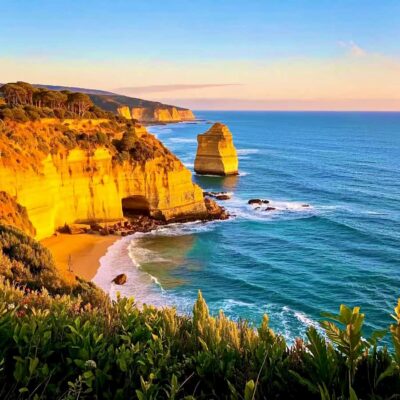
Melbourne Great Ocean Rd Reverse Tour London Bridge Wildlife
Read our review →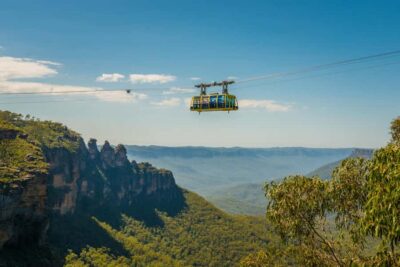
Blue Mountains Adventure: Scenic World, Zoo & Koala Photo
Read our review →
Solar Whisper Daintree River Crocodile and Wildlife Cruise
Read our review →
Browse the lists this tour appears in