
Reviewed · WILDLIFE & ZOO EXPERIENCES
Wildlife Night Spotting at Cradle Mountain
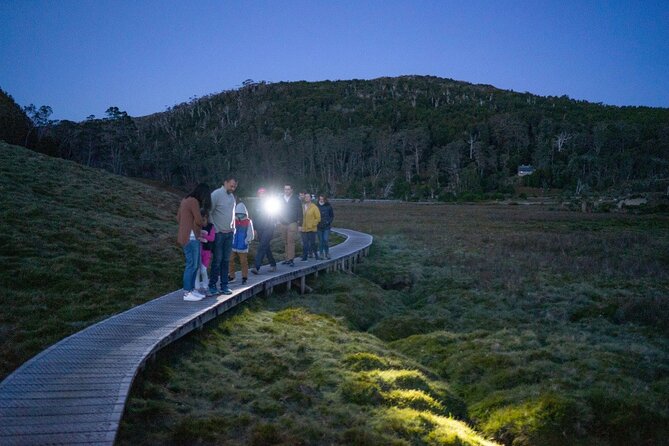
The best part of this Cradle Mountain outing begins after sunset, when wombats leave their burrows and wallabies, possums and quolls become active. You ride into the park, then walk quietly with a torch near Ronny Creek and along the Cradle Valley boardwalk. On a good night, you may see dozens of wombats, and some groups have even spotted a Tasmanian Devil.
I like the door-to-door pickup, which saves you from driving unfamiliar park roads after dark. I also like the friendly, well-informed guides, including James, Belinda, Rita and Andie, who bring the animals, plants and park stories to life. The main drawback is simple: wildlife is never guaranteed, and rain can make torch spotting much harder.
In This Review
- Key points to know before you book
- Why Cradle Mountain comes alive after sunset
- Pickup at 8:30 pm and the ride into the park
- Ronny Creek: sunset, torches and the first animals
- The Cradle Valley boardwalk and Overland Track area
- Waldheim Chalet and the final spotlight search
- The guides make the difference
- What wildlife might you see?
- Price, group size and what the fee covers
- Clothing, weather and practical preparation
- Who should book this night tour?
- Should you book Wildlife Night Spotting at Cradle Mountain?
- FAQ
- What time does Wildlife Night Spotting at Cradle Mountain start?
- How long does the experience last?
- Which animals might I see?
- Is the national park pass included?
- What should I wear?
- Is the tour suitable for children?
Key points to know before you book
- Wombat sightings are the main event: Several outings have found large numbers of wombats near the Overland Track and boardwalk areas.
- You combine bus spotting with short walks: The vehicle helps you search farther afield, while the walks bring you closer to the animals’ nighttime habitat.
- The tour begins at 8:30 pm: Plan for a late evening and allow about two hours, with hotel pickup and return included.
- The group is capped at 15 people: That keeps the outing fairly personal and makes it easier to hear the guide.
- Bring serious cold-weather gear: A wet-weather jacket is required, and you should also pack warm layers, a beanie and gloves.
- The national park pass costs extra: Admission is not included, so check your Parks Tasmania arrangements before setting out.
Why Cradle Mountain comes alive after sunset
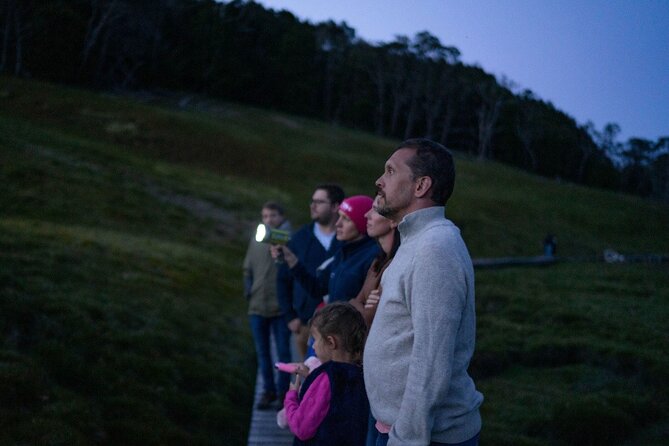
Cradle Mountain-Lake St. Clair National Park feels very different at night. Day visitors come for mountain views and long walks, but dusk changes the focus. Instead of looking across the peaks, you listen for movement in the scrub and scan the roadside for shining eyes.
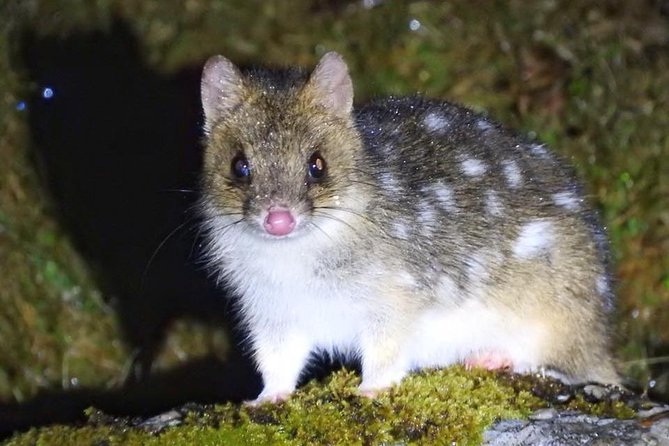
This is when many of Tasmania’s most distinctive animals begin feeding. Wombats are especially active, and the open areas around Ronny Creek and the Cradle Valley boardwalk can offer excellent sightings. Wallabies and pademelons may appear near the edges of the forest, while possums and quolls can be harder to spot because they move quickly and keep to darker cover.
A night outing also gives you access to parts of the park after most day activity has finished. That quiet matters. The guide can slow the vehicle, switch off some lights and search carefully rather than rushing from one viewpoint to the next.
You should keep your expectations realistic. This is a wildlife search, not a zoo visit. One group found only a few animals, while another counted around 30 wombats and saw wallabies, pademelons, possums and a quoll. Weather, temperature and animal behavior all affect the result.
More wildlife & zoo experiences in Australia:
- From Melbourne: Great Ocean Road, 12 Apostles, Wildlife Tour
★ 4.7 · 6,020 reviews - Penguin Parade, & Wildlife Encounters Eco Tour from Melbourne
★ 5.0 · 3,774 reviews - Blue Mountains Small-Group Tour from Sydney with Scenic World,Sydney Zoo & Ferry
★ 5.0 · 3,709 reviews
Pickup at 8:30 pm and the ride into the park
The tour starts at 8:30 pm, with pickup from Cradle Mountain accommodation arranged through McDermott’s Coaches. This is a real convenience in a remote national park. You do not need to organize a late-night drive, and you can pay attention to the guide’s commentary from the start.
During the ride into the park, the guide explains what you may see and how the outing works. The commentary covers local wildlife, flora and fauna, the ecosystem and park history. Guides such as James, Belinda and Rita have been praised for answering questions clearly and making the ride feel relaxed rather than formal.
The bus also becomes an important viewing platform. Some shy animals are easier to find from the road, where the guide can use a spotlight without asking a whole group to walk through the bush. You may also be invited to volunteer with a large torch and sit near the front of the bus for roadside spotting. That position can make a difference, especially when an animal appears for only a few seconds.
The vehicle is described as comfortable, with room to move around and good visibility. One practical limitation is that not every window opens, so the bus may feel less flexible for photography or close air movement. This is a minor issue, but it is worth knowing if you are sensitive to warm clothing and confined spaces.
Ronny Creek: sunset, torches and the first animals
The first main stop is Ronny Creek Carpark. Here, you leave the bus with hand-held torches and spotlights, then walk slowly toward the Mount Kate Hut area.
This section has two jobs. First, it lets you enjoy the last light over the park. Second, it gets you out into the places where animals begin their evening feeding. The combination of sunset scenery and early-night wildlife makes Ronny Creek one of the most atmospheric parts of the outing.
Your guide will set the pace and explain how to move without disturbing the animals. You need to walk quietly, keep your light under control and avoid rushing toward anything you see. The aim is to watch animals in their normal setting, not chase them into better positions for a photograph.
The walk is short, listed at about 30 minutes, but comfortable shoes still matter. The tour recommends comfortable walking shoes and a wet-weather jacket. Wet-weather pants are optional, but they may be useful in poor conditions.
Rain does not automatically ruin the evening. Some outings in wet weather still found wombats and wallabies, and one group also saw an echidna. But rain can scatter torchlight and make animals harder to see. It can also make the walk feel colder, so pack more clothing than you think you will need.
The Cradle Valley boardwalk and Overland Track area
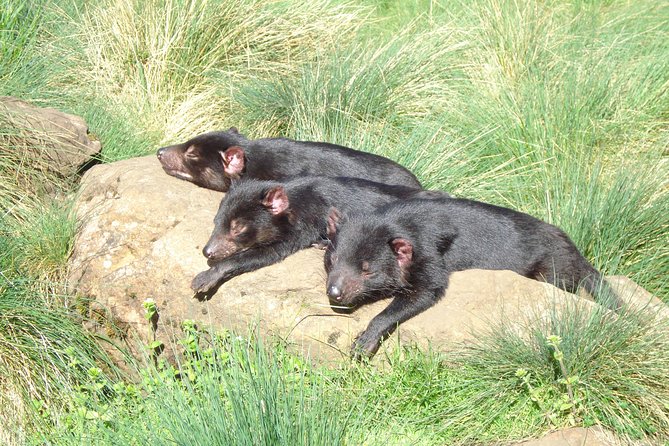
The next walking section follows local boardwalks around the Cradle Valley Walk, with the possibility of reaching part of the Overland Track. It lasts about 15 minutes, so do not expect a long hike. The value comes from the location and timing, not distance.
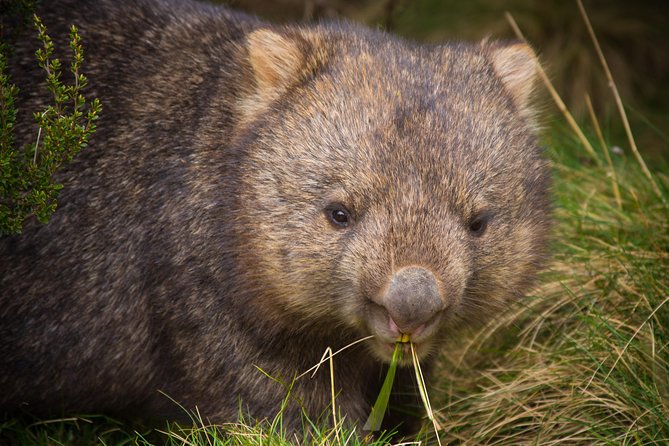
This is often the strongest part of the tour for wombat sightings. Wombats may be feeding near the track, and several outings have found many of them in a relatively small area. Seeing one in the wild is very different from spotting a distant shape through a vehicle window. You may watch it forage, shuffle through the grass or simply ignore the group as it gets on with its evening.
Wallabies and pademelons may also appear along the boardwalk. Possums are another possibility, though they can be quick and difficult to pick out among branches and shadows. Quolls are more elusive. You might see one clearly for a moment, or you may catch only movement and shining eyes before it disappears.
That uncertainty is part of the appeal, but it can test your patience. The guide may spend time scanning an area for a quoll while some people see nothing at all. If you prefer a fast-moving sightseeing tour with guaranteed highlights, this may feel slow. If you enjoy careful observation, the waiting becomes part of the experience.
The boardwalk also helps families and less confident walkers. You are not committing to a long backcountry trek, and the guide manages the route. Still, the tour takes place outdoors at night in a cold mountain setting, so it is not a good fit for anyone expecting a warm, fully vehicle-based excursion.
A few more Australia trips to weigh up
- Melbourne Great Ocean Rd Reverse Tour London Bridge Wildlife
★ 4.7 · 2,252 reviews - Solar Whisper Daintree River Crocodile and Wildlife Cruise
★ 5.0 · 1,663 reviews - Blue Mountains: Three Sisters, Scenic World and Wildlife park
★ 5.0 · 1,481 reviews - Exclusive Blue Mountains Wildlife and Bushwalk Tour From Sydney
★ 4.5 · 1,087 reviews
Waldheim Chalet and the final spotlight search
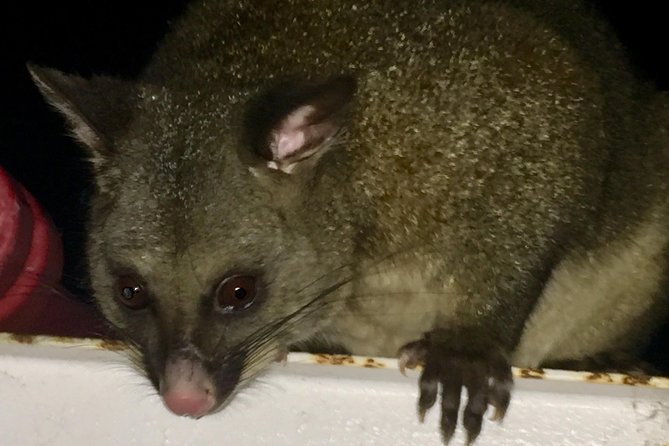
At Waldheim Chalet, the group returns to the bus and continues spotting along the road and into the forest. This final section lasts about 15 minutes, but it adds a useful change of pace after the walk.
From the bus, the guide can cover more ground and search for animals that did not appear near the walking tracks. Possums have been seen from the coach, and the roadside search may reveal wallabies, pademelons or a quoll. The possibility of a Tasmanian Devil also remains open, though you should treat that as a lucky bonus rather than an expected sighting.
Some groups have seen a Devil, while others have found only a few animals. The tour’s name promises night spotting, not a particular species. Your guide can improve your chances by knowing the local roads and feeding areas, but no guide can control the weather or wildlife.
After the Waldheim search, the coach returns you to your accommodation. The full experience lasts about two hours, which feels sensible in Cradle Mountain’s cold night air. A longer outing might sound attractive, but standing outside with a torch for several hours could become uncomfortable, especially in rain or snow.
The guides make the difference
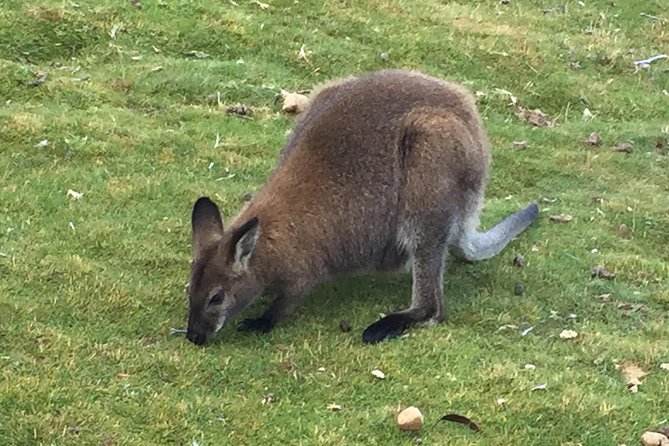
A strong guide matters here more than on a standard sightseeing transfer. You need someone who can identify animals in poor light, explain how they behave and keep the group calm when a sighting is brief.
The guides praised most warmly include James, Belinda and Rita, along with Andie and a lively Scottish guide whose passion for the wildlife made a rainy evening more enjoyable. James has been described as an engaging storyteller who answered questions and kept the pace unhurried. Belinda’s explanations about animals and habitat helped turn the outing into more than a simple search with flashlights.
You will hear about the park’s ecosystem, flora and fauna, and the animals’ nighttime routines. This adds value even during a quiet stretch. If the first 10 minutes produce no sightings, you are still learning what to look for and why certain areas are worth checking.
Guide quality can vary from one evening to the next, as it does on any small-group outing. But the experience depends heavily on the person behind the wheel and the spotlight, so the consistently warm comments about the guides are encouraging.
What wildlife might you see?
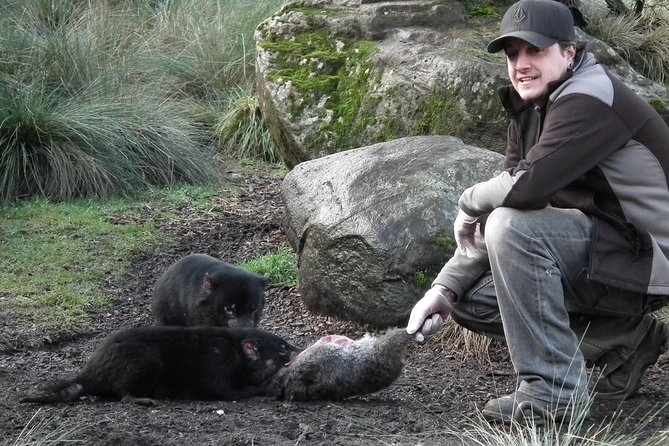
Wombats are the most reliable highlight. They appear again and again in the outing’s strongest experiences, sometimes in impressive numbers. If wombats are high on your Tasmania wish list, this tour gives you a focused way to look for them after dark.
You may also see:
- Wallabies
- Pademelons
- Possums
- Quolls
- Echidnas
- Tasmanian Devils
The animals may appear at different distances and for different lengths of time. A wombat feeding near the boardwalk could remain visible for several minutes. A quoll may cross the road and vanish before everyone has found it.
Bring a camera, but do not let photography take over. Night shots are difficult, especially with moving animals and torchlight. You will have a better time if you treat photographs as a bonus and focus first on watching the animals safely.
The guide’s torch is part of the experience, and you may receive the chance to help with spotting from the front of the bus. Listen carefully to instructions and keep lights pointed where the guide directs. Good wildlife watching depends on giving animals space.
Price, group size and what the fee covers
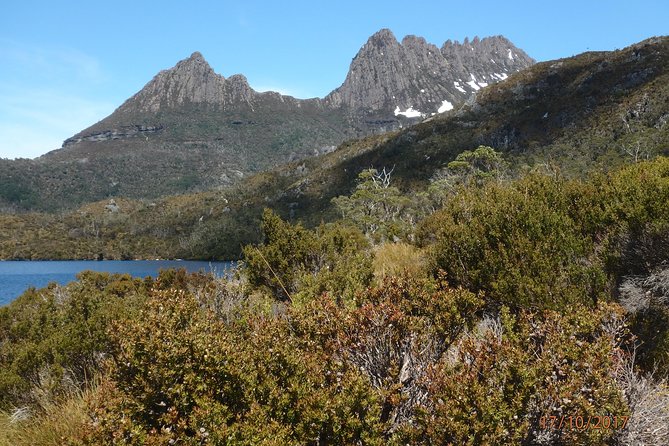
The price is $89.66 per person. That is not a cheap evening activity, especially because food and drinks are not included and the national park pass is an extra cost for visitors who need one through Parks Tasmania.
I think the price is easier to justify if you are staying in Cradle Mountain without a car, or if you want a safe way to enter the park after dark. The fee includes pickup and drop-off, a professional guide, torches and transport. You are also paying for local knowledge and access to a planned route rather than trying to find animals on your own at night.
The group limit of 15 is another plus. A smaller group makes it easier to hear commentary and share the guide’s attention. It also keeps the walk from feeling like a large procession. The exact group size may vary, but the maximum is low enough to preserve a personal feel.
Children under four join at no charge. Most people can participate, and service animals are allowed. The short walks are not presented as strenuous, but you still need to manage cold, wet conditions and uneven outdoor surfaces at night.
Clothing, weather and practical preparation
Take the clothing advice seriously. You should bring a waterproof jacket, warm layers, a fleece jacket, a beanie and gloves. Scarves and extra warm items are sensible too, since the tour may involve waiting outdoors while the guide scans the scrub.
A wet-weather jacket is required. Wet-weather pants are optional, but rain can make both the walk and the torch work less pleasant. If the forecast looks poor, expect lower visibility and a greater chance of missing smaller animals such as quolls.
Wear comfortable walking shoes with good support. The route is short, but the ground can be damp, and you will be outside after dark. Keep your camera protected from rain and bring only what you can carry easily during the boardwalk section.
The tour does not run on Christmas Day. Confirmation arrives at booking, and the activity offers free cancellation when you cancel at least 24 hours before the start time. Changes or cancellations made inside that 24-hour window are not accepted for a refund.
Who should book this night tour?
I would choose this outing if you want to see Tasmanian wildlife in its natural setting and do not want to drive through the park at night. It suits families, couples and solo visitors who enjoy a calm, guided search rather than a fixed show.
It is especially good for anyone hoping to see wombats. The combination of Ronny Creek, the boardwalk and the Overland Track area gives you several chances to find them. It also works well as a contrast to daytime walks around Cradle Mountain, since the focus shifts from scenery to animal behavior.
You should think twice if you dislike cold weather, short walks in rain or uncertain results. The tour can produce a spectacular list of sightings, including quolls and a Tasmanian Devil, but it can also be a quieter night. That is not a fault in the tour. It is simply the nature of wild animals.
Should you book Wildlife Night Spotting at Cradle Mountain?
Yes, I would book it if wombats, wallabies and Tasmania’s nocturnal animals are high on your list. The 98 percent recommendation rate and 4.9 rating from 84 reviews match the experience’s strongest features: excellent guides, easy pickup, a small group and frequent wombat sightings.
The best booking strategy is to choose a night when you can handle changing weather, pack proper warm clothing and keep the next morning flexible after a late finish. Include the national park pass in your budget, and do not book this expecting one guaranteed animal.
For a short, well-organized evening with a real chance to see wildlife after dark, it offers good value. The wombats may steal the show, but the quiet ride, boardwalk walk and patient spotlight search are what make the outing memorable.
FAQ
What time does Wildlife Night Spotting at Cradle Mountain start?
The tour starts at 8:30 pm. Complimentary pickup is offered from Cradle Mountain accommodation.
How long does the experience last?
The outing lasts approximately two hours, including the vehicle transfers, walking sections and return to your accommodation.
Which animals might I see?
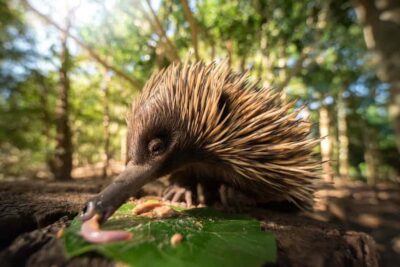
Possible sightings include wombats, wallabies, pademelons, possums, quolls, echidnas and Tasmanian Devils. Wildlife sightings are not guaranteed.
Is the national park pass included?
No. The national park pass is not included for visitors who need to obtain one through Parks Tasmania.
What should I wear?
Bring comfortable walking shoes, a wet-weather jacket, warm layers, a fleece jacket, a beanie and gloves. Wet-weather pants are optional, but jackets are required.
Is the tour suitable for children?
Most people can participate, and children under four join at no charge. The tour is family-friendly, but children should be prepared for a late evening, cold weather and a short walk outdoors.
More Evening Experiences in Australia
- Pinnacles Desert: Sunset BBQ & Stargazing Tour +Sandboarding
★ 4.8 · 1,555 reviews - Sydney Harbour Sunset Dinner Cruise from Darling Harbour
★ 4.0 · 1,122 reviews - Great Ocean Road Full-Day Sunset Eco Tour from Melbourne
★ 5.0 · 1,085 reviews - Pinnacles Desert Sunset Dinner and Stargazing Tour
★ 5.0 · 1,034 reviews
Just added around Australia
- Morning Cruise on the Murchison River in Kalbarri (April to Nov)★ 5.0 · 91 reviews
- Kalbarri Rock Lobster Tours★ 5.0 · 54 reviews
- Kalbarri Sunset & Coastal Cliff Cruise★ 5.0 · 59 reviews
- Kalbarri Whale Watching Tour Guided★ 5.0 · 35 reviews
- Kakadu National Park Wildlife & Ubirr Rock Art Tour from Darwin★ 4.5 · 101 reviews
- Jervis Bay Whale Watching Tour★ 4.5 · 353 reviews
- Jervis Bay Beach Stargazing Tour with our Astronomer★ 5.0 · 35 reviews
- Arnhem Land Yingana Injalak Hill Full Day Tour from Jabiru★ 5.0 · 132 reviews
Wildlife & Zoo Experiences, compared.
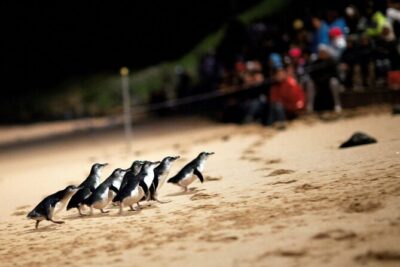
Penguin Parade, & Wildlife Encounters Eco Tour from Melbourne
Read our review →
Melbourne Great Ocean Rd Reverse Tour London Bridge Wildlife
Read our review →
Blue Mountains Adventure: Scenic World, Zoo & Koala Photo
Read our review →
Solar Whisper Daintree River Crocodile and Wildlife Cruise
Read our review →
Browse the lists this tour appears in