
Reviewed · WILDLIFE & ZOO EXPERIENCES
Bonorong Wildlife Sanctuary Guided Night Tour
The best part of Bonorong’s night tour is dinner time for the animals. You may help feed Tasmanian devils, offer food to Eastern quolls, and meet sugar gliders and tawny frogmouths while the sanctuary is closed to ordinary daytime visitors. The close contact feels personal, not like a quick walk past a display.
I like the small groups and the chance to see both daytime and nocturnal animals during one outing. I also like the conservation angle: many animals are recovering from injury or growing up as orphans, and the guide explains how care at Bonorong can help them return to the wild. The main consideration is that feeding and patting are never guaranteed, since the keeper makes the call based on animal welfare.
In This Review
- Key points to know before booking
- Why Bonorong after dark feels different
- A small group makes the feeding worthwhile
- Daytime animals get dinner first
- Eastern quolls, tawny frogmouths, and sugar gliders
- Helping with the Tasmanian devils’ dinner
- The sanctuary’s injured and orphaned animals
- What $115 gets you
- Timing, clothing, and arrival advice
- Rules that protect the animals
- Who will enjoy this Bonorong night tour most
- Should you book the Bonorong night tour?
- FAQ
- How long is the Bonorong Wildlife Sanctuary night tour?
- How much does the tour cost?
- What is included in the tour price?
- Is transport included?
- Can I feed the animals?
- Can I hold the animals?
- Are children allowed on the tour?
- What happens if bad weather cancels the tour?
Key points to know before booking
- Tasmanian devil feeding: You may help your keeper give the sanctuary’s devils their evening meal.
- Two animal schedules in one tour: Day-active creatures eat dinner first, then nocturnal animals begin their breakfast.
- Small-group access: Groups are kept small so you have more time to interact with the animals.
- Wildlife recovery work: Some animals are injured or orphaned, and your guide explains their path toward release.
- After-hours atmosphere: The sanctuary is closed to regular daytime visitors during the night experience.
- Practical timing: The tour lasts 2.5 hours, costs $115 per person, and requires comfortable shoes and warm clothing.
Why Bonorong after dark feels different
Bonorong Wildlife Sanctuary is not simply a place to look at Australian animals from behind a fence. This evening outing puts feeding at the center of the experience, which changes the pace and the mood.
During the day, you might see animals resting, wandering, or waiting for the next scheduled activity. At night, food gives the visit a clear purpose. Your guide moves from one enclosure or animal area to the next, explains what is happening, and offers feeding opportunities when it is suitable.
That word, suitable, matters. You cannot assume that every animal will eat from your hand or allow a pat. The keeper controls each interaction, and the animals’ health and comfort come first. That makes the tour less predictable than a staged animal encounter, but also more responsible.
The evening format also lets you see two sides of the sanctuary. The daytime animals receive dinner, while nocturnal animals begin their breakfast. You get a useful look at how different Australian species keep different hours.
More Wildlife & Zoo Experiences in Hobart
- Day Tour in Mt. Field, Mt. Wellington, Bonorong Wildlife Sanctuary and Richmond
★ 5.0 · 735 reviews - From Hobart: Mt. Field, Mt. Wellington and Wildlife Day Tour
★ 4.8 · 261 reviews - Bonorong Wildlife Sanctuary Half-Day Tour from Hobart
★ 4.5 · 158 reviews
A small group makes the feeding worthwhile
The tour is designed as a small-group experience with a guide assigned to your group. That setup is one of its strongest features. At $115 per person, you are paying for more than admission. You are paying for time, guidance, and a better chance to take part rather than simply watch from the edge.
In a large group, feeding can become a queue. One person gets the interesting moment, while everyone else waits for a turn or tries to see over shoulders. Bonorong keeps numbers down so each participant has a fair chance to interact with the animals when the keeper allows it.
Your guide also has room to answer questions and adjust the pace. If an animal is shy, the group can wait. If a creature is especially active, you have a better chance of seeing that behavior instead of being hurried along.
The English-language tour lasts 2.5 hours. That is long enough to visit several animal areas without turning the evening into a rushed checklist. Still, you should wear comfortable clothes and shoes. You will be moving around the sanctuary, standing during feeding sessions, and spending time outdoors in Tasmania’s evening air.
Daytime animals get dinner first
The tour begins with dinner for the sanctuary’s daylight dwellers. The exact order can vary, since animals and staff set the rhythm, but the idea is simple: you see how feeding changes as daylight fades.
This part helps put the nocturnal animals into context. Rather than arriving only for the creatures that wake after dark, you first see some animals at the end of their active day. Your guide can explain what they eat, how they behave, and why care routines matter for animals living in a sanctuary.
The tour description specifically highlights a meeting with the Forester kangaroo mob. These friendly kangaroos are a special part of the visit, and they offer a gentler contrast to the more unusual species later in the evening. You may be able to feed or pat animals under supervision, but remember that every contact depends on the keeper’s instructions.
The Forester kangaroos are also a good fit for families and first-time wildlife visitors. They are familiar enough to be approachable, yet still give you a close look at a distinctive Australian animal. Parents should stay involved throughout, since adults are responsible for children taking part.
Eastern quolls, tawny frogmouths, and sugar gliders
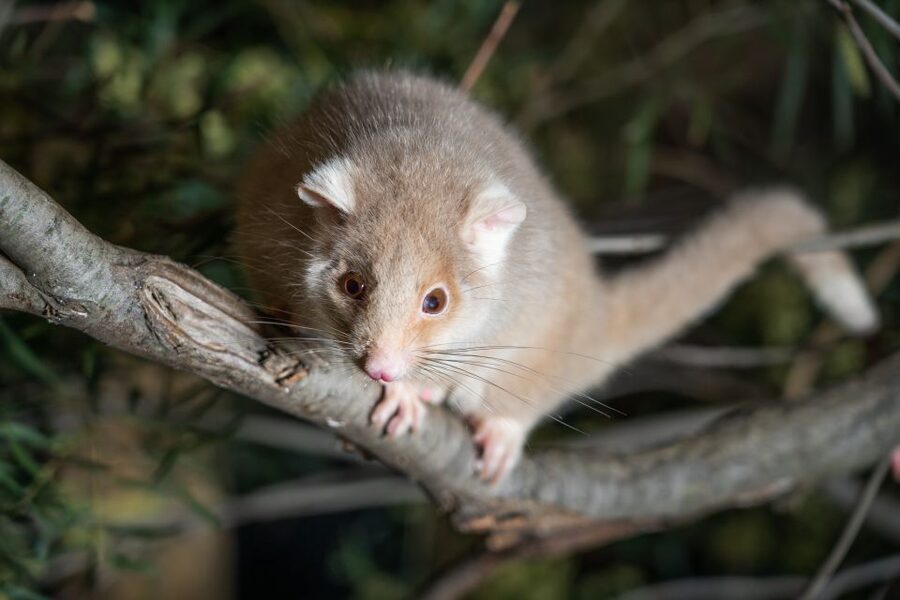
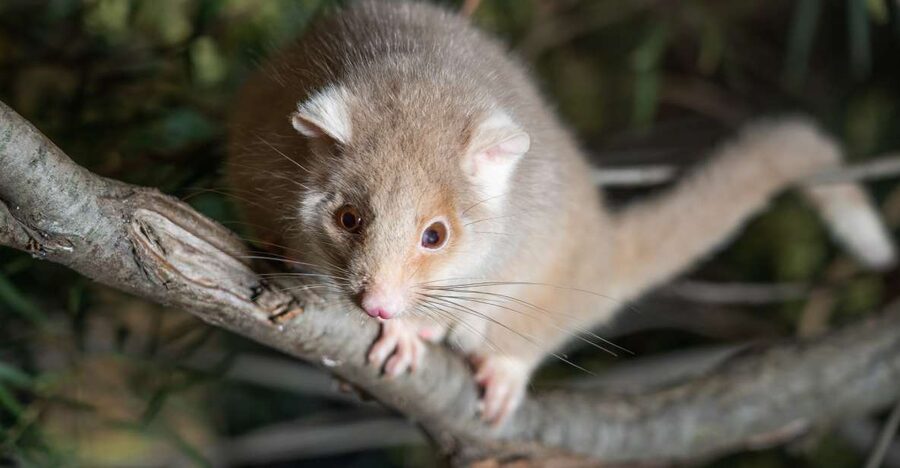
The nocturnal animals are the stars for many people. Eastern quolls, tawny frogmouths, and sugar gliders each offer a different kind of encounter, and the feeding format lets you notice details that can be missed during a standard sanctuary visit.
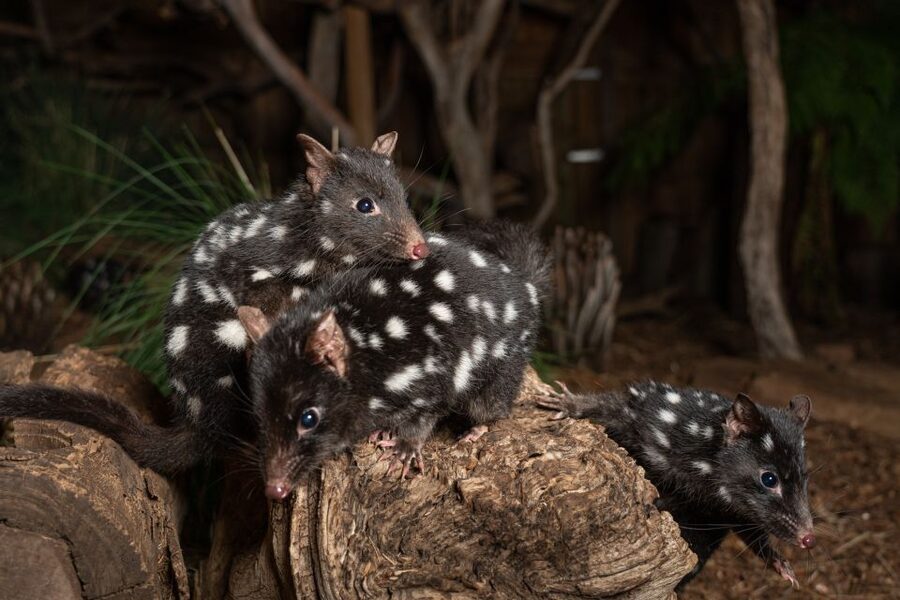
Eastern quolls are small marsupial predators with a lively, alert presence. Feeding them gives you a chance to see how quickly they respond to food and how different they are from the larger kangaroos and devils. They are the sort of animal you might hear about in Tasmania but rarely see at close range in the wild.
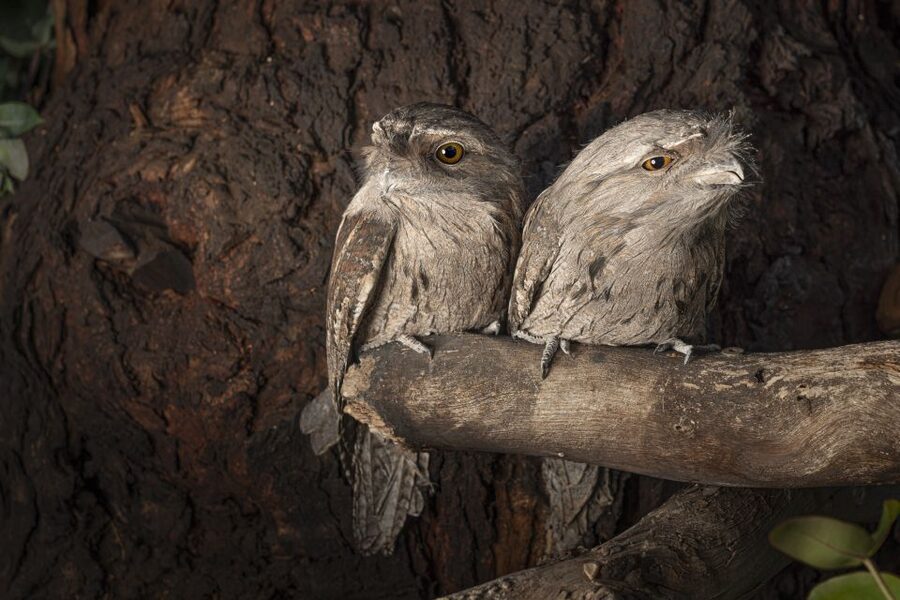
Tawny frogmouths have a very different appeal. Their stillness and unusual shape make them easy to mistake for part of a branch or tree. Your guide can help you understand what you are looking at and explain why these birds belong in a night-focused visit.
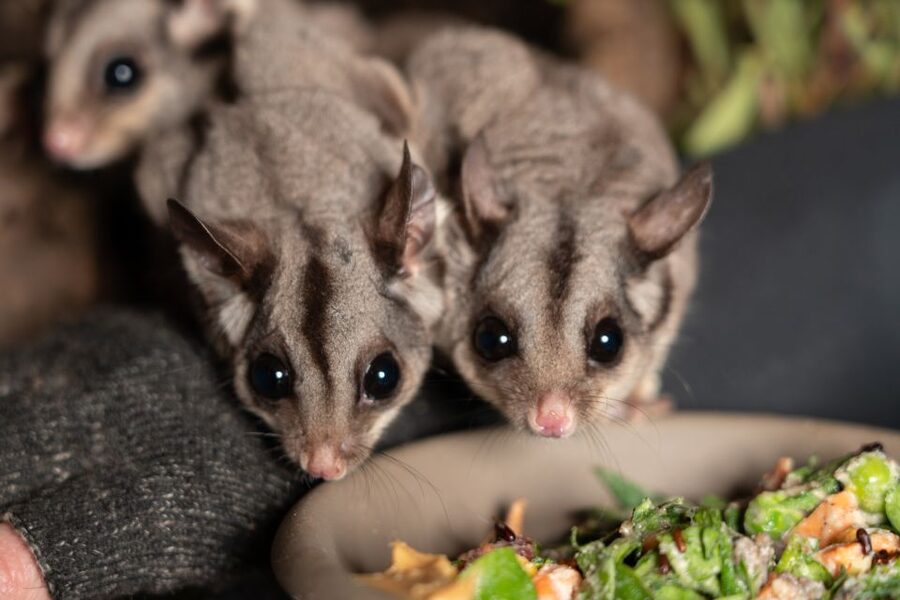
Sugar gliders add movement and surprise. They are small, active animals, and a supervised feeding moment can bring you close enough to appreciate their size and behavior. You should not expect to hold them. The rules state that participants cannot hold animals, though the keeper may permit supervised patting where appropriate.
These encounters are not guaranteed in a fixed, theatrical way. The animals may be less active, already fed, or unsuitable for contact on a given evening. That uncertainty is a drawback if you want a guaranteed photograph with every species, but it is a good sign that the sanctuary does not force contact for the sake of a tour.
Same coast, a completely different day out:
- Bruny Island Food, Sightseeing, Guided Lighthouse Tour & Lunch
★ 5.0 · 2,989 reviews - Full-Day Guided Bruny Island Tour from Hobart
★ 5.0 · 1,331 reviews - kunanyi/Mt Wellington Explorer Bus- Return Tour (2.5 hours)
★ 5.0 · 1,249 reviews - Hobart: Bruny Island Food, Sightseeing & Lighthouse Day Tour
★ 4.8 · 960 reviews
Helping with the Tasmanian devils’ dinner
The Tasmanian devil feeding is the clear headline moment. Your guide may invite you to help provide the devils’ dinner, following instructions from the keeper.
Tasmanian devils are powerful carnivorous marsupials, so this is not a casual petting encounter. You will not be handed an animal, and you must follow every instruction given by staff. The appeal is seeing their feeding behavior at close range while learning how the sanctuary manages their care.
This is also where the tour feels most educational. You are not just looking at a famous Tasmanian species. You are seeing an animal with specific needs and strong natural behavior, handled by people who understand how to keep both the animals and participants safe.
Expect noise, energy, and a more controlled interaction than you might have with a kangaroo. The keeper can ask you to leave an enclosure at any time. That authority is important and should be treated as part of the experience, not an inconvenience.
The sanctuary’s injured and orphaned animals
Bonorong’s conservation work gives the evening more weight. Some animals at the sanctuary are recovering from injury, while others are orphans. Your guide explains how the staff care for them and how the animals may be prepared to return to the wild.
That information helps you understand the difference between a wildlife sanctuary and a simple animal park. The encounter is not only about seeing rare or unusual creatures. It is also about the work required to support native animals that cannot yet manage on their own.
You may find that this is the most memorable part of the tour. Feeding is fun, but the conservation story gives the interaction a reason. It shows you why veterinary care, food, shelter, and carefully controlled human contact matter.
Keep your expectations realistic. Not every animal at the sanctuary will be releasable, and the information provided does not promise that every participant will see a release-ready animal. What you can expect is an explanation of how the staff help animals recover and why welfare rules shape the tour.
What $115 gets you
The price is $115 per person. Admission, the full 2.5-hour guided night tour, feeding opportunities, and the guide are included. Food, drinks, and transport are not included.
I think the price is reasonable for someone who wants more than ordinary sanctuary admission. The small group, after-hours timing, staff guidance, and possibility of helping with feeding give it added value. You are paying for access to a structured experience rather than just entry to the grounds.
The value is weaker if you only want to walk around and take photographs. You may not feed every animal, and you cannot hold them. If direct contact is your only goal, the welfare rules and animal-led pace could leave you wanting more.
For families, the cost can add up quickly because every participant pays. Children under 16 must be accompanied by a paying adult, and parents or adult guardians remain responsible for participating children at all times. For an adult who cares about native wildlife and wants a focused evening, the price is easier to justify.
Timing, clothing, and arrival advice
You should arrive 15 minutes before the scheduled departure time. The experience is usually offered in the evening, and the sanctuary’s setting means warm clothing is a sensible choice even if the afternoon felt mild.
Wear comfortable shoes and comfortable clothes. This is not a formal event, and you should dress for moving around and spending time near animal areas. Warm layers are especially useful because Tasmanian evenings can feel cool once the sun is gone.
Transport is not included, so you need to arrange your own way to Bonorong Wildlife Sanctuary. That is an important cost and planning point if you are staying in Hobart or building the tour into a larger day out.
The tour is wheelchair accessible. Even so, if you have specific mobility needs, it is sensible to confirm the current arrangements when booking, since the experience moves through animal areas and staff may change the route for animal welfare or weather reasons.
Rules that protect the animals
All participants must agree to follow the keeper’s instructions. This is not optional, especially around Tasmanian devils and other animals that may react quickly to food or movement.
You cannot hold animals. Where suitable, the keeper may allow supervised patting, and feeding may also be offered when appropriate. Neither is guaranteed.
Staff may ask you to leave an enclosure at any point. Severe weather or animal welfare concerns can also cancel a tour. If that happens, you are offered an alternative encounter or a full refund.
The cancellation terms are straightforward: cancel up to 24 hours in advance for a full refund. That gives you some flexibility, but the sanctuary can also make its own last-minute decision when conditions or animal welfare require it.
Who will enjoy this Bonorong night tour most
I would choose this experience if you want close contact with Australian wildlife but also care about how that contact is managed. The tour suits adults, couples, families with older children, and anyone especially interested in marsupials, birds, and conservation work.
It is a strong choice if you have already seen kangaroos during the day and want a different side of Tasmania’s wildlife. The Eastern quolls, sugar gliders, tawny frogmouths, and Tasmanian devils give the evening a varied lineup.
It may not suit you if you dislike standing, cool weather, or following strict animal-handling rules. It is also not ideal if you need a guaranteed feeding session with a particular species. The keeper decides what happens, and the animals get the final say.
One practical tip is to keep your evening free after the tour. At 2.5 hours, it is a substantial activity, not a quick add-on. Arrive early, dress warmly, and go in ready to watch as much as you feed.
Should you book the Bonorong night tour?
Book it if you want a personal, small-group wildlife experience with real conservation value. The chance to help feed Tasmanian devils is memorable, and the mix of daytime dinner and nocturnal breakfast gives you much more variety than a single-animal encounter.
The strongest reasons to go are the close access, the small group, and the guide’s role in explaining the animals’ care. Guide Johnny has been singled out for his friendly approach, and the tour is built around staff who clearly know the animals and their routines.
Skip it if you want guaranteed contact, a short visit, or transport included. For everyone else, Bonorong’s after-hours feeding tour is one of the more distinctive ways to meet Tasmania’s native animals, with the right balance of fun, care, and useful education.
FAQ
How long is the Bonorong Wildlife Sanctuary night tour?
The tour lasts 2.5 hours and is usually available in the evening.
How much does the tour cost?
The price is $115 per person.
What is included in the tour price?
Admission, the 2.5-hour guided night tour, feeding opportunities, and an English-speaking guide are included.
Is transport included?
No. Transport to and from Bonorong Wildlife Sanctuary is not included.
Can I feed the animals?
Feeding may be offered by the keeper when appropriate, but it is not guaranteed for every participant or every animal.
Can I hold the animals?
No. Participants cannot hold animals. Supervised patting may be allowed where the keeper considers it suitable.
Are children allowed on the tour?
Yes. Children under 16 must be accompanied by a paying adult, and parents or adult guardians are responsible for participating children.
What happens if bad weather cancels the tour?
Specific tours may be cancelled because of severe weather or animal welfare concerns. If that happens, participants are offered an alternative encounter or a full refund.
More Evening Experiences in Hobart
- Pinnacles Desert: Sunset BBQ & Stargazing Tour +Sandboarding
★ 4.8 · 1,555 reviews - Sydney Harbour Sunset Dinner Cruise from Darling Harbour
★ 4.0 · 1,122 reviews - Great Ocean Road Full-Day Sunset Eco Tour from Melbourne
★ 5.0 · 1,085 reviews - Pinnacles Desert Sunset Dinner and Stargazing Tour
★ 5.0 · 1,034 reviews
More Wildlife in Hobart
- Hobart: Admission Ticket to Bonorong Wildlife Sanctuary
★ 4.7 · 126 reviews - 4 Day Wild Tasmania Tour / Wildlife, Nature, Hiking / Inc. Accom
★ 5.0 · 126 reviews - Bonorong Wildlife Park and Richmond Afternoon Tour from Hobart
★ 4.5 · 113 reviews - Hobart: Mt. Field, Mt Wellington & Wildlife – Active Day Tour
★ 5.0 · 112 reviews
Just added around Hobart
- nipaluna (Hobart) Highlights Day Tour★ 5.0 · 33 reviews
- kunanyi/Mt Wellington Explorer Bus – One Way Tour★ 5.0 · 63 reviews
- Full-Day Tour to Wineglass Bay from Hobart★ 5.0 · 122 reviews
- kunanyi/Mt Wellington Tour & Hobart Hop-On Hop-Off Bus★ 5.0 · 275 reviews
- Private Wine and Beverage Tours in Tasmania★ 5.0 · 66 reviews
- Hobart: Waterfalls, Wilderness & Wildlife – Active Day Tour★ 5.0 · 22 reviews
- Hobart: Wineglass Bay & Freycinet National Park – Active Day Tour★ 4.5 · 142 reviews
- 10 Days Ultimate Guided Tour of Tasmania – Comfort Tour★ 5.0 · 29 reviews
Wildlife & Zoo Experiences, compared.
Penguin Parade, & Wildlife Encounters Eco Tour from Melbourne
Read our review →
Melbourne Great Ocean Rd Reverse Tour London Bridge Wildlife
Read our review →
Blue Mountains Adventure: Scenic World, Zoo & Koala Photo
Read our review →
Solar Whisper Daintree River Crocodile and Wildlife Cruise
Read our review →
Browse the lists this tour appears in