
Reviewed · 7-DAY EXPERIENCES
Tasmania: 7-Day West to East Tour
Tasmania’s best feature is its variety, and this 7-day west to east tour packs plenty of it into one moving trip. You go from giant eucalyptus trees and waterfalls to alpine lakes, sand dunes, orange boulders, convict ruins, and little penguins. It is a strong choice if you want to see Tasmania’s major sights without renting a car or planning every overnight stop.
I like the flexible walking program, which lets you choose a short stroll or a harder hike at several parks. I also like the guides’ role in making long drives useful, with local stories, nature notes, food suggestions, and regular coffee and bathroom stops. The main drawback is the pace: most days run from about 7:30 a.m. to 5 p.m., and the vehicle may feel tight for taller passengers.
In This Review
- Key points to know before booking
- Why this west to east route works
- Day 1: Mount Field, Lake St Clair, and Queenstown
- Day 2: Rainforest, Henty Sand Dunes, and Ocean Beach
- Day 3: Cradle Mountain and the road to Launceston
- Day 4: Cataract Gorge and the Bay of Fires
- Day 5: Wineglass Bay and Freycinet National Park
- Day 6: Bonorong, Richmond, and kunanyi
- Day 7: Port Arthur and Crescent Bay
- Walking levels, transport, and accommodation
- Guides make the long days easier
- Is $973 good value?
- Who should book this Tasmania tour?
- FAQ
- How long is the Tasmania west to east tour?
- What is the price per person?
- What accommodation choices are available?
- Are meals included?
- Is the Gordon River Cruise included?
- What fitness level do I need?
- Can I skip a walk?
- Is pickup included?
- How much luggage can I bring?
- Should you book it?
Key points to know before booking
- Mt Field opens the trip with giant trees and Russell Falls, an easy 25-minute walk over a flat 1.4-kilometer return path.
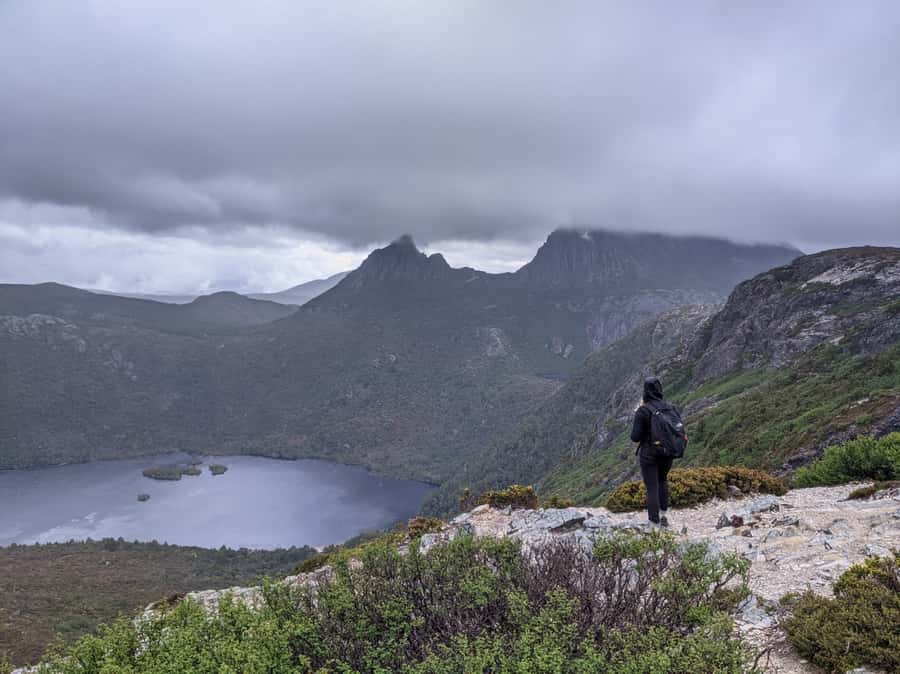
- Cradle Mountain gives you real walking choices, from the Dove Lake Circuit to the more demanding climb toward Marion’s Lookout.
- The west coast adds variety beyond rainforest, with mining towns, Henty Sand Dunes, and Ocean Beach.
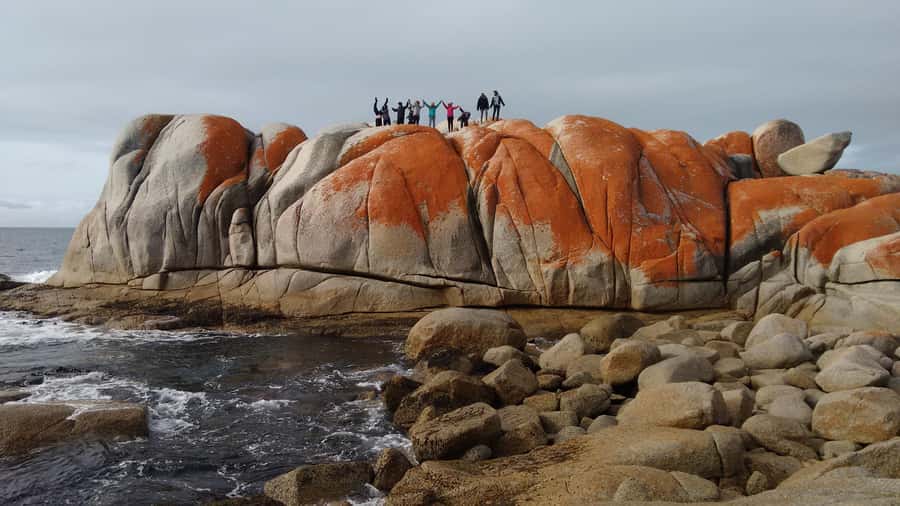
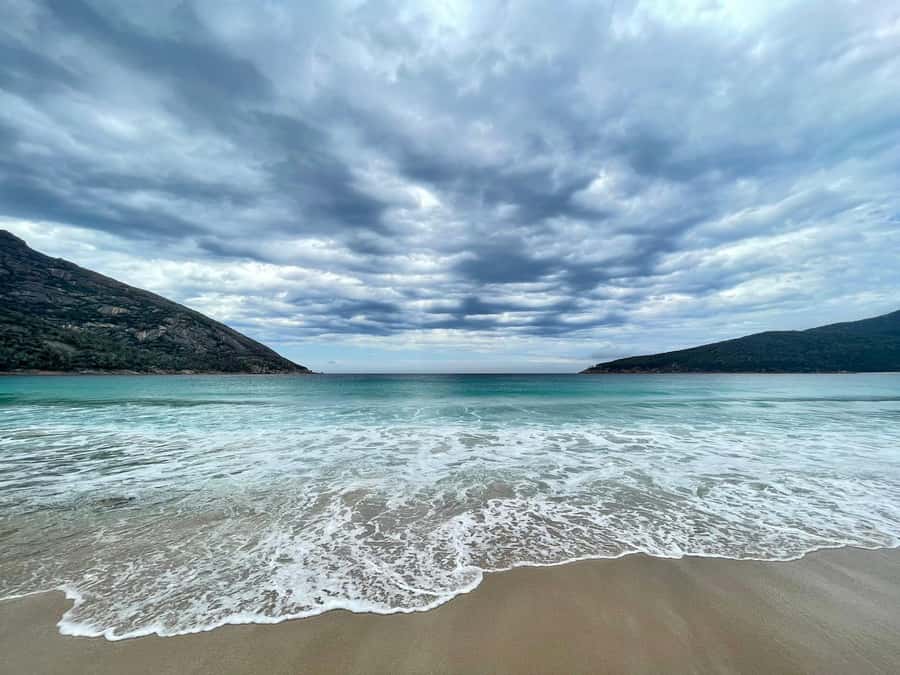
- The eastern part of the tour brings Tasmania’s postcard views, including Wineglass Bay, the Bay of Fires, and Cape Tourville.
- Bonorong and Port Arthur add meaning to the scenery, connecting wildlife protection, Aboriginal culture, and convict history.
- The $973 price includes major entry fees and six nights of lodging, but meals and the Gordon River Cruise cost extra.
Why this west to east route works
Tasmania is compact enough to cross in a week, but not so compact that the distances disappear. This tour solves the island’s main planning problem: you see several far-flung parks while someone else handles the roads, accommodation, and national park fees.
The route also has a sensible rhythm. The west coast supplies thick forest, waterfalls, dunes, and mining history. Cradle Mountain brings cooler alpine country. The east coast then gives you white beaches and bright water, before the final days return to Hobart for wildlife, colonial buildings, a mountain lookout, and Port Arthur.
You will spend a fair amount of time on the road. That is the trade-off for covering so much ground in seven days. The upside is that the drive is broken up by short walks, town visits, viewpoints, and stops for food or coffee. The guides also provide commentary, so the transfers are not simply dead time.
The tour suits solo visitors especially well, since you have built-in company without needing to organize a private group. Couples and friends also get the benefit of choosing their own walking level while sharing transport and accommodation options.
A few more Hobart trips to weigh up
- 7-Day Super Value Tour of Tasmania: Explore Tasmania’s West and East Coasts
★ 5.0 · 77 reviews - Barossa Premium Wine Tasting Tour & lunch Departs 7 days a week
★ 5.0 · 1,475 reviews - 7-Day Exmouth Explorer via Pinnacles Monkey Mia Ningaloo Reef returning to Perth
★ 5.0 · 284 reviews
Day 1: Mount Field, Lake St Clair, and Queenstown
The first morning takes you from Hobart to Mount Field National Park. This is an excellent opening stop because it delivers a quick reward: tall eucalyptus forest and Russell Falls, Tasmania’s best-known waterfall. The Russell Falls path is easy, flat, and even, with no steps or steep sections. If you have just arrived in Tasmania or are not a strong hiker, this walk helps you settle in.
The tall trees are the real surprise. The stop is not only about reaching a waterfall. You get a close look at the scale of Tasmania’s forests, with the guide adding context about plants, wildlife, and the island’s environment.
Next comes Lake St Clair, Australia’s deepest freshwater lake. The visit gives you a taste of the island’s central highlands, where the scenery feels cooler and more open than the forest at Mount Field. You then continue through Franklin-Gordon Wild Rivers National Park, one of the key wild areas in western Tasmania.
The day includes a look at Queenstown and the region’s mining past. Queenstown’s bare, weathered surroundings are a useful reminder that Tasmania’s scenery has been shaped by industry as well as rainforests and rivers. By evening, you reach Strahan, where you stay for two nights. That two-night base is welcome after a long first day.
Day 2: Rainforest, Henty Sand Dunes, and Ocean Beach
Your second day explores the west coast, one of the tour’s most distinctive sections. A guided nature walk takes you through ancient rainforest, where the point is to slow down and notice the plant life rather than simply tick off another viewpoint.
The coast then changes the mood. Henty Sand Dunes offer a broad, open setting that feels very different from the forest. Nearby Ocean Beach gives you Tasmania’s longest stretch of sand, with a sense of space that is hard to find in more developed coastal areas.
You can also choose a Gordon River cruise at your own expense. This is an important budget decision. The cruise is not included in the $973 price, so check the added cost before departure if you are interested. The cruise gives you a water-based view of the west coast, while the included day focuses on walks, dunes, and beach scenery.
I like that the tour does not force every person into the same activity level. If you want more time on foot, the dunes and coastal walks provide it. If a boat trip appeals more, the Gordon River option may be worth the extra money. Ask the guide how the timing works for your departure, since the available choice can affect your day.
Day 3: Cradle Mountain and the road to Launceston
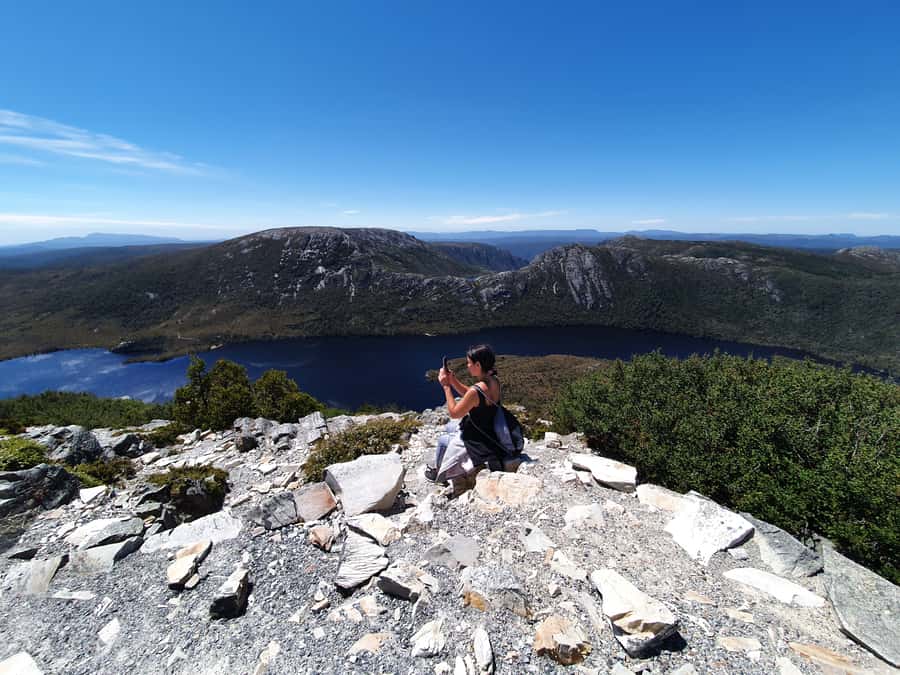
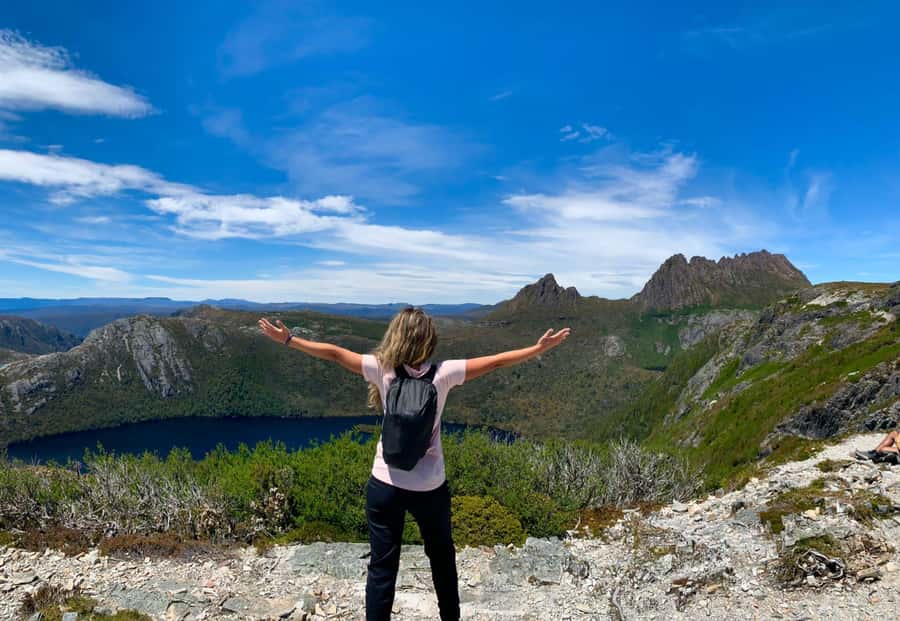
Cradle Mountain National Park is one of Tasmania’s essential stops, and this is likely to be the day many active visitors anticipate most. The park’s scenery was shaped by glaciers, giving you alpine country, rugged peaks, and the famous Dove Lake setting.
You can select from several walks based on your fitness and comfort. The Dove Lake Circuit takes about two to three hours and covers six kilometers. It includes short hills, rough ground, and many steps, so good mobility matters. The route gives you a fuller experience of the park than a quick photo stop.
For a tougher outing, you can choose the track toward Marion’s Lookout. The supplied information does not promise a particular summit route or duration, so ask your guide about conditions and the exact option available that day. The important point is that you are not locked into one hike.
Cradle Mountain is also a good place to watch for Tasmanian wildlife. Wombats and echidnas are among the animals you may spot, though sightings are never guaranteed. Keep your attention on the track edges and follow the guide’s advice rather than treating the park as a wildlife show.
Later, you drive to Launceston via Sheffield, a small town known for its murals. This is a pleasant change from the national park. Sheffield adds a human, local touch to a day otherwise focused on mountains and walking.
Same coast, a completely different day out:
- Bruny Island Food, Sightseeing, Guided Lighthouse Tour & Lunch
★ 5.0 · 2,989 reviews - Full-Day Guided Bruny Island Tour from Hobart
★ 5.0 · 1,331 reviews - kunanyi/Mt Wellington Explorer Bus- Return Tour (2.5 hours)
★ 5.0 · 1,249 reviews - Hobart: Bruny Island Food, Sightseeing & Lighthouse Day Tour
★ 4.8 · 960 reviews
Day 4: Cataract Gorge and the Bay of Fires
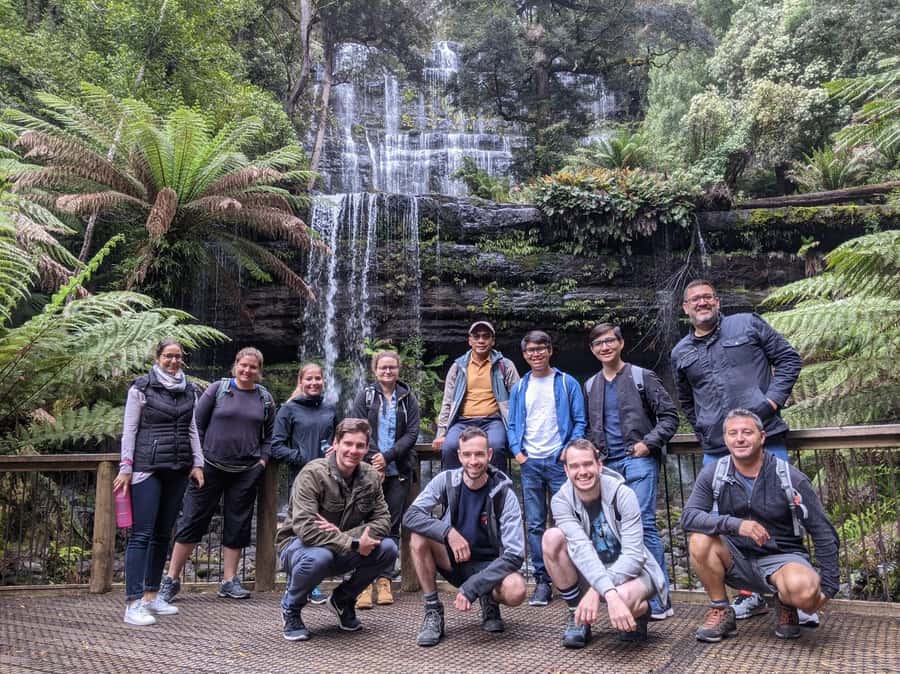
In Launceston, you visit Cataract Gorge, a scenic natural area close to the city center. It is a practical stop because you do not need a full day to enjoy it, and you may see wallabies in the area. Your guide can also point out places that are easy to miss if you arrive independently.
The route then heads east toward the Bay of Fires, also known as larapuna. The coast is known for white sand, turquoise water, and striking orange boulders. The contrast between the pale beach, blue water, and rust-colored rocks gives this part of Tasmania a look unlike the west coast.
This stop also includes attention to the spiritual connection between the land and Tasmanian Aboriginal people, the palawa. That context matters. The Bay of Fires is not only a pretty beach break, and the tour makes room for the human story of the region.
You spend the night in Bicheno, home of the little penguin. The itinerary identifies Bicheno as a penguin town, but it does not promise a separate penguin-watching activity. If seeing penguins is important to you, ask what is planned for your departure rather than assuming it is included.
Day 5: Wineglass Bay and Freycinet National Park
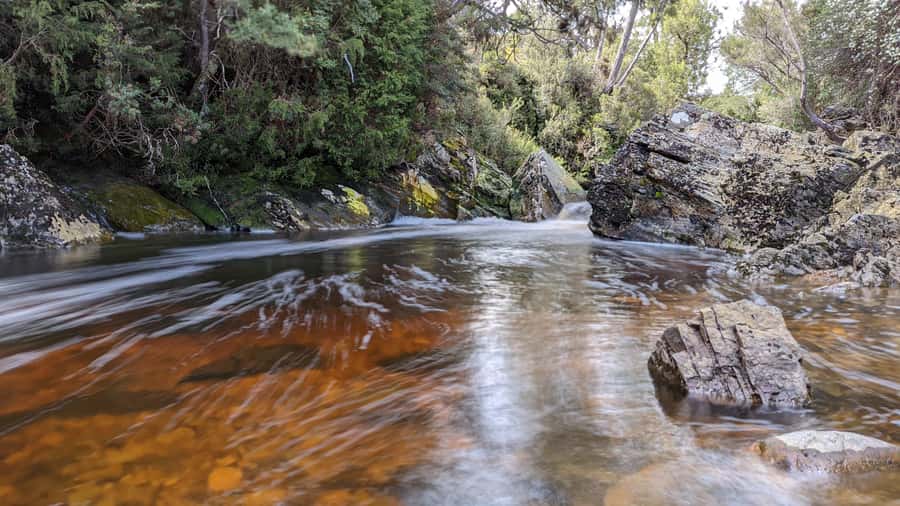
Freycinet National Park supplies the tour’s famous east coast image: Wineglass Bay. You can walk to the bay or choose the climb to the summit of Mount Amos. These are not equivalent options, so speak with the guide before choosing. Mount Amos is the more demanding choice, while the Wineglass Bay walk gives you the signature view with a different level of effort.
The tour then visits Cape Tourville Lighthouse. This adds a coastal viewpoint without requiring another major hike. After several active days, that shorter scenic stop helps keep the itinerary varied.
The day ends with a return to Hobart. That makes Day 5 another full day, not a slow transition back to the capital. You should plan on being ready for an early start and carrying water, sun protection, and suitable shoes.
Freycinet is one of the places where weather can shape your experience. The tour provides the route and walking choices, but no operator can guarantee clear views. Pack layers and a jacket even if Hobart feels mild when you leave.
Day 6: Bonorong, Richmond, and kunanyi
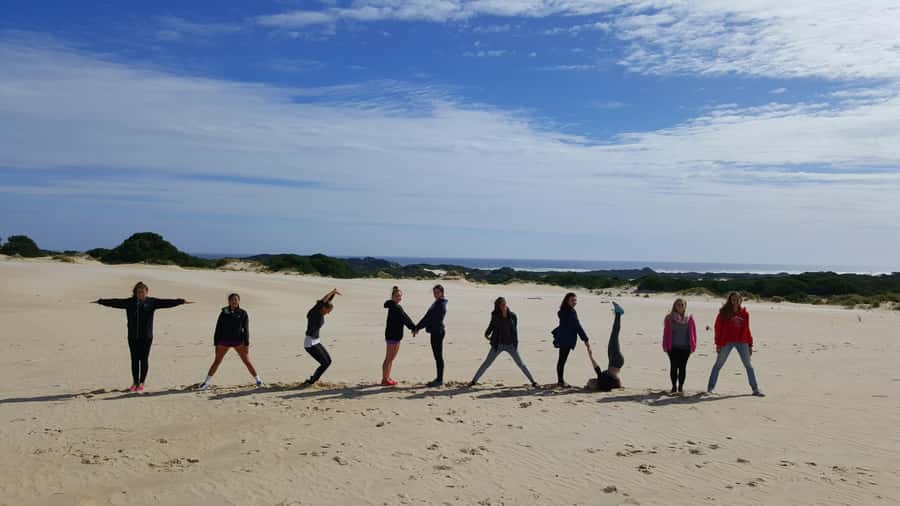
Day 6 shifts from national parks to animals and built heritage. At Bonorong Wildlife Sanctuary, you meet Tasmanian devils and learn about one of Tasmania’s most recognizable animals. The sanctuary entry is included, so there is no extra admission decision once you are on tour.
This is a useful addition because wild devil sightings are not something you can count on during road trips. Bonorong gives you a much more reliable way to see the animals and understand their place in Tasmania’s wildlife story.
Richmond follows, with its historic village setting. The stop adds colonial-era architecture and a slower town visit after the sanctuary. It is especially worthwhile if you enjoy seeing how Tasmania’s past appears in ordinary streets and buildings, not only in formal museums.
Back in Hobart, the group visits favorite spots on Mount Wellington, known in palawa kani as kunanyi. The mountain gives you a broad view over Hobart and the surrounding area when conditions cooperate. You then have an evening free for one of Hobart’s historic pubs or restaurants.
That free evening is valuable. After several early starts, you can choose a proper meal, rest, or do laundry if you need to. One guest found a midweek laundry stop useful for packing lightly, but laundry facilities are not guaranteed at every accommodation.
Day 7: Port Arthur and Crescent Bay
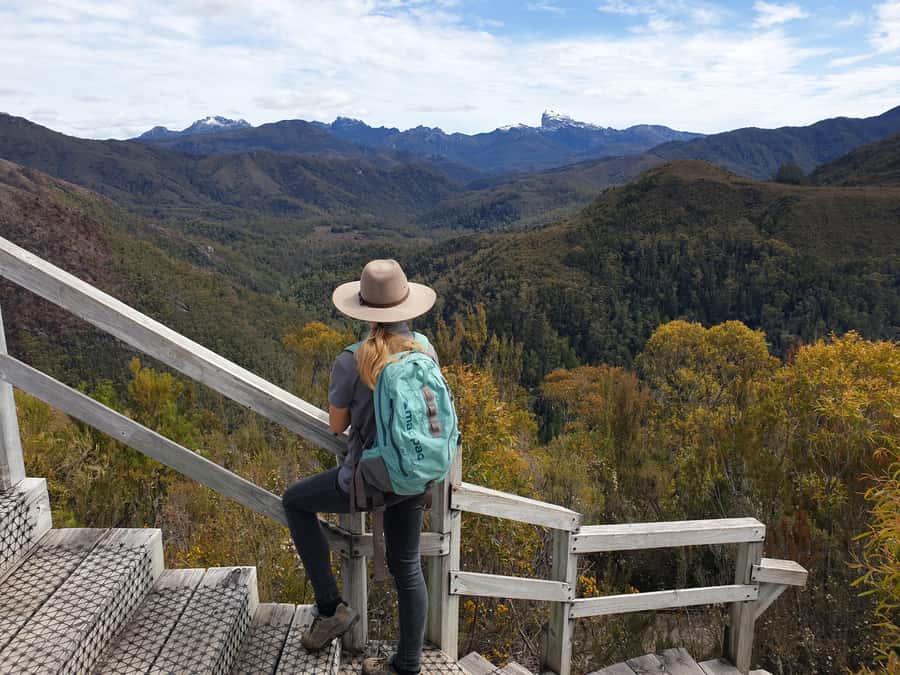
The final day heads to the Tasman Peninsula, also known as turrakana. The coast here is rugged, and the region carries some of Tasmania’s most important convict history.
Port Arthur Historic Site is the main event. Entry and a harbor cruise are included, which strengthens the value of the tour. You can walk among the preserved settlement buildings and hear how the site functioned as a penal colony. The harbor cruise helps you understand the site’s position and the water routes around the settlement.
You then walk to Crescent Bay, a scenic coastal destination that gives the final day a strong outdoor finish. Like the other walks, this is optional, but suitable shoes and a reasonable level of mobility will help.
Returning to Hobart after Port Arthur makes the tour easy to finish if you have a flight or another booking the next day. Airport transfers are not included, and the tour does not pick up from private residences or Airbnbs. You need a centrally located Hobart hotel or hostel for pickup and drop-off, or you will need to use the closest approved meeting point.
Walking levels, transport, and accommodation
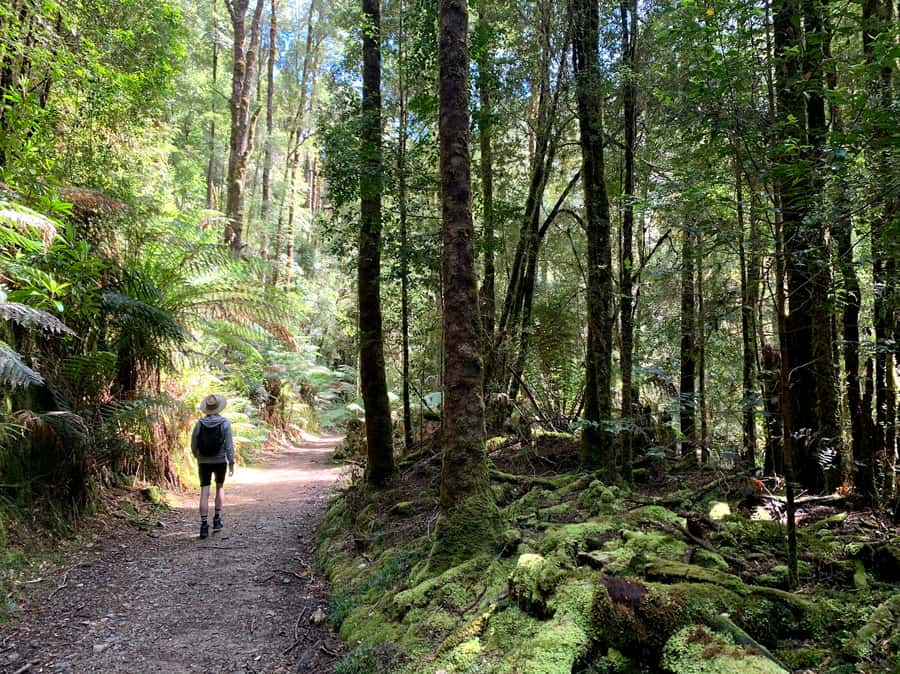
This is an active tour, but it is not one long hard hike. Every day includes short walks, and most are rated easy to moderate. The Russell Falls path is a good example of an easy option. The Dove Lake Circuit shows what moderate means here: hills, rough surfaces, and steps.
You get the most from the tour if you have moderate fitness and good mobility. People with back problems or mobility impairments should think carefully before booking, and children under eight are not accepted.
Transportation is included, with luggage stored in a trailer on travel days. You can bring up to 20 kilograms. The vehicle is practical for a week of road travel, but it is not especially spacious for everyone. A six-foot passenger found the seat a little tight, so taller people should pack carefully and ask about seating if comfort is a concern.
You can choose motel or hostel accommodation. Motel rooms have private rooms with ensuite bathrooms. Hostel choices include same-gender dorms or private twin, double, and single rooms with shared same-gender bathrooms. Twin or double bookings require at least two people.
The lodging appears to vary by stop. A Bicheno stay was singled out as especially good, while a Hobart YHA room was noisy. That is the nature of mixed accommodation: the motel option gives you more privacy, but the hostel option can keep the price lower.
Guides make the long days easier
The guide is central to this experience. Names connected with recent departures include Keygan, Brendon, Hayden, Phil, Lynna, and Evan Thomas. You should not assume a particular guide will lead your departure, but the feedback points to a consistent strength: guides explain Tasmania’s plants, wildlife, culture, and history in an approachable way.
A guide also helps you choose the right walk. That matters at Cradle Mountain, Mount Amos, and other stops where the distance and surface can change the difficulty. Good guidance lets you stretch yourself without treating every hike as a test.
The tour may use one guide for the first five days and another for the final two. Some people prefer one familiar guide throughout, while others will find the change unimportant. Either way, expect the guide to recommend restaurants, grocery stores, and places where you can cook or rest at the end of the day.
Is $973 good value?
At $973 per person, the tour costs more than arranging only accommodation and public transport, but that is not the right comparison. The price includes transportation for a large cross-island route, six nights of accommodation, guided commentary, walks, national park fees, Bonorong entry, Port Arthur entry, and the harbor cruise.
You still pay for meals and drinks, and the Gordon River Cruise is extra. You also need to arrange your own airport transfer and travel insurance. Even with those additions, the tour offers solid value if you would otherwise rent a car, pay park fees, organize several hotels, and plan the route yourself.
The value is strongest for solo visitors and people who do not want to drive long distances. It is less compelling if you already have a car, prefer slow stays in each town, or dislike fixed departure times.
Who should book this Tasmania tour?
I would choose this tour if you want a broad first look at Tasmania and enjoy walking but do not need every day to be strenuous. It works particularly well for solo visitors, couples who want logistics handled, and adults who can manage easy and moderate paths.
You should skip it if you need a fully accessible program, want private luxury lodging, or prefer to spend several nights in one place. The route is active and fairly quick, with early starts and long drives.
For the best experience, bring hiking shoes, warm layers, long pants, a jacket, sunscreen, a hat, sunglasses, a towel, swimwear, and a daypack. Pack within the 20-kilogram luggage limit, and keep the items you need during the day separate from the trailer luggage.
FAQ
How long is the Tasmania west to east tour?
The tour lasts seven days and includes six nights of accommodation.
What is the price per person?
The listed price is $973 per person.
What accommodation choices are available?
You can choose motel or hostel accommodation. Motels provide private rooms with ensuite bathrooms. Hostel options include same-gender dorms or private twin, double, and single rooms with shared same-gender bathrooms.
Are meals included?
No. Food and drinks are not included in the tour price.
Is the Gordon River Cruise included?
No. The Gordon River Cruise is an optional activity at your own expense.
What fitness level do I need?
The tour includes short walks every day, with most classified as easy to moderate. Moderate fitness and good mobility help you make the most of the walking choices.
Can I skip a walk?
Yes. All walks are optional, and you can choose among different walking options where available.
Is pickup included?
Pickup and drop-off are included from centrally located hotels and hostels in Hobart. Pickup is not available from Airbnbs or private residences.
How much luggage can I bring?
You can bring up to 20 kilograms of luggage, which is stored in a trailer during travel days.
Should you book it?
Book this tour if your goal is to see Tasmania’s major natural and historic sights in one organized week. The combination of Cradle Mountain, Wineglass Bay, the Bay of Fires, Bonorong, Port Arthur, and the west coast gives you a remarkably broad introduction for the price.
Go in knowing that this is a road trip with walks, not a restful resort holiday. Choose motel lodging if privacy matters, budget extra for meals and perhaps the Gordon River Cruise, and expect a different guide during the final two days. If those conditions suit you, this is a practical, sociable, and well-priced way to get a first taste of Tasmania.
Just added around Hobart
- kunanyi/Mt Wellington Explorer Bus – One Way Tour★ 5.0 · 63 reviews
- nipaluna (Hobart) Highlights Day Tour★ 5.0 · 33 reviews
- Full-Day Tour to Wineglass Bay from Hobart★ 5.0 · 122 reviews
- kunanyi/Mt Wellington Tour & Hobart Hop-On Hop-Off Bus★ 5.0 · 275 reviews
- Private Wine and Beverage Tours in Tasmania★ 5.0 · 66 reviews
- Hobart: Waterfalls, Wilderness & Wildlife – Active Day Tour★ 5.0 · 22 reviews
- Hobart: Wineglass Bay & Freycinet National Park – Active Day Tour★ 4.5 · 142 reviews
- 10 Days Ultimate Guided Tour of Tasmania – Comfort Tour★ 5.0 · 29 reviews
7-Day Experiences, compared.

Barossa Premium Wine Tasting Tour & lunch Departs 7 days a week
Read our review →
7-Day Exmouth Explorer via Pinnacles Monkey Mia Ningaloo Reef returning to Perth
Read our review →
Movie World, Sea World & Wet’n’Wild 7-Day Pass
Read our review →
7 Day Exmouth Explorer & Ningaloo Reef Return Perth
Read our review →
7-Day Super Value Tour of Tasmania: Explore Tasmania’s West and East Coasts
Read our review →
7 Day Adelaide to Uluru Adventure and Cultural Tour
Read our review →
7 Day Uluru to Adelaide Cultural and Adventure Tour
Read our review →Browse the lists this tour appears in