
Reviewed · ULURU & OUTBACK TOURS
3 Day Red Centre Kata Tjuta Kings Canyon Outback ex.Alice Springs
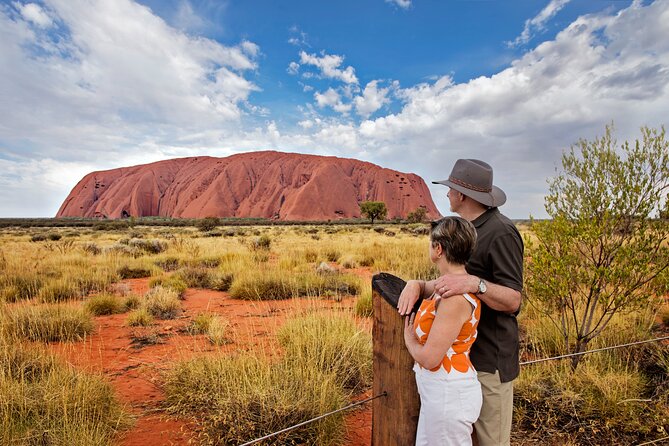
Uluru may be the headline, but the best part of this three-day Red Centre trip is the way it links three great outback sights without making you arrange transport, park entry, meals, or camping gear on your own. You get sunrise at Uluru, the huge folds of Kata Tjuta, and the sheer walls of Kings Canyon in one hard-working loop from Alice Springs.
I like the choice between a traditional bush swag under the stars and a safari tent with a mattress, pillow, and linen. I also like the camp routine: simple meals, campfires, and shared jobs give the trip a friendly road-trip feel. The catch is that this is a physical tour, not a bus ride with occasional photo stops. Early starts, long drives, heat, and walks of around 6 to 8 kilometres demand decent fitness.
In This Review
- Key points before you book
- Why this three-day route works
- Day one: from Alice Springs to Uluru
- Day two: Uluru sunrise and Kata Tjuta’s stone valleys
- Day three: the Kings Canyon Rim Walk
- Camping, food, and the social side
- What to pack for the Red Centre
- Who will get the most from this trip
- Is $570.93 good value?
- Should you book it?
- FAQ
- Where does the tour start?
- Where does the tour finish?
- How long is the tour?
- Which places does the tour visit?
- Are meals included?
- Is drinking water provided?
- What sleeping choices are available?
- Is a sleeping bag included?
- How fit do I need to be?
Key points before you book
- Uluru, Kata Tjuta, and Kings Canyon in three days: This is a compact way to see the Red Centre’s major sights from Alice Springs.
- Two very different nights outdoors: Choose a traditional swag or a safari tent, depending on how close you want to sleep to the desert sky.
- Guided walks are central to the trip: Expect bush walks at Kata Tjuta and Kings Canyon, with fitness requirements worth taking seriously.
- Meals and park entry are included: Two breakfasts, two dinners, three lunches, drinking water, bedding, and the national park pass are covered.
- Guides shape the experience: Guides including Ben, Jemima, Donk, Lea, Jenn, Josie, and Ash have been praised for friendliness, safety, and local knowledge.
- Small enough to feel social: The vehicle carries up to 23 people, and you help with cooking, cleaning, and loading.
Why this three-day route works
Central Australia is vast. Distances that look modest on a map can consume much of a day, and independent visitors often need to sort out a rental car, park fees, food, water, camping supplies, and route planning. This tour bundles those practical tasks into one moving camp.
The price is $570.93 per person. That is not a budget day trip, but it covers two nights of accommodation, all listed meals, drinking water, bedding, a national park pass, transport, and an accredited driver-guide. You are also paying for access to a route that is awkward to manage without your own vehicle.
The value is strongest if you want to see all three major sites but do not want to drive long distances in the Outback. It is less compelling if you prefer private rooms, slow mornings, or choosing exactly how long to spend at every stop.
The group size can reach 23 people. That is large enough to create a lively campfire, though not so large that the trip becomes a convoy of buses. Your attitude matters. You will be asked to help prepare meals, clean up, and load or unload the vehicle. Think of it as joining a travelling camp rather than checking into a hotel.
More Uluru & Outback Tours in Alice Springs
- From Alice Springs: Day Trip to Uluru with BBQ Dinner
★ 4.6 · 761 reviews - Ayers Rock Day Trip from Alice Springs Including BBQ Dinner
★ 4.5 · 639 reviews - Early Morning Ballooning in Alice Springs
★ 5.0 · 426 reviews
Day one: from Alice Springs to Uluru
The day begins at 6:00 am, with the stated starting point at Alice Springs Hotel on Leichhardt Terrace. Pack breakfast expectations accordingly, since the supplied meals begin as part of the tour schedule, and bring a water bottle for the drinking water provided on board.
The first long run takes you toward Uluru. A stop at Mount Connor gives you a scenic view of the broad red-centre country and the formation often called False Uluru. It is a useful early lesson in scale. From a distance, several desert formations can look similar, and Mount Connor helps explain why the region can fool the eye.
Uluru is more than a famous rock for a quick photograph. Its size, changing colour, and importance to Aboriginal culture make it the emotional centre of the trip. The itinerary includes learning about local Aboriginal culture, so pay attention during the guide’s commentary rather than treating the stop as a simple viewpoint.
The long first day is part of the bargain. You cover serious ground from Alice Springs, then settle into a permanent outback campsite near Uluru. A sunset viewing is one of the key moments, as the changing light brings out different tones in the rock.
At camp, you will not simply eat and disappear into your sleeping space. The group helps with food preparation and clean-up. That may sound like a chore after a full day, but it also gives you a quick way to learn names and settle into the group. Several guides have been praised for creating a relaxed, safe atmosphere, and that matters when strangers are sharing a campsite.
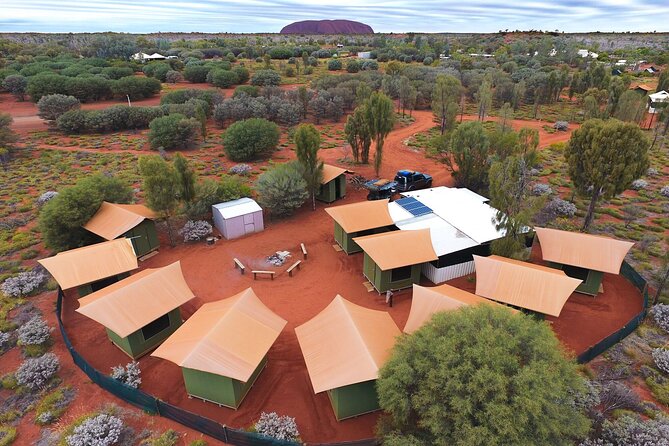
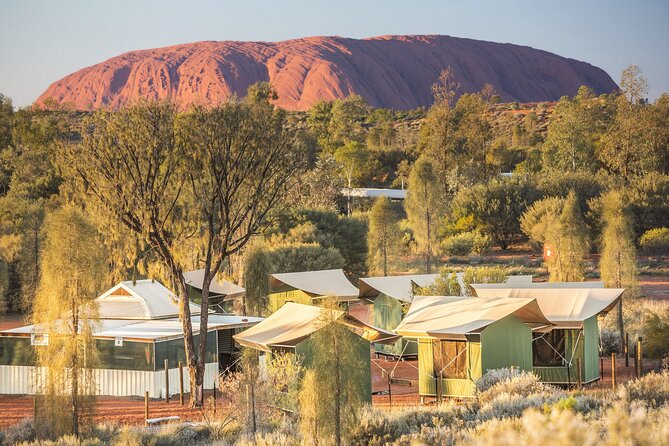
You can choose a traditional bush single swag, or the safari tent option, which includes a mattress, pillow, and bed linen. A swag is the more memorable choice if you want an open-air night. The safari tent makes more sense if you want a little structure and a proper bed setup. Sleeping bags are not included, but you can hire one for A$40, including cleaning.
Bring a headlamp. One useful packing tip is easy to overlook: campsite lighting is not the same as having a torch beside you when you need to find your toiletries or move around after dark. You should also pack personal toiletries, since they are not supplied.
Day two: Uluru sunrise and Kata Tjuta’s stone valleys
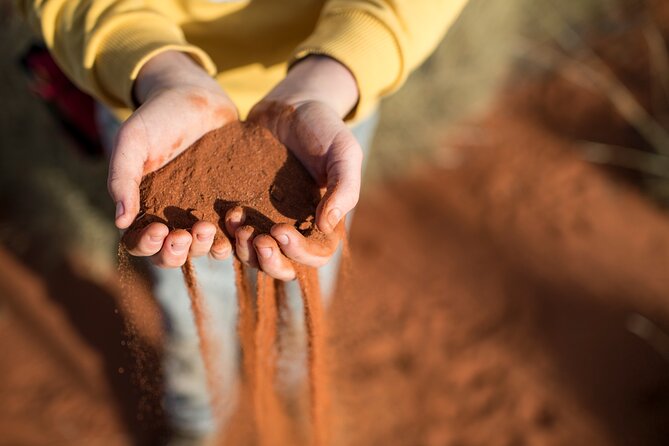
Day two starts before dawn. That is tough, but it puts you in the park for sunrise at Uluru-Kata Tjuta National Park, when the light shifts across the rock and surrounding desert. An early start also protects the main walking time from some of the day’s heat, though you should still expect demanding conditions.
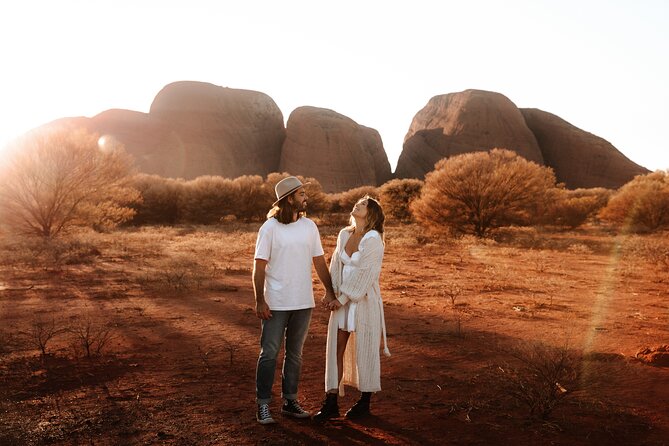
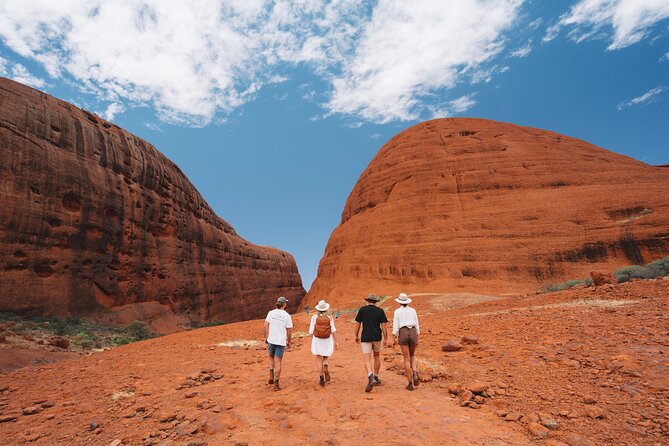
The day then turns to Kata Tjuta, also called The Olgas. Its rounded domes feel different from Uluru. Instead of one dominant monolith, you see a cluster of enormous rock forms with deep gaps and valleys between them.
The guided walk here is one of the trip’s real strengths. You are not limited to looking from a coach window. The path brings you into the folds of the formation, where the scale becomes easier to grasp. The exact walking conditions can vary, and the total guided walking is listed at roughly 6 to 8 kilometres, subject to fitness level.
A guide such as Jemima can add real value here. Her commentary has been praised for covering Alice Springs, Outback survival, plants, animals, and the practical demands of the environment. Guides named Ben, Lea, Jenn, Josie, Donk, and Ash have also been singled out for being friendly, organised, informative, or reassuring. That range of names suggests your guide will depend on the departure, but the guide’s role is central to the trip.
Take the fitness warning seriously. The operator requires a moderate to advanced level of fitness for the walks, and you should tell the booking agent about medical conditions before departure. Anyone over 75 needs a doctor’s certificate provided 30 days before travel.
Kata Tjuta is also a good place to notice the tour’s balance between nature and culture. You get physical access to the country, but the guide’s explanation helps put what you see into a wider Aboriginal and environmental setting. The value is not just reaching a viewpoint. It is understanding why these places matter.
After Kata Tjuta, the tour continues through the Red Centre and settles at a permanent campsite near Kings Canyon for the second night. Depending on your accommodation choice and the arrangements for your departure, you may spend one night in a safari tent and another in a swag. Confirm the exact camping setup when booking if that distinction matters to you.
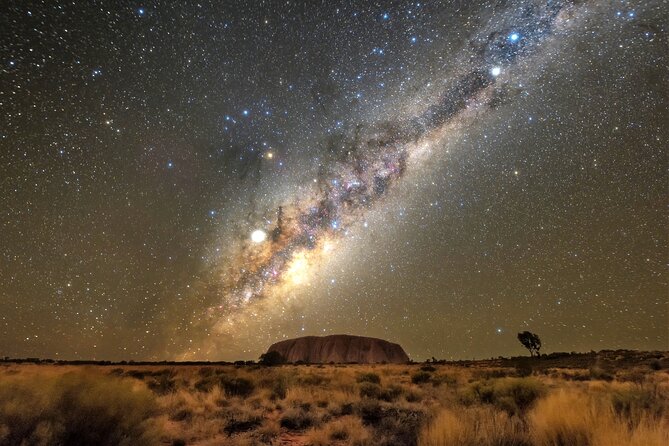
Another campfire follows. The Outback sky is one of the tour’s most memorable features, especially away from city light. Still, camping is camping. You should be comfortable with basic facilities and the possibility of a late night followed by an early morning.
Day three: the Kings Canyon Rim Walk
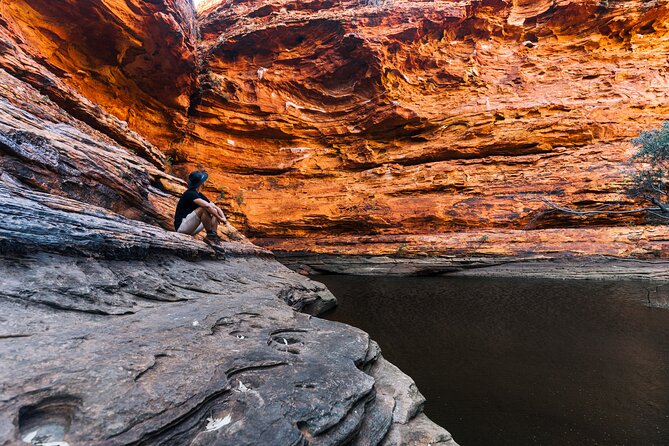
Kings Canyon brings the trip to its most strenuous walking day. The canyon is known for dramatic sandstone formations and cliffs around 100 metres high. The Rim Walk is described as the highlight of Watarrka National Park, and it is the part of the itinerary most likely to reward people who enjoy a proper hike.
The scenery changes as you gain height, with wide views across the canyon country and close views of the sandstone walls. The scale is different again from both Uluru and Kata Tjuta. Uluru gives you one great mass, Kata Tjuta gives you domes and valleys, while Kings Canyon gives you height, edges, and a more rugged walking experience.
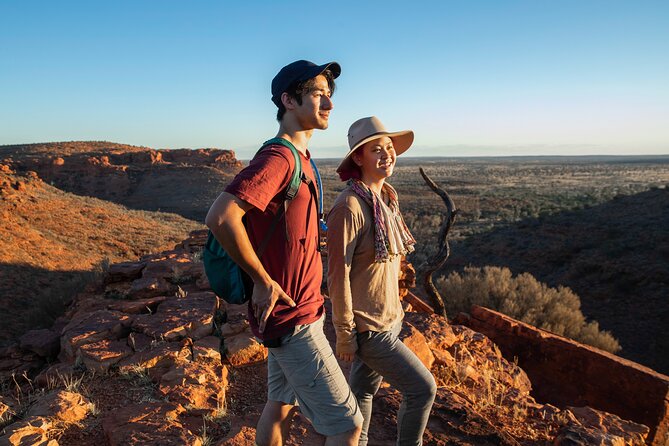
This is where footwear, water, and fitness matter most. Wear sturdy walking shoes and use the supplied drinking water, while bringing your own refillable bottle. The tour vehicle carries water, but you need a bottle to drink from.
Do not view the Rim Walk as a minor add-on. The route can be demanding, and the operator specifically says a medium to high level of fitness is needed. If you are unsure about your ability to manage the walk, ask for current details before booking. The tour is designed around guided bush walks, so someone seeking only easy sightseeing should choose a gentler itinerary.
The guide’s commentary also helps here. A good driver-guide does more than point out rock formations. The guide manages timing, explains the country, keeps the group together, and helps you handle the basic demands of remote travel. The strongest feedback about this tour repeatedly highlights organisation, friendliness, safety, and practical information. Those qualities are worth more than polished speeches when you are tired, hot, or trying to judge a difficult section of trail.
After Kings Canyon, the trip returns toward its ending point. The tour concludes in Alice Springs, with drop-off in Uluru, Ayers Rock, or Yulara available on selected days and subject to shuttle availability. You must confirm your preferred ending when booking. That option can be useful if you are continuing your Red Centre trip from Yulara, but do not assume it is available on every departure.
Same coast, a completely different day out:
- West MacDonnell Ranges Day Trip from Alice Springs
★ 4.5 · 364 reviews - Alice Springs: Early Morning Hot Air Balloon Flight
★ 4.9 · 243 reviews - Uluru, Kata Tjuta and Kings Canyon Camping Safari from Alice Springs
★ 5.0 · 162 reviews - Alice Springs Desert Park General Entry Ticket
★ 5.0 · 150 reviews
Camping, food, and the social side
The food plan is generous for a three-day camping tour: two breakfasts, two dinners, and three lunches. Drinking water is provided on board. You still need to cover any food not listed in the itinerary, along with personal expenses.
Dietary needs must be given at booking. Remote travel limits what the operator can source after the vehicle leaves, so last-minute requests may be difficult to meet. If you need a special diet, do not leave the matter until departure morning.
The shared work is worth understanding before you pay. You will help with meal preparation, cleaning, and vehicle loading or unpacking. For some people, this is exactly what makes the trip feel like a road trip with friends. For others, it may be an unwelcome obligation after a full day of walking.
The campsites are permanent outback campsites, not a claim of total wilderness camping. The experience is still strongly outdoors-focused, with campfires and open skies, but you should not expect a hotel standard of privacy or service.
What to pack for the Red Centre
You need to pack light enough for a small group vehicle, but you also need to be ready for heat, darkness, and basic camping.
- A refillable water bottle
- Sturdy walking shoes
- A headlamp or torch
- Toiletries
- Sun protection and suitable walking clothes
- A sleeping bag, or the A$40 hire option
- Personal items for two nights outdoors
A sleeping bag is not included in the listed inclusions. Bedding is supplied with the safari tent option, while the swag option includes a traditional bush single swag. Ask about the sleeping arrangement you want when you book, rather than assuming the two options are interchangeable.
Internet signal may be better than expected in parts of the route, but this is still a remote-area trip. Plan to spend most of your attention on the scenery, the walks, and the people around the campfire.
Who will get the most from this trip
I would choose this tour if you want the major Red Centre sights but have only three days. It suits active visitors who enjoy walking, shared meals, camping, and a guide who handles the route and logistics.
It is also a good match for solo visitors. The group tasks and campfire routine make it easier to meet people, and groups can include a mix of ages and nationalities. You should be comfortable with that social setup, since personal space is limited compared with a private room.
Families and older visitors need to assess the walking requirements carefully. Children are not ruled out by the supplied information, but the fitness demands remain important. Anyone over 75 needs the required doctor’s certificate, and all medical conditions should be reported at booking.
I would look elsewhere if you dislike early starts, long road sections, sleeping outdoors, or helping with camp duties. The tour packs in a great deal, but it does not offer much spare time.
Is $570.93 good value?
At $570.93, the tour is priced as an all-in Red Centre experience rather than a simple sightseeing transfer. The fee includes the national park pass, transport, an accredited driver-guide, two nights at permanent campsites, bedding options, three lunches, two breakfasts, and two dinners.
You also save yourself the cost and hassle of organising a vehicle and supplies for a route covering Alice Springs, Uluru, Kata Tjuta, and Kings Canyon. That is where I see the strongest value.
The extras are modest but worth adding to your budget. A sleeping bag costs A$40 to hire. Personal expenses, unlisted meals, and travel insurance are not included. If you are comparing prices, check that other options include park entry, meals, camping equipment, and the same three major sites.
Should you book it?
Book this tour if you want a high-energy Red Centre sampler with proper walks, campfires, and a strong sense of shared adventure. The combination of Uluru at sunrise and sunset, Kata Tjuta’s valleys, and Kings Canyon’s Rim Walk gives you a varied three days rather than three versions of the same viewpoint.
The main decision is not the scenery. It is your comfort with the pace. You leave early, walk seriously, camp simply, and help run the camp. If that sounds like part of the fun, the price makes good sense. If you want quiet mornings and soft beds, choose a slower, more comfortable trip.
FAQ
Where does the tour start?
The tour starts at 6:00 am from Alice Springs Hotel, 11 Leichhardt Terrace, Alice Springs.
Where does the tour finish?
The tour ends in Alice Springs. On selected days, drop-off may be available in Uluru, Ayers Rock, or Yulara, depending on shuttle availability. Confirm your preferred ending when booking.
How long is the tour?
The experience lasts approximately three days, with each itinerary day scheduled for about 12 hours.
Which places does the tour visit?
The route includes Mount Connor, Uluru, Kata Tjuta, and Kings Canyon.
Are meals included?
Yes. The package includes two breakfasts, two dinners, and three lunches. Any meal not listed in the itinerary is not included.
Is drinking water provided?
Yes. Drinking water is provided on board, but you need to bring your own reusable bottle.
What sleeping choices are available?
You can choose a traditional bush single swag or a safari tent. The safari tent option includes bed linen, a mattress, and a pillow.
Is a sleeping bag included?
No. A sleeping bag can be hired for A$40 per person, including cleaning costs. Advise the booking agent if you need one.
How fit do I need to be?
You need a moderate to advanced level of fitness for the walks, with a medium to high level of fitness required overall. The guided walks cover roughly 6 to 8 kilometres, subject to fitness level. The operator must be told about medical conditions at booking, and people over 75 need a doctor’s certificate provided 30 days before travel.
More 3-Day Experiences in Alice Springs
- Dingos 3 Day K’Gari (Fraser Island) 4WD Tag-Along Tour
★ 5.0 · 939 reviews - Rainbow Beach: 3-Day K’gari (Fraser Island) 4WD Adventure
★ 4.8 · 635 reviews - Uluru Kata Tjuta & Kings Canyon 3-Day 2-Night Camping Tour
★ 4.7 · 183 reviews - Margaret River 3 Day Escape
★ 5.0 · 182 reviews
Just added around Alice Springs
- Uluru, Kata Tjuta and Kings Canyon Camping Safari from Alice Springs★ 5.0 · 162 reviews
- West MacDonnell Ranges Day Trip from Alice Springs★ 4.5 · 364 reviews
- West MacDonnell Ranges & Standley Chasm Day Trip from Alice Springs★ 5.0 · 67 reviews
- Alice Springs Desert Park Nocturnal Tour★ 5.0 · 45 reviews
- Alice Town And Country Half Day Sunset Tour – Small Group★ 4.5 · 24 reviews
- Alice Springs to Uluru (Ayers Rock) Coach Transfer★ 4.5 · 39 reviews
- West MacDonnell Ranges Half day Tour -Small Group★ 4.5 · 99 reviews
- Alice Springs Desert Park General Entry Ticket★ 5.0 · 150 reviews
Uluru & Outback Tours, compared.

Drover’s Sunset Cruise includes Smithy’s Outback Dinner and Show
Read our review →
Ayers Rock Day Trip from Alice Springs Including BBQ Dinner
Read our review →
Uluru & Kata Tjuta 25-Minute Helicopter Experience
Read our review →
Browse the lists this tour appears in