
Reviewed · 3-DAY EXPERIENCES
From Darwin: 3-Day Kakadu and Litchfield 4WD Camping Tour
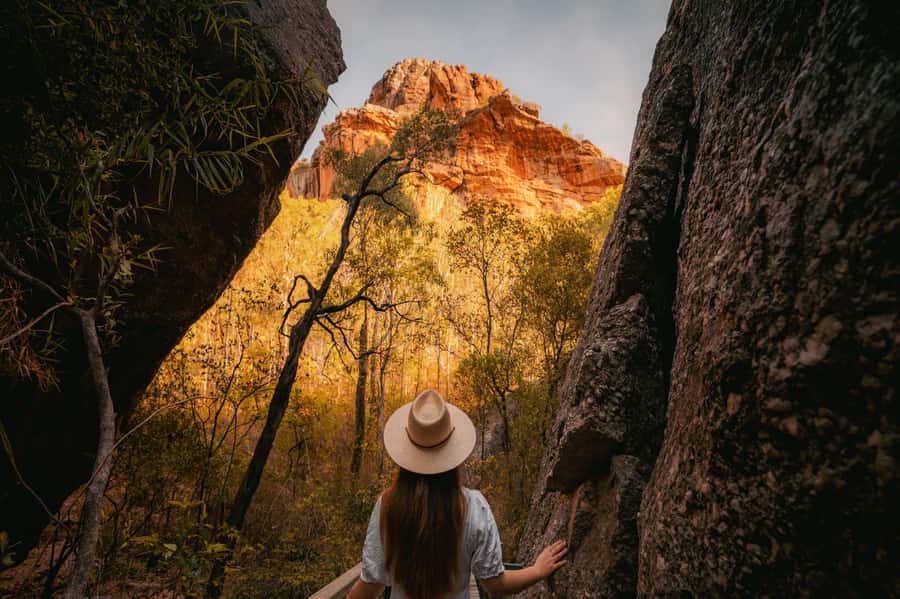
Kakadu’s ancient rock art, crocodile country, and huge floodplains are the heart of this three-day 4WD camping trip from Darwin. You also get Litchfield’s waterfalls and rock pools, so the tour packs two of the Top End’s best national parks into one well-planned outing.
I like the mix of Aboriginal culture and wild scenery, especially the sunset at Ubirr and the chance to see Kakadu through a guide who can explain its living traditions. I also like the swimming stops at Florence Falls, Buley Rockhole, Wangi Falls, or one of Kakadu’s seasonal falls. The catch is the pace: you cover about 1,070 kilometres by road, and the walks can be steep, hot, and demanding.
In This Review
- Key points at a glance
- Why this three-day trip works
- Day one: Corroboree Billabong to Ubirr
- Day two: Kakadu’s waterfalls and rock pools
- Day three: Litchfield’s swimming stops and termite mounds
- The guide makes the difference
- Camping, meals, and what to pack
- Fitness and safety in the Top End
- Is $810 good value?
- Should you book it?
- FAQ
- Where does the tour meet in Darwin?
- Is hotel pickup included?
- How long is the tour?
- What accommodation is provided?
- Is a sleeping bag included?
- What meals are included?
- What is the longest driving day?
- How much walking is involved?
- Can children join the tour?
- Can I cancel for a full refund?
Key points at a glance
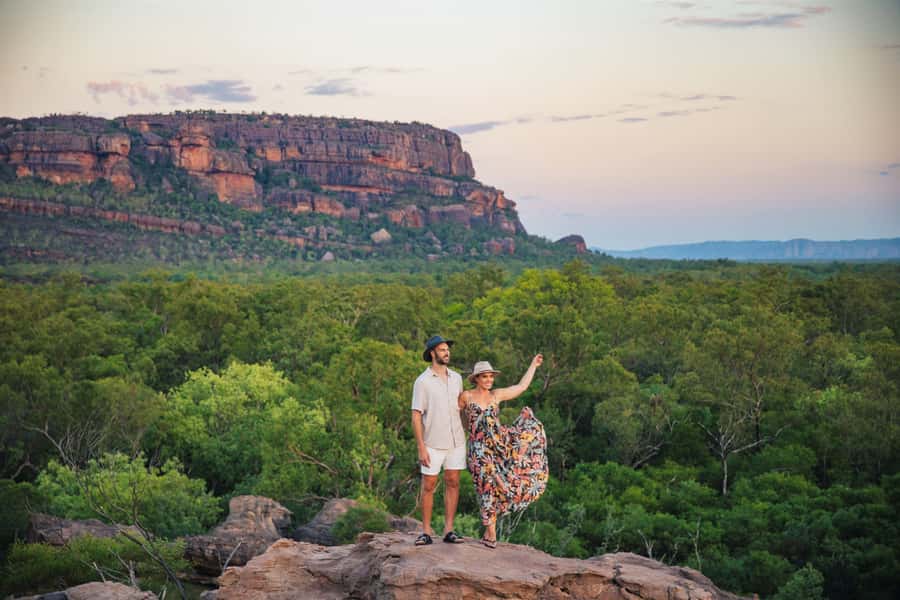
- Ubirr at sunset: View ancient Aboriginal rock art before looking across the Nadab Floodplain at day’s end.
- Cahills Crossing: Watch for crocodiles and barramundi at a famous crossing between Kakadu and Arnhem Land, when conditions allow.
- Wetland wildlife cruise: Begin with a Corroboree Billabong cruise through one of the Top End’s best-known wetland areas.
- Waterfall country: Swim at selected Kakadu and Litchfield sites, with the exact stops shaped by seasonal conditions.
- Two camping styles: Choose a permanent tent with bedding supplied, or sleep in an Australian bush swag.
- Serious walking: Expect roughly 9.5 kilometres in total, often across rocky ground, steep sections, direct sun, and high humidity.
Why this three-day trip works
This tour gives you a useful first look at two large national parks without asking you to plan every road, campsite, entry fee, and swimming stop yourself. The 4WD bus matters here. Roads and tracks can be rough, and an experienced driver-guide can make the long distances feel more purposeful.
The strongest part is the balance between nature and culture. You are not simply ticking off waterfalls. At Bowali Visitor Center, you get an introduction to Kakadu’s wildlife and setting. At Ubirr and possibly Nourlangie, Aboriginal rock art gives the country a human story that reaches back thousands of years.
I also like the way the trip uses water. A wetland cruise, monsoon forest walks, plunge pools, and Litchfield’s falls keep the days varied. After a hot walk, a swim can be exactly what you need.
Still, this is not a relaxed sightseeing bus. Day one covers about 420 kilometres, day three about 500, and the group leaves Darwin at 6:30 in the morning. You need to be comfortable with long drives, basic camping, early starts, and heat.
A few more Darwin trips to weigh up
- 3-Day Kakadu & Litchfield 4WD Camping Adventure from Darwin
★ 5.0 · 69 reviews - 3 Day Kakadu & Litchfield 4WD Expedition
★ 4.5 · 61 reviews - Dingos 3 Day K’Gari (Fraser Island) 4WD Tag-Along Tour
★ 5.0 · 939 reviews
Day one: Corroboree Billabong to Ubirr
Meet outside the front gates of The Leea Darwin on Cavenagh Street by 6:30 a.m. There is no hotel pickup or drop-off, so plan your accommodation and morning walk accordingly. Keep your main bag small because storage is limited to one travel bag of up to 15 kilograms and one day bag of up to 5 kilograms.
The first major stop is a Corroboree Billabong Wetland Cruise. This is a good opening act for the Top End, since you are looking for wildlife from the water rather than from a roadside pullout. You might see crocodiles, waterbirds, and other wetland wildlife, though sightings are never guaranteed.
From there, the bus continues into Kakadu National Park. A stop at Bowali Visitor Center helps you understand the park before you start walking through it. The center introduces the area’s wildlife, natural features, and Aboriginal culture, making it more useful than rushing straight to a photo stop.
The afternoon heads north toward Cahills Crossing, when conditions permit. The crossing marks the boundary between Kakadu and Arnhem Land and is famous for crocodiles. You may also watch for barramundi in the water. This is a place for patient observation, not casual wandering near the edge, so follow the guide’s instructions closely.
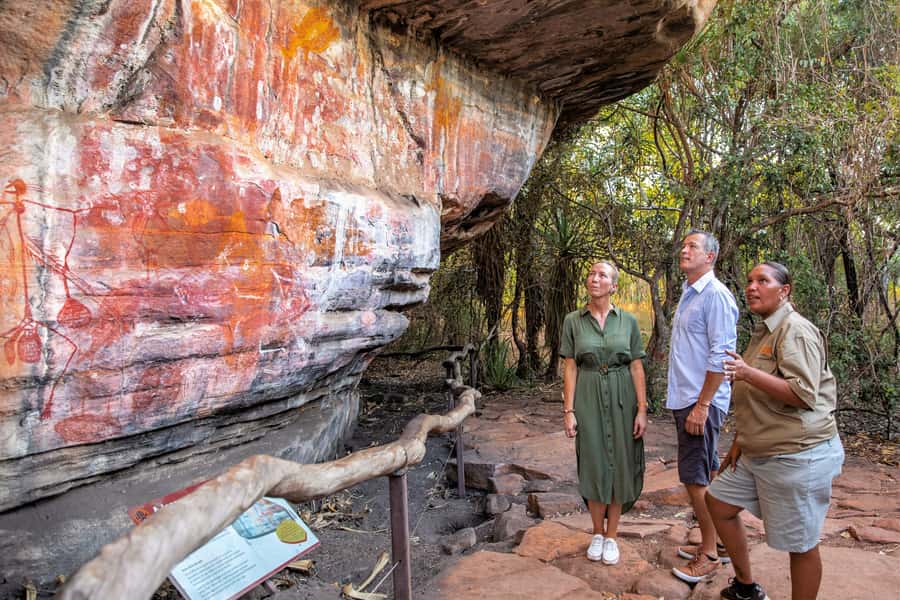
Ubirr is the day’s big cultural stop. Short walks lead to one of the world’s best-preserved collections of Aboriginal rock art, with images dating back thousands of years. The scheduled walk is about 1 kilometre, graded 2 to 3, but heat and uneven surfaces still matter.
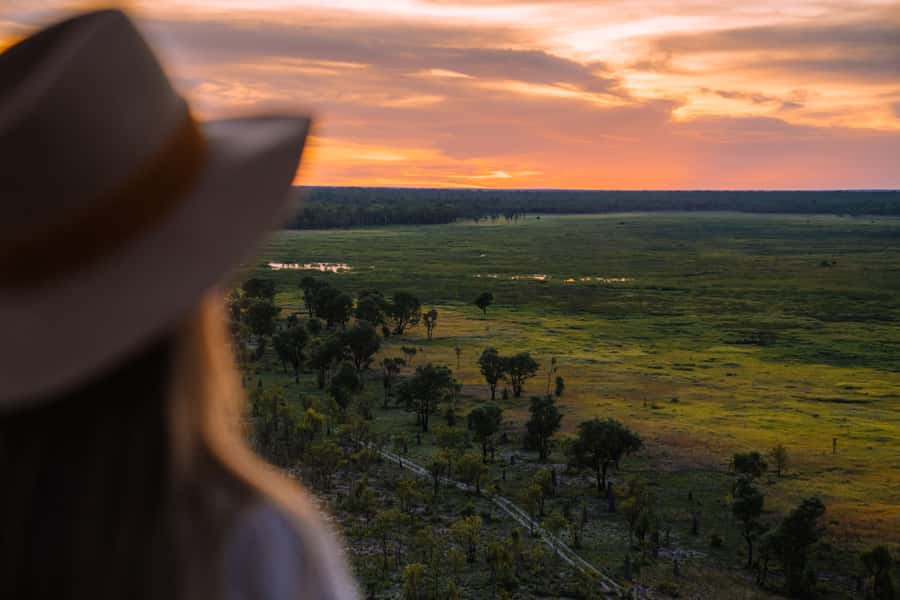
The reward comes late in the day, when Ubirr offers views over the Nadab Floodplain. The combination of rock shelters, open floodplain, and fading light gives the stop real atmosphere. Your guide can also help explain how the paintings relate to the country and Aboriginal culture rather than treating them as decoration on a wall.
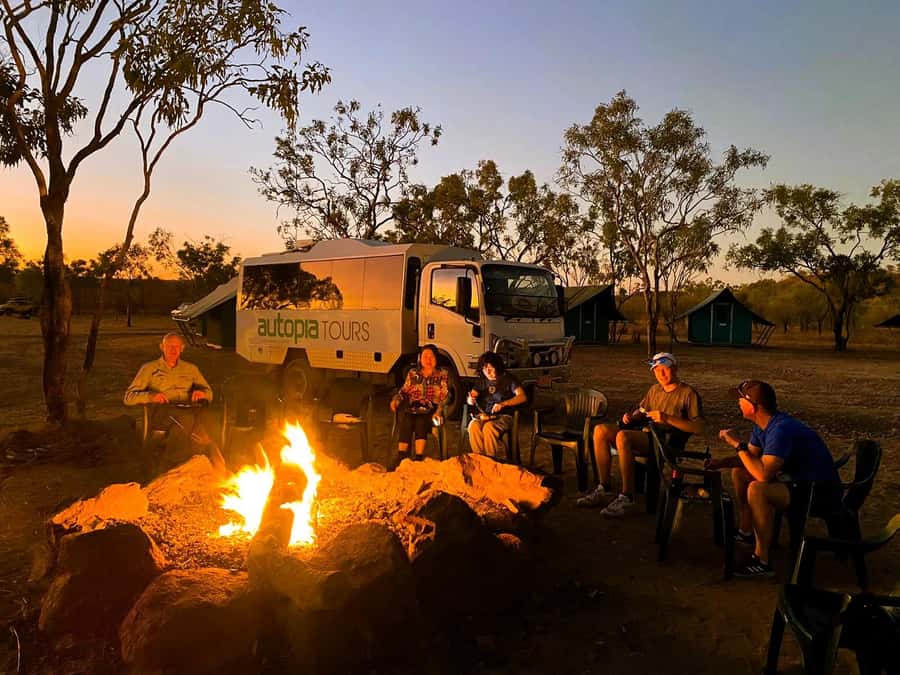
You then return to Jabiru Campground for dinner and your first night outdoors. Accommodation is in a permanent tent or an Australian bush swag, with communal bathroom facilities. A swag is a canvas-covered bed roll, a distinctly Australian camping option. A sleeping bag is not included, though you can hire one through the operator for $40.
Day two: Kakadu’s waterfalls and rock pools
Day two begins early. That is sensible in Kakadu, where heat and humidity can make an afternoon walk much harder. The exact route depends on road access and conditions, so the program may include Motor Car Falls, Moline Rockhole, Maguk, also called Barramundi Gorge, or Jim Jim Falls.
This flexibility is important. Seasonal access can affect which falls are safe and reachable, and the guide makes the final call. You should think of the listed sites as a strong range of possibilities rather than a promise that every one will be visited.
The walks range from about 1.5 to 4 kilometres and can reach Grade 5. Expect steep rocky sections, hot sun, and humid conditions. The reward is a different side of Kakadu: monsoon forest, escarpments, clear plunge pools, and waterfalls framed by stone.
Jim Jim Falls is a likely favorite if conditions allow, especially for anyone who enjoys dramatic scenery and a more active walk. Maguk offers a gorge and swimming setting, while Motor Car Falls and Moline Rockhole provide other possible ways to cool off. Bring swimwear, a towel, quick-dry clothes, and shoes with a firm grip.
Nourlangie Rock may fit into the day if time permits. Like Ubirr, it combines rock art with a chance to understand how Aboriginal people have lived with and cared for this country over very long periods. Archaeologists have found works dating back more than 20,000 years, so the stop gives your Kakadu visit a useful sense of time.
You return to Jabiru for a second night. The permanent campsite means this is not remote wilderness camping in the strictest sense, but you still get an outdoor setting and simple communal facilities. That distinction matters if you are expecting hotel comforts. It also helps explain why the tour can keep its price and packing requirements manageable.
The food plan includes breakfast, lunch, and dinner on day two. You should still bring or buy any preferred snacks and extra drinks, since additional food and drink are not included. A reusable water bottle is essential.
Day three: Litchfield’s swimming stops and termite mounds
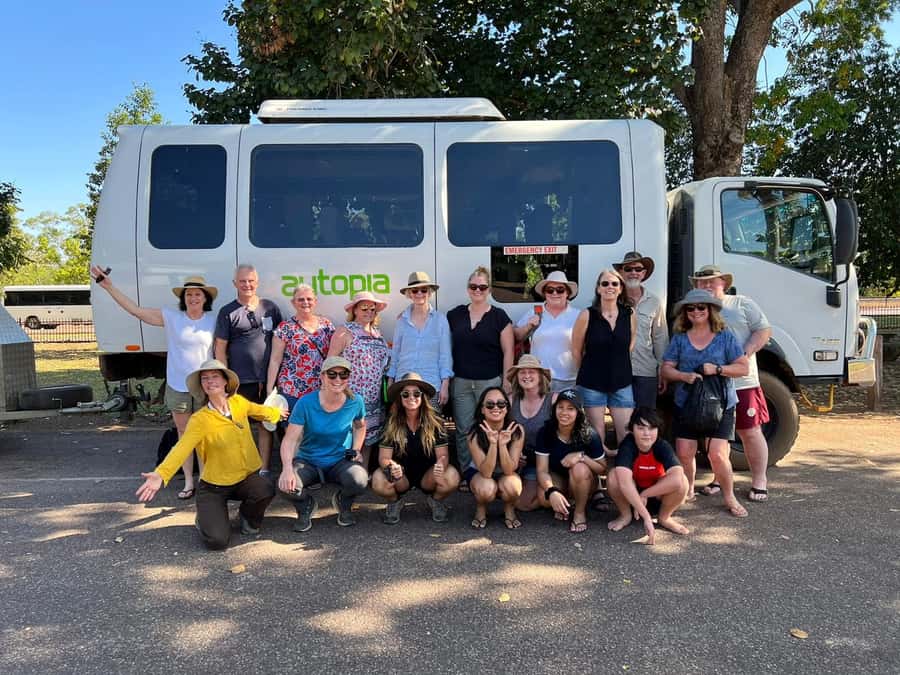
After breakfast, you leave Kakadu and travel toward Litchfield National Park. The road distance is long, about 500 kilometres, so this is another full day rather than a gentle final morning.
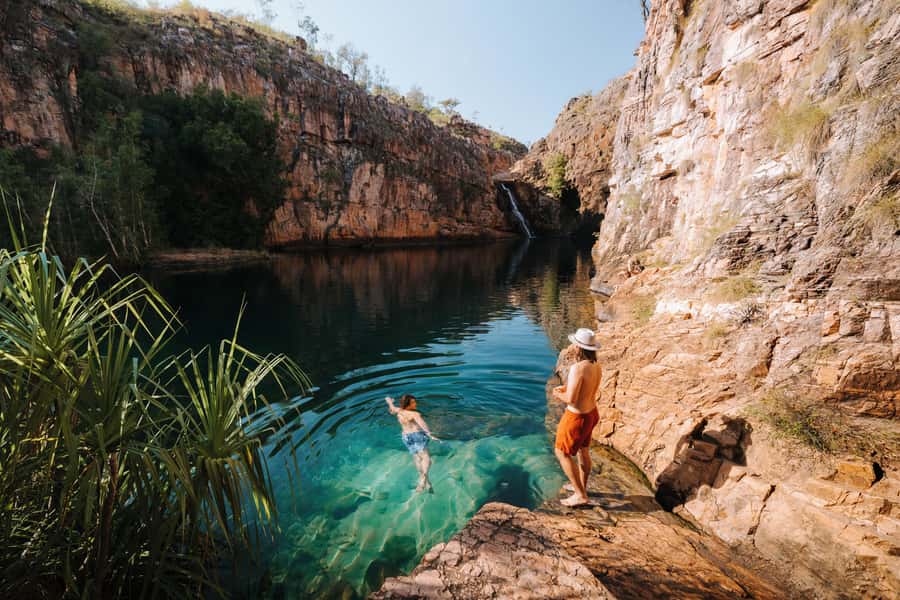
Litchfield changes the mood. Its main appeal is the combination of waterfalls, spring-fed streams, rock pools, and sandstone country. Depending on conditions and the day’s timing, you may stop at Buley Rockholes, Wangi Falls, or Florence Falls.
Buley Rockholes are a series of natural pools suited to cooling off and sitting near running water. Florence Falls offers a more classic waterfall setting, while Wangi Falls is one of the park’s best-known swimming areas. The final selection depends on access and safety, so pack your swim gear where you can reach it during the day.
The swimming stops are more than a pleasant extra. After long drives and exposed walks, water gives the itinerary a welcome reset. You should still pay attention to signs and guide instructions, since safe swimming conditions can change with weather and local conditions.
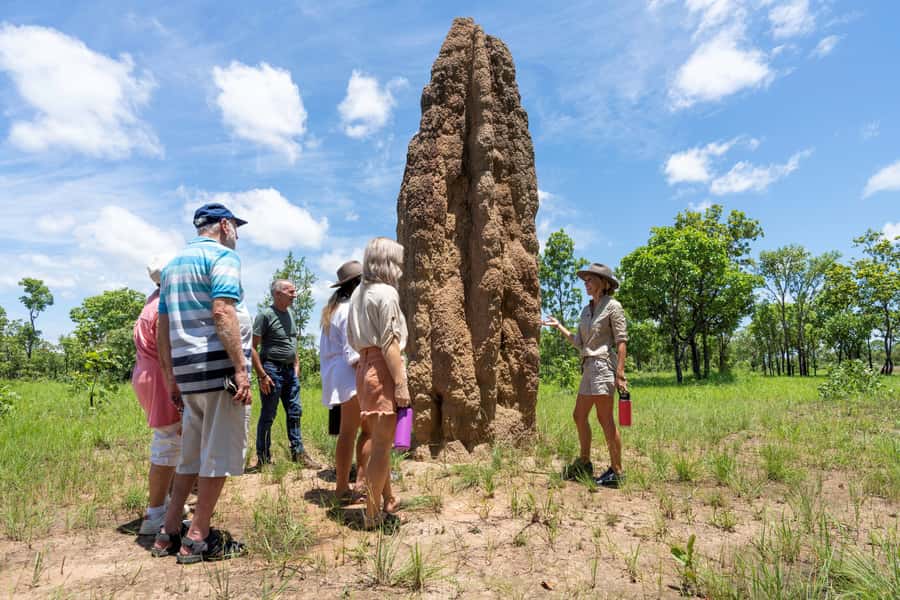
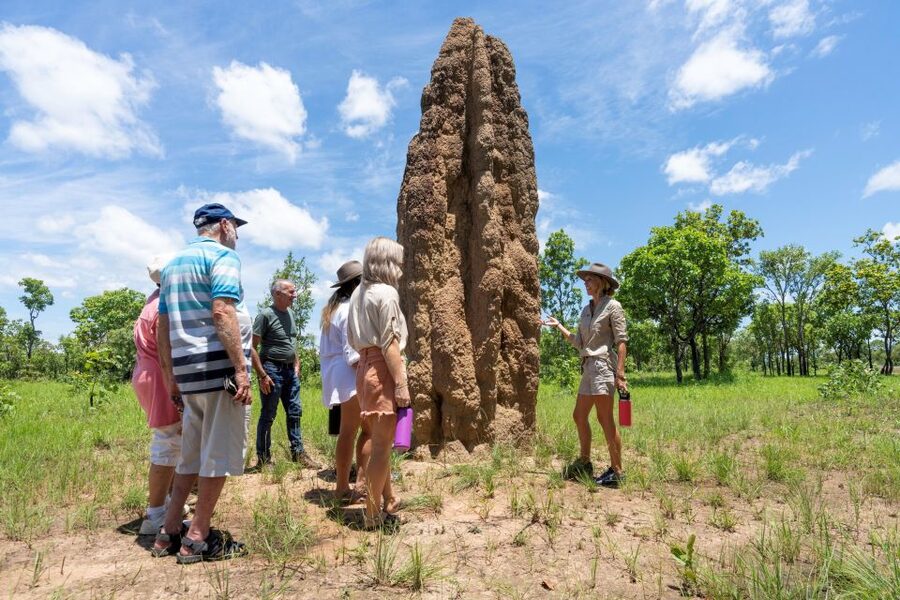
Before returning to Darwin, the tour visits Litchfield’s magnetic and cathedral termite mounds. These tall structures are a reminder that the Top End’s wildlife is not limited to crocodiles and birds. The mounds are a distinct feature of the park and an easy stop after the more strenuous walks.
Arrival back in Darwin is scheduled for around 7 p.m. Do not book a tight onward connection that evening. The drive is long, and road, weather, or vehicle delays can affect the return time.
Same coast, a completely different day out:
- Litchfield National Park and Jumping Crocodile Cruise
★ 5.0 · 2,119 reviews - Adelaide River Cruises – Jumping Crocodile Experience
★ 5.0 · 997 reviews - Sunset 3-Hour Cruise from Darwin with Dinner and Sparkling Wine
★ 5.0 · 980 reviews - From Darwin: Litchfield Park Tour & Jumping Crocodile Cruise
★ 4.9 · 829 reviews
The guide makes the difference
An outback guide is doing more than driving. The best guides connect the rock art, floodplains, wetlands, plants, weather, and Aboriginal culture into one story. That can turn a string of scenic stops into a much clearer picture of Kakadu.
Guides named Bec or Becks have led past departures, along with Tom, Tim, Naomi, Rick, and Emily. The strongest feedback centers on clear explanations, safe driving, humor, thoughtful attention to the group, and respectful presentation of Aboriginal knowledge. One guide was also praised for taking photos for the group, a small courtesy that is useful when you are traveling light.
Your assigned guide may be different, so do not book solely around a particular name. The important question is whether you value guided interpretation. If you prefer setting your own schedule and lingering at one swimming hole for hours, a self-drive trip may suit you better.
The small-group format can also shape the experience. One past departure had eight people, described as an ideal size for the journey. The exact group size is not specified here, but the 4WD format should feel more personal than a large coach.
Camping, meals, and what to pack
You get two nights at Jabiru Campground, permanent tent accommodation or a bush swag, plus two breakfasts, three lunches, and two dinners. Safari-tent bedding includes a mattress, pillow and case, top sheet, and fitted sheet. The bush-swag option includes the canvas bed roll, but you need a sleeping bag unless you hire one for $40.
Communal bathrooms are part of the deal. Pack toiletries, a flashlight, insect repellent, and a power bank. Northern Territory days call for breathable clothing, a sun hat, sunglasses, sunscreen, and a refillable water bottle.
For the walks, use closed-toe hiking shoes rather than casual sandals. Bring rain gear and weather-appropriate layers even if the forecast looks dry. A small daypack keeps your towel, water, camera, phone, snacks, and sunscreen close while your larger bag stays with the vehicle.
Oversize luggage is not accepted. Children aged 8 to 17 must remain with an adult or legal guardian, and the tour is not suitable for children 7 or younger.
Fitness and safety in the Top End
The fitness warning deserves attention. This trip includes walks of around 2 to 4 kilometres per day, with an approximate total of 9.5 kilometres. Some sections are graded 2 to 6, and the ground may be steep and rocky.
Direct sunlight and high humidity can make moderate distances feel much harder. You should be able to walk uneven trails, manage steps or slopes, and swim if you plan to use the rock pools. The guide can decide whether a walk is safe for you and the group.
The tour is not suitable for people with mobility impairments or a low level of fitness. Anyone over 70 needs a doctor’s certificate supplied 30 days before travel. Personal travel insurance is strongly recommended.
Is $810 good value?
At $810 per person, the price is not cheap, but it covers several costly pieces of a Top End trip: an accredited driver-guide, air-conditioned 4WD transport, Kakadu entry fees, the Corroboree Billabong cruise, two nights of camping, and most meals.
You also avoid hiring a suitable vehicle, planning long outback drives, arranging park access, and deciding which seasonal swimming spots are open. For a three-day trip covering both Kakadu and Litchfield, that convenience has real value.
The price is harder to justify if you already have a 4WD, camping equipment, and plenty of time. A self-drive plan may let you stay longer at fewer sites. There was also one report of a vehicle breakdown that delayed arrival at the wetland cruise, so you should allow some patience for a demanding outback route.
Overall, I see the cost as reasonable for a guided, transport-inclusive introduction to the Top End, particularly if you are short on time and want cultural context along with scenery.
Should you book it?
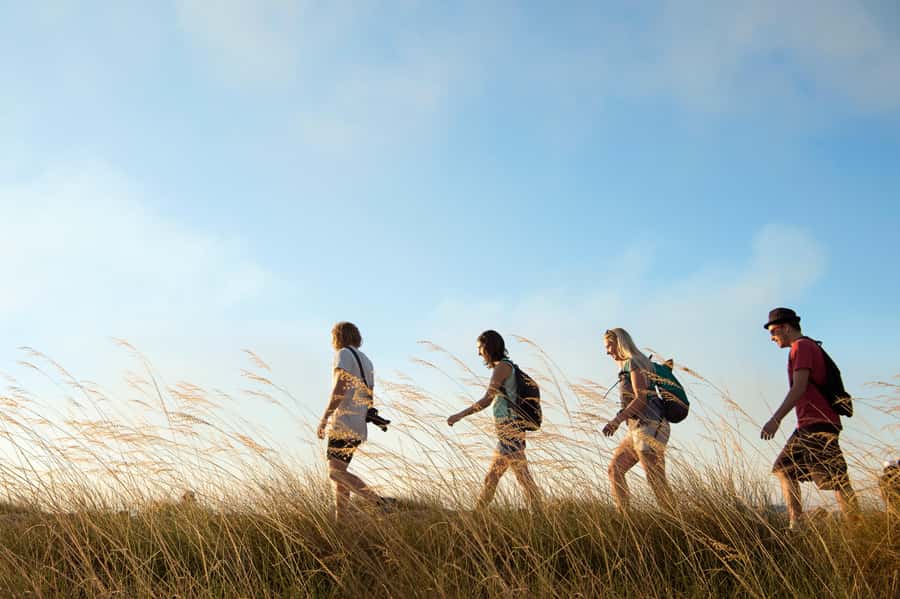
Book this tour if you want to see Kakadu and Litchfield in three days without handling the driving, park planning, and camping setup yourself. It suits active adults who enjoy early starts, hot walks, basic facilities, rock art, wildlife watching, and swimming in natural pools.
Think twice if you want a slow holiday, private accommodation, guaranteed access to a particular waterfall, or an easy walking program. The strongest choice is a permanent tent with the supplied bedding if you want camping atmosphere with slightly less packing fuss.
For an active first visit from Darwin, this is a well-rounded option. You get Ubirr, a wetland cruise, crocodile country, possible Jim Jim or Maguk, Litchfield waterfalls, and a guide who can explain why these places matter. Just arrive fit, pack light, and accept that the Top End sets the schedule.
FAQ
Where does the tour meet in Darwin?
Meet outside the front gates of The Leea Darwin at 64 Cavenagh Street, Darwin City, by 6:30 a.m.
Is hotel pickup included?
No. Hotel pickup before the tour and drop-off after the tour are not included.
How long is the tour?
The experience lasts three days and includes two nights of camping.
What accommodation is provided?
You stay at Jabiru Campground in either a permanent tent or an Australian bush swag. Bathroom facilities are communal.
Is a sleeping bag included?
No. You need to bring one or hire one through the operator for $40.
What meals are included?
The package includes two breakfasts, three lunches, and two dinners.
What is the longest driving day?
Day three covers about 500 kilometres by road. Day one covers about 420 kilometres, and day two covers about 150 kilometres.
How much walking is involved?
The tour includes about 9.5 kilometres in total, with walks of roughly 2 to 4 kilometres per day. Terrain can be steep and rocky, and conditions may be hot and humid.
Can children join the tour?
Children aged 8 to 17 may join when accompanied by an adult or legal guardian. The tour is not suitable for children aged 7 or younger.
Can I cancel for a full refund?
Yes. You can cancel up to 14 days before the tour for a full refund.
Just added around Darwin
- Kakadu National Park Wildlife & Ubirr Rock Art Tour from Darwin★ 4.5 · 101 reviews
- Arnhem Land Yingana Injalak Hill Full Day Tour from Jabiru★ 5.0 · 132 reviews
- Jabiru 30 minute Scenic Flight★ 5.0 · 68 reviews
- Kakadu Adventure Tour★ 4.0 · 26 reviews
- Bombing of Darwin World War II Tour with Harbour Cruise★ 4.5 · 219 reviews
- Tiwi Islands Cultural Experience from Darwin Including Ferry★ 4.0 · 97 reviews
- 1-Hour Thunderball WWII Adventure Jet Skiing in Darwin★ 5.0 · 70 reviews
- Darwin Combo: The Bombing of Darwin Experience & Darwin Harbour Cruise★ 4.5 · 123 reviews
3-Day Experiences, compared.
Dingos 3 Day K’Gari (Fraser Island) 4WD Tag-Along Tour
Read our review →
Rainbow Beach: 3-Day K’gari (Fraser Island) 4WD Adventure
Read our review →
Uluru Kata Tjuta & Kings Canyon 3-Day 2-Night Camping Tour
Read our review →
3-Day Kangaroo Island Adventure Tour with Camping
Read our review →
Dreamworld, WhiteWater World & SkyPoint 3-Day Ticket
Read our review →
Hervey Bay to K’gari/Fraser Island 3-Day Tour (Beach House)
Read our review →
3 Day Red Centre Kata Tjuta Kings Canyon Outback ex.Alice Springs
Read our review →Browse the lists this tour appears in