
Reviewed · ULURU & OUTBACK TOURS
From Yulara: Uluru Tour and Sunset BBQ
Uluru is best understood from the ground, close to its caves, waterhole, and ancient rock art. This seven-hour tour gives you two guided walks, Anangu creation stories, and a sunset barbecue with Uluru changing color in front of you.
I like the air-conditioned transport, especially in the fierce summer heat, and the way guides such as Yad combine driving, storytelling, and cooking. I also like that the national park entry fee is included for tours through March 31, 2026. The main catch is time: the schedule can feel tight, and hot weather may shorten or change the walks.
In This Review
- Key points to know
- Why this seven-hour Uluru tour works
- Starting from Ayers Rock Resort
- The Cultural Centre: start with meaning, not just photos
- The Mala Walk and Uluru’s northwestern face
- Mutitjulu Waterhole and Wanampi’s story
- What the guide adds to the experience
- Sunset at the coach viewing area
- Is $230 a fair price?
- How to prepare for the desert day
- Who should book this Uluru experience?
- FAQ
- How long is the Uluru tour from Yulara?
- Where can I be picked up?
- Does the tour include the Uluru-Kata Tjuta National Park entry fee?
- Are the Uluru walks difficult?
- Can I climb Uluru?
- What food and drinks are included?
- Is the tour suitable for young children?
- What language is the tour conducted in?
- Should you book it?
Key points to know
- Two walks show two sides of Uluru: Follow the Mala Walk past rock art, then visit Mutitjulu Waterhole and hear stories tied to the site.
- The Cultural Centre adds context: You learn about the Anangu people before reaching the rock itself.
- The sunset barbecue is the grand finale: Sit down to an Aussie barbecue with sparkling wine, beer, and views of Uluru.
- The guide can make the day: Yad is repeatedly praised for clear stories, a friendly manner, careful pacing, and good cooking.
- Pack for desert conditions: Bring one liter of water, a wide-brimmed hat, sunscreen, sturdy shoes, and a flynet.
- The $230 price can be good value: Transport, guiding, two walks, dinner, drinks, and the park fee are bundled together through March 31, 2026.
Why this seven-hour Uluru tour works
For a first visit to Uluru from Yulara, this tour puts the essential pieces together without making you arrange a car, park entry, meals, and a guide separately. You are collected from selected Ayers Rock Resort hotels and the campground, then carried in an air-conditioned vehicle through the desert to Uluru-Kata Tjuta National Park.
The day is not built around a strenuous hike. Instead, you get two shorter guided walks, time at the Cultural Centre, and a sunset meal. That makes it a practical choice if you want cultural background and close-up views but do not want to spend the day walking the full base circuit.
The tour also handles an important point with proper respect: climbing Uluru is no longer permitted. The rock is sacred to its traditional owners, the Anangu, and the experience focuses on listening, looking, and walking at ground level.
More Uluru & Outback Tours in Uluru
- Uluru: Field of Light Sunrise Tour with Hot Drinks
★ 4.6 · 572 reviews - Uluru 15-Minute Helicopter Experience
★ 4.9 · 548 reviews - Yulara: Uluru & Kata Tjuta 25-Minute Helicopter Experience
★ 4.8 · 536 reviews
Starting from Ayers Rock Resort
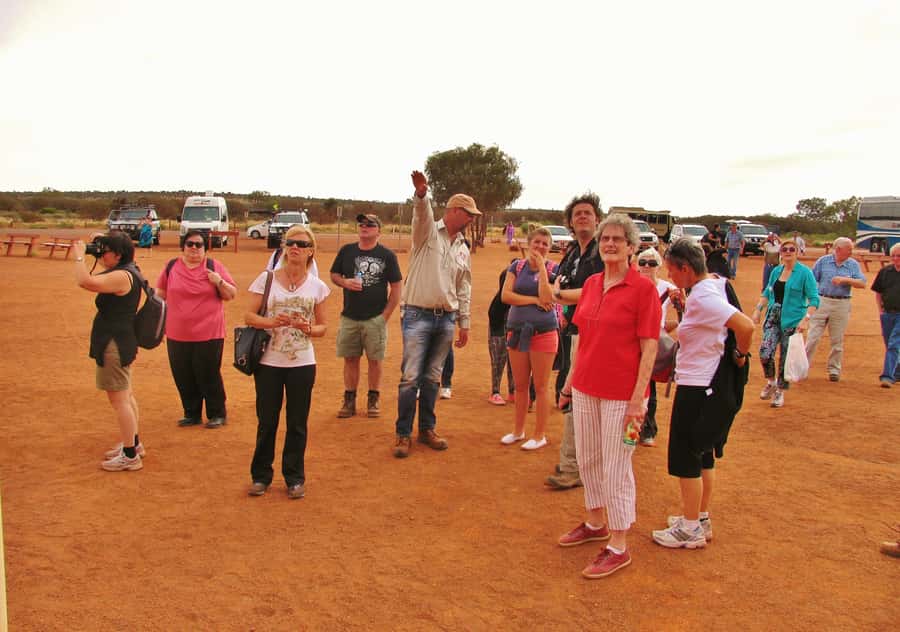
Pickup is available from Outback Pioneer Hotel & Lodge, Ayers Rock Campground, Desert Gardens Hotel, and Sails in the Desert. The exact starting time changes with availability, so check the schedule when booking and be ready at your selected pickup point.
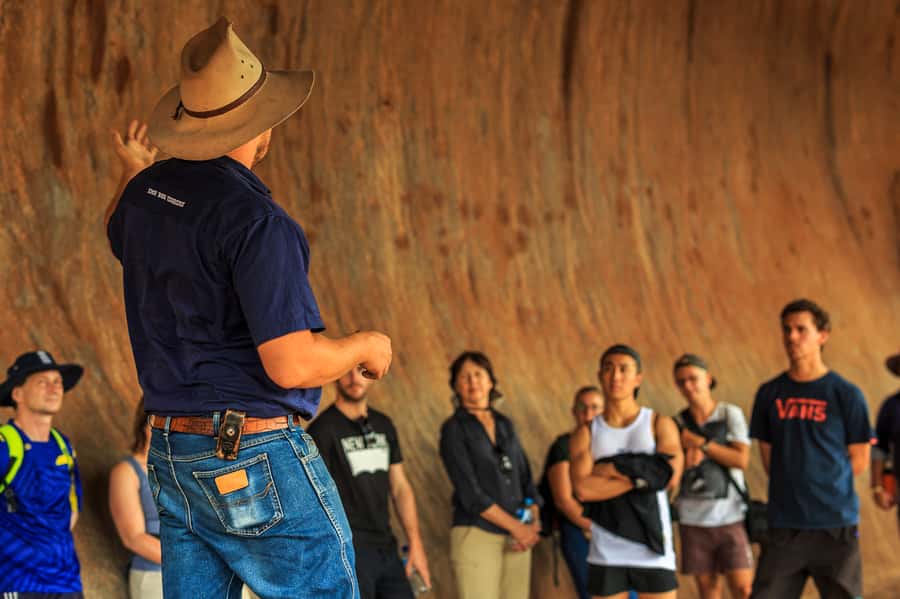
The coach is more than a way to get from one stop to another. Guides provide stories about Uluru, its environment, and Anangu traditions along the route. This is useful because the rock can look simple from a distance, while its meaning and details become clearer once someone points them out.
The ride also gives you a break from the heat. In January and March, conditions can be intense. A good guide will keep the air conditioning running, pause in cooler spots, and watch the group’s pace. Small touches reported on this tour have included chilled water, iced towels, apples, and sweets, though you should still carry your own food and water.
The Cultural Centre: start with meaning, not just photos
The Uluru-Kata Tjuta Cultural Centre is the first major stop. Built from about 90,000 mud bricks with help from local Anangu people, it introduces you to Pitjantjatjara culture and traditional life.
This stop matters because it gives the rest of the day a stronger frame. At Uluru, you are not simply looking at a striking geological formation. You are visiting a sacred place connected to living traditions, creation stories, law, and country.
You have time to visit, look around, and buy souvenirs. Cash is also useful later if you want to purchase a dot painting directly from artists at sunset. Bring your own snacks, however. The cafe may not be open when you arrive, and some departures have had a long stretch between pickup and the first food offered on the bus.
That is one of the tour’s small practical weaknesses. The schedule may leave little time for browsing every part of the centre, especially if you stop for coffee. If the Cultural Centre is a major priority for you, keep your expectations realistic and pack a snack before leaving your hotel.
The Mala Walk and Uluru’s northwestern face
From the Cultural Centre, you head to Uluru itself for the guided Mala Walk. This follows the northwestern side of the rock and brings you near caves, rock walls, and examples of Anangu rock art.
This is where the tour’s storytelling becomes especially useful. Your guide explains ancient Anangu stories connected with the places you are seeing, rather than offering only general facts from a bus seat. You can stop for photographs, but listen closely before reaching for your camera. The point is not simply to collect a picture of a famous rock. The details of the caves and markings help show how people used and understood this place.
The walk is described as short and manageable, but desert conditions change the experience. In summer, even an easy track can feel demanding. In winter, the cold can be a surprise, particularly later in the day. Wear proper non-slip walking shoes and casual clothing suited to the season.
A wide-brimmed hat is more useful than a small cap, and sunglasses and sunscreen are essential. Flies can be persistent, especially in warmer months, so a flynet is not overkill. It may look a little comic in your holiday photographs, but it is far better than spending the walk swatting at your face.
More uluru & outback tours in Yulara:
- Yulara: Uluru Sunrise and Kata Tjuta Day Trip by Bus
★ 4.5 · 469 reviews - Uluru: Sacred Sites & Sunset Tour with Wine & Cheeseboard
★ 4.5 · 450 reviews - Uluru Base Segway Tour at Sunrise
★ 4.9 · 378 reviews - Best of Uluru – Segway and Walking Tour
★ 4.8 · 204 reviews
Mutitjulu Waterhole and Wanampi’s story
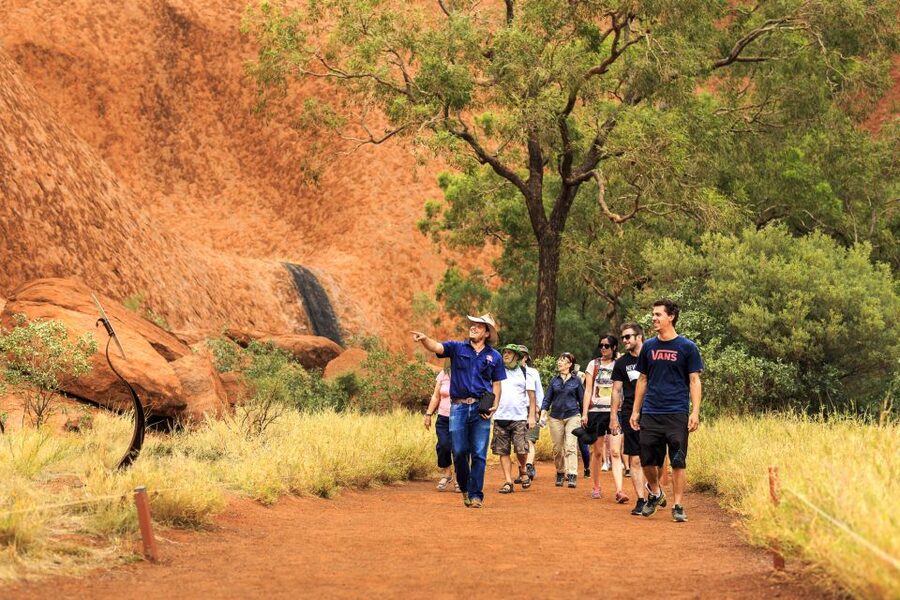
The second guided walk takes you to Mutitjulu Waterhole at the back of Uluru. A short track leads to the waterhole, which is associated with Wanampi, an ancestral water snake.
This stop adds a different mood to the day. Instead of concentrating only on the massive rock face, you see a place where water, shelter, animal life, and human use come together. Your guide explains local traditions and how the Anangu traditionally used the waterhole for hunting.
Caves containing rock art also feature here. They were used by Anangu people in the past, and the stories tied to them connect earlier generations with the living community today. That connection is important. The tour presents Aboriginal culture as present and continuing, not as something confined to a museum display.
The walks are guided, but they are not a long wilderness trek. Some people may find the walking time less than expected, especially if they imagined a full base circuit. The tradeoff is that the shorter format lets the group reach the sunset stop on time and keeps the day manageable for older visitors and families with children old enough to join.
One guest specifically found the pace comfortable even for an 83-year-old parent. That does not make the outing suitable for every mobility level, but it suggests the walking is generally gentle when weather allows. Children under two are not suitable for this activity.
What the guide adds to the experience
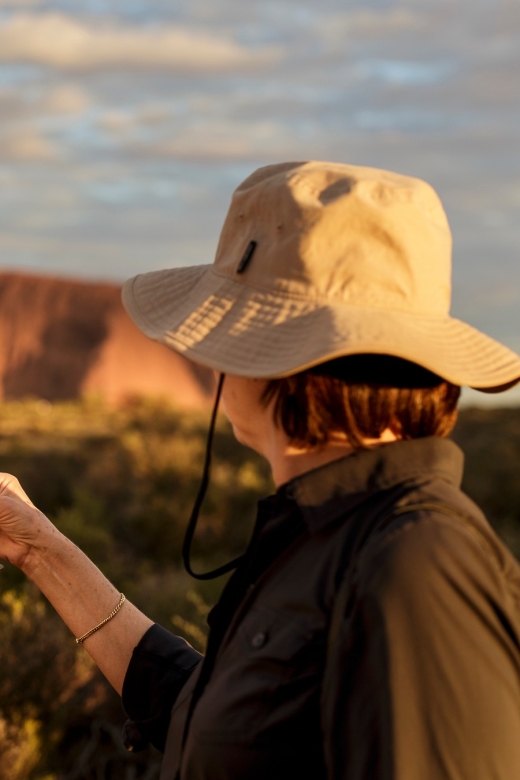
The strongest part of this tour is often the person leading it. Yad is the guide most frequently singled out in the supplied feedback, praised for his stories, friendly manner, care in hot weather, and ability to handle several jobs in one day. He has also served as driver and barbecue cook.
That combination can make a real difference at Uluru. A guide needs to explain cultural material respectfully, keep the group moving, answer questions, watch the clock, and adjust the pace to the temperature. Yad’s approach appears to cover all of those jobs well.
Other guides, including Phillip, Pablo, Trav, and Tad, have also led departures. Your exact guide will depend on the date, so do not book solely on the expectation of meeting one particular person. The important point is that the tour depends heavily on live explanation. If the bus is noisy or you sit at the back, you may miss some commentary, so move closer to the guide when possible.
The best guides give you enough information to understand what you are seeing without turning every minute into a lecture. On this outing, the creation stories and physical features of Uluru are meant to work together. That is much more memorable than a list of dates and measurements.
Sunset at the coach viewing area
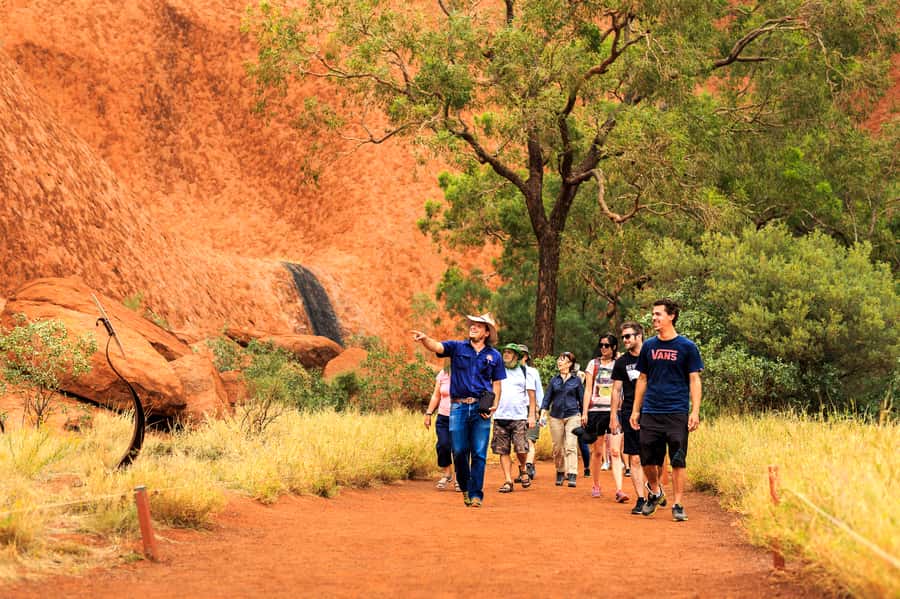
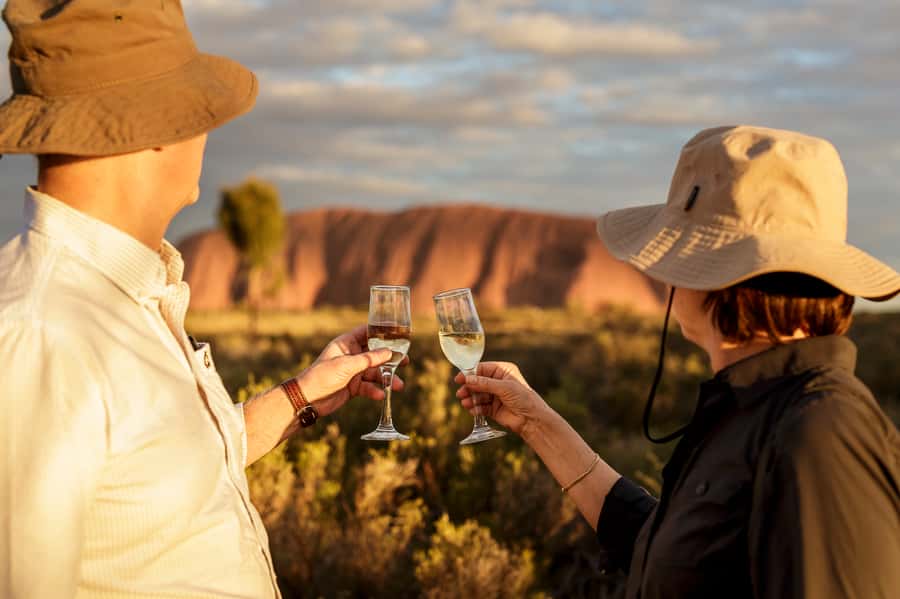
The final stop is the Uluru Coach Sunset Viewing Area. This is the moment most people picture when they think of Uluru, and the colors can shift quickly as the sun drops.
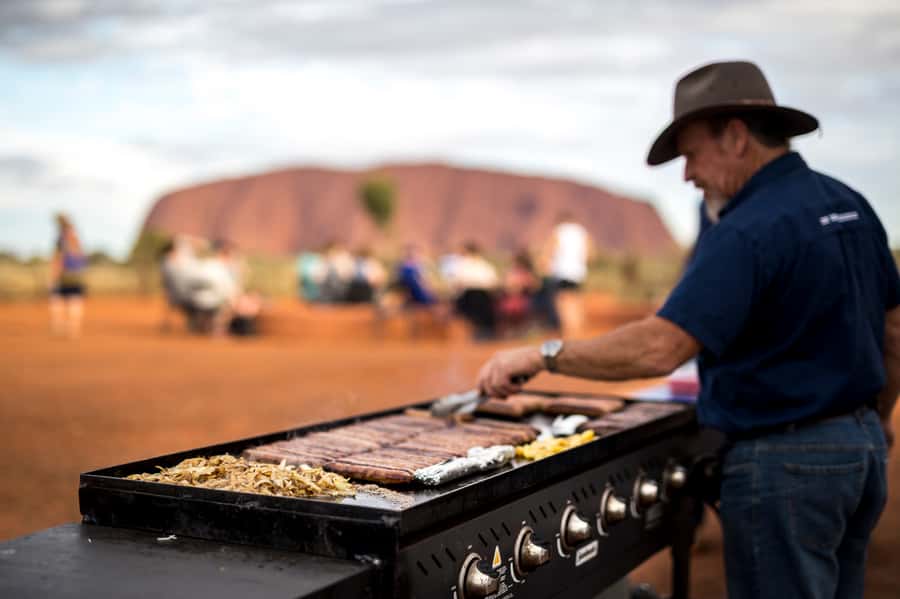
You receive a glass of sparkling wine, with beer or BYO beer also mentioned as an option, then sit down to an Aussie barbecue. The meal is served with tables and chairs, rather than asking you to balance food on your lap or stand throughout dinner. That detail sounds minor until you have spent the afternoon walking in the heat.
The barbecue has been a major strength of the outing. Previous menus have included steak and salad, with generous portions and the chance for extra servings. Drinks have generally been plentiful. The meal is not just a snack timed around sunset. It is a proper dinner, which helps justify the price for people who would otherwise need to arrange an evening meal after returning to the resort.
There is one timing issue to watch. The barbecue begins while the light is changing, so you may feel torn between eating and photographing Uluru. Some departures have felt rushed, particularly when the sun was already disappearing as dinner was served. If photographs are your top priority, take your main shots before sitting down.
The viewing area also places you at some distance from the rock. That gives you a broad view of Uluru and its changing colors, but it may not deliver the close framing you want for every photograph. The best approach is to enjoy the full scene first, then use the remaining light for pictures.
Is $230 a fair price?
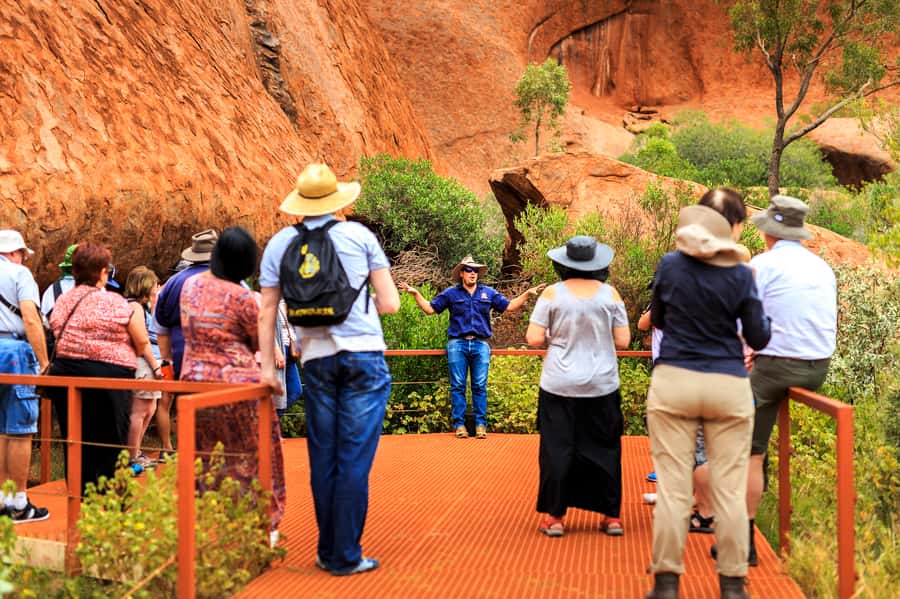
At $230 per person, this is not a cheap outing, but Uluru is an expensive place to visit independently. The price includes resort pickup and return, an accredited English-speaking guide, air-conditioned transport, two guided walks, the Cultural Centre visit, a barbecue dinner, sparkling wine, and the national park entry fee through March 31, 2026.
That park fee matters. For tours operating from April 1, 2026, the national park pass is not included, so you need to bring proof of your own pass, including a digital copy. Check this detail carefully because it changes the real cost.
I see the best value here for someone without a car, someone staying only briefly at Ayers Rock Resort, or someone who wants dinner and sunset included rather than arranging them separately. You are paying for interpretation and logistics as much as transport.
If you already have a rental car and prefer to stop for as long as you like, a self-drive visit may give you more freedom. You could spend longer at the Cultural Centre, pause whenever you want, and choose your own sunset setup. But you would need to organize the park pass, driving, food, and timing yourself, and you would miss the local stories provided during the walks.
How to prepare for the desert day
Bring a reusable one-liter water bottle and use the refillable water available on the coach. Do not rely on the included drinks or fruit to replace lunch, especially since cafe hours can vary.
Your basic packing list should include:
- Strong, comfortable, non-slip walking shoes
- A wide-brimmed hat
- Sunglasses and sunscreen
- Light, cool clothing in summer
- Warm layers in winter
- A camera
- A flynet
- Cash for dot paintings sold by artists at sunset
- A travel pillow for the coach ride
The weather should shape your expectations. Heat can force tracks to close early or lead you to skip the second walk. Cold weather can make the sunset meal uncomfortable without a jacket. The tour can adapt, but it cannot control the desert.
Free cancellation is available up to 24 hours before departure, and you can reserve now and pay later. Pickup and drop-off are limited to selected Ayers Rock Resort locations, so confirm that your accommodation is included.
Who should book this Uluru experience?
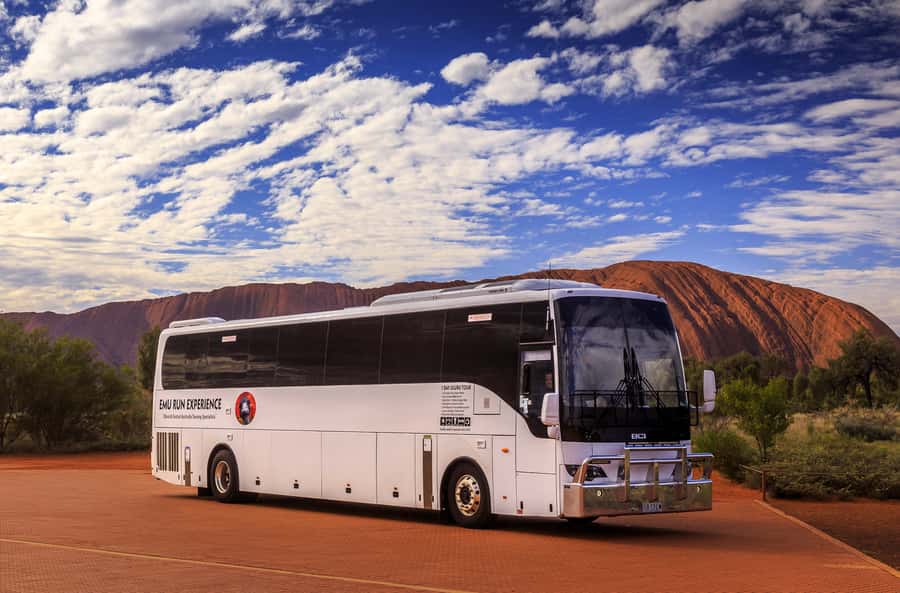
I would choose this tour if you have one day at Uluru, no car, and want a useful introduction rather than a simple photo stop. It suits couples, solo visitors, families with older children, and groups with mixed fitness levels who can manage short walks.
It is also a good fit if you want Aboriginal cultural context and a sit-down dinner in the same outing. The guides are the reason to choose this over a basic transfer. Their explanations at the Mala Walk and Mutitjulu Waterhole turn the scenery into a place with stories and living meaning.
I would think twice if you dislike fixed schedules or want long, quiet stretches at each location. The Cultural Centre, walks, and sunset meal all compete for time. You may also prefer another option if your main goal is a long hike or very precise photography.
FAQ
How long is the Uluru tour from Yulara?
The experience lasts seven hours, including pickup and drop-off at selected Ayers Rock Resort locations.
Where can I be picked up?
Pickup is available from Outback Pioneer Hotel & Lodge, Ayers Rock Campground, Desert Gardens Hotel, and Sails in the Desert.
Does the tour include the Uluru-Kata Tjuta National Park entry fee?
The entry fee is included for tours operating up to and including March 31, 2026. From April 1, 2026, the park pass is not included, and you must bring a copy of your pass.
Are the Uluru walks difficult?
The tour includes two guided walks, the Mala Walk and the walk to Mutitjulu Waterhole. They are presented as short walks, but heat can make them feel harder, so sturdy shoes, water, sunscreen, and a hat are important.
Can I climb Uluru?
No. Tourists are not permitted to climb Uluru because of its cultural significance to the Anangu traditional owners.
What food and drinks are included?
The tour includes an Aussie barbecue dinner and sparkling wine. Beer or BYO beer is also mentioned. Bring extra snacks because cafe service at the Cultural Centre may not be available.
Is the tour suitable for young children?
Children under two are not suitable for this activity. The walking pace can suit a range of ages, but desert heat and the fixed schedule should be considered.
What language is the tour conducted in?
The live tour guide speaks English.
Should you book it?
Book this tour if you want the main Uluru experience packaged into one well-run day: cultural background, two ground-level walks, air-conditioned transport, and a barbecue beneath the changing colors of the rock.
The strongest reasons are the guides, the respectful Anangu storytelling, and the generous sunset meal. The main compromise is a busy schedule. Pack your own snacks, prepare for flies and heat, and accept that you may not linger at every stop.
For a first visit from Yulara, $230 is a reasonable spend when the park fee is included. You get far more than a sunset photograph, and that is what makes this outing worth considering.
More Evening Experiences in Yulara
- Yulara: Uluru and Kata Tjuta Sunset Helicopter Tour
★ 4.9 · 148 reviews - Sydney Harbour Sunset Dinner Cruise from Darling Harbour
★ 4.0 · 1,122 reviews - Great Ocean Road Full-Day Sunset Eco Tour from Melbourne
★ 5.0 · 1,085 reviews - Pinnacles Desert Sunset Dinner and Stargazing Tour
★ 5.0 · 1,034 reviews
More BBQ in Yulara
- Pinnacles Desert: Sunset BBQ & Stargazing Tour +Sandboarding
★ 4.8 · 1,555 reviews - From Alice Springs: Day Trip to Uluru with BBQ Dinner
★ 4.6 · 761 reviews - Ayers Rock Day Trip from Alice Springs Including BBQ Dinner
★ 4.5 · 639 reviews - Uluru (Ayers Rock) Sunset + Outback Barbecue Dinner & Star Talk
★ 4.0 · 426 reviews
Just added around Yulara
- Best of Uluru – Segway and Walking Tour★ 4.8 · 204 reviews
- King’s Canyon: 15-minute Scenic Helicopter Tour★ 4.9 · 78 reviews
- Kata Tjuta: Small Group Sunrise Tour with Picnic Breakfast★ 4.7 · 113 reviews
- Yulara: Uluru and Kata Tjuta Sunset Helicopter Tour★ 4.9 · 148 reviews
- Uluru: Uluru Base Segway Tour★ 4.6 · 112 reviews
- From Yulara: 3-Hour Small Group Kata Tjuta Afternoon Tour★ 4.7 · 101 reviews
- Uluru Base Segway Tour at Sunrise★ 4.9 · 378 reviews
- Uluru: Sacred Sites & Sunset Tour with Wine & Cheeseboard★ 4.5 · 450 reviews
Uluru & Outback Tours, compared.


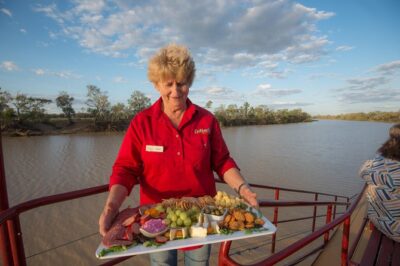
Drover’s Sunset Cruise includes Smithy’s Outback Dinner and Show
Read our review →
Ayers Rock Day Trip from Alice Springs Including BBQ Dinner
Read our review →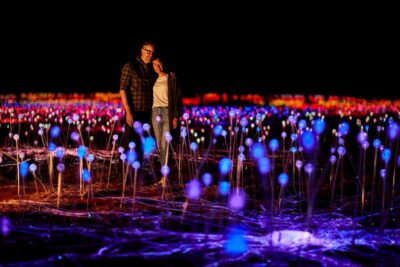
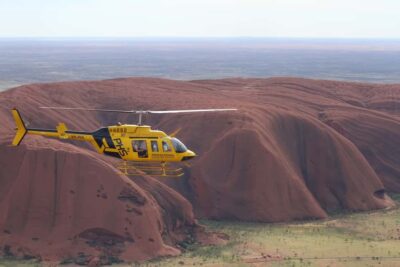
Uluru & Kata Tjuta 25-Minute Helicopter Experience
Read our review →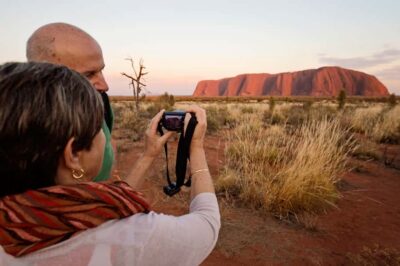
Browse the lists this tour appears in